



Blog / MILFORD Chevrolet Dealer

Blog

All MILFORD Chevrolet Dealer
Chevy Truck

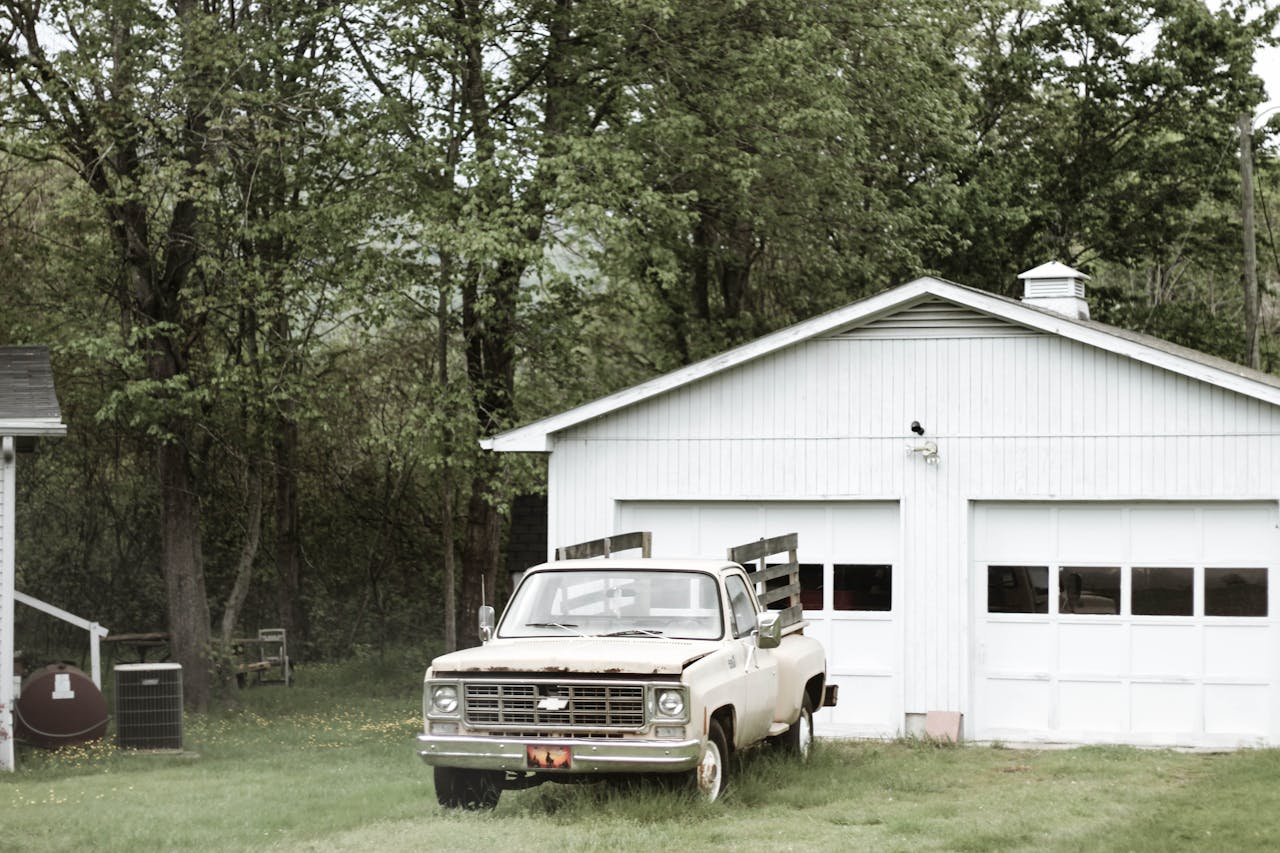
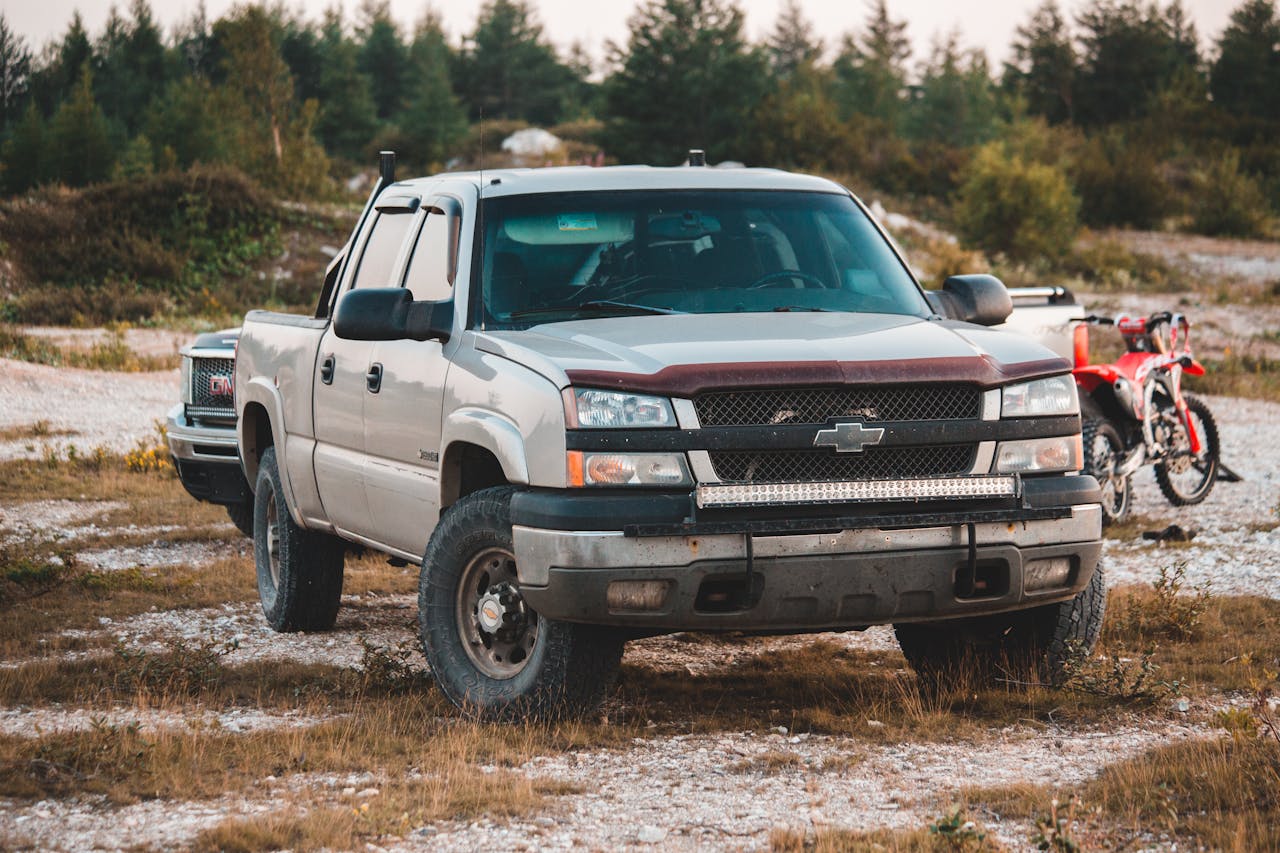
Summer Road Trip Prep for Used Chevy Trucks in Connecticut

Hit the Connecticut Highway in a Road Trip-Ready Chevy Getting your truck ready before a long drive matters. When summer plans start to fill up with long weekends, beach runs, and visits with family, a dependable truck can make every mile easier and more relaxed. more In Connecticut, it is common to jump from coastal roads to country highways in a single day. A used Chevy truck for sale can give you the strength to haul your gear, the comfort to keep everyone happy, and the value that makes sense for everyday life. With the right prep, your truck can be ready for anything from a quick ride to Silver Sands to a full New England road trip. Why a Used Chevy Truck Shines for Summer Road Trips A used Chevy truck gives you a lot of capability without the higher cost of a brand‑new model. For many drivers, buying used makes it easier to get the features they really want. Some advantages of choosing a used Chevy truck for sale include: Lower upfront cost compared to a new truck Slower depreciation once it leaves the lot A better chance to get a higher trim with more comfort and tech Plenty of strong, proven engines and drivetrains to pick from Chevy trucks are built with road trips in mind. Even used models often offer: Strong towing power for boats, campers, and small trailers Spacious cabs that fit family, friends, and pets A large truck bed for coolers, chairs, fishing gear, and beach bags Popular options like the Silverado 1500 and Colorado handle Connecticut roads with confidence. From longer stretches on I‑95 to steeper inland roads, these trucks are designed for changing conditions, mixed traffic, and the stop‑and‑go driving that comes with busy summer weekends. Inspecting Your Used Chevy Truck Before You Hit the Road Before any big trip, it helps to give your truck some attention. Winter in New England can be rough on vehicles, and small problems can grow when you add highway miles and heavy loads. Key pre‑trip checks include: Tires: Check tread depth, look for cracks or bulges, and set proper air pressure Brakes: Listen for squeaks, feel for vibrations, and make sure stopping power feels strong Battery: Watch for slow starts or dim lights that may signal a weak battery Fluids: Confirm engine oil, coolant, brake fluid, and transmission fluid are at proper levels Belts and hoses: Look for fraying, cracks, or leaks A professional multipoint inspection is one of the smartest steps before a road trip. Trained technicians can spot wear you might miss, test systems under load, and give you a clear idea of what should be fixed now versus what can wait. It is also a good time to: Review maintenance records for any missed services Change engine oil and filters, if they are coming due Replace worn wiper blades and top off washer fluid Check that headlights, brake lights, and turn signals all work correctly These simple steps help your used Chevy truck stay reliable when you are far from home and want the drive to be as low‑stress as possible. Comfort, Tech, and Safety Must-Have for Long Drives Hours in the truck can be fun or tiring, depending on how comfortable the cabin feels. Small tweaks inside the cab can turn a regular ride into an easy, relaxed trip. Comfort basics to focus on: A working AC system to handle hot, humid days Supportive seats adjusted for good posture on long drives Sunshades to keep the cabin cooler when parked Simple organizers or bins to keep snacks, toys, and pet gear under control Many used Chevy trucks for sale also offer helpful tech and safety features, such as: Apple CarPlay and Android Auto for maps, music, and hands‑free calls Backup cameras that make parking at crowded beaches or rest stops easier Available driver help features like lane assist or forward alerts on some models Towing aids that help you line up with a trailer and stay steady on the road A few summer‑friendly upgrades can make a big difference: All‑weather floor mats to catch sand, mud, and spilled drinks A bed liner to protect the bed from coolers, firewood, and equipment A bed cover to shield luggage and gear from rain and prying eyes Extra charging ports or adapters so everyone can power their devices With the right mix of comfort and tech, you can keep the driver focused and the rest of the crew happy. Smart Packing and Towing Tips for Connecticut Travelers Packing a truck for a trip sounds simple, but a little planning helps your Chevy feel steady and safe. You want everything secure, easy to reach, and protected from sudden weather changes. For loading the truck bed: Place heavier items toward the front of the bed, closer to the cab Spread weight evenly side to side so the truck stays balanced Use tie‑downs, ratchet straps, or cargo nets to keep items from sliding Store smaller or loose gear in bins so it does not roll around Use waterproof or weather‑resistant containers for camping, fishing, or beach gear If you plan to tow, it is important to understand your setup before you leave. Helpful towing basics include: Know your truck’s towing and payload limits from the owner’s manual Use the proper hitch and ball size for your trailer Check trailer lights, signals, and brake function before each drive Make wider turns and allow longer space for braking and merging Drive at a steady speed and avoid sudden lane changes From coastal trips to Rhode Island or Cape Cod to scenic drives toward the Berkshires or Vermont, a used Chevy truck set up the right way can handle the miles. Careful packing and smart towing habits can keep the ride smooth, even when traffic and weather change along the route. Schedule Your Chevy Road Trip Check at Chevrolet of Milford When you are getting ready for summer travel, a little planning with your truck can go a long way. A used Chevy truck, checked over and set up with the right comfort and towing gear, can make every road trip feel easier, safer, and more fun for everyone along for the ride. At Chevrolet of Milford, we help local drivers choose used Chevy trucks that fit their travel plans and daily needs, and our service team can inspect and prepare those trucks for longer highway drives. Whether you already own a used Chevy truck or you are still searching for the right one, the right prep now can help you hit Connecticut roads with confidence when summer adventures call. Drive Home Confidence With a Truck You Can Trust If you are ready to upgrade your workday or weekend adventures, explore each certified used Chevy truck for sale in our carefully inspected inventory. At Chevrolet of Milford, we stand behind every truck with transparent history and knowledgeable support to help you choose the right fit. Reach out to our team with questions or to schedule a test drive when you contact us today.

Oil Change

Understanding Chevy Oil Change Intervals for Heavy Towing

Protect Your Chevy Engine When You Tow Heavy Towing a boat, camper, or work trailer around Milford and coastal Connecticut puts a lot of extra strain on your Chevy. Hills, highway on-ramps, and stop-and-go traffic near the water all make your engine and transmission work harder than they do on a normal commute. That extra work shows up first in your motor oil. more Oil changes are not just a box to check. The right oil change interval helps prevent expensive repairs, supports your warranty coverage, and keeps your Chevy towing capacity feeling strong and consistent. When the oil is fresh and the engine is protected, your truck or SUV can handle those heavy loads with more confidence. In this article, we will talk about how often you should change your oil when you tow, how Connecticut weather and seasons can affect service needs, and when it makes sense to visit a professional service department for help. Our goal is to help you build a simple, smart plan that keeps your Chevy ready for every trip and every trailer. How Heavy Towing Changes Your Oil Needs Any time you hook up a trailer, your engine has to pull more weight. That extra load creates more heat, and heat is rough on oil. As temperatures rise inside the engine, the oil can thin out, break down faster, and carry more contaminants. With towing, your oil often has to deal with: Higher engine temperatures for longer periods More frequent downshifts and higher RPMs climbing hills Extra stress on internal parts like bearings and piston rings Not every trailer is the same, though. Your oil needs change based on how you tow. Light towing: Small utility trailers, light yard equipment, or an empty single-axle trailer, used only once in a while on mostly flat roads. Moderate towing: Medium campers, small boats, or loaded utility trailers pulled a few times a month, mixed driving around town and highway. Heavy towing: Large campers, big boats, or construction trailers pulled often, sometimes near your Chevy towing capacity, including hilly routes or frequent highway runs. If you are often close to your rated Chevy towing capacity, use your trailer for work, or tow on I-95 with traffic and hills, your oil will usually not last as long as it would with gentle daily driving. The factory interval is a starting point, but towing can shorten it. Factory Oil Intervals vs. Real-World Towing Most late-model Chevy Silverado, Colorado, Suburban, Tahoe, and Traverse models are built with longer oil change intervals for normal driving. Many drivers can safely rely on the oil life monitor that tracks time, mileage, and driving conditions to tell them when service is due. Normal driving usually means: Steady highway speeds Light or no towing Limited idling and shorter traffic delays But real life in southern Connecticut does not always look like that. GM has severe-service guidelines for drivers who: Tow trailers often Sit in heavy stop-and-go traffic Idle for long periods on job sites Take frequent short trips where the engine does not fully warm up If this sounds like your routine, you may need oil changes more often than the general interval. The oil life monitor is still very helpful, but heavy towing, hot summer trips, and constant short drives around Milford may justify changing your oil earlier, before the system hits a very low percentage. A service advisor who understands your towing habits can help interpret what your oil life monitor is telling you and suggest a smarter interval for the way you drive. Choosing the Right Oil for Maximum Towing Capacity The kind of oil you use matters just as much as how often you change it. There are three basic types you will hear about: Conventional oil: Traditional oil that works fine for light, gentle driving, but can break down quicker under heavy heat and load. Synthetic blend: A mix of conventional and synthetic that gives better protection than regular oil, especially at higher temperatures. Full synthetic: Designed to handle more heat and stress, flows better in cold weather, and holds up longer under heavy towing. For trucks and SUVs that tow often, GM-approved synthetic oils are usually the smarter choice. They help protect against wear when the engine is pulling hard and the temperatures climb, and they flow well in cold starts too. The correct oil weight, or viscosity, is also important. It affects: How quickly oil reaches parts on cold start How thick the oil film stays at operating temperature How stable the oil remains when you are near your Chevy towing capacity Using the weight recommended by GM for your engine helps maintain smooth power delivery and dependable towing performance. At a professional service department, trained technicians choose GM-recommended oil and filters based on your model, engine type, and how you actually use your truck or SUV, including how often and how heavy you tow. Seasonal Towing in Connecticut and Oil Change Timing Connecticut weather can swing from cold winters to hot and humid summers, and your towing schedule often changes with the seasons. Many drivers tow more in spring and summer for camping trips, boat launches on Long Island Sound, or road trips to the mountains. Warm weather towing can be tough on your oil because of: Higher outside temperatures that raise engine and transmission heat Stop-and-go beach traffic with a fully loaded trailer Long uphill grades on weekend getaways that keep your engine working hard Cold weather brings its own challenges, such as thicker oil at start-up and more short trips where the engine never fully warms up. That can lead to extra moisture and fuel mixing into the oil. A simple seasonal plan can help: Change oil before peak towing season so your engine starts the busy months with fresh protection. Schedule another change after long towing vacations or repeated heavy hauls. Refresh oil before winter storage if your trailer sits, or before your truck goes into snowplow or heavy winter duty. This kind of timing keeps your oil in better shape during the hardest working months. Signs You Need an Oil Change Sooner When Towing Sometimes your Chevy will give you hints that the oil is wearing out faster than usual. When you tow, these signs may show up sooner than you expect. Watch for: Louder engine noise or more ticking on start-up Reduced fuel economy compared to your normal baseline Oil on the dipstick that is very dark, thick, or gritty Oil warning light or low oil life percentage sooner than usual Common towing situations that speed up oil wear include hauling near maximum Chevy towing capacity up long hills, frequent short trips with a heavy trailer where the engine never fully warms up, and long idling periods with a loaded trailer attached. If you tow on a regular basis, it is better not to wait until you notice clear symptoms. A proactive oil change schedule, built with help from a knowledgeable service advisor, protects your engine and keeps your towing experience smoother and more predictable. Unlock Confident Towing For Every Drive Whether you are hauling a trailer for work or a camper for weekend getaways, we are here at Chevrolet of Milford to help you choose the right truck or SUV with the strength you need. Explore detailed specs and find the model that fits your needs with our Chevy towing capacity resources. If you would like personalized guidance or have specific questions, feel free to contact us so we can walk you through your best options.

Chevy Towing

Understanding Chevy Towing Capacity Before You Buy a Truck

Know Your Tow Limits Before You Hit the Road Chevy towing capacity is not just a number on a sheet. It is what stands between a smooth trip and a stressful day on the side of the road. Before you choose a truck, it is important to know what you plan to pull, how often, and how far. more In Connecticut, many drivers tow more once the weather warms up. People hitch up small campers, launch boats on Long Island Sound, and haul mulch, stone, and yard tools for home projects. When your truck is matched to your towing needs, you protect your safety, your passengers, and the money you are putting into a new vehicle. In this guide, we will walk through how towing ratings work, how Chevy trucks differ, and what you should match to your lifestyle. We will also explain how the right features and setup can make towing easier and safer, and how a full-service Chevy dealership can help you choose with confidence. What Towing Capacity Really Means For Chevy Drivers Towing terms can sound confusing, but they are actually simple when you break them down. Here are the big ones to know: Towing capacity: The maximum weight your truck can pull behind it when properly equipped. Payload: The weight your truck can carry in the cab and bed, including people, cargo, and accessories. Gross Vehicle Weight Rating (GVWR): The most your truck is allowed to weigh by itself when loaded with fuel, passengers, and cargo. Gross Combined Weight Rating (GCWR): The most your truck and trailer can weigh together. The maximum Chevy towing capacity you see in ads is a best-case number. It is based on a specific truck setup, with a certain engine, cab, bed length, axle ratio, and trailering equipment. In real life, things change once you add: Family or friends in the cab Coolers, tools, or bikes in the bed Accessories like a tonneau cover or toolbox All of this counts against payload and affects how much trailer weight you can safely tow. A truck might be rated to tow a high number, but if you load it up with gear and people, your safe towing limit can drop. Your build choices also matter. For the same Chevy truck model, towing numbers can change with: Engine choice: A stronger engine usually supports higher towing capacity. Axle ratio: A towing-focused axle often pulls more but may use more fuel. Cab style and bed length: Larger cabs and longer beds add weight and can change ratings. 4x4 vs. 4x2: Four-wheel drive can help with traction, but it also adds weight. This is why it is important to look at the towing guide for the exact truck you are considering, not just the headline number. Matching Chevy Trucks To Your Towing Lifestyle Different towing needs call for different trucks. The best Chevy for a small trailer may not be the best for a large camper or heavy work equipment. Common spring and summer towing in our area includes: Small utility trailers for home projects Pop-up campers or small travel trailers Jet skis and smaller boats Lawn tractors, ATVs, and yard equipment You can think about Chevy towing capacity in three basic ranges: Light-duty towing: Great for small utility trailers, a pair of jet skis, or a light pop-up camper. Medium-duty towing: Better for longer campers, mid-size boats, and more frequent towing. Heavy-duty towing: Built for big campers, large boats, trailers with cars or equipment, and regular work use. In broad terms, here is how popular Chevy trucks often line up in concept: Chevy Colorado: Good for lighter trailers, outdoor toys, and daily driving with occasional towing. Chevy Silverado 1500: A strong all-around choice for families that tow on weekends, road trips with a camper, and many home or small business needs. Chevy Silverado HD: Aimed at serious towing and hauling, such as large campers, heavy boats, or work trailers. It also pays to think ahead. If you are towing a small boat today but have plans for a larger one later, or if you expect to move from a small camper to a longer travel trailer, it is smart to choose a truck with extra towing capacity. That way, you are not shopping for another truck only a few years down the road. Key Features That Make Chevy Towing Safer And Easier Chevy trucks offer a range of towing features that help take the stress out of hitching up and heading out. Important trailering features often include: Integrated trailer brake controller: Helps control trailer brakes from inside the cab. Trailer sway control: Uses the truck’s systems to help steady a swaying trailer. Tow/haul mode: Changes shift points for better control on hills and with heavy loads. Factory trailering packages: Add hitches, wiring, and cooling upgrades meant for towing. Hitch guidance cameras: Help line up the truck and trailer more easily. Modern safety tech can make a big difference on busy Connecticut roads and in tight marina or campground parking lots. Depending on model and equipment, you may find: Rearview and available surround-view cameras that give a clearer view around the truck and trailer Blind zone alerts that can account for the length of the trailer Stability and traction control to help keep things planted on wet or uneven roads Proper setup is just as important as the features on the truck. At the dealership, making sure you have: The correct hitch class for your trailer weight The right wiring connection for your trailer lights and brakes A weight distribution or sway control system when needed All of this helps you safely use the Chevy towing capacity that your truck is rated for in real-world conditions. How Chevrolet of Milford Helps You Tow With Confidence Choosing the right Chevy truck starts with an honest look at your daily life and weekend plans. At Chevrolet of Milford, our sales team focuses on what you tow, how often you tow, and where you drive. We talk about your current trailer, but also the upgrades you might want in the future. We work with you to sort through: Which Chevy model fits your towing range What engine and axle setup makes sense for your mix of highway and local driving Which cab and bed size fits your family and gear What trailering package features you will actually use Our finance team helps you fit the right truck and tow-ready options into a plan that works for you. That way, you are not pressured into a truck that is more or less capable than you need. Our certified service and parts department plays a big role in safe towing over time. They can help with: Spring trailer-readiness checks, including lights and basic safety items Hitch and wiring installation that matches your truck and trailer Brake inspections and tire upgrades that support towing Regular maintenance to keep your Chevy performing at its rated capacity When your truck is set up correctly and cared for, you can feel more relaxed every time you back up to the hitch. Get Road-Trip Ready With The Right Chevy Truck Before you pick out a truck, it helps to make a simple list at home. Write down what you tow now, what you might tow in the next few years, how far you go, and how often you take those trips. Include details like camper length or boat type if you know them. Bring that list with you when you visit Chevrolet of Milford or explore your options online. It gives us a clear starting point to compare Chevy trucks side by side, review towing capacity charts, and even take a test drive with towing in mind. With the right information and support, you can choose a Chevy that pulls what you need, feels stable and safe, and is ready for your next road trip or weekend project. Unlock the Towing Power That Fits Your Driving Needs Explore how each Chevy model can support your work, travel, or weekend adventures with our detailed Chevy towing capacity breakdowns. At Chevrolet of Milford, we will walk you through real-world towing scenarios so you can choose a truck or SUV with confidence. If you have questions or want personalized guidance before your visit, simply contact us and our team will be ready to help.

Chevy Fleet

Inside Chevy Fleet Sales for Small Connecticut Businesses

Drive Your Connecticut Business Further This Spring With Tailored Chevy Fleet Planning Refreshing your work vehicles is one of the simplest ways to make your business run smoother. When trucks and vans are ready to go, crews start on time, jobs finish faster, and there is less stress on you and your team. Spring is a smart moment to look at your lineup, before long days on job sites, busy delivery routes, and heavier traffic around the shoreline. more The right commercial vehicles help you control fuel and maintenance costs, reduce breakdowns, and support growth across Milford, New Haven, and nearby towns. Whether you run a small crew or a growing team, your vehicles are more than transportation; they are tools your people rely on every day. Chevy fleet sales give Connecticut businesses a way to plan those tools instead of just reacting when something finally gives out. A local partner that understands New England roads, weather, and regulations can help you pick and care for vehicles that fit how you really work. How Chevy Fleet Sales Support Real-World Business Needs Many owners hear the word “fleet” and think of huge companies with long lines of trucks. In reality, a fleet can be as small as two or three vehicles. If you have more than one work vehicle and you depend on them to serve customers, you already manage a mini fleet. A fleet-focused approach is especially helpful for common Connecticut businesses like: Contractors and remodelers Electricians, plumbers, and HVAC pros Landscapers and hardscape crews Delivery and courier services Home care, cleaning, and mobile services Catering, food service, and event support Professional services that visit clients on-site With Chevy fleet sales, you can match the right type of vehicle to each job instead of buying whatever is on the lot at the moment you need it. That might mean: A cargo van set up for tools and parts A pickup with towing power for trailers and equipment A compact SUV for sales calls and estimates Planning your vehicles as a group helps with uptime and scheduling. When your trucks and vans are similar in age and setup, drivers are more comfortable, training is easier, and there are fewer surprises. Instead of juggling a mix of older, mismatched vehicles, you can rotate usage, plan service, and keep your best work out on the road. Choosing the Right Chevy Fleet Vehicles For Connecticut Roads Connecticut driving is its own kind of challenge. Tight downtown streets, coastal rain and snow, highway traffic on I-95 and Route 15, and steep side roads all affect what kind of vehicles make sense. Many small businesses look at a few core Chevy models when planning fleet vehicles: Silverado and Colorado pickups, for towing, hauling, and job sites Express vans, for parts, tools, and mobile workstations Trax and Equinox, for service calls, sales visits, and small deliveries Tahoe and Suburban, for client transport and executive shuttles When you choose between these, it helps to think through a few key questions: Where do you drive most, on the highway, on city streets, or on job sites? What do you haul, people, tools, materials, or a mix? How often do you tow, and how heavy is the trailer or equipment? Do you need all-wheel drive for winter and coastal weather? Connecticut towns like Milford and New Haven have older streets and tight parking, so a smaller SUV or midsize truck can be a better fit for frequent city stops. For crews hauling trailers or heavy materials, a properly equipped Silverado may be the smarter long-term choice. It also helps to look beyond purchase price and think about the full picture: Operating costs, fuel use, tires, and likely maintenance Payload and towing, so the vehicle is not overworked every day Cab and cargo space, so people and gear are not crammed in Branding potential, flat surfaces and colors that work well with wraps and logos A well-chosen fleet vehicle should pull its weight without feeling strained, carry your brand cleanly, and fit the routes and parking lots you see every day. Smart Fleet Financing And Cost Control For Small Businesses How you pay for your fleet matters almost as much as what you drive. Chevy fleet sales offer different paths so you can match your vehicles to your cash flow and long-term plans. Common options include: Traditional purchase, for long-term ownership and equity Commercial leases, for predictable terms and easier refresh cycles GM Business Choice offers or incentives, which may apply for qualifying business buyers A planned approach lets you space out vehicle replacements instead of having several fail in the same year. It also gives you a chance to bundle: Maintenance plans Available protection plans and warranties Service packages designed around your mileage and use When you have a clear fleet plan, it is easier to build a budget and talk with your tax professional about how to handle deductions or depreciation. Working with a local team that understands Connecticut business cycles, like how construction, tourism, and seasonal services ramp up at certain times, helps you time purchases and service work around your busy stretches. Keeping Your Fleet Moving With Certified Service And Support Buying smart is only half of the job. Keeping work trucks, vans, and company vehicles ready for full weeks of driving is where many small businesses struggle. Long waits, unclear timelines, and repeat issues can throw your schedule off and frustrate your team. A certified service center that handles Chevy vehicles every day can make a big difference over the life of your fleet. You benefit from: Technicians trained on Chevy systems and repairs Genuine Chevrolet parts that fit and perform as designed Service records that stay consistent for each vehicle For many businesses, downtime is the biggest cost. Flexible hours or priority scheduling for commercial clients can help keep your trucks and vans on the road instead of sitting in a bay. When service is planned around your workload, you are less likely to lose a whole day of jobs to a sudden repair. Good records and consistent care also help with long-term reliability, safety checks, and future resale value. When it is time to trade or sell a vehicle, buyers feel better when they see proof that maintenance has been done at regular intervals with the right parts. Partner With Chevrolet Of Milford For Your Next Fleet Step Before your next busy stretch, it pays to take an honest look at your current vehicles. Ask yourself: Which units are in the shop the most? Where do you see rising fuel and repair costs? Do any vehicles feel too small, too large, or out of place for current jobs? Are your drivers comfortable and confident in the vehicles you assign? In many cases, adding or replacing just one or two vehicles can make a clear difference in how smoothly your routes and job schedules run. At Chevrolet of Milford, we work with small and mid-size businesses across Milford, New Haven, and surrounding communities to develop seasonal, spring-focused fleet plans that align with real routes, real cargo, and real people. Our commercial and fleet team can walk through your current lineup, ask about your daily driving, and help you explore Chevy fleet sales options that support the specific demands of Connecticut's spring and summer business cycles, so your operation grows one smart vehicle at a time. Maximize Your Business Uptime With the Right Chevy Fleet If you are ready to outfit your business with dependable work-ready vehicles, our team at Chevrolet of Milford is here to help you plan the ideal mix for your needs. Explore our Chevy fleet sales to find the trucks, vans, and SUVs that match your budget, upfit requirements, and long-term goals. We will walk you through incentives, upfitting options, and fleet management solutions so you can get on the road with confidence. Have questions or need a custom quote fast? Just contact us and we will follow up promptly.

Oil Change

Understanding Chevy Oil Change Needs for Different Models

Protect Your Chevy Engine With Season-Specific Oil Care Oil changes are one of the simplest ways to keep your Chevy running strong, but timing and oil type matter more than many drivers think. The right oil at the right time helps your engine handle heat, cold, moisture, and stop-and-go traffic without breaking a sweat. When you keep up with oil service, you help protect power, fuel economy, and long-term reliability. more Here in New England, and especially around Milford, spring can give you chilly mornings, warm afternoons, heavy rain, and plenty of potholes all in the same week. That kind of change puts extra stress on your engine and its oil. Drivers on I-95, the Merritt Parkway, and local roads ask a lot from their Chevy, so following Chevy-specific oil recommendations matters. Not every Chevy is the same. A small sedan, a family SUV, and a work truck all have different needs. When you understand what your particular model needs, you can feel more confident the next time you search for “Chevy oil change” and know what to expect from a proper service visit. How Often Your Chevy Really Needs an Oil Change Most newer Chevy models are equipped with an oil life monitoring system. This system looks at how you drive and the conditions your vehicle sees, then estimates how much oil life you have left. It often lets you go longer between oil changes than old-fashioned fixed mileage schedules, but only if your driving fits normal conditions. Older Chevy vehicles may still follow a mileage-based schedule. In those cases, owners usually rely on the maintenance section in the manual and the advice of trained technicians. Even then, oil change timing can shift based on how and where the vehicle is driven. There is also a difference between normal and severe driving conditions. Around Milford, many drivers fall into the severe category without even realizing it. Severe use can include: Frequent short trips where the engine never fully warms up Stop-and-go shoreline traffic and rush hour congestion Repeated cold starts, especially in colder months Regular towing, hauling, or heavy loads If you see your oil life monitor dropping faster than usual, that is your Chevy indicating the conditions are tougher than normal. You should also pay attention to: Oil life percentage alerts or “Change Engine Oil Soon” messages Dashboard warning lights related to oil or engine performance New engine noises, rougher idling, or sluggish acceleration When you notice these signs, it is time to plan a visit so a trained team can inspect, change the oil, and reset the monitor. Oil Change Basics for Chevy Cars and Sedans Many drivers in the Milford area rely on Chevy cars and sedans such as the Malibu, Cruze, and older compact or midsize models that are still on the road. These vehicles often have smaller, fuel-efficient engines that run best with specific oil weights and, in many cases, synthetic or synthetic-blend oils. Daily commuting to places like New Haven or surrounding towns means plenty of highway miles mixed with local stoplights and parking lots. Short city trips, quick errand runs, and long periods idling in traffic can all shorten oil life in a smaller engine, especially when outdoor temperatures and humidity swing quickly. A professional oil change for these Chevy cars at a trained service center usually includes: Draining old engine oil and replacing it with the correct grade and type Installing a new oil filter matched to the engine Checking fluid levels, like coolant, brake fluid, and washer fluid A quick look at tires, brakes, wipers, and basic safety items By using the correct oil weight and GM-approved products, a service visit helps the engine stay clean inside, which supports smooth acceleration and better fuel economy. Truck and SUV Oil Needs for Work and Family Life Trucks and SUVs, such as the Silverado, Colorado, Tahoe, and Equinox, often live a different kind of life than sedans. These vehicles may tow trailers, carry equipment, haul mulch or tools, or shuttle full loads of passengers and cargo. All of that adds heat and stress to the engine, especially under load or at highway speeds. Seasonal activities in Connecticut can add to the strain. Spring landscaping projects, towing a boat toward the Sound, or packing up for family road trips means a truck or SUV may work harder for longer stretches. Harder work usually calls for closer attention to oil condition and mileage between changes. For these vehicles, it is especially important to: Use the correct synthetic or Dexos-approved oil type and grade Follow the oil life monitor, but also consider towing and hauling habits Listen for any change in engine sound during heavy use Keep service intervals shorter if the vehicle often works under load The right oil helps protect against heat and friction when you are pulling a trailer up an on-ramp or cruising for hours on the highway with a full cabin and cargo area. Synthetic vs. Conventional Oil for Your Chevy Model Not all engine oil is the same. The three main types you will hear about are conventional, synthetic blend, and full synthetic. Each brings a different level of protection and lifespan. In general: Conventional oil is the basic option, common in older vehicles Synthetic blend mixes conventional and synthetic for better protection Full synthetic offers strong protection at high and low temperatures Many late-model Chevrolet engines are designed with synthetic or Dexos-approved oils in mind. These oils hold up better to heat, cold starts, and long drain intervals, and they help keep modern engines cleaner inside. Using oil that does not meet the recommended standard can affect performance and may cause issues with engine cleanliness over time. Choosing the right oil type often comes down to how you drive: Mostly city driving with short trips often benefits from synthetic for better cold start protection Mostly highway commuting can follow the oil life monitor with the recommended synthetic or blend Mixed use, including towing or heavy cargo, usually calls for high-quality synthetic and closer attention to intervals A trained Chevy technician can look at the model, mileage, and driving style and recommend the oil that makes the most sense. Finding Trusted Chevy Oil Change Service in Milford When you search for “Chevy oil change,” it helps to choose a place that understands your specific vehicle. Dealership service departments that work with Chevy vehicles every day stay familiar with the latest oil specifications, maintenance needs, and model updates. At Chevrolet of Milford, the service team works with Chevy cars, trucks, and SUVs from across the area, which means they know how these vehicles respond to local driving and weather. Service visits are tied to the vehicle identification number, so there is a clear record of what has been done and when. A professional oil change service for your Chevy there can include: The correct GM-approved oil and filter for the engine Trained technicians who know Chevy maintenance schedules Maintenance plans that match the model, mileage, and driving habits Planning oil changes as the weather starts to warm up helps your Chevy get ready for summer heat, traffic, and family road trips. By matching oil type and timing to your specific model, you help keep your Chevy ready for every mile ahead, through every season on Connecticut roads. Protect Your Engine With Trusted Local Chevy Service If you are searching for a reliable Chevy oil change near me, our certified technicians at Chevrolet of Milford are ready to help keep your vehicle running smoothly. We use the right oil and parts for your specific model so your engine gets the care it needs. Schedule your service online anytime or contact us with any questions before you book.

Chevy Maintenance

Chevy Maintenance Plans vs. Pay-as-You-Go: Cost Breakdown by Mileage

Maximize Your Chevy’s Life While Controlling Costs Taking care of your Chevy does not have to feel confusing or expensive. Routine maintenance is one of the best ways to keep your vehicle running smoothly, avoid headaches on the road, and protect what you have already invested. The tricky part is choosing how to pay for that care in a way that fits your budget and your driving habits. more As service and repair costs rise, that choice matters even more, especially as roads dry out and many drivers start planning longer drives and weekend trips around New England. Every oil change, tire rotation, and inspection plays a part in fuel economy, reliability, and resale value. The question many Chevy owners ask is simple: Is a Chevy maintenance plan or pay-as-you-go service the smarter way to take care of the car and the wallet? Both options can work well. A maintenance plan gives structure and predictability. Pay-as-you-go gives flexibility and control from visit to visit. At Chevrolet of Milford, we work with both types of drivers every day, from local commuters to highway travelers, so we will walk through how each option works and who tends to benefit most. What a Chevy Maintenance Plan Really Covers A Chevy maintenance plan is a prepaid or bundled package that covers routine, scheduled maintenance for a set time or mileage. Instead of paying for each visit separately, you spread the cost out, then bring your vehicle in when service is due. Plans generally include services that most drivers need on a regular schedule. Typical covered items often include things like: Oil and filter changes Tire rotations Multi-point inspections Fluid level checks and top-offs The plan is usually built around standard Chevy service intervals, such as a checkup about every 7,500 miles, though exact timing can vary by model and engine. You match the term of the plan to how much you drive. For example, a driver who covers a lot of miles each year may choose a plan that lines up with more frequent visits, while a lower-mileage driver may select a plan with fewer covered services over a longer time. The main benefits many owners like are simple: Predictable payments instead of surprise maintenance costs Some protection from price changes during the life of the plan Easier planning, since you already know when and where you will come in Because the work is tied to a set schedule, it is easier to stay on top of manufacturer-recommended service. At a certified service center, your Chevy gets checked by technicians who see these vehicles every day, which can help catch small issues before they become bigger problems. Pay-as-You-Go Service: Freedom or Hidden Risk Pay-as-you-go service is exactly what it sounds like. You do not commit to a plan or pay upfront. You simply bring your Chevy in when you think it needs attention and pay for each service at that time. Drivers often like this setup because: There is no contract or long-term commitment You choose each service based on what you feel is needed You can decide where to go for each visit That flexibility can feel comfortable, especially if you keep a close eye on your mileage and maintenance reminders. But there are some common risks when everything is left up to how busy your schedule is or how your budget looks that month. With pay-as-you-go, it is easier to: Push off or skip oil changes and tire rotations when money is tight Miss factory-recommended services that are not obvious, like inspections Get hit with larger bills if several services stack up at once When simple maintenance gets delayed, parts can wear faster. For example, neglected fluids can lead to extra strain on the engine, transmission, or cooling system. Missing a tire rotation for too long can lead to uneven wear that may shorten tire life. Over time, those things can add up to higher repair costs than steady routine service would have cost. Cost Breakdown by Mileage and Driving Habits To figure out whether a Chevy maintenance plan or pay-as-you-go is a better fit, it helps to think in terms of how much and how you drive, not just the price of a single visit. Here is a simple way to look at it: Low mileage: under 8,000 miles per year Average mileage: around 10,000 to 12,000 miles per year High mileage: 15,000 miles or more per year If you drive mostly around Milford and nearby towns, with short trips and stop-and-go traffic, you can put more stress on brakes, fluids, and the engine, even if your total mileage stays low. You might not hit high miles quickly, but the type of driving still makes regular service important. If you spend a lot of time on I-95 or other highways, your mileage may climb faster. Highway miles can be easier on some parts but can bring more wear to tires and suspension over time. High-mileage drivers are often in for service more often just because the odometer moves quickly. For low-mileage drivers who plan to keep a vehicle only for a short term, pay-as-you-go can work fine if you are disciplined and stick to the schedule. You might not use as many services as a higher-mileage driver, so a large plan might not be fully used. For average and high-mileage drivers, a Chevy maintenance plan often lines up well with how often the vehicle needs service. With more frequent visits, the structure and predictability of a plan can help keep costs smoother and keep the vehicle in better shape over the long haul. Seasonal Considerations for Spring and Beyond Spring is a good time for most Chevy owners to reset their maintenance routine. After cold weather, salt, and rougher road conditions, your vehicle can benefit from a thorough check before longer warm-weather drives. Common spring maintenance needs include: Post-winter inspection and multi-point check Tire rotation or switching from winter to all-season tires Alignment check if potholes have been a problem Fluid checks, including coolant and windshield washer fluid A Chevy maintenance plan can make it easier to handle these services on time. Since many of them may already be included in the scheduled visits, you are less likely to push them off when life gets busy. That means your vehicle is better prepared for weekend trips, family visits, or longer drives around New England once the weather improves. With pay-as-you-go service, it can be tempting to fix only what seems urgent after winter. But skipping something like an alignment check or rotating your tires can lead to uneven tire wear, more brake stress, or steering problems later on. Waiting too long on cooling system checks can also bring issues when temperatures climb and the engine is working harder in traffic. Which Option Fits You Best and How to Decide Choosing between a Chevy maintenance plan and pay-as-you-go really comes down to how you drive, how long you plan to keep your vehicle, and how you prefer to handle your budget. A maintenance plan often makes the most sense if you: Own a new or certified pre-owned Chevy Drive average or high mileage each year Plan to keep your vehicle for several years Prefer predictable, structured maintenance costs Pay-as-you-go can be a good fit if you: Drive very few miles each year Have a short-term lease or do not plan to keep the vehicle long Are very organized with reminders and service records Prefer to decide on each visit based on current needs The best way to decide is to look at your average yearly mileage, your daily commute, and how long you plan to keep your Chevy, then compare what you would likely spend with a plan versus paying visit by visit. At Chevrolet of Milford, our team helps local drivers do exactly that, so they can choose the approach that feels right for their driving habits and long-term plans. Protect Your Chevy With Simple, Worry-Free Maintenance Keep your vehicle running its best with a customized Chevy maintenance plan tailored to how and where you drive. At Chevrolet of Milford, we make it easy to stay ahead of repairs, manage costs, and protect your investment long term. If you have questions or want help choosing the right coverage, just contact us and our team will walk you through your options.

Chevy Maintenance

Chevy Prepaid Maintenance vs. Pay-as-You-Go: Costs for Milford, CT Drivers

Keeping up with basic service is one of the easiest ways to keep your Chevy ready for those spring and summer drives along the Connecticut shoreline. When oil, filters, and tires are cared for, your vehicle usually feels smoother, uses less fuel, and holds its value better when it is time to trade. Skipping small services can let little issues turn into big ones, which is when surprise repair bills tend to show up. more A common question many Milford drivers ask is how to pay for that care. Is it smarter to roll a Chevy maintenance plan into your monthly payment, or just pay the service bill each time you visit the shop? Both options can work, but they fit different budgets and driving habits. This article focuses on how a real Chevy prepaid maintenance plan usually works, how pay-as-you-go service compares, and some simple cost examples. By the end, you will have a clearer idea of which approach fits the way you drive around Milford, New Haven, and up and down I-95. What Chevy Prepaid Maintenance Really Covers A Chevy prepaid maintenance plan is meant to handle your regular, factory-recommended services for a set period of time or mileage. You pick a plan length and it covers certain scheduled visits during that window. Plans can include things like: Oil and filter changes Tire rotations Multi-point inspections Cabin and engine air filter replacement, depending on the plan Fluid level checks and top-offs that go along with these services Instead of paying for each of these items when you visit the service lane, the cost of the plan is handled upfront or rolled into your monthly payment when you finance or lease your Chevy. That way, part of what you pay each month is already set aside for maintenance. A few key advantages many drivers like are: Service is based on the factory schedule, which helps keep your warranty in good standing Work is done by technicians trained to work on Chevy vehicles Original equipment parts are used, which are built to match your model Your cost for the covered services is locked in, so if labor or parts prices change later, your plan stays the same Since the plan is tied to time and mileage, it helps create a simple pattern: at certain intervals, you bring your vehicle in and get the covered work done without thinking about the bill every time. Pay-as-You-Go Service: Flexibility at a Price Pay-as-you-go service is the classic way many people handle maintenance. You watch your mileage, wait for a reminder light, or call the shop when something feels off. Then you approve the work and pay the current service total at the counter. There are clear benefits to this approach: Full flexibility to choose when and where you service your vehicle No plan or contract to sign Easier to match big services with moments when extra money is available, like bonuses or tax refunds Freedom to adjust as your mileage changes The tradeoff is that this style can be harder to budget. Oil changes, tire rotations, and filters add up over time. When everything lines up at once or prices go up, the total for a single visit can surprise you. Some other common challenges with pay-as-you-go: It is tempting to push service back a few weeks, then a few more Delayed maintenance can cause more wear on parts and systems Irregular service history can be a concern when it is time to sell or trade So while pay-as-you-go brings flexibility, it also puts more pressure on memory, self-discipline, and short-term cash flow. Chevy Maintenance Plan vs. Cash: Real Cost Scenarios To see the difference more clearly, it helps to think through a few simple, real-world style examples. These are general scenarios, not exact quotes, but they show how costs and value can stack up over three years in coastal Connecticut driving conditions. 1. Chevy Equinox commuter A driver who uses an Equinox to commute between Milford and New Haven might rack up regular mileage and sit in traffic. Over three years, that usually means several: Oil and filter changes Tire rotations Multi-point inspections With a Chevy maintenance plan, those visits are covered under the plan terms, and part of the cost is already built into the monthly payment. With pay-as-you-go, each visit is a separate bill at current prices. Either way, following the schedule tends to support better fuel economy and smoother performance, which can save money at the pump and help the vehicle feel strong at trade-in time. 2. Chevy Silverado light work and weekend trips A light-duty work truck that also tows a small trailer to campgrounds along I-95 works a bit harder. Three years of this type of use might include the same basic services plus extra attention before long trips or winter weather. A maintenance plan can help make sure those checkups actually happen at the right intervals, which can reduce the chance of bigger repairs from heavy use. With pay-as-you-go, those extra visits might be skipped when money is tight, which can increase wear over time. 3. Chevy Trax family runabout A Trax that handles school runs, errands in Milford, and occasional road trips to the beach may see mostly short trips. Short drives can be harder on oil and some components. A plan can help keep the service pattern steady, which is helpful when multiple drivers share the vehicle. Paying cash for each visit still works, but service may be easier to forget when the mileage rises slowly. In all of these cases, there are also potential long-term savings when maintenance stays on track: Better fuel economy from clean oil, proper tire pressure, and fresh filters Lower chance of bigger repair needs from neglected maintenance items Stronger offer when trading toward your next Chevy if the service record is complete and performed at a Chevy dealership Which Option Fits Milford, CT Drivers Best So which approach fits you best as a Milford area driver? It usually comes down to how you drive, how long you plan to keep your Chevy, and how you like to manage money. A Chevy maintenance plan is often a strong fit for: Drivers with new or newer vehicles Busy families who prefer not to think about every single service bill Commuters with steady mileage who want predictable monthly costs People who expect to keep their Chevy for at least the length of the plan For these drivers, rolling the plan into their regular payment can make budgeting much easier. It also adds a bit of discipline, since the plan is built around sticking to the service schedule. Pay-as-you-go can make sense for: Low-mileage drivers who mostly stay local and put fewer miles on their Chevy Owners of older Chevys where warranty coverage is no longer a big factor Drivers who are handy and might handle some minor upkeep themselves In these cases, paying only when service is needed could keep total costs lower, as long as maintenance is not delayed or forgotten. Compare Chevy Maintenance Options in Milford, CT Before you decide which approach is right, it is helpful to take a quick look at your own situation. Think about your current mileage, how many miles you put on the vehicle each year, and what kind of trips you have coming up. If you expect a lot of shoreline drives, weekend getaways, or regular I-95 runs, a structured plan can bring peace of mind. If your Chevy mostly sees short hops around town and spends a lot of time in the driveway, pay-as-you-go may feel more flexible. At Chevrolet of Milford, we see both types of drivers every day, and we know there is no one-size-fits-all answer. Our team can help you compare real maintenance plan options with what you have already spent on service and what you expect to spend in the future, so you can choose the approach that keeps your Chevy ready for every mile ahead. Keep Your Chevy Running Like New With a Smart Service Plan Protect your investment and stay ahead of costly repairs by choosing a tailored Chevy maintenance plan with Chevrolet of Milford. Our team will walk you through recommended services, transparent pricing, and scheduling options that fit your lifestyle. If you have questions or want help getting started, simply contact us and we will guide you every step of the way.

Oil Change

Chevy Oil Change Intervals by Model and Engine: CT Effects on Oil Life Monitor

Connecticut Oil Change Guide for Silverado, Equinox, Tahoe Owners Taking care of your Chevy engine starts with clean, fresh oil. After a long Connecticut winter full of cold starts, salty roads, and short trips around town, spring is a smart time to reset your maintenance routine and pay attention to your oil life. more Oil change timing is not one-size-fits-all anymore. Newer Chevy models use different engines, different oil types, and an Oil Life Monitoring System that watches how you drive, not just how far. That means a Silverado work truck will have different needs than an Equinox commuter or a Tahoe family SUV. In this guide, we focus specifically on how Connecticut driving conditions affect oil change timing for popular Chevy engines in the Silverado, Equinox, and Tahoe. We also explain how local traffic and weather can shorten oil life, when to trust the Oil Life Monitor, and when it makes sense to search for a Chevy oil change and have a professional take a look. How Chevy’s Oil Life Monitor Responds to Connecticut Driving GM’s Oil Life Monitoring System is smarter than a simple mileage reminder. It does not test the oil directly. Instead, it pays attention to how your vehicle is used and then estimates when the oil should be changed. The system tracks things like: Engine temperature Trip length and how often you shut the engine off Idle time in traffic or while warming up Driving speed and load, including towing or hauling With all that information, the system calculates a percentage. At 100%, the oil is fresh. As you drive, the percentage drops toward 0%. A few key points help clear up myths: It does not send oil to a lab or sensor; it uses math and software. Different models can hit 0% at very different mileages. Waiting until 0% is still within GM guidelines, as long as you do not go past that point. For drivers in Connecticut, it is smart to check that oil life percentage a little more often during winter and the early spring changeover. Short, cold trips around Milford, New Haven, or Bridgeport, plus stop-and-go traffic, can make the percentage drop faster even if the miles do not look very high. Oil Change Intervals for Silverado Engines in Local Conditions If you drive a late-model Silverado 1500, you might have a 2.7L turbo, a 5.3L V8, a 6.2L V8, or a 3.0L Duramax diesel. These engines are built to work hard, but they still rely on clean oil that meets GM specs. In general, Silverado owners can: Follow the Oil Life Monitor as the main guide Expect somewhere around 7,500 to 10,000 miles between changes with light, normal use See shorter intervals when towing, hauling, or idling a lot Many Connecticut truck owners ask how their specific use affects oil life. Think about things like: Towing boats to the shore or lakes Hauling tools, equipment, or landscaping gear Plowing driveways or lots in winter Long idling periods to keep the cab warm or cool Those are all heavier uses. They create extra engine heat and stress and can push oil harder. In these cases, changing closer to 5,000 to 7,500 miles, even if the Oil Life Monitor is not at 0% yet, can be a smart move. Diesel engines and modern gas engines also need the correct oil grade and Dexos-approved formulas. A dealership service department can help by: Using the right oil and filter for your exact Silverado engine Protecting warranty coverage and maintenance records Checking for other wear, leaks, or issues while the truck is in the shop Equinox and Tahoe Oil Change Timing by Engine in Connecticut Equinox and Tahoe drivers often use their SUVs in very different ways, but they share one big thing: they depend on their engines every day. Many Equinox models come with turbocharged 1.5L or 2.0L engines. Tahoe models commonly use 5.3L or 6.2L V8 engines, or a 3.0L Duramax diesel. For most of these engines, you can: Follow the Oil Life Monitor as your primary guide Expect around 7,500 to 10,000 miles under gentle, normal use Go shorter if you see severe driving conditions What counts as severe service around Milford and nearby towns? Frequent short trips where the engine never fully warms up Stop-and-go traffic on I-95 and Route 1 Bumpy spring roads with detours for potholes Lots of city driving with constant braking and idling Turbocharged Equinox engines work hard, especially when merging on the highway or climbing hills. Tahoe V8s that pull campers, boats, or ski gear on New England trips also see higher loads. For these drivers, changing oil a bit sooner than the monitor calls for and having a trained technician give the vehicle a quick inspection can help prevent small problems from growing. Connecticut Driving Habits That Shorten Oil Life Oil life does not wear down the same way in every state. Connecticut brings its own mix of weather and traffic that can shorten the time between oil changes. Common local factors include: Stop-and-go traffic on I-95, Route 1, and busy local roads Long idling periods in commuter congestion or at school pick-up lines Cold winter starts and warm-up time Salty, slushy winter roads that can add grime and moisture Humid summers and heavy rain that can affect how the engine warms up Your Oil Life Monitor picks up the results of these habits. It reacts to: More engine heat cycles as you start and stop frequently Moisture buildup in oil from short, cold trips Higher engine loads from towing or hauling Extra wear when the engine runs but the vehicle is barely moving That is why two Chevys with the same mileage can show very different oil life percentages. One might cruise on the highway, the other might crawl in city traffic every day. A few seasonal habits can help you stay ahead: Check oil life before spring or summer road trips Look at the percentage after a tough winter with lots of plowing or short trips Pay attention after weekends of towing or long idling sessions If the percentage feels low for the miles you have driven, it may be time to search for a Chevy oil change and plan a visit Schedule a Chevy Oil Change in Milford Based on Driving Habits Before your next drive, take a moment to look at the oil life percentage on your Silverado, Equinox, or Tahoe. Then think about how you have really been driving. Lots of towing, idling, short trips, or stop-and-go traffic around Milford can mean your engine oil is working harder than the odometer alone would suggest. At Chevrolet of Milford, the service team understands local roads and local driving habits and works with Chevy vehicles every day. Technicians use the correct oil and filters for your model, follow GM guidelines, and can point out any other maintenance your vehicle may need to stay ready for busy Connecticut seasons. Keep Your Chevy Running Like New With Expert Service When you are ready to schedule a Chevy oil change near me, our certified technicians at Chevrolet of Milford are here to help you protect your engine and your budget. We use the right oil and parts for your specific model so you can drive with confidence mile after mile. Schedule your service online today or contact us with any questions about your maintenance needs.

Chevy

Evaluating Chevy Fleet Sales for Growing Connecticut Businesses

Plan Connecticut Growth with Smart Chevy Fleet Investments Growing a business in Connecticut means staying ahead of busy schedules, tight routes, and rising costs. When more jobs, deliveries, or client visits start stacking up, the vehicles your team drives can either support that growth or slow it down. A smart, well-planned fleet can make day-to-day work smoother and help your team show up on time and ready to go. more Chevy fleet sales give business owners a way to control costs, improve reliability, and create a more professional look on the road. Instead of juggling different older vehicles, you can build a plan around the right mix of Chevy models, financing, and service support. In this guide, we will walk through how to know if you are ready for a fleet, which Chevy models fit different kinds of work, how costs and risk factor in, and how thoughtful fleet planning can support long-term growth. Signs Your Connecticut Business Is Ready for a Fleet Many owners reach a point where using personal or mixed vehicles stops making sense. If you are starting to feel daily stress from scheduling or vehicle problems, that is often your first sign. Common pain points include: Rising mileage reimbursements for employee vehicles Unplanned downtime when older cars or trucks break down Confusing maintenance schedules across many different makes and models Delays that cause you to miss delivery or appointment windows Growth can make these issues show up even faster. When you start adding new service areas across Connecticut, adding more delivery windows, or hiring extra drivers, every extra mile and minute matters. More stops and more routes highlight where your current setup is slow, unreliable, or hard to manage. You also want to think about whether your business is ready financially. Instead of only looking at the sticker price, it helps to step back and consider total cost of ownership. That includes things like: Fuel and expected fuel savings compared with older vehicles Insurance on a dedicated fleet versus individual policies Planned maintenance on newer vehicles Possible tax benefits from business vehicle purchases When those numbers start to look better in a fleet structure than in your current mix of vehicles, it is a strong sign you are ready to take the next step. Matching Chevy Fleet Models to Your Day-to-Day Work The best fleet is one that fits what your team actually does each day. That is why choosing the right Chevy models for your work is so important. For service trades and field work, many businesses look at trucks such as the Chevy Silverado or Colorado. These trucks are well-suited for: Contractors that need strong towing and payload Landscapers who haul equipment, mulch, and tools HVAC and other home services that need space for parts and gear With the right upfit options, like ladder racks or tool storage, these trucks can act like mobile workshops. If your work is more about moving people, then Chevy SUVs can be a better fit. Models such as the Traverse, Tahoe, and Suburban are popular for: Executive and client transport where comfort and image matter Hotel or airport-style shuttle services Team travel to job sites, events, or meetings These SUVs offer roomy seating and space for bags or gear while keeping passengers comfortable and safe. For sales reps and light delivery across busy Connecticut towns and cities, smaller models can be ideal. The Chevy Equinox or Trax can work well for: Frequent stops in tight parking areas Regional sales routes across multiple towns in a single day Light deliveries that do not need truck-level towing or payload These vehicles can give you good fuel economy and easy handling while still offering cargo space for samples, small packages, or tools. How Chevy Fleet Sales Help Control Costs and Risk A key advantage of Chevy fleet sales is the chance to make your costs more predictable. When your vehicles are standardized, it is easier to: Plan maintenance in advance and group service visits Keep basic parts on hand or readily available Train drivers on one set of controls and features Newer Chevy vehicles are also built with fuel efficiency and long-term durability in mind, which can help with total cost of ownership. When you pick the right mix of models for your routes and loads, you can limit wasted fuel and reduce wear and tear. Risk is another important factor. Newer Chevy models offer available safety and driver assist features that can support your drivers, such as lane and braking aids or alert systems. Some businesses also use telematics options to track vehicle use, encourage safer driving habits, and reduce accidents. Fewer incidents can mean fewer insurance claims and less unplanned time off the road, which helps protect both your people and your schedule. Financing, Leasing, and Tax Considerations for Fleets Once you know what types of Chevy vehicles you need, the next question is how to structure the deal. Some businesses prefer to purchase and keep vehicles for a longer time. This can make sense if: You put on steady miles each year and maintain vehicles carefully You want long-term control over how and when you sell or replace units You value building equity in your fleet Leasing can be a better fit if your business needs more flexibility. A structured fleet lease can: Keep payments predictable over the lease term Allow easier cycling into newer models more often Help you match contract lengths to your typical job cycles Fleet-focused financing can also support cash flow by letting you spread costs out, so you can keep more working capital free for payroll, inventory, and marketing. That can be especially helpful during busy growth phases when you are hiring and taking on more work at the same time. On the tax side, many business owners can benefit from deductions and depreciation related to vehicles. In some cases, there may be Section 179-type benefits or other strategies that apply to fleet purchases. Because every business is different, it is always wise to speak with your tax professional about what structure works best for your situation. Working With Chevrolet of Milford on Fleet Planning Working with a local, full-service dealer can make it easier to put all of this into practice. A team that understands Connecticut weather, roads, and traffic patterns can make more tailored model and equipment suggestions. For example, daily driving on I-95, coastal routes, and tight town centers all put different demands on a fleet. As a full-service Chevy dealership in Milford, Chevrolet of Milford offers new and pre-owned vehicles, financing options, and a certified service and parts department under one roof. That means the fleet sales team can help you: Choose the right Chevy models and trims for your workload Plan how many units you need now and how to scale later Coordinate with service and parts departments to keep vehicles maintained Over time, a consistent fleet partner can also help you build a cycle plan, so you are not guessing when to retire or replace vehicles. With a clear replacement rhythm, you can limit surprise breakdowns, keep your drivers in newer, safer vehicles, and adjust as your routes and customer demands change. Take the Next Step in Building Your Chevy Business Fleet As your business grows and work picks up, it pays to step back and review what your vehicles are really costing you in time, stress, and money. If you see the signs of growth, feel the pain of unreliable cars or trucks, or want a more professional look on the road, it may be time to look at a dedicated Chevy fleet plan. By thinking through your daily work, choosing the right mix of Chevy trucks, SUVs, and smaller vehicles, and structuring smart financing or leasing, you can build a fleet that supports your next stage of growth. With local support from a full-service Chevy dealership, planning, buying, and caring for that fleet becomes more organized and manageable. Optimize Your Fleet With Tailored Chevy Solutions If you are ready to upgrade or expand your commercial vehicles, our Chevy fleet sales team can help you choose the right trucks, vans, and SUVs for your workload and budget. At Chevrolet of Milford, we work with businesses of all sizes to streamline ordering, financing, and upfitting so your vehicles arrive ready to work. Reach out to our team with questions or to schedule a consultation, or use our contact us form to get started today.

Chevy

Connecticut Chevy Fleet Buying Guide: Incentives, Upfitting, and TCO

Unlock Big Savings with a Smarter Chevy Fleet Strategy Building or refreshing a work fleet is a big decision. The vehicles you choose will affect your cash flow, your tax bill, and how smoothly your crews get through the day. When you plan it well, your fleet can pay you back with fewer headaches and more uptime. more This guide is a simple roadmap for Connecticut business owners who want to make smart choices before key tax and budgeting deadlines. It walks through tax incentives, upfitting options, and how to look at total cost of ownership, not just sticker price. The goal is to help you keep more money in your business while keeping your people in dependable Chevy trucks, vans, and SUVs that fit how you really work. How Chevy Fleet Sales Work for Connecticut Businesses Chevy fleet sales are built around businesses that run multiple vehicles for work. In general, a fleet can be: A small business with several work trucks or vans A larger company with dozens of units A municipal or public agency with service vehicles What matters is that the vehicles are titled and used for business. When you qualify as a fleet customer, you may gain access to special GM and Chevy programs that are different from retail offers. These can include fleet-focused trims, incentives, or tools that help you manage your vehicles more smoothly. Common fleet vehicle categories for Connecticut businesses include: Light-duty pickups for service calls and sales visits Heavy-duty pickups for towing equipment and trailers Cargo vans and cutaways for trades and deliveries Box trucks and chassis cabs for larger hauls SUVs for managers, estimators, and sales teams Along the I-95 corridor and around Milford and New Haven County, businesses have a wide mix of needs. Contractors and construction crews may need heavy-duty pickups and upfitted vans. Landscapers often want trucks that can tow trailers and carry seasonal equipment. Delivery services and local shops may rely on cargo vans or box trucks. Municipal buyers may focus on dependable service trucks and support vehicles that are easy to maintain. Tax Incentives and Deductions You Should Not Miss A smart fleet plan always includes tax planning. Many business owners use federal tax benefits tied to vehicle purchases. Two of the most common tools are: Section 179 expensing, which may allow you to write off part or all of a qualifying vehicle in the year you place it in service Bonus depreciation, which may help you deduct a portion of the remaining cost more quickly Exact limits and rules can change, so it is important to confirm details with a tax professional who understands business vehicles. The type of vehicle, its weight rating, and how you use it can affect how much you can deduct. For Connecticut buyers, there are a few extra points to keep in mind: State registration fees and taxes can add up, so build them into your planning There may be programs that encourage low- or zero-emission vehicles, which can affect your long-term strategy Timing your purchase before your fiscal year closes can change when those deductions hit your books Good recordkeeping is just as important as choosing the right truck or van. To protect your deductions and stay ready for an audit, keep clear records of: Business and personal mileage Upfit costs for bodies, racks, bins, and equipment Maintenance and repair expenses Fuel and toll costs used for business When these numbers are tracked from day one, your accountant has what they need to support every deduction you claim. Upfitting Your Chevy Fleet for Real-World Work Upfitting means tailoring a vehicle to your trade so it works the way you do. A bare truck or van can get the job done, but a well-planned upfit can save minutes on every stop and cut down on lost tools, damage, and downtime. Common upfits for Chevy work trucks and vans include: Racks, bins, and drawer systems for tools and parts Ladder racks and roof systems Plows and spreaders for winter service Dump, stake, or flatbed bodies Refrigeration units and insulation Safety lighting, backup alarms, and camera systems In Connecticut, the spring and summer rush often pushes landscapers, construction crews, electricians, plumbers, and delivery services to get ready early. Landscapers might choose dump or landscaper bodies to handle mulch and debris. Contractors often want heavy-duty racks, secure storage, and power for tools. Electricians and plumbers tend to focus on organized interior storage in vans. Delivery operators may add shelving and partitions to keep cargo secure and drivers protected. At the dealership level, the key is matching the right chassis to the right upfit. That means making sure: The wheelbase and weight ratings match your body and payload needs The upfit is done by qualified partners Factory safety systems and warranty coverage are respected A well-planned spec helps your vehicle work hard for years without constant adjustments. Calculating Total Cost of Ownership Before You Buy Total cost of ownership, or TCO, is the full picture of what a vehicle really costs your business over time. Purchase price is only one piece. A full TCO view usually includes: Purchase price and any incentives Fuel or energy costs Insurance and registration Maintenance and repairs Downtime and lost productivity when a vehicle is off the road Depreciation and resale value Comparing gasoline and diesel powertrains is a good example. Diesel trucks may be well suited for heavy towing and long highway runs, while gasoline engines may make more sense for lighter loads and mixed city driving. Light-duty pickups might cost less to run if your payloads are modest, while heavy-duty trucks may pay off when you tow or haul heavy equipment often. Right-sizing your fleet is a big TCO win. If you buy a bigger truck than you need, you may pay more in fuel, insurance, and purchase cost without getting extra value. If you go too small, you may strain the vehicle, face more repairs, and risk downtime. Fleet experts can help by building multiyear projections that compare: Lease and finance structures Different models and powertrains Maintenance plans and extended protection options When you can see the full cost on one page, decisions get much easier. Spring Fleet Planning Tips for 2026 and Beyond Spring is a natural reset point for many Connecticut businesses. Construction projects ramp up, landscaping crews get busy, and delivery schedules often grow. Lead-time estimates for ordering vehicles and booking upfit work can stretch, so early planning pays off. A simple fleet refresh checklist might include: Review your current fleet, including mileage, downtime, and driver feedback Flag vehicles with repeat repairs or safety concerns as replacement priorities Look at your expected workload and decide whether you need more units or different types Consider fueling or charging needs, including where your vehicles sit overnight Set a preventive maintenance schedule to keep your current fleet reliable while new units arrive Sitting down with your full fleet list, even on a simple spreadsheet, can reveal patterns. You may notice certain models that stay out of the shop more often, or specific body styles that slow crews down. Those details help shape your next round of Chevy fleet sales decisions. Take the Next Step Toward a Smarter Chevy Fleet A well-planned Chevy fleet can lower your tax burden, keep your people in safe and dependable vehicles, and smooth out your long-term operating costs. When you line up tax incentives, smart upfitting, and careful TCO planning, your trucks, vans, and SUVs become tools that help your business grow instead of constant headaches. When you are ready to sit down with a fleet specialist at Chevrolet of Milford, come prepared with a clear picture of how you work. Helpful items include a list of your current vehicles, typical annual mileage, common payloads or trailer weights, service intervals, and the budget range you want to stay within. With that information on the table, it is much easier to turn research into a practical Chevy fleet plan that fits your business in Connecticut. Unlock Bigger Savings With a Customized Fleet Plan Toda y If you are ready to streamline your operations and lower your total cost of ownership, our Chevy fleet sales team is here to help you build the right mix of vehicles. At Chevrolet of Milford, we work with businesses of all sizes to match specific job needs, budgets, and timelines. Reach out to our specialists with your requirements and we will walk you through options, incentives, and upfitting solutions. You can also contact us to schedule a one-on-one fleet consultation.

Oil Change

Inside Chevy Oil Change Services for Busy SUV Owners

Save Time On Essential Chevy SUV Oil Care This Spring in Milford Spring brings a unique set of driving demands to Chevy SUV owners in Milford and New Haven County, from heavier stop-and-go traffic to towing for weekend getaways. This guide focuses specifically on seasonal oil care for Chevy SUVs at Chevrolet of Milford, so your vehicle is prepared for the exact spring and early-summer conditions you face in this area. more By focusing on spring-specific oil needs, Chevy SUV models like the Tahoe, Suburban, Traverse, Equinox, Trailblazer, and Blazer can stay ready for local commutes, sports schedules and road trips while you keep your service visits fast and efficient. Spring-Specific Oil Needs for Chevy SUVs Chevy SUV engines are built to carry people, cargo and sometimes trailers, but spring conditions in and around Milford place particular stress on the oil that protects those engines. As temperatures swing and mileage climbs with added activities, fresh oil helps your Chevy SUV handle: Frequent short trips between school, practices and errands that never let the engine fully warm up Heavier spring and early-summer towing for boats, campers or utility trailers Stop-and-go traffic around New Haven County as outdoor events and weekend travel increase Potholes and leftover winter road debris that can contribute to vibration and wear In these conditions, clean oil: Reduces wear on engine parts during repeated cold starts and short drives Helps carry heat away when towing or hauling in warming weather Minimizes sludge and dirt buildup after winter driving Supports easier starts and smoother performance as temperatures change from cool mornings to warm afternoons If oil changes are delayed during this busy season, Chevy SUV drivers may notice: Reduced fuel efficiency on longer spring and early-summer trips Rougher or slower acceleration when merging or passing Higher risk of overheating or gradual engine damage Potential issues with warranty coverage if recommended service intervals are regularly missed Using spring as a reset point lets you prepare your Chevy SUV for the additional miles and heavier use that typically continue into summer. What Happens During a Spring Oil Service for Chevy SUVs Understanding what is included in a spring-focused oil service visit at a Chevy service center can make scheduling easier and help you plan around your day. At Chevrolet of Milford, a typical spring oil service for a Chevy SUV may include: Check-in and review of vehicle information, mileage and recent driving patterns A basic under-hood and under-vehicle inspection to look for visible leaks or concerns Draining the old oil from the engine Installing a new oil filter designed for Chevy engines Refilling with the correct GM-approved oil type and viscosity for your SUV and driving conditions Depending on how you use your Chevy SUV, your service team may recommend conventional, synthetic blend or full synthetic oil to match frequent short trips, towing, highway travel or a mix of all three. Many Chevy SUV owners also choose to combine spring oil service with additional seasonal checks, such as: A multi-point inspection to review key systems before summer travel Tire pressure and tread checks to prepare for wet spring roads and upcoming road trips Fluid level checks, including coolant and washer fluid, to match warming temperatures and increased driving These steps provide a clear picture of your Chevy SUV’s condition at a time of year when mileage often begins to climb. Time-Saving Spring Service Options for Chevy SUV Owners Spring schedules often fill quickly with school events, work commitments and outdoor activities. To keep up with oil care without losing a full day, many Chevy SUV drivers look for ways to streamline each visit. Common time-saving options include: Online scheduling to reserve a service time that fits between school runs, practices and meetings Same-day or next-day appointments when an oil-life monitor or dashboard reminder appears unexpectedly Efficient service lanes designed to move routine maintenance, like oil changes, through quickly While your Chevy SUV is being serviced, a comfortable, connected waiting area can help you stay productive: Wi-Fi access to handle email, virtual meetings or online tasks Seating that makes it easier to work or supervise children Clear communication on timing so you can plan your next stop without guesswork For drivers who prefer not to wait on-site, options such as early drop-off, after-hours key drop or local rides and shuttle service can help keep your day on track while your Chevy SUV receives its spring oil care. Why Choose Chevrolet of Milford for Spring Chevy SUV Oil Service Selecting a service center that understands Chevy SUVs and local driving patterns can make a difference in how well your vehicle handles the spring-to-summer transition. At Chevrolet of Milford, the service team works with Chevy models daily and is familiar with how SUVs respond to New Haven County roads, weather shifts and heavier seasonal use. Choosing a Chevy dealership for your spring oil service can offer benefits such as: Factory-trained technicians who specialize in Chevrolet vehicles Service records kept with your SUV, so maintenance history is easy to review Checks for open recalls or model-specific service needs OEM parts designed to work with your Chevy systems When you return to the same service team regularly, it becomes easier to: Track how your Chevy SUV performs through different seasons Spot patterns in wear or usage that may call for adjusted service timing Plan ahead for upcoming maintenance such as brakes, tires or inspections This continuity can support reliability and may also help with long-term resale or trade-in value. Scheduling Your Chevy SUV Spring Oil Service in Milford Spring is an effective time to update your vehicle maintenance routine and prepare for the increased driving that continues into summer. When you compare local options for Chevy SUV oil service in or near Milford, consider: Specific experience with Chevy SUVs and their engine requirements Scheduling flexibility, including online booking and convenient drop-off choices On-site comforts such as Wi-Fi and clear time estimates for routine service A service department that maintains complete records and alerts you to upcoming needs Chevrolet of Milford brings these elements together for Chevy SUV drivers in Milford, New Haven County and surrounding communities. By keeping up with spring-focused oil care at a Chevy dealership that understands your vehicle and driving conditions, you help protect your engine, manage your time effectively and stay ready for every season ahead. Keep Your Chevy Running Smooth With Expert Service When it is time for your next Chevy oil change near me, our certified technicians at Chevrolet of Milford are ready to help you protect your engine and extend the life of your vehicle. We use quality parts and follow factory-recommended service guidelines so you can drive with confidence after every visit. Schedule your service today or contact us with any questions about maintaining your Chevy.

Chevy

Understanding Chevy Fleet Sales for Small Business Owners

Turn Your Vehicles Into a Growth Tool for Your Business Your work vehicles are more than just a way to get from one job to the next. With the right plan, they can support growth, keep your team productive, and help you look more professional to every customer you visit. That is where Chevy fleet sales come in for small businesses that depend on trucks, vans, and SUVs every day. more A smart fleet strategy can help you control costs, keep jobs on schedule, and present a clean, consistent image on the road. Instead of buying one vehicle at a time whenever something breaks, you can plan ahead, match the right Chevy models to the right jobs, and organize financing in a way that fits your business. Chevy fleet sales give small businesses more structure and more options than random, one-off purchases. You can take advantage of special business-focused offers, set up vehicles with the upfits your work requires, and keep service under one roof. As a full service Chevy dealership in Milford, CT, we work with many local owners who want their vehicles to support growth, not slow it down. What Chevy Fleet Sales Actually Mean for Small Businesses When people hear the word “fleet,” they often picture rows of vehicles lined up at a huge company. In reality, a small business fleet can be as few as one to five vehicles, sometimes even just one work truck used mainly for business. You do not need dozens of vehicles to start using Chevy fleet programs and tools. Here is what Chevy fleet sales usually include for small businesses: Options to set up a fleet account for your business Access to business-focused incentives on select models Programs like Business Choice Offers available on eligible vehicles These programs are built around the way work vehicles get used in real life. Instead of treating your purchase like a personal vehicle, Chevy fleet sales look at how your team drives, how often you are on job sites, and what kind of equipment you carry. Local businesses around Connecticut use small fleets in many ways, such as: Contractors that need pickups with towing power and secure storage Landscapers gearing up for busy spring and summer schedules Delivery services that need reliable, fuel-efficient vehicles Real estate teams driving clients to showings in clean, comfortable SUVs Mobile service providers who rely on vans stocked with tools and parts With a fleet mindset, even a very small operation can begin planning vehicle needs the same way they plan staffing or equipment. Choosing the Right Chevy Vehicles for Your Workload Not every job needs a heavy-duty truck, and not every team member needs a large cargo van. Matching the right Chevrolet to the right job is one of the most important parts of a good fleet plan. Some key Chevy models many small businesses consider include: Silverado 1500 for light to moderate towing and hauling Silverado 2500 HD for heavier trailers, equipment, and tough job sites Express cargo and passenger vans for tools, parts, or crews Equinox and Traverse for sales calls, real estate showings, or client transport Available EV options for businesses looking to use electric vehicles for certain routes When you pick vehicles, think about: Payload and towing: What do you carry most days? Trailers, materials, tools, or passengers? Space: Do you need more seats for people or more room for cargo? Weather: How often do you drive in snow, rain, or on rough roads in New England? Many owners either buy more truck than they really need or try to “make do” with something that is too small. Both choices can cost your business over time. Fleet specialists can help you right-size your lineup so each vehicle has a clear job and is not sitting unused or pushed too hard. At our dealership, we sit down with owners and walk through their daily work. That includes how many miles they drive, what they haul, and who is behind the wheel. From there, we help build a mix of Chevy pickups, vans, and SUVs that feels balanced and planned, not random. Financial Benefits of Chevy Fleet Sales and Leasing Chevy fleet sales are not just about which keys you hand your drivers. The financial setup matters just as much. When you plan your vehicles as a fleet, you can often: Take advantage of volume-based pricing when adding multiple units Use available fleet and business incentives on certain models Work with your tax professional to explore any tax benefits tied to business vehicles Buying and leasing both have a place in small business planning. Buying may be a better fit if: You put high miles on each vehicle You want to keep trucks or vans for many years You prefer to build long-term equity in your equipment Leasing may be a better fit if: You want lower monthly payments compared with buying Your business driving fits within mileage limits You like to update vehicles on a regular schedule Many owners line up fleet changes with their business planning so new or updated vehicles arrive before their busiest seasons. At Chevrolet of Milford, our team can help design a mix of purchasing and leasing that supports cash flow today and leaves room for growth tomorrow. Service, Uptime, and Long-Term Fleet Reliability A work vehicle only helps your business when it is on the road. Breakdowns, overdue maintenance, and surprise repairs can slow jobs and disappoint customers. A strong service plan is just as important as the purchase itself. Using one trusted service center for your Chevy fleet offers clear benefits: Priority scheduling options to keep business vehicles moving Factory-trained technicians who know Chevy models inside and out Genuine GM parts designed for your specific vehicles Preventive maintenance is the base of a reliable fleet. That can include: Regular oil changes based on business use Tire rotations and checks for safe traction in all seasons Brake inspections to protect drivers and passengers Fluid checks and basic inspections to catch issues early Many businesses also like to track service schedules and mileage to stay ahead of problems. Tools like telematics or simple maintenance logs help you see which vehicles are getting the most use and which may need extra attention. Having a consistent, local service partner means you are not scrambling when a truck needs work. Your history is already on file, your needs are understood, and your vehicles can get back to work quickly. How to Start a Chevy Fleet Plan with Confidence Getting started with Chevy fleet sales is easier when you break it into simple steps. You do not need a big operation or a huge budget to begin. A clear starting path might look like this: Review your current vehicles and list what is working and what is not Decide how many vehicles you truly need over the next few seasons Set a budget range that fits your cash flow and growth goals Match Chevy models to each job role in your business Explore buying and leasing options, including any business-focused offers Meet with a fleet specialist to fine-tune your plan Timing your vehicle choices with your broader business planning can make a big difference. When busy months arrive, you want your trucks, vans, and SUVs ready, not in the shop or on order. At Chevrolet of Milford, we focus on helping small business owners feel confident about their fleet decisions, from model selection and financing to long-term service support. Our goal is to help you build a smart, reliable Chevy fleet that works as hard as you do, season after season. Optimize Your Fleet Costs With a Tailored Chevy Solution Whether you run a small local crew or manage a larger operation, we can help you align vehicle choices, upfits, and financing with your business goals through our Chevy fleet sales. At Chevrolet of Milford, our team will work with you to select the right mix of trucks, vans, and SUVs that fit your budget and day-to-day demands. If you are ready to discuss options or schedule a dedicated consultation, simply contact us and we will follow up with a customized plan for your fleet.

Contact Us

Fill out this form below and we'll contact you shortly
*Required Fields