



Blog / MILFORD Chevrolet Dealer

Blog

All MILFORD Chevrolet Dealer
Chevy Truck

Value Secrets When Shopping for a Used Chevy Truck for Sale

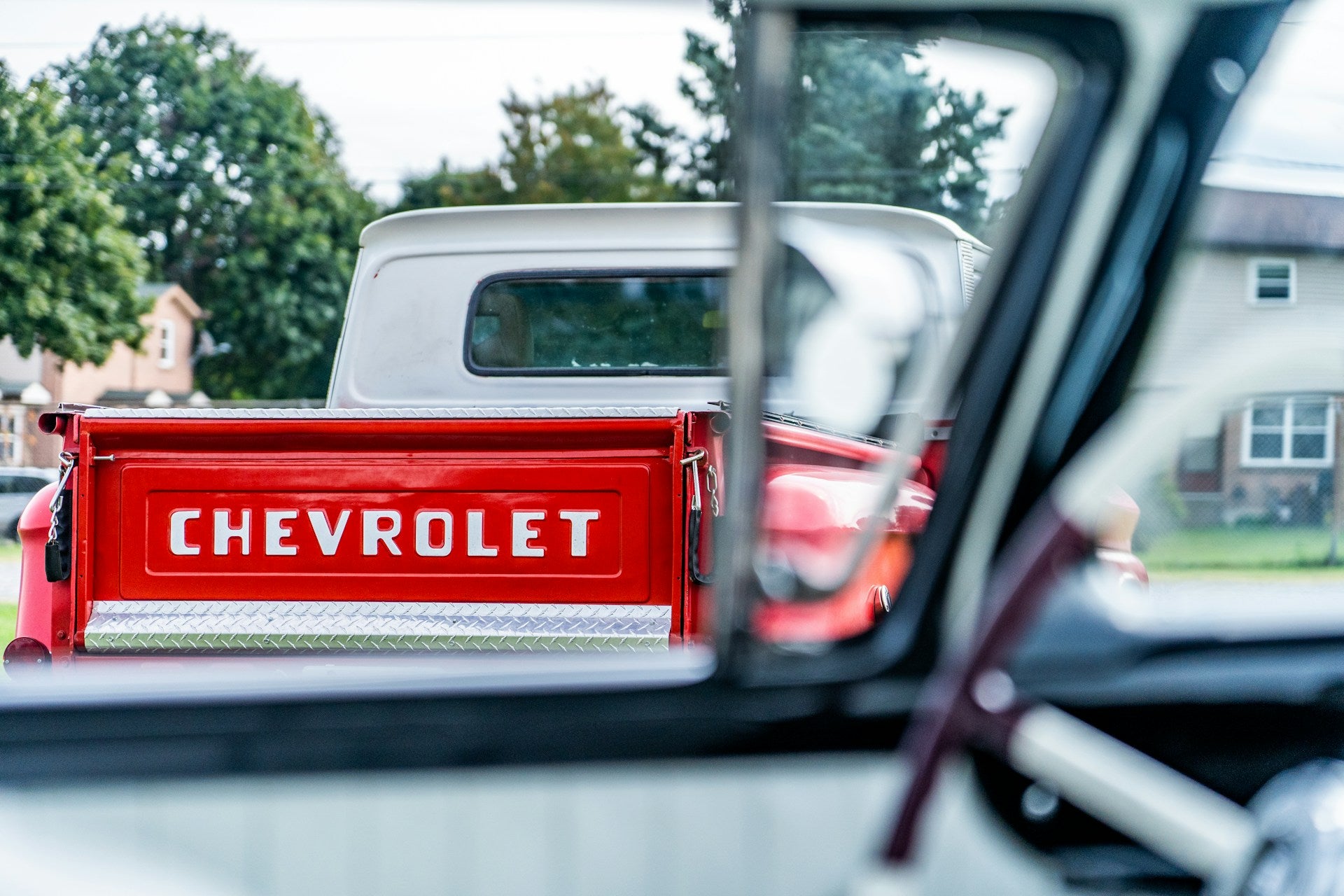
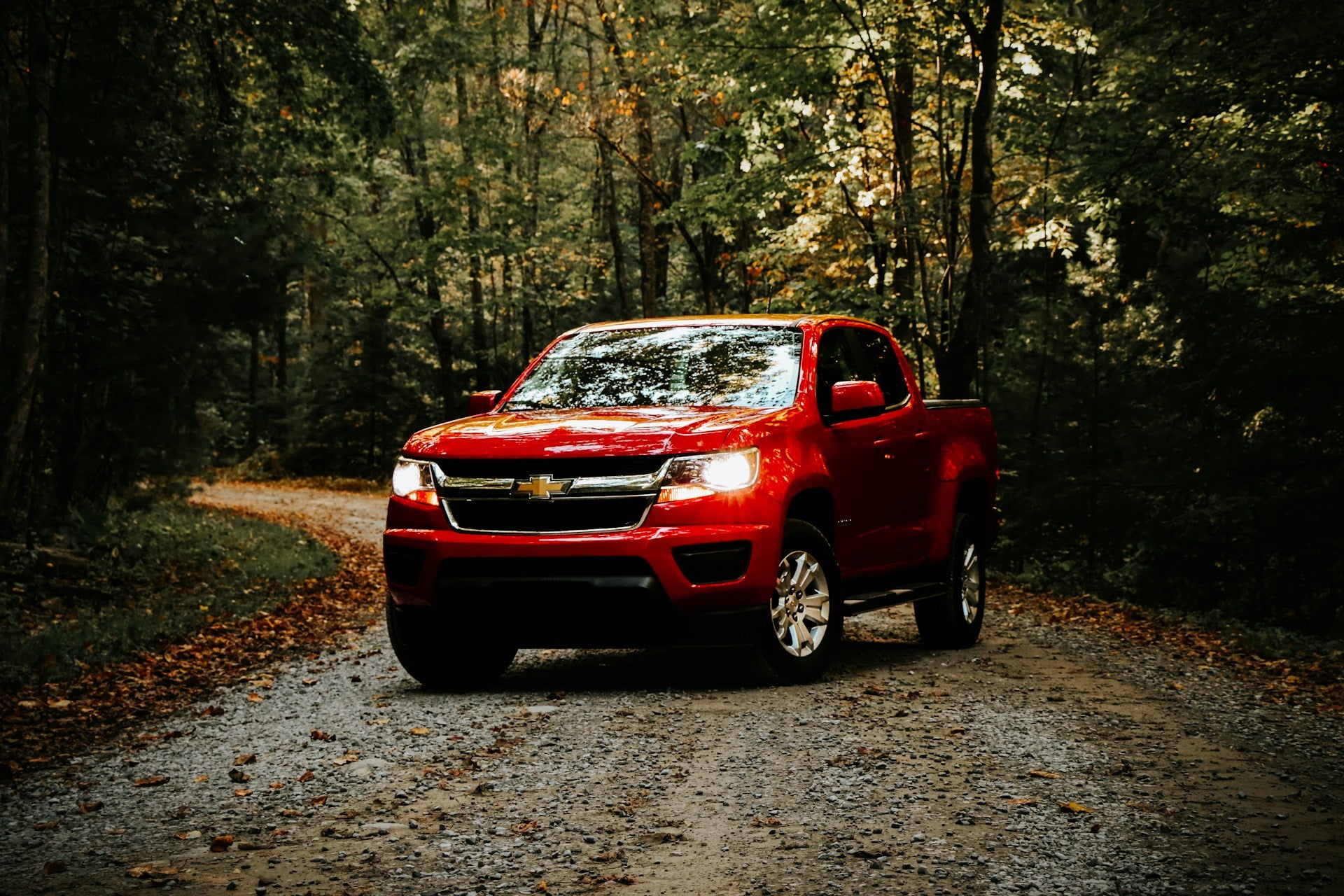
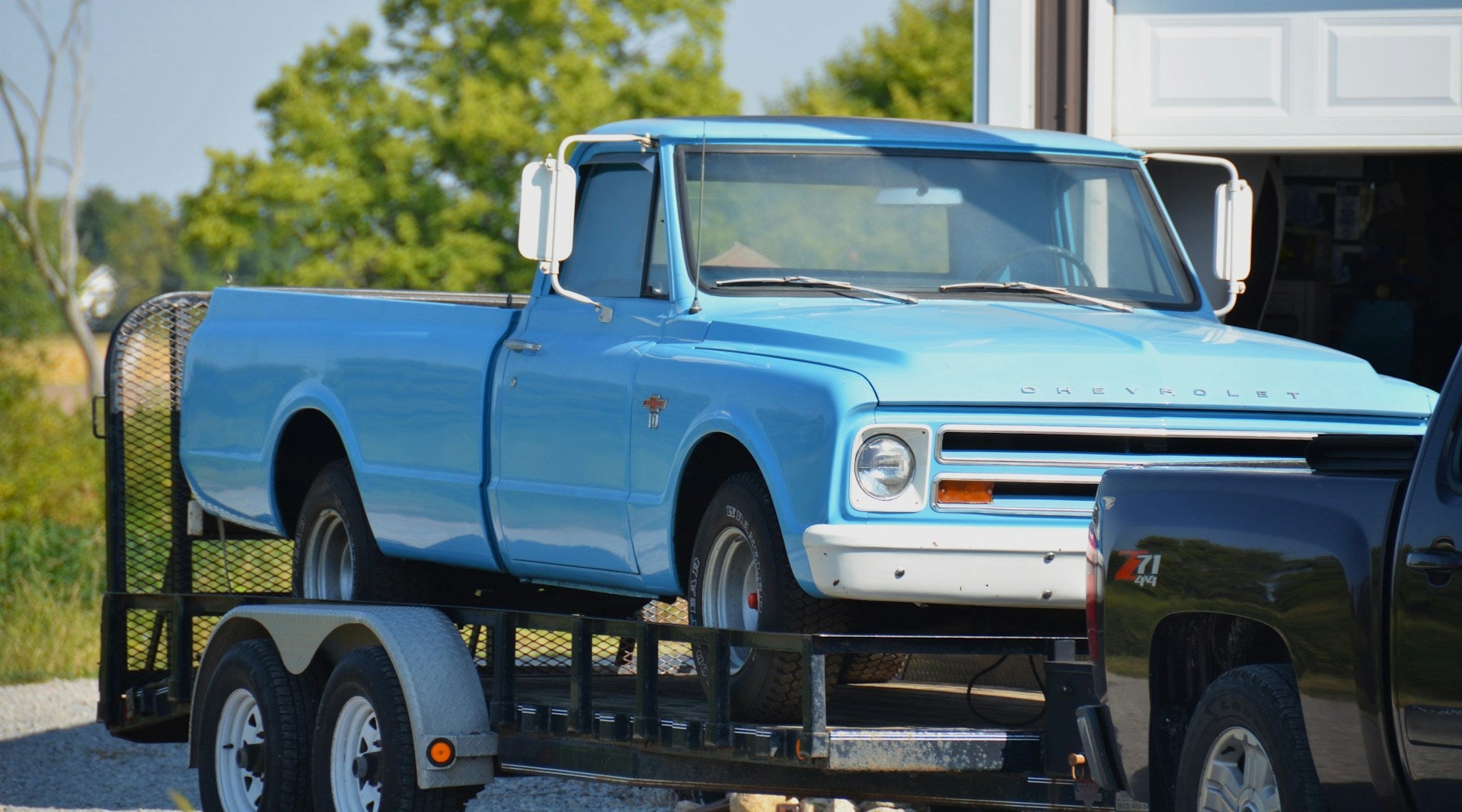
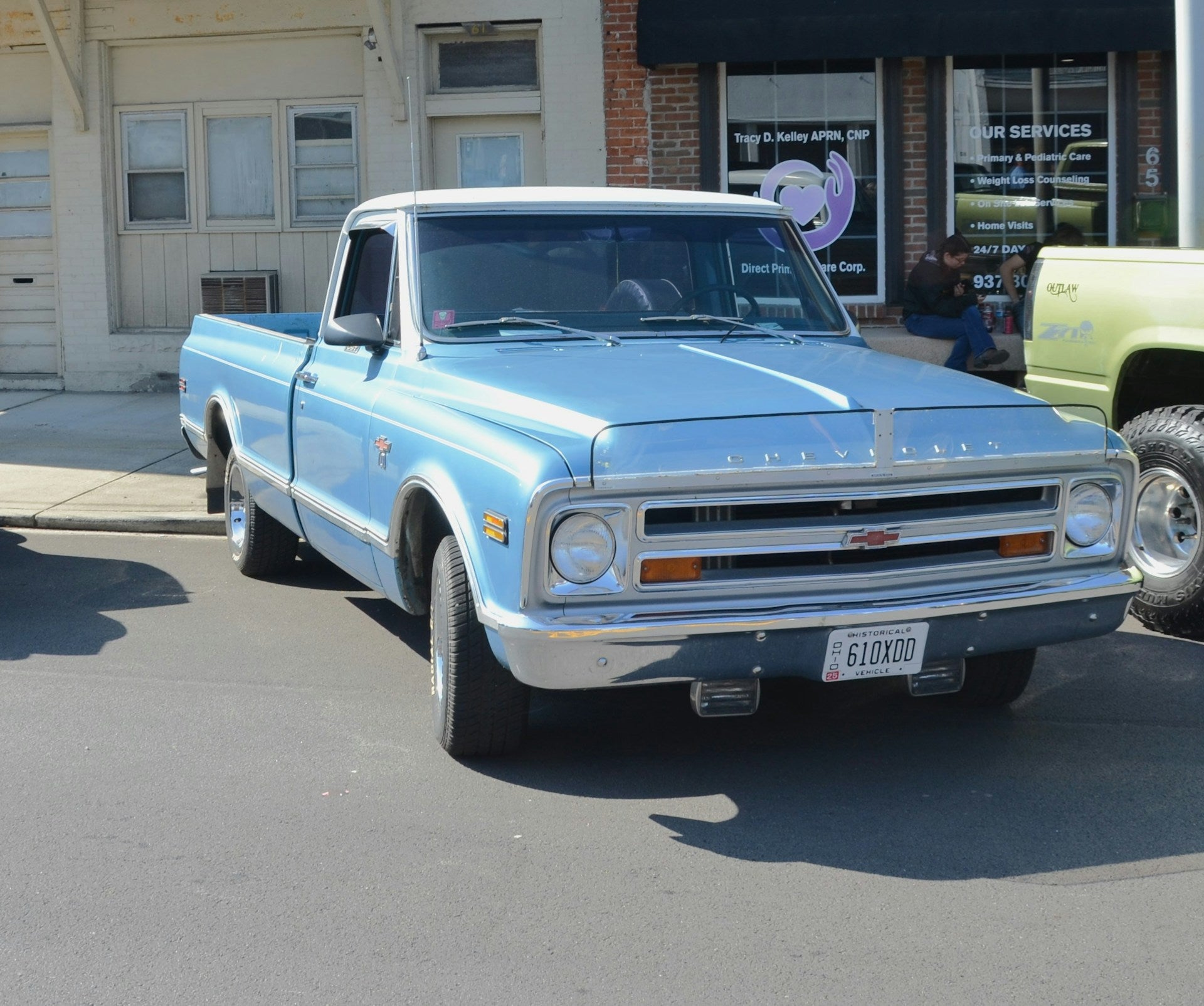
Find the Right Used Chevy Truck for Connecticut Winters Buying a truck is a big decision, especially when new truck prices keep climbing. A used Chevy truck for sale can give you the strength, comfort, and features you want, while keeping your budget in check. The right truck can handle icy commutes, plowed-in driveways, and weekend trips to the slopes without feeling like a compromise. The trick is knowing how to separate a smart, winter-ready buy from a future headache. That is where a little local knowledge goes a long way. At Chevrolet of Milford, we focus on how your truck handles real Connecticut weather, not just the first payment. In this guide, we will share clear, practical tips to help you pick a used Chevy truck that fits your life when temperatures drop and roads get slick. Why a Used Chevy Truck for Connecticut Weather Makes Sense New trucks lose a big chunk of value in their first stretch on the road. When you buy used, someone else has already taken that hit. You get a lot of the same power, comfort, and tech, only at a more friendly price point. Chevy trucks are especially strong choices for New England driving because they are built to handle tough conditions. Popular models like the Silverado and the Colorado are known for: Durable frames and strong suspensions that stand up to rough, pothole-ridden roads Proven engines with plenty of life left for long cold starts and highway trips Interior layouts that stay comfortable and practical when you are tracking in snow and slush This helps your truck hold value over time, so you are not throwing money at something that feels worn out too soon. There is also total cost of ownership to think about. With a used Chevy truck suited to our climate, you may enjoy: Lower monthly payments compared to a similar new truck The chance for lower insurance costs on an older model Access to higher trims, heated seats, and cold-weather features within your budget When you put all of that together, a well-chosen used truck can feel like a smart, steady investment in your daily life, especially when the weather turns. Cold-Weather Features to Look for in a Used Chevy Truck Not all used trucks are created equal. Some are loaded with features that keep paying you back every winter in comfort, safety, and confidence. Others might look good at first but leave you struggling when the first snowstorm hits. Here are smart cold-weather features to look for in a used Chevy truck for sale in Connecticut: 4x4 or all-wheel drive for snow, slush, and unplowed side streets All-terrain or winter-rated tires with solid tread depth Heated seats and heated steering wheel for cold morning starts Remote start so you can warm the cabin before you get in Advanced safety tech like Forward Collision Alert or Lane Keep Assist for low-visibility days Cab style still matters, especially when you are hauling people and gear: Crew cab: Best for families or work crews, with four full doors, more back-seat space, and room for winter bags and boots Double cab: Good middle ground if you only occasionally carry extra passengers Regular cab: Focused on work, often with more bed length and fewer seats for tools and materials Bed length and engine choice should fit your lifestyle too. If you tow snowmobiles, a small trailer, or haul gear to ski country, choosing the right engine size and towing setup can save you stress later. For long-term value in our climate, you also want to pay close attention to: Transmission behavior during the test drive, especially on hills and during low-speed maneuvers Frame condition, especially around welds and mounting points where road salt can collect Prior accident history and signs of body repair that might not hold up well to winters Service records that show regular oil changes, coolant service, and other routine care At a full-service Chevy store, trucks can be checked by trained technicians before they ever hit the lot, which helps filter out problem vehicles and gives you more peace of mind. Spring Seasonal Shopping Tips for Truck Buyers in Connecticut Spring in Connecticut is a smart time to go truck shopping. Roads are clearer, you can really feel how the suspension and brakes work, and you are getting ready for warm-weather projects, towing, and road trips. When a used Chevy truck for sale is coming off winter duty, take a close look at: Rust on the frame, exhaust, brake lines, and other underbody parts that see salt Brake feel and condition, since salt and slush can be hard on components Tire tread, sidewall condition, and any uneven wear from winter driving Spring also tends to bring more trade-ins as people upgrade or switch vehicles. That means more trucks to compare side by side in one place, which makes it easier to spot the right match for your budget and needs. It is a good time to be patient, drive a few different models, and really see how each one feels on real local roads. How Certified Service Helps Your Truck Survive New England Winters Where you buy your used truck matters almost as much as what you buy. A full-service Chevy dealership gives you support that is hard to match in a private sale, especially when it comes to winter prep and upkeep. Here is where that value shows up: Factory-trained technicians who know Chevy trucks inside and out OEM parts designed to work with your specific model Access to service records and inspection reports Before a truck is put up for sale, it can go through detailed checks and reconditioning. Worn parts may be replaced, fluids topped off, and any obvious issues addressed. Protection plans or warranties may also be available to help guard against surprise repair costs down the road. Once you own the truck, regular maintenance is your best friend when dealing with Connecticut’s freeze-thaw cycles. Keeping up with oil changes, brake checks, tire rotations, and fluid services helps: Maintain engine performance and fuel economy Catch small concerns before they turn into big repairs Support higher resale value when you decide to trade or sell Bringing your truck back to the same service team that knows its history can make long-term care simpler and more predictable. Smart Financing for a Winter-Ready Used Chevy Truck Financing is another place where you can protect your budget. Dealership finance teams work with multiple lenders, which can help you find a structure that fits your situation. You can set yourself up for a smoother process by: Checking your credit profile in advance Setting a realistic monthly payment range that leaves room for fuel, tires, and seasonal maintenance Thinking about how long you plan to keep the truck and how many winters it will see Down payment and trade-ins also play a big role. A strong down payment or a well-maintained trade can: Reduce the amount you finance Help keep payments more comfortable Open up options for trims or cold-weather features that better match your needs When the truck and the financing are built around your real life, and the way you drive through all four seasons, the whole ownership experience feels better. Drive Home a Winter-Ready Used Chevy Truck From Chevrolet of Milford Finding the right used Chevy truck for Connecticut winters is about more than reading a price tag. It is about choosing the right model and features, checking the condition carefully after winter, taking advantage of skilled local service, and lining up smart financing that works over the long haul. When you put all those pieces together, you get a truck that feels right on day one and keeps proving its worth through Connecticut snowstorms, summer projects, and everything in between. At Chevrolet of Milford, we are here to help you sort through the options, compare real trucks in person, and feel confident about the one you drive home. Drive Home Confidence With a Quality Pre-Owned Chevy Truck Explore our wide selection to find the right used Chevy truck for sale that fits your work, family, or weekend needs. At Chevrolet of Milford, we carefully inspect each pre-owned vehicle so you can shop with confidence. If you have questions about inventory, financing, or trade-ins, simply contact us and our team will walk you through your options.
Chevy

Connecticut Small Business Fleet Guide: Chevy Pricing, Tax Incentives & Upfits

Connecticut Chevy Fleet Tax Timing: Plan Purchases for Deductions Running a small business in Connecticut means your vehicle decisions and your tax strategy are closely linked. Fuel and insurance costs change, but smart tax timing can help reduce the net cost of your Chevy work trucks, vans, and crossovers. When you coordinate purchase dates, in-service dates, and upfitting schedules with current tax rules, you can make each fleet dollar go further. This guide focuses on one specific piece of fleet planning: how Connecticut small businesses can time Chevy fleet purchases and replacements to align with available federal and state tax benefits. Why Purchase Timing Matters for Chevy Fleet Buyers Many tax benefits depend on when a vehicle is placed in service, not just when it is ordered. If you miss key dates, you may have to wait another year to claim certain deductions or accelerated write-offs. For Connecticut businesses that rely on Chevy work vehicles, purchase timing can affect: When you can start claiming depreciation or expensing How much of the vehicle cost you can deduct in the first year The tax year in which you recognize the benefit How easily you can align cash flow, workload, and tax planning By treating fleet replacements as part of your annual tax calendar, you can avoid rushed year-end decisions and maintain a steadier upgrade cycle. Coordinating Chevy Fleet Purchases with Federal Tax Rules Some business vehicles may qualify for Section 179 expensing or bonus depreciation, subject to weight, use, and IRS limits. Trucks and vans used primarily for business can sometimes receive more favorable treatment than passenger vehicles. Because these rules can change year to year, it helps to: Review current Section 179 and bonus depreciation limits with your tax professional Confirm which Chevy models and configurations meet business-use and weight requirements Determine whether a larger first-year deduction or a longer depreciation schedule better fits your tax plan Once you know which vehicles qualify and how you want to apply the rules, you can set target in-service dates that match your desired tax year. Connecticut-Specific Factors for Chevy Fleet Tax Planning Connecticut adds its own layer of costs and requirements on top of federal rules. State-level considerations for business vehicles may include: Sales tax treatment on commercial vehicle purchases Registration and plate fees based on vehicle class and use Any available business, environmental, or energy-related programs that can influence net cost Because these items affect your out-of-pocket expense, it is helpful to: Compare anticipated state fees for different Chevy vehicle types Factor Connecticut sales tax into your total budget for the tax year Ask your tax advisor whether any current state programs apply to your planned fleet mix Aligning these state-specific costs with your broader tax schedule can make it easier to plan how many units to add or replace in a given year. Building a Year-Round Chevy Fleet Tax Calendar Instead of waiting until late in the year, many Connecticut businesses benefit from mapping out a simple fleet tax calendar that spans all 12 months. A structured approach might include: Early Year (Q1) Review last year’s actual mileage, fuel spend, and maintenance records Identify Chevy units that may reach the end of their planned life this year Meet with your tax professional to understand current federal and Connecticut rules Set a target number of replacements or additions for the year Mid-Year (Q2, Q3) Place orders for new Chevy fleet vehicles with enough lead time for delivery Schedule upfitting, graphics, and any specialty equipment installations Confirm expected in-service dates so they align with the tax year you intend to use Late Year (Q4) Verify that ordered vehicles will be delivered, titled, and placed in service before year-end if needed for current-year deductions Adjust timing if supply or upfitting delays change your in-service dates Coordinate with your accounting team to document business use and costs By treating fleet planning as an ongoing process rather than a last-minute task, you can maintain more control over both costs and taxes. Managing Upfitting Schedules Around In-Service Dates Upfitting can affect when a Chevy work vehicle is truly ready to earn revenue and qualify as placed in service. Shelving, ladder racks, tool storage, lighting, partitions, and other additions often require time and coordination. To keep your tax timing on track: Ask about lead times for common upfit packages when you place your vehicle order Plan installation slots so vehicles can be completed and on the road within your target tax year Consider phasing new units in gradually to avoid disrupting daily operations Clear communication among your tax advisor, your fleet point of contact, and your upfitting team helps prevent delays that could push critical in-service dates into the next year. Linking Financing Choices to Your Tax Strategy How you pay for your Chevy fleet, and how long you keep each unit, can also play a role in your tax planning. Businesses often weigh options such as: Traditional financing over a term that matches their planned holding period Leasing structures with mileage and term limits suited to local driving patterns The timing of down payments or balloon payments relative to tax years Discussing these choices with both your lender and your tax professional can help you: Match payment schedules to projected cash flow Understand how different structures affect deductions Decide whether to accelerate or delay certain replacements within the year Working with Local Chevy Fleet Specialists and Your Tax Professional When you focus on tax timing as a distinct part of your fleet plan, you gain another tool for controlling cost. The most effective approach usually combines: A clear replacement schedule based on mileage, condition, and business needs Up-to-date guidance from your tax professional on federal and Connecticut rules Realistic lead times for ordering and upfitting Chevy work vehicles By keeping all three aligned, your Connecticut business can modernize its Chevy fleet at a steady pace while making informed use of available tax benefits and deductions. Optimize Your Business Fleet With the Right Chevy Solutions If you are ready to streamline your operations and give your drivers reliable vehicles, our team at Chevrolet of Milford is here to help you build a tailored plan through our Chevy fleet sales. We will walk you through model options, upfitting needs, and financing so your fleet supports your business goals and budget. Reach out today and let us know what your team needs, or contact us to schedule a dedicated fleet consultation.

Oil Changes

Summer Guide to Chevy Oil Changes for Road Trip Readiness

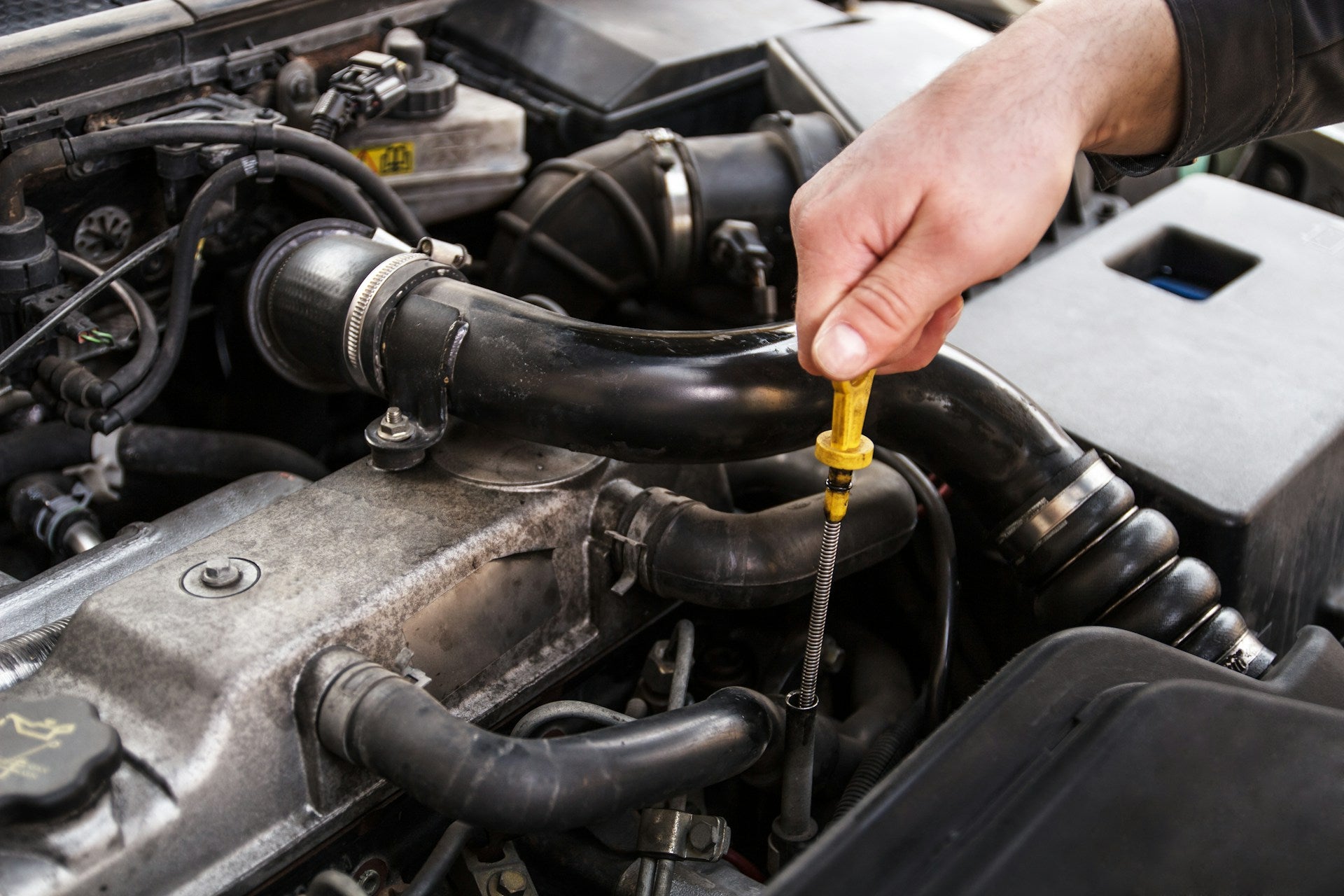
Hit the Highway Confident with Summer-Ready Oil Summer is prime road trip time around Connecticut. Longer days, warm weather, and school breaks mean more drives to the shoreline, the mountains, and weekend visits with family and friends. Before you load up the SUV and type your destination into the GPS, your engine oil should be ready for the extra miles. Hotter days, heavy traffic, and extra weight from luggage and passengers all put more stress on your engine. That is why staying on top of oil changes in warm weather is so important. When drivers search for a Chevy oil change, they are usually thinking about quick service, but the right oil and a careful inspection can make a big difference in how smooth and safe that summer road trip feels. Why Summer Driving Demands Fresh Engine Oil Your engine works harder in the summer. High temperatures, long highway stretches, and steady AC use all add to the workload. As the engine heats up, the oil thins and breaks down over time, which means it does not protect moving parts as well as fresh oil does. Engine oil has three key jobs: Lubricate moving parts so metal does not grind on metal Help carry away heat so the engine does not overheat as easily Collect and suspend dirt and tiny metal particles so the filter can catch them When oil gets old, it can turn dark and thick. That tired oil does not flow as easily, which can lead to: Reduced fuel economy Slower, less responsive acceleration Extra wear on engine parts that can lead to expensive repairs Summer brings some special challenges in Connecticut. Stop-and-go traffic near beaches, long lines at highway exits on weekends, and frequent short trips around town all count as tougher use. A simple oil change before a big trip can help prevent problems that might show up when you are far from home, with a packed car and a tight schedule. Choosing the Right Oil for Your Chevy Road Trip Not all motor oils are the same, and the type that is right for your Chevy depends on its age, mileage, and how you drive. In general, you will see three main types: Conventional oil, common for older vehicles with simpler needs Synthetic blend, a mix that gives better protection than conventional in harder driving Full synthetic, designed for high performance, wide temperature ranges, and many modern engines Your owner’s manual lists which type is approved for your specific model. Sticking with the recommended type helps your engine run the way Chevrolet intended. You will also notice numbers like 5W-30 on oil labels. This is the viscosity rating, or how thick or thin the oil is in different temperatures. In simple terms: The number before the W describes how the oil flows when the engine is cold The number after the W describes how it behaves when the engine is fully warmed up Summer heat in New England means the engine reaches operating temperature quickly, but you may still have early morning starts for long drives. The correct viscosity helps oil flow fast at startup, then stay stable and protective when the engine is hot for hours on the highway. When drivers look for a Chevy oil change, a service team that pays attention to driving habits, towing needs, and daily commute time can help match the oil choice to real life, not just the label on the bottle. Pre-Trip Oil Change Checklist for Road Trip Readiness A proper oil change is more than just swapping out old fluid. A professional service visit before a road trip should include several steps that work together to prepare your vehicle for long days on the road. A typical Chevy oil change service includes: Draining the old oil from the engine Installing a fresh oil filter designed to fit your Chevy Filling the engine with the correct type and amount of new oil For summer travel, it is also smart to have a broader checkup at the same time. Many multi-point inspections include: Coolant, brake, and windshield washer fluid checks and fill-ups Wiper blade condition check so sudden summer showers do not hurt visibility Tire tread depth and air pressure checks, including the spare Battery test to help avoid no-start surprises at a rest stop Brake inspection to make sure stopping power matches the added weight of passengers and luggage Using parts made for your vehicle and having the work done by technicians familiar with Chevrolet systems can help keep warranties in good standing and keep service records clear. That way, if something needs attention later, there is a history of what has already been checked and replaced. How Often to Schedule a Chevy Oil Change in Summer Many modern Chevy vehicles can go longer between oil changes than older models, but the right timing still depends on how and where you drive. The best starting point is always the maintenance schedule in your owner’s manual. It tells you the recommended mileage or time between oil changes for your exact model and engine. Summer often pushes driving into what manufacturers call severe conditions. These can shorten oil life and may require more frequent service: Frequent short trips that do not let the engine fully warm up Heavy stop-and-go traffic, common on highways heading to the coast Towing boats, small campers, or trailers Carrying a full load of passengers and gear on steep or hilly roads If your plans include a long vacation drive, it is smart to arrange a Chevy oil change a couple of weeks before you leave. That timing gives room to: Complete the oil change and inspection without rushing Take care of any repairs or maintenance that come up Drive the vehicle locally for a few days to be sure everything feels right Staying ahead of the schedule like this can help prevent last-minute stress and help you focus on packing and planning your fun stops along the way. Turn Your Summer Plans Into Service Appointments Today As you map out beach days, mountain drives, or long weekends visiting friends, it helps to think about your vehicle the same way you think about your plans. A well-timed oil change and inspection can turn a basic search for a Chevy oil change into real peace of mind, especially when you are sharing the road with family and a full trunk of luggage. When you plan ahead, your Chevy is more likely to run smoothly, stay cooler, and deliver the steady power you need for passing, merging, and climbing hills on hot days. With regular service and thoughtful oil choices, every summer road trip can start with confidence and a car that is truly ready to roll. Keep Your Chevy Running Strong With Expert Oil Service If you are searching for a trusted Chevy oil change near me, our certified technicians at Chevrolet of Milford are ready to help keep your vehicle performing at its best. We use quality parts and follow factory-recommended service guidelines so your engine gets the care it needs. Schedule your service online today or contact us with any questions about your maintenance needs.

Chevy Truck

Evaluating Chevy Truck Towing Capacity for Work and Weekends

Understanding Chevy Truck Towing for Connecticut Drivers Picking the right Chevy truck starts with one simple question: what do you need to tow, both during the week and on the weekend? A truck that feels perfect for a small utility trailer might struggle with a large camper, and the opposite is also true. When you understand Chevy towing capacity, you can match your truck to your tools, toys, and family plans with confidence. Modern Chevy trucks are built to pull job trailers, boats, campers, and more, often with the same truck doing double duty. That flexibility is a big reason people choose them. But if the trailer is too heavy for the truck, you can hurt performance and safety, and put extra stress on your investment. Here in Connecticut, roads, hills, and weather can change fast, so having the right setup matters. Once you know a bit about terms, ratings, and real-world loads, it gets much easier to choose a truck that works hard all week and still feels ready for fun when Friday rolls around. Key Chevy Towing Capacity Ratings Before you start shopping, it helps to know the basic towing terms and how they show up in daily life. Towing capacity: The maximum weight your Chevy can pull behind it. Think about a landscape trailer or a small camper. Payload: The weight you carry inside the truck itself, like passengers, tools, and gear in the bed. GVWR (Gross Vehicle Weight Rating): The most your truck is allowed to weigh fully loaded, including payload. GCWR (Gross Combined Weight Rating): The most your truck and loaded trailer can weigh together. One important point: the towing capacity number from the manufacturer is a best-case scenario, usually with a lightly loaded truck. Once you add passengers, a bed full of equipment, a toolbox, and maybe a bed cover, your safe towing number can drop. A few things that affect Chevy towing capacity across different trucks and trims include: Engine choice, gas or diesel, and how much torque it makes Axle ratio, which helps balance pulling power and fuel use Bed length, which can change overall vehicle weight Cab style, like Regular Cab, Double Cab, or Crew Cab Two trucks that look similar from the outside can have very different towing limits because of these details. That is why checking the door sticker and the official towing guide for the exact model and setup is so important. Matching Chevy Truck Classes to Work Needs For work-focused use, each Chevy truck family has its own strengths. Colorado: Suited to lighter-duty jobs, like small utility trailers, ladders, and tools. Easy to park, comfortable for daily driving, but still capable. Silverado 1500: Common for mixed use, with strong towing options for equipment trailers, building materials, and combined work and family duty. Silverado HD: Intended for heavier commercial work, including larger equipment, bulk materials, and higher trailer weights. Typical workday towing situations include: Landscapers pulling mowers, trimmers, and hand tools to multiple sites Construction teams hauling lumber, hardware, and small machines Tradespeople towing a compact enclosed trailer full of tools plus supplies in the bed Chevy also offers towing technology to support workdays, such as: Integrated trailer brake controllers (on properly equipped models) Trailer sway control through the truck’s stability systems Backup camera views that help line up to the hitch Available trailering apps and checklists in the infotainment system The goal is not just how much your truck can pull, but how stable and predictable it feels with a trailer hooked up. Using Chevy Towing Capacity for Recreation Many drivers rely on their truck throughout the week and then use the same vehicle for weekend towing. The right Chevy configuration can move from jobsite to weekend plans with minimal compromise. Common recreational uses for Chevy towing capacity include: Boats and personal watercraft for trips to local lakes or the shoreline Pop-up campers, small travel trailers, or toy haulers Utility trailers loaded with ATVs, dirt bikes, or yard projects As spring weather starts to warm up in Connecticut, many drivers begin planning to: Pull boats out of storage and return to the water Take early-season camping trips before campgrounds get busy Schedule longer summer road trips with a camper or trailer in tow When choosing a truck, think about more than the trailer weight. Consider: How many people usually ride along Whether rear seat space is needed for kids, pets, or co-workers How much gear you carry in the bed, even when towing Balancing passenger comfort, cargo room, and Chevy towing capacity helps avoid selecting a truck that is undersized or significantly more than required. Safety-Focused Towing Practices in Connecticut No matter which Chevy truck you drive, consistent towing habits matter every time you hitch up. A simple pre-trip check can make a significant difference in safety. Before each tow, take a few minutes to: Check tire pressure on both truck and trailer Inspect the hitch, ball mount, and safety chains Test all trailer lights and brake function Confirm tongue weight is in the appropriate range for your setup On the road, towing changes the way your truck responds, especially when braking, turning, and driving on wet or icy roads. Keep these habits in mind: Leave more space between you and the vehicle ahead Brake earlier and more gently than you normally would Take turns wider so the trailer does not cut the corner Reduce speed on steep downhill grades and avoid riding the brakes Adjust speed in rain, snow, or strong wind Professional support is important for hitches, wiring, trailer brakes, and overall vehicle condition. Having a certified team check your truck, brakes, and towing equipment can help identify issues before they appear on the highway. Configuring Your Chevy for Towing Confidence The right equipment can make towing feel smoother and more controlled. Chevy trucks provide strong towing foundations from the factory, and accessories can help better match your trailer and driving style. Popular towing upgrades and add-ons include: Weight-distributing hitches that spread trailer weight more evenly Trailer brake controllers for trailers with electric brakes OEM towing mirrors that improve side and rear visibility Proper hitch receivers and ball mounts sized to your trailer When equipment is selected and installed correctly, it helps you stay within your rated Chevy towing capacity while improving control. The ideal setup is one where the truck and trailer work together rather than feel at odds. It also helps to review how you actually use your truck. Consider your trailer’s loaded weight, how much cargo you typically carry, and the kinds of roads you drive, such as highway hills, back roads, or city streets. With that information, a truck and towing package can be tailored to fit both weekday demands and weekend plans. Maximize Your Chevy’s Towing Power With Expert Guidance If you are comparing models or planning to tow heavier loads, our team at Chevrolet of Milford can walk you through detailed Chevy towing capacity specs for each truck and SUV. We will help you match the right configuration to your trailer, boat, or work equipment so you can tow with confidence. Have questions or want personalized recommendations before you visit the showroom? Just contact us and we will be glad to help.

Chevrolet

How to Find Used Cars Under $20K in Milford, CT

Stretch Your Budget Further in Milford’s Used Car Market Finding a used car under $20,000 that you actually enjoy driving is absolutely possible, especially if you know what to look for and where to shop. The goal is not just to land the lowest price, but to get a vehicle that feels right, fits your lifestyle, and will not surprise you with big repair bills later. When you focus on overall value, you can stretch your budget and still get something you feel proud to park in your driveway. At Chevrolet of Milford, we see every day how the right information helps drivers around Milford, CT, feel more confident about choosing used Chevrolet cars and other pre-owned vehicles. In this guide, we will walk through what to expect in this price range, how to spot real value on the lot, what smart budgeting looks like, and why buying locally can make the whole process easier and more comfortable. What You Can Expect From a Used Car Under $20K When you shop under $20,000, you have more choices than you might think. This price range regularly includes: Compact sedans that are great for commuting and new drivers Midsize cars with more interior space and comfort features Crossovers that balance car-like driving with SUV versatility Some trucks and larger SUVs, often with higher mileage or older model years Many late-model used Chevrolet cars in this range offer technology that keeps daily driving safer and more convenient. Depending on the specific vehicle, you can reasonably expect features such as: Bluetooth phone and audio streaming for hands-free calls Backup cameras that make parking and reversing easier Touchscreen infotainment systems on a lot of models Fuel-efficient engines that help keep gas costs under control There are always trade-offs, and being clear on your priorities helps. Some common ones to think through are: Mileage vs. model year: A slightly older car with lower mileage can be a better bet than a newer one with heavy use. Base trim vs. higher trim: A higher trim from a few years back might give you more comfort features than a newer base model. Condition vs. age: A well-maintained older vehicle often outperforms a newer one that has been neglected. We recommend deciding what matters most before you start walking the lot. For example, if you drive long distances daily, fuel economy and comfort may beat out luxury touches. If you mostly drive around Milford, city-friendly size and easy parking could matter more. How to Spot Real Value on the Lot A good price is only part of the story. Real value comes from a mix of history, condition, and how the vehicle has been cared for. When you are checking out a used car, a few steps go a long way: Review the vehicle history report for accidents, title issues, and past ownership. Look at service records when available to see whether routine maintenance was completed on time. Compare mileage to age so you have realistic expectations about future wear. Take your time with the test drive so you can listen for noises and feel how the car shifts and brakes. Working with a dealership that has trained technicians is another layer of protection. At Chevrolet of Milford, our team inspects used vehicles before they go on the lot so we can speak clearly about their condition. Multi-point inspections, reconditioning where needed, and transparency help you see what you are really getting for your money. There are also warning signs that suggest you should slow down or walk away: A seller who cannot or will not share history information Stories about the car that seem inconsistent or vague Visible leaks, strong odors, or obvious rust A price that seems far below similar vehicles with no clear explanation High-pressure tactics that tell you the deal is only good “today” If something feels off, it is worth pausing and asking more questions. A good dealership will be patient, answer clearly, and invite you to compare options until you feel sure. Smart Budgeting and Financing Under $20K Staying under $20,000 starts with understanding the full cost, not just the number on the windshield. When you plan your budget, include: Sales tax and registration fees Insurance costs for the type of vehicle you are considering Regular maintenance such as oil changes, filters, and brakes Expected fuel costs based on your commute and driving style Financing can help you get into dependable used Chevrolet cars while keeping your monthly payments comfortable. Our finance team at Chevrolet of Milford works with many types of credit profiles and can walk you through: Different loan term options and how they affect your payment How much down payment makes sense for your budget How existing loans or trade-ins affect your buying power Your current vehicle can be a powerful tool for staying under $20,000. To make the most of your trade-in: Get a realistic idea of its value using online tools. Clean it inside and out before an in-person appraisal. Gather maintenance records so we can see how well you have cared for it. The more accurate the picture we have of your trade, the easier it is to work it into your purchase and help you stay within your target price. Why Buy Locally in Milford, CT Shopping close to home comes with practical advantages. A local dealership means quick trips for test drives, easy follow-up questions, and support from people who understand local roads, weather, and driving habits. You can see the vehicles in person, sit in them, and compare different options side by side. At Chevrolet of Milford, we are not just here for the sale. Our service department provides ongoing care for your vehicle, including maintenance and repairs. When you drive a used Chevrolet or other pre-owned car you bought locally, it is reassuring to know: You have access to technicians who work with these vehicles every day. Genuine parts are available when needed for repairs. Service scheduling is straightforward for regular upkeep like oil changes and brake work. Buying from a dealership that stands behind its inventory adds peace of mind. Clear policies, open communication, and continued support help you feel confident that you made the right choice, not just on the day you sign, but for years to come. Your Next Step to a Great Used Car Deal The most successful used car purchases start with a little planning. Take some time to define what you really need in your next vehicle, including passenger space, cargo room, fuel economy, and features you consider must-haves. Then, set a firm budget that keeps the total price, not just the monthly payment, under control. Once you have those pieces in place, compare a few vehicles online so you have a short list in mind before you walk into the showroom. When you visit us at Chevrolet of Milford, you can look at our selection of used cars under $20,000, ask questions, and see how different models feel on a test drive. If you have a vehicle to trade, starting an appraisal can help lower the effective price and keep your next used Chevrolet or other pre-owned car comfortably within your budget. Drive Home Value With Reliable Used Chevy Options Today Explore our wide selection of certified used Chevy cars and find the right fit for your budget and lifestyle. At Chevrolet of Milford, we inspect every vehicle carefully so you can shop with confidence. If you have questions about financing, availability, or trade-ins, just contact us and we will help you every step of the way.

Chevrolet

Roadside Assistance Tips Before You Call for a Tow

Road trouble has a way of showing up at the worst possible time, whether you are heading to work, picking up kids from school, or driving through the greater New Haven area. Knowing what to do in those first few minutes can help keep you safe, reduce stress, and sometimes even prevent an unnecessary tow bill. At Chevrolet of Milford, we talk with drivers every day who have faced breakdowns, flat tires, dead batteries, and more. Based on what we see in our service department, a little preparation and a few simple steps can make a big difference. This guide walks through what to do before you call for a tow and how Chevrolet roadside assistance fits into the picture. Stay Safe First When Trouble Strikes on the Road Your first job in any breakdown or emergency is not saving money or time; it is keeping yourself and your passengers safe. Mechanical issues can usually be fixed later, but you only get one chance to protect everyone in the vehicle. If your vehicle is still moving, try to get to a safe spot as smoothly as possible: Signal early so other drivers understand you need to move over. Gradually move to the right shoulder, a wide breakdown lane, or a parking lot if one is nearby. Avoid stopping on blind curves, hills, or right after tight exits where drivers may not see you in time. Once you are stopped, turn on your hazard lights immediately. If you have reflective triangles or flares and it is safe to step out, place them behind your vehicle to give approaching traffic extra warning. At night or in bad weather, anything that makes you more visible is worth the effort. Deciding whether to stay inside the vehicle or exit depends on your surroundings: On highways or busy roads, it is usually safer to stay buckled in with doors locked, especially if the shoulder is narrow. If your vehicle is in a dangerous spot and you can safely move away from traffic, exit on the side away from passing cars and get behind a barrier or far off the roadway. Keep children and pets secured. Do not let them wander near the road, even if traffic looks light. If you call Chevrolet roadside assistance, they can also walk you through immediate safety steps while you wait for help. Quick Checks That Might Save You From a Tow Once you are safely off the road and calm enough to think clearly, a few quick checks can help you understand what is going on. You do not need to be a mechanic, and you should never try anything that feels unsafe or too complex. Start with a simple walk-around if it is safe: Look for obvious fluid leaks under the vehicle. Check for a clearly flat or damaged tire. Notice any dangling parts, hanging bumpers, or low exhaust pieces. Watch for smoke, and if you see active flames, move far away and call emergency services. Inside the vehicle, look at the dashboard: A battery light may point to charging or electrical issues. An oil light can mean low oil pressure, which is serious. A temperature warning can signal overheating. Sometimes, shutting the car off completely, waiting a minute, and trying a restart can clear a minor electronic glitch. Do not keep cranking the engine over and over, especially if you hear unusual noises. There are a few simple issues that can feel like bigger problems: A loose gas cap can trigger a check engine light. A dead key fob battery might prevent starting, even though the vehicle itself is fine. If you notice anything obvious, write it down or take photos. Sharing these quick findings with Chevrolet roadside assistance can help them decide whether you need a tow or if a simple fix at the roadside might work. Handling Common Problems Without Immediate Towing Not every breakdown automatically means your vehicle has to be towed right away. Some common issues can be handled on the spot if conditions are safe. For flat tires, think about: Your location. A shoulder with fast traffic only a few feet away is not the place for DIY tire changes. Your tools. You need a proper jack, lug wrench, and spare tire or inflator kit. Your comfort level. If you are unsure, it is better to wait for help. Battery issues often show up as slow cranking or a series of clicks when you try to start the engine. A completely dead battery may show no dash lights at all. Other electrical problems can look similar, so if a jump-start does not work right away, do not keep trying. If you do attempt a jump-start: Confirm both vehicles are in park with parking brakes set. Make sure cables or a booster pack are in good condition. Follow the instructions in your owner’s manual for the correct connection sequence. Lockout situations can be frustrating, but trying to pry a door open or wedge down a window can damage locks, paint, weatherstripping, and even airbags in some vehicles. It is usually better to wait for professional help that is equipped for modern locking systems. If you run out of fuel, safely guide the vehicle to the shoulder if there is still a little momentum. Walking along a highway or crossing multiple lanes on foot is extremely dangerous, especially in poor light. Roadside fuel delivery from Chevrolet roadside assistance is a safer solution in many areas. In many of these cases, Chevrolet roadside assistance can handle the issue on the spot so you can avoid a tow altogether. What to Gather Before You Call for Help Before you call, a few details can help road service providers figure out exactly what you need and how fast they can get to you. Key information to have ready includes: Your exact location, including the road name, nearest exit number, or nearby landmark. The direction you are traveling, such as northbound, southbound, toward New Haven, or toward Milford. Vehicle details, like make, model, color, and license plate. Try to describe what the car is doing: Does it crank but not start? Is it overheating, with steam from under the hood? Do you hear grinding, clunking, or squealing noises? Is the steering suddenly very heavy or loose? Have your driver’s license and insurance card handy. If you have any Chevrolet warranty or protection plan information, keep that nearby too. Clear, organized details help Chevrolet roadside assistance or a tow provider send the right truck, tools, and support faster. A smart habit is to store key information in both your glovebox and your phone: A simple note with your vehicle’s VIN, plate number, and mileage. Saved roadside assistance and emergency contact numbers. Any medical information you might want responders to know. Knowing When You Should Always Call a Tow There are times when driving the vehicle or attempting a DIY fix is simply not worth the risk. In certain situations, a tow is the safest call, even if the car still moves. Pay special attention to red flags like: Smoke or flames coming from the hood or underneath the vehicle. Strong fuel smells that suggest a leak. Large or fast fluid leaks forming puddles. A temperature gauge in the red or coolant boiling over. Serious steering or braking problems are another clear line in the sand. If the steering wheel suddenly feels extremely stiff, the vehicle pulls sharply, or the brakes feel weak, spongy, or go to the floor, it is too dangerous to try to limp home. After any collision, even a low-speed one, damage is not always obvious: Suspension or steering parts might be bent. Brake lines, wiring, or fuel lines could be compromised. Airbags and sensors may not function correctly afterward. Road and weather conditions matter too. If visibility is poor, traffic is fast and heavy, or the shoulder is narrow, do not put yourself at risk to attempt a repair. Your life and the safety of everyone else on the road are worth more than avoiding a tow bill. Chevrolet roadside assistance exists for exactly these situations, when risk is high and a professional response is the safest answer. How Chevrolet of Milford Helps You Get Back on the Road When you drive a Chevrolet, roadside support is designed to work hand in hand with your vehicle coverage. You can usually find information about Chevrolet roadside assistance in your owner’s manual, in your glovebox materials, or by checking the details you received when you bought or leased your vehicle from us. Typical services can include: Towing your vehicle to Chevrolet of Milford for diagnosis and repair. Jump-starts for dead batteries. Help with flat tires, including installing a spare when possible. Lockout assistance when keys are inside the vehicle. Fuel delivery in areas where that service is available. Being towed to a Chevrolet service department means your vehicle will be seen by technicians who work with your model every day and have access to information and parts designed for your specific Chevrolet. That can make the repair process smoother and help get you back to your routine in the Milford and New Haven area with less stress. It also helps to prepare before anything goes wrong. Saving emergency and roadside assistance numbers in your phone, keeping a simple printed checklist in your glovebox, and staying on top of regular maintenance can all reduce the chance of a breakdown in the first place. If you ever have questions about Chevrolet roadside assistance, coverage options, or how ready your vehicle is for longer drives, our team at Chevrolet of Milford is here to help you feel more confident on the road. Drive With Confidence Using Professional Roadside Support When unexpected car trouble happens, you should never be left wondering who to call. With Chevrolet roadside assistance, we help you get back on the road quickly and safely, day or night. At Chevrolet of Milford, our team is ready to connect you with the support and services you need, from towing to jump starts. If you have questions or want help preparing for future trips, please contact us today.

Chevy

After an Accident in Milford: Your Body Shop Estimate Guide

Regain Control After a Crash: Start with a Plan A crash can throw your whole day off in seconds, especially if your vehicle is how you get to work, school, or family commitments. In the middle of the stress, one of the smartest moves you can make is to slow things down and follow a clear plan. Getting a body shop estimate is a key early step, because it tells you how serious the damage is, what it will take to fix, and whether your vehicle is safe to drive. At Chevrolet of Milford, we see how overwhelming those first hours and days can feel for drivers in Milford and the Greater New Haven area. We are here to be a steady resource, from the moment you start a claim to the final test drive after repairs. In this guide, we will walk through what to do at the accident scene, how estimates work, how insurance fits in, and how a trusted Chevrolet service center can help you get confidently back on the road. What to Do Immediately After an Accident Right after a collision, safety comes before everything else. If your vehicle can move, try to pull to the shoulder or a nearby parking lot. Turn on your hazard lights, set out flares or triangles if you have them, and check everyone for injuries. Call 911 if anyone is hurt, if vehicles cannot be moved, or if there is significant damage. Once you are safe, start documenting the scene. Your phone is your best friend here. Helpful photos include: All vehicles involved, from several angles License plates and any visible VIN stickers Close-ups of damage on your vehicle and others Road conditions, traffic signs, and skid marks Any visible fluid leaks or broken parts on the ground Exchange information with the other driver or drivers. You will want: Names, phone numbers, and addresses Insurance company names and policy numbers Driver’s license numbers Vehicle makes, models, and license plates In many situations, especially if there are injuries or major damage, you should request a police report. The report can be important when you talk to insurance or a body shop later. If it is safe and you are able, contact your insurance company from the scene or shortly after. They usually ask for: Date, time, and location of the accident Description of what happened Photos or videos of the damage Contact and insurance information for other drivers Starting a claim early can make the rest of the process smoother once you get to a body shop or a Chevrolet service center. When you already have a claim number, your estimate can be tied directly to your file, which helps keep everything organized. Understanding Collision Damage and Repair Estimates Not all damage is obvious. Your bumper might only show a scrape, while hidden behind it there could be bent brackets, sensors out of position, or frame misalignment. That is why a professional inspection is important, even if your vehicle still starts and drives. A typical body shop estimate will outline several main categories: Parts, body panels, bumpers, and trim pieces that need repair or replacement Labor to remove, repair, and reinstall components Paint and refinishing materials Structural or frame work if the impact was more serious Safety systems and diagnostics, including scans for warning lights For Chevrolet vehicles, you will often have a choice between OEM parts, which are made by Chevrolet, and aftermarket parts made by other manufacturers. Many owners prefer OEM parts because they are designed to match the original fit and function of the vehicle, which can support safety and long-term value. The quality of the estimate depends a lot on the tools and training behind it. Modern repair planning often includes: Frame measuring to check if the vehicle’s structure is within specification Computerized paint matching to keep your finish consistent Pre- and post-repair scanning to check safety and driver assistance systems At a reputable Chevrolet service center, technicians follow factory repair information created specifically for your model. That process is designed to support how the vehicle was engineered in the first place, including how parts work together in a collision and how systems are meant to respond. How to Get a Body Shop Estimate You Can Trust Once the immediate stress has passed, it is time to schedule an estimate. Every shop has its own process, but generally you can: Call to arrange a convenient time Use an online form, if available, to request an appointment Walk in during business hours and see if same-day estimating is possible To make the visit smoother, bring: Your insurance information and claim number if you have one Your driver’s license and registration Any photos you took at the scene A copy of the police report, if one was filed At a dealership body shop, the estimate process usually looks like this: A service or collision advisor gathers your information and concerns A technician inspects the visible damage and may recommend partial disassembly to spot hidden issues Digital photos are taken for your file and for the insurer A written estimate is prepared that details parts, labor, and expected repair steps For Chevy models, having the estimate done at Chevrolet of Milford can give you direct access to brand-specific repair information and parts catalogs for your vehicle. That helps the team plan repairs that line up with how your vehicle was originally built. Common questions drivers ask include: Is the estimate free, or is there a fee? How long will the estimate take? Is my vehicle safe to drive home afterward? If there is any question about safety, like airbag deployment, severe structural damage, or leaking fluids, plan on leaving the car at the shop or arranging a tow. You are allowed to compare estimates from different facilities, but it is smart to look beyond the lowest number. Focus on repair quality, technician training, parts used, and the shop’s commitment to safety. Working with Insurance and Choosing Where to Repair Insurance companies often maintain lists of preferred or direct repair shops. These are facilities that have agreements with the insurer to follow certain processes and communicate in specific ways. While this can make paperwork faster, it does not mean you have to use those shops. In Connecticut, you have the right to choose where your vehicle is repaired. Your insurer can make recommendations, but the decision is yours. This is important if you prefer to work with a dealership body shop that knows your make and model well. The typical insurance process looks like this: You report the claim and receive a claim number An adjuster reviews the damage, either in person, by photo, or through the body shop The shop and adjuster agree on the estimate and any supplements if additional damage is found The insurer issues payment, either directly to the shop, to you, or a combination of both A dealership body shop can often handle much of this communication for you, sending photos, supplements, and updates to your insurance company. That can reduce the number of calls you have to make and help keep everyone on the same page. Choosing a trusted Chevrolet service center can also support the proper operation of safety systems and can help maintain the vehicle’s condition for future resale or trade-in. Rental Cars, Timelines, and Life While Your Car Is in the Shop While your vehicle is repaired, life still moves forward. It helps to know where transportation will come from and how long the process may take. Start by checking whether your policy includes rental car coverage. Daily dollar limits for rental reimbursement Maximum number of days or total amount Whether coverage applies regardless of who was at fault Repair timelines vary based on how severe the damage is, whether structural repairs are needed, how quickly parts arrive, and how fast the insurer approves any changes to the estimate. Minor cosmetic work may move quickly, while more complex structural or safety system repairs can take longer. Good communication from the shop can relieve a lot of stress. It is reasonable to ask: Who will be my main point of contact? How often will I receive updates? How will I be notified about changes to the completion date? At Chevrolet of Milford, our team can coordinate with rental car providers, manage parts orders, and keep you informed about progress. The goal is to limit how much your daily routine is disrupted while your vehicle is in the shop. Drive Forward with Confidence with Chevrolet of Milford From the first minutes after a crash to the day your vehicle is ready to go home, each step matters. Taking time to document the scene, get a thorough estimate, understand your options with insurance, and choose where to repair gives you back a sense of control. By working with a local Milford dealership like Chevrolet of Milford, you have access to technicians who work with Chevrolet vehicles every day, genuine parts, and modern repair equipment. Whether you need an estimate, a second opinion, or reassurance that repairs were completed properly, our team is ready to help you feel confident in your vehicle again and get you safely back on the road. Keep Your Chevrolet Running Its Best With Expert Local Care If you are searching for a trusted Chevrolet service center, our certified team at Chevrolet of Milford is ready to help. We provide factory-recommended maintenance, repairs, and regularly updated service specials to keep your costs predictable. Schedule your next appointment online or reach out through our contact us page so we can keep your Chevy performing at its best.

Chevrolet

OEM Accessories Vs. Aftermarket: How to Avoid Costly Vehicle Issues

Why the Right Accessories Matter for Your Chevy’s Safety and Reliability Choosing accessories for your Chevy is about much more than style. The parts you add can affect how safely your vehicle drives, how reliably it runs, and how well it holds its value when it is time to trade the vehicle in. When accessories fit correctly and communicate properly with your vehicle’s systems, everything works together the way Chevrolet intended. Drivers around Milford and the greater New Haven area often discover that bargain accessories are not always a bargain. Poor fit can lead to rattles or leaks, and add-ons that tap into the wrong wiring can trigger warning lights or electrical issues. Focusing on how accessories influence safety and reliability helps you avoid headaches and protect your investment. With modern Chevys packed with technology and safety features, accessories that are engineered for your vehicle matter more than ever. The right choices support your Chevy’s original design instead of working against it. How OEM Chevy Accessories Support Vehicle Safety OEM Chevy parts and accessories are designed by or for Chevrolet to match specific models and trim levels. They are built to the same standards as the components your vehicle left the factory with, so the look, feel, and performance stay consistent while supporting important safety systems. Instead of trying to fit one generic part to many vehicles, OEM components are tailored to your exact Chevy. That means they are designed to work with: Factory wiring and connectors Sensors and control modules Safety systems and driver-assist features Interior and exterior trim lines This is especially important on vehicles with advanced driver-assistance systems, complex infotainment, and integrated lighting. OEM accessories are made to cooperate with those systems so features like automatic emergency braking, parking sensors, and stability control can function as intended. Because OEM Chevy parts are built to Chevrolet specifications, they are held to consistent quality standards. When service departments see OEM parts, it is easier to verify that critical safety components are supported correctly and to document repairs in a way that helps preserve your vehicle’s factory warranty coverage when applicable. How Fit and Finish Affect Long-Term Reliability Many aftermarket accessories look similar at a glance, but even small differences in fit can create big problems over time. A part that almost fits still does not truly belong on your Chevy. Common fit issues with non-OEM accessories include: Misaligned mounting points that require drilling or bending Gaps between panels that collect dirt and water Parts that rub against paint, glass, or trim New rattles or vibrations on rough roads On the outside of your Chevy, poor fit can quickly lead to paint damage, corrosion, and water leaks. A bed cover that does not match the bed rails on your truck, for example, can leave small openings that let water into the bed or, worse, into the cabin area. Roof racks that sit slightly off can create loud wind noise at highway speeds or put extra stress on mounting points. For Chevy trucks and SUVs, items like bed covers, running boards, and roof racks need precise alignment with factory body lines and mounting locations. On cars and crossovers, spoilers, body kits, and trim pieces must follow the original contours of the sheet metal. When they do not, you can end up with premature wear on hinges, seals, and hardware. Poor fit also affects resale value. Used-vehicle appraisers can often spot misaligned accessories right away, and that can raise questions about overall care and quality of any previous repairs. Electrical and Safety Problems the Right Accessories Help Prevent Modern Chevys depend on a network of modules, sensors, and wiring that constantly share information. When an accessory is wired in the wrong place or draws more power than expected, that network can be disrupted. Improperly integrated electrical add-ons can lead to issues such as: Warning lights that will not go away Drained batteries after the vehicle sits overnight Blown fuses that keep coming back Glitchy infotainment or random screen resets Interference with airbags or safety sensors A common trouble spot is tapping into the wrong power source for lighting, audio equipment, or remote accessories. Guessing which wire to use can affect everything from stability control to airbag readiness. OEM Chevy parts and accessories with electrical components are validated to work with factory software and safety systems. They are designed to: Draw the correct amount of power Communicate properly with control modules Avoid interference with driver-assist technology Follow Chevrolet-approved installation methods By choosing OEM accessories designed for safety and reliability, you significantly reduce the risk of mysterious electrical problems that are hard to trace and can take time and money to correct. Why Chevrolet of Milford Focuses on Safety-First Accessories At Chevrolet of Milford, we work with Chevy vehicles every day, so we see firsthand how the right parts and accessories make a difference in safety and reliability. We know how local drivers use their vehicles, from commuting around New Haven to weekend trips and family road time, and we see how conditions like road salt, potholes, and changing weather can stress a vehicle over the years. OEM Chevy parts and accessories give our team a consistent, trusted foundation. Because these components are designed for your exact model: Our technicians can install them following Chevrolet procedures The fit and finish match existing parts and materials Future maintenance and diagnostics are more straightforward That translates into practical benefits for drivers: More dependable daily driving in all seasons Less chance of chasing warning lights caused by wiring issues A factory-correct look that supports long-term value Every driver’s needs are different. Some want added cargo flexibility, others need protection for work use, and some prefer tech upgrades that integrate cleanly. By focusing on OEM options, we can help you choose accessories that match your lifestyle while supporting the safety and reliability of your Chevy. Drive with Confidence Using Safety-Focused OEM Accessories When you choose safety-focused OEM accessories for your Chevy and have them installed by trained technicians, you are doing more than adding a new feature. You are helping protect the factory engineering that went into your vehicle and setting yourself up for fewer surprises down the road. Cutting corners with DIY installs or low-cost add-ons can look tempting at first, but the risk often shows up later in the form of leaks, electrical issues, or safety system concerns. Using OEM Chevy parts and accessories that are engineered for your vehicle helps keep it closer to how it was built, with additions that look right, fit right, and work right with the rest of your Chevy. Whether you drive a Chevy truck, SUV, or car, taking the time to choose OEM accessories with safety and reliability in mind, and having them installed properly, is one of the best ways to keep your vehicle feeling solid, secure, and ready for whatever your day brings. Get Started With Your Project Today If you are ready to repair, upgrade, or maintain your Chevy the right way, order your genuine OEM Chevy parts directly from Chevrolet of Milford. Our team will help you confirm fitment, availability, and any additional accessories you may need for the job. If you have questions before placing your order, simply contact us and we will walk you through the next steps.

Chevy

Parts Warranty Basics for Dealer-Installed OEM Chevy Parts

Why Your Chevy’s Parts Warranty Matters More Than You Think A parts warranty is one of those things you do not think about until you need it, but when you do, it can save you from a big repair bill and a lot of stress. When you replace components on your Chevrolet, the warranty that comes with those parts can help cover the cost of the part itself, and often the labor, if something fails due to a defect. For Milford-area drivers, that protection can make the difference between a quick, covered fix and a costly surprise. There is an important difference between warranty coverage on dealer-installed OEM Chevy parts and parts that are bought or installed somewhere else. Parts installed at a Chevrolet dealership service department are designed specifically for your vehicle and are backed by the manufacturer. Parts bought online or at a discount shop may not carry the same level of protection, and warranties on those components often come with more limitations. In this guide, we will walk through what OEM Chevy parts are, how their warranties usually work, what is typically covered and what is not covered, and how we at Chevrolet of Milford help drivers make the most of that coverage. Understanding OEM Chevy Parts and Why They Are Different OEM Chevy parts are Original Equipment Manufacturer parts, meaning they are made to the same specifications as the parts your vehicle had when it rolled off the assembly line. They are built to match the exact dimensions, materials, and performance standards Chevrolet engineers intended for your model. Compared with aftermarket or remanufactured parts, OEM Chevy parts usually offer benefits such as: Consistent fit that matches your specific Chevy model Performance that lines up with how the vehicle was designed to drive and stop Materials that meet Chevrolet standards for durability Compatibility with your vehicle’s onboard computers and safety systems Using OEM Chevy parts is often recommended to help maintain your original factory warranty protections and consistent vehicle performance. When all the components are designed to work together, your Chevy is more likely to respond the way it should in daily driving, emergency braking, and difficult weather. At Chevrolet of Milford, some of the most common OEM parts our customers replace include: Brake pads, rotors, and related hardware Batteries for starting and electrical systems Engine air filters and cabin air filters Suspension components like shocks, struts, and control arm parts Choosing OEM in these areas helps keep your vehicle driving, stopping, and handling the way Chevrolet intended. What Is Typically Covered on Dealer-Installed OEM Parts When OEM Chevy parts are installed by a dealership service department, the parts warranty usually includes coverage for both the part and the labor to replace it if it fails due to a defect. That means if a covered part stops working properly within the specified time or mileage limit, you are not paying again for the same repair because of a defective part. Categories that often fall under warranty protection when they are dealer-installed include: powertrain-related components, such as certain engine and transmission parts Electrical components, from sensors to modules, that control different systems Heating and cooling system parts, such as radiators and some HVAC components Safety-related items that are covered under Chevrolet and federal guidelines Warranty terms are typically described in both time and mileage, such as a certain number of months from the installation date or up to a specific mileage figure, whichever comes first. Another benefit of using OEM Chevy parts at an authorized dealership service department is the access to nationwide GM warranty support. If you are traveling and a covered part fails, the warranty protection often follows you to other participating GM dealers, so you can get help even when you are far from home. What Usually Is Not Covered and Common Exclusions Even the best parts warranty has limits, and understanding those limits helps you avoid unpleasant surprises. Some items are usually considered normal wear and tear, which means they are expected to wear out over time and are not covered against gradual wear. Examples often include: Wiper blades and some types of brake friction material over normal life Bulbs and interior trim that wear from everyday use Tires, which typically have separate warranties from the tire manufacturer Warranties also do not cover damage caused by accidents, misuse, or abuse. If a part is damaged in a collision or by off-road driving that the vehicle was not designed for, that is typically not a warranty situation. Modifications that affect how a part performs, like certain performance tuning or incompatible add-ons, can also void or limit coverage. Other common reasons warranty claims may be denied include: Lack of basic maintenance, such as skipping oil changes or fluid services Using non-OEM parts that interfere with how a covered component operates Improper installation done outside a dealership, leading to the failure To avoid these problems, it helps to follow the maintenance schedule in your owner’s manual and to ask questions before making modifications. When in doubt, checking with a service advisor before changing key components can prevent accidental warranty issues later. How to Use Your Parts Warranty at Chevrolet of Milford Using your parts warranty should feel straightforward, not stressful. If you think a dealer-installed OEM part is failing, the first step is to schedule a visit with our service department so we can inspect the vehicle and confirm what is going on. Once our team identifies the concern, we compare what we find to the warranty terms for that specific part. To help the process go smoothly, it is helpful to have: Previous repair orders that show when and where the part was installed Any receipts for related maintenance or supporting parts Notes about when the issue started, such as noises, warning lights, or changes in performance From there, we review whether the concern falls within the time and mileage limits and whether it is consistent with a defect rather than wear or damage. If it is covered, the repair is typically completed using new OEM Chevy parts, and the work is carried out by technicians who are familiar with Chevrolet vehicles. Having everything handled in one place keeps the process simpler so you can get back on the road with confidence. Smart Maintenance Moves to Protect Your Coverage Your actions after a new part is installed can help protect your warranty coverage long term. A few habits make a big difference: Follow the maintenance schedule outlined in your Chevrolet owner’s manual Address dashboard warning lights or unusual noises promptly Use OEM Chevy parts for related repairs, so everything works together correctly Keep fluids at proper levels and address leaks quickly We also recommend holding on to all service and parts receipts from Chevrolet of Milford so you have a clear, organized history of your dealer-installed OEM Chevy parts. A folder in your glovebox or a digital file with scanned copies can make future questions about coverage much easier to answer. Before approving any major repair, it is smart to ask your service advisor: Is the replacement part OEM, and what warranty applies to it? How long does the parts and labor coverage last in time and mileage? What maintenance or usage could affect this coverage in the future? Understanding these details up front helps you make informed decisions and prevents confusion if you ever need to use the warranty. Drive Confidently with Backed-by-Chevy Parts Protection Choosing dealer-installed OEM Chevy parts gives you more than just a replacement component; it gives you the peace of mind that comes with parts designed for your specific Chevrolet and backed by a manufacturer warranty. Better fit, predictable performance, and access to warranty support across the GM network all work together to make ownership easier. For drivers in and around Milford, working with one local team for parts, service, and warranty questions keeps everything simple and consistent. When your Chevy needs attention, knowing that your parts are backed by Chevrolet and installed by people who work with these vehicles every day lets you focus on enjoying the drive instead of worrying about the next repair bill. Get Started With Your Project Today If you are ready to keep your Chevy performing at its best, place your order for genuine OEM Chevy parts today. At Chevrolet of Milford, we make it simple to get the exact components your vehicle needs so you can complete your repair or upgrade with confidence. If you have questions or want help confirming fitment before you buy, just contact us and our team will walk you through the details.

Chevy

Multi-Point Inspection Guide Every Chevrolet Driver Should Know

Protect Your Chevy With a Multi-Point Inspection in Milford A multi-point inspection is one of the simplest ways to keep your Chevrolet running smoothly and avoid surprise repairs. It is a comprehensive check of the key systems and components on your vehicle, performed in a single visit, so you know what is working well and what may need attention soon. Instead of guessing when something might wear out, a multi-point inspection gives you a clear picture of your Chevy’s health. Regular inspections help prevent breakdowns, extend the life of your vehicle, and protect the money you have invested in it. When drivers search for a Chevrolet service center, they are often looking for exactly this kind of proactive care from people who know their vehicle. At Chevrolet of Milford, we focus on Chevrolet models every day, so our inspections are based on how these vehicles are actually driven in and around Milford and nearby communities. Choosing a certified Chevy dealership for your multi-point inspection means your vehicle is checked using standards designed for your specific model. What Happens During a Chevrolet Multi-Point Inspection During a multi-point inspection, our technicians follow a structured checklist built around Chevrolet vehicles. This is not a quick look under the hood. It is a step-by-step process designed to catch small concerns before they turn into big repairs. You will usually see a simple color rating on your inspection report: Green means the part or system is in good condition. Yellow means it is worn or borderline and should be watched or planned for. Red means it needs attention as soon as possible for safety or reliability. That color system makes it easier to prioritize what to fix now and what to budget for later. A quick visual check at a generic shop might only spot the most obvious issues. At Chevrolet of Milford, we go deeper, checking components that are specific to Chevy engineering and known wear points on different models. Instead of just topping off a fluid or glancing at your tires, our team inspects how systems work together. This fuller picture gives you more confidence when you leave the service lane. Under-the-Hood Checks That Keep Your Chevy Moving Some of the most important parts of your multi-point inspection happen under the hood, where many problems start long before you see a warning light. Technicians will typically inspect and, when appropriate, top off: Engine oil Coolant / antifreeze Brake fluid Transmission fluid Power steering fluid, if equipped Windshield washer fluid Correct fluid levels help manage heat, friction, and corrosion, which directly affects how long your Chevy lasts. Low or dirty fluids can lead to expensive damage if they are ignored. Belts and hoses are another big focus. Our technicians check for: Cracks, fraying, or glazing on belts Soft spots, swelling, or leaks on hoses Proper belt tension and secure hose connections These parts keep your engine, cooling system, and accessories running. When a belt snaps or a hose bursts, it can leave you stranded or cause overheating. Your battery and charging system also get checked. We look at: Battery age and state of charge Corrosion on terminals Tightness of connections This helps reduce the chance of a no-start situation in a parking lot or driveway, especially in very hot or very cold weather when batteries are under extra stress. Tires, Brakes, and Steering for Confident Control Your vehicle’s ability to grip the road and stop when you need it to is just as important as what is happening under the hood. That is why a good inspection pays close attention to tires, brakes, and steering components. For tires, technicians will check: Tread depth Wear patterns that may indicate alignment or suspension issues Tire pressure Whether a tire rotation is due Proper tire condition and pressure help with fuel economy, handling, and braking distance. Uneven wear can be an early sign of a bigger problem that should be corrected before it affects safety. Brake checks usually include: Brake pad thickness Rotor condition Brake lines for visible damage or leaks Brake fluid level and condition Catching brake wear early makes it easier to plan service and avoid metal-on-metal contact that can quickly damage rotors. Steering and suspension inspections help your Chevy feel stable and comfortable. Technicians may look at: Shocks and struts for leaks or damage Tie rods and ball joints for play or wear Bushings and other connection points If these parts start to fail, you might feel clunks, wandering, or extra bounce. Finding issues early keeps your vehicle tracking straight and riding smoothly. Lights, Wipers, Safety Systems, and the Value of Certified Chevy Care A complete inspection also covers the systems that help you see and be seen on the road, along with key safety features. These may seem minor until you are driving in heavy rain or at night. We typically check: Headlights, taillights, brake lights, and turn signals Interior lights and dashboard indicators Wiper blade condition and washer spray pattern Windshield for chips or cracks in the driver’s line of sight Good visibility matters in every season, whether it is a sudden downpour or early nightfall in winter. Many modern Chevrolet models include advanced safety and driver-assist technologies. As part of the inspection, technicians will visually confirm that warning lights related to systems like airbags are not illuminated and that basic functions like backup cameras or sensors appear to be operating as intended. If something does not look right, we can recommend the next steps. Choosing a certified Chevy dealership instead of any random Chevrolet service center search result means your vehicle is looked at by people who work on these systems every day. Our team uses information and guidelines developed specifically for Chevrolet vehicles, and we work with parts designed to fit and perform as intended. This kind of care supports long-term reliability and can help maintain the integrity of your warranty. Making the Most of Your Chevrolet Multi-Point Inspection One of the biggest benefits of a multi-point inspection is the report you take home. It turns a complex vehicle into a simple list of items in green, yellow, and red, so you do not have to guess about what it needs. A good approach is to: Take care of red items as soon as you reasonably can, especially anything related to brakes, steering, or leaks. Plan for yellow items by asking about approximate timelines and costs. Keep your inspection reports so you can compare changes over time. Addressing issues before they fail completely usually costs less than waiting until something breaks. It also helps you avoid the stress of sudden, unexpected repair bills. As for timing, many drivers pair their multi-point inspection with routine maintenance, such as oil changes. That way, the vehicle is inspected regularly at mileage intervals that already fit into your routine. If you drive mostly short trips, spend a lot of time in stop-and-go traffic, tow, or deal with extreme temperatures, more frequent inspections can make sense. At Chevrolet of Milford, we see how different driving habits affect wear on Chevy models. When you search for a Chevrolet service center, working with a team that understands local roads and conditions can help you build a maintenance plan that fits your budget and keeps your vehicle ready for whatever you have planned next. Keep Your Chevrolet Running Its Best With Expert Care If you are searching for a trusted Chevrolet service center, our factory-trained team at Chevrolet of Milford is ready to help you stay on top of maintenance and repairs. We offer service specials to make high-quality care more affordable and convenient. Schedule your next appointment online, and if you have questions about the right services for your vehicle, simply contact us so we can guide you.

Chevrolet

Warranty vs Protection Plan for Your Chevrolet

Drive Confidently with the Right Chevrolet Coverage Choosing a new or used Chevrolet is a big investment, and the way you protect that investment can make a real difference in your long-term costs and peace of mind. Understanding how your factory warranty works, and how a Chevrolet protection plan fits on top of it, helps you avoid surprise repair bills and keep your budget on track. For drivers in Milford, New Haven, and the surrounding communities, where daily commuting and changing New England weather can put extra miles and stress on a vehicle, smart coverage matters. In this article, we will explain the difference between the warranty that comes with your Chevrolet and the optional protection plans that can extend and customize your coverage. We will compare what each one covers, where the gaps can be, and how to decide what makes sense for the way you drive. Our goal is to help you feel confident choosing the right mix of factory warranty and Chevrolet protection plan with our team at Chevrolet of Milford. What Your Chevrolet Factory Warranty Really Covers Every new Chevrolet leaves the factory with warranty coverage that is built into the price of the vehicle. While the exact terms can vary by model and year, there are a few basic types of warranty coverage that most drivers will see: Bumper-to-bumper coverage for many components from front to rear Powertrain coverage for major engine and transmission parts Corrosion coverage for rust-through on sheet metal Emissions-related coverage for certain components tied to federal and state regulations These warranties are designed to protect you from problems that are the manufacturer’s responsibility. In simple terms, they cover defects in materials or workmanship. If a covered part fails under normal use within the warranty period, the repair is typically handled under that warranty. What they do not cover is just as important to understand. Factory warranties are not meant for: Normal wear and tear, like brakes and tires wearing out Damage from accidents or weather Lack of maintenance or using the wrong fluids or parts Modifications that fall outside of Chevrolet guidelines Many drivers are surprised by limitations such as: Time and mileage limits, whichever comes first Requirements to follow the recommended maintenance schedule The fact that once a warranty expires, coverage for that component ends When the original warranty runs out, you become responsible for the full cost of repairs that are not related to a recall or special coverage program. That is where a Chevrolet protection plan can come in. How a Chevrolet Protection Plan Goes Beyond Warranty A Chevrolet protection plan is an extended service contract offered to give you coverage beyond the original factory warranty. While the details of each plan can differ, the core idea is simple: it keeps many covered repairs from becoming unexpected out-of-pocket expenses once the factory warranty ends. Here is how a Chevrolet protection plan typically differs from a standard warranty: It can extend coverage for components after your factory warranty expires It often offers different levels of coverage, from essential systems to more comprehensive plans It lets you choose coverage terms that match how long you plan to keep your vehicle Instead of a one-size-fits-all setup, a Chevrolet protection plan is usually more flexible. You can often customize coverage based on: How many miles you drive each year Whether your driving is mostly local, highway, or a mix How long you expect to keep your Chevrolet Many plans also include extra benefits that add convenience to your daily life, such as: Roadside assistance for unexpected breakdowns Rental car or alternative transportation coverage while your vehicle is in the shop Coverage for certain high-tech or comfort features that can be costly to repair This kind of plan works alongside your existing warranty, then takes on a bigger role as the factory coverage expires. Comparing Costs, Coverage, and Convenience When you are deciding between relying only on your factory warranty or adding a Chevrolet protection plan, it helps to think in terms of both cost and convenience. Once the factory warranty ends, even a few repairs can add up quickly, especially if parts or labor are more involved. Without extended coverage, you are responsible for: Parts and labor on covered components once the factory warranty expires Diagnostic fees when tracking down complex issues Any related costs, such as a rental vehicle while your Chevrolet is being repaired By contrast, a Chevrolet protection plan is designed to: Reduce your out-of-pocket costs for covered repairs Help you avoid large surprise bills that can hit at inconvenient times Give you more predictable expenses, since you know your coverage terms ahead of time There is also a convenience factor that many drivers value. With a protection plan, you can often: Have work performed by technicians who know Chevrolet vehicles Use parts designed for your specific model Spend less time worrying about how you will handle a repair and more time simply dropping off your vehicle and getting back on the road For drivers around Milford and New Haven, where frequent commuting, highway trips, and winter conditions can mean more wear on a vehicle, having that added layer of coverage can make day-to-day ownership less stressful. Choosing the Best Option at Chevrolet of Milford The right coverage is not the same for everyone. When you talk with our team at Chevrolet of Milford, we encourage you to think through a few key questions: How long do you plan to keep your Chevrolet? How many miles do you usually drive each year? How comfortable are you with the possibility of paying for major repairs out of pocket? Do you rely on your vehicle for long commutes or frequent trips? Our sales and finance staff can help you review the current warranty status of the vehicle you are buying or driving today. Together, we can look at your driving habits, your budget, and your plans for the vehicle to see which Chevrolet protection plan options make sense. There are also timing advantages to considering coverage at the time of purchase or lease. When you bundle a protection plan with your vehicle: You can often roll the cost into your monthly payment You set your coverage while the vehicle is still new or newer You know from day one how long your coverage will last Local experience also matters. Driving in New England can mean potholes, rougher roads, and seasonal temperature swings. Our team works with drivers who face these conditions every day, so we can talk honestly about which components tend to see more wear over time and which coverage choices may be worth prioritizing. Protect Your Chevrolet Investment with Confidence Factory warranty coverage gives you a strong start by protecting against defects for the first years and miles of ownership. A Chevrolet protection plan builds on that foundation, helping you maintain long-term confidence and financial protection as your vehicle ages and your mileage grows. By understanding what each type of coverage does, where the limits are, and how they work together, you can make informed decisions that fit your life, your budget, and your expectations. At Chevrolet of Milford, we are here to explain your options in clear terms so that you can protect your Chevrolet investment and enjoy smoother, more worry-free ownership for the miles ahead. Protect Your Chevrolet Investment With Confidence Today Give yourself lasting peace of mind by locking in coverage that helps safeguard your vehicle and your budget. Explore our Chevrolet protection plan options so you can drive with confidence, knowing you are prepared for the unexpected. Our team at Chevrolet of Milford is ready to walk you through your choices and tailor coverage to your needs. If you have questions or want personalized guidance, please contact us to get started.

Chevy Tire

Chevy Tire Finder Guide for Your Exact Model in Milford

Discover the Right Tires for Your Chevy The right set of tires has as much to do with safety and confidence as it does with comfort and fuel costs. For Chevy drivers around Milford and across Connecticut, that choice should be based on your exact model, how you drive, and the mix of weather we see, from hot summers to snowy, slushy winters. Every Chevrolet model is engineered with specific tire sizes and ratings that support its suspension, braking, and traction systems. A Silverado needs very different tires than a Bolt EUV, and an Equinox or Trailblazer has different demands than a Camaro or Suburban. When tire size, load rating, and speed rating match what your Chevy was built for, you get the stopping power, stability, and efficiency it was designed to deliver. At Chevrolet of Milford, we focus on helping drivers find tires that are a good fit for both their vehicle and their daily driving. Our team, online tools, and Chevrolet tire service options are set up to connect your exact Chevy model with tire choices that make sense for the local roads and conditions. How to Decode Your Chevy’s Tire Size and Specs Choosing tires starts with understanding the numbers printed on your current tires and in your vehicle information. You can find the recommended tire specs in three main places: The sticker on the driver’s door jamb The owner’s manual The sidewalls of your existing tires On a sidewall, a size might look like this: 225/65R17 102H. Here is what that means: 225 is the tire width in millimeters. 65 is the aspect ratio, or sidewall height as a percentage of the width. R indicates radial construction. 17 is the wheel diameter in inches. 102 is the load index, which relates to how much weight a tire can support. H is the speed rating, tied to the maximum sustained speed the tire is designed to handle. Sticking close to Chevrolet’s recommended sizes and ratings matters because your ABS, traction control, and stability systems are tuned to a specific tire diameter and grip level. A tire that is too tall or too wide, or one with an incorrect load rating, can affect: Braking distances Traction and stability in corners Fuel economy and ride quality Certain warranty considerations Different Chevy models and trims can require very different tires. For example, a Silverado 1500 with an off-road package often uses larger, more aggressive tires than a Colorado geared toward city driving. A Tahoe or Suburban that regularly carries passengers and cargo might need a higher load rating than a compact Trax or Equinox. Sport-oriented trims and towing packages may also call for specific types of tires to handle extra demand. Matching Tire Types to Your Chevy Model and Lifestyle Once you know the correct size, the next step is choosing the right tire category for how and where you drive. The main types most Chevy drivers consider include: Touring / all-season tires, which focus on comfort, quietness, and year-round traction in light snow. Performance tires, which provide sharper handling and grip, especially for models like Camaro or sporty Blazer trims. All-terrain tires, built for drivers who split time between pavement and dirt or gravel, common on some Silverado and Colorado setups. Mud-terrain tires, more specialized for frequent off-road use with deep, aggressive tread. Winter / snow tires, with rubber compounds and tread patterns designed for cold temperatures, snow, and ice. For daily commuting in a Malibu or Equinox, many drivers choose a quality all-season touring tire for balance and fuel economy. Families using a Traverse or Tahoe for road trips often value highway stability, comfort, and strong wet-weather braking. Silverado and Colorado owners who tow or explore unpaved roads might lean toward all-terrain options that still behave predictably on the highway. Connecticut’s four-season weather means many owners are comfortable with good all-season tires. Some drivers, especially those who regularly travel to the ski areas or drive early in the morning and late at night in winter, opt for a dedicated winter set. SUVs and trucks like the Suburban, Blazer, or Trailblazer can benefit from winter tires if they frequently encounter unplowed roads or hills in snowy conditions. Different Chevy drivers also have different priorities. A Bolt EV owner may want low rolling resistance and quiet operation to help maximize range and cabin comfort. A Suburban driver might prioritize load capacity and straight-line highway stability. A Blazer RS driver may be interested in tires that sharpen steering response without making the ride harsh on rough pavement. Using Chevrolet of Milford’s Tire Finder and Expert Help Finding all this information and comparing options on your own can feel like a lot. That is where our online tools and in-store guidance come in. By entering your Chevy’s model, year, and trim into our tire tools or service request forms, we can match your vehicle to tires that meet Chevrolet specifications and local driving needs. When you talk with our Chevrolet tire service advisors, we look at more than size alone. We help you weigh factors such as: Tread pattern and how it handles rain, light snow, or dirt Expected mileage warranty and typical tread life Noise level and ride comfort based on your vehicle and commute Budget range and overall value for how long you plan to keep the vehicle Installing tires at the dealership also gives you a chance to keep everything in line with your Chevy’s design. We can mount and balance the tires, inspect and service the tire pressure monitoring system, and check alignment while we are at it. That way, the new tires work with your suspension and electronics the way Chevrolet intended. Getting the Most Life From Your New Chevy Tires Once you have the right set of tires, taking care of them is what keeps them performing well for as long as possible. A simple maintenance routine makes a big difference in how often you need replacements. A typical tire care plan includes: Regular tire rotations according to your owner’s manual Air pressure checks, especially with temperature swings Periodic wheel alignments Visual inspections and tread depth checks Driving habits also play a big role. Hard braking, fast cornering, and sudden acceleration can wear tires faster on vehicles like Camaro or Blazer. Frequently hitting potholes or curbs can knock your alignment out of spec on an Equinox or Trax, which leads to uneven wear. Overloading a Silverado beyond its rating can overwork the tires and shorten their lifespan. Small adjustments help your tires last longer. Leaving a little more space for braking, slowing down for rough patches of road, and keeping cargo within recommended limits all reduce stress on the tread and sidewalls. This can save money over time and help your Chevy feel consistent and predictable. Many drivers also appreciate having some level of protection for unexpected damage. Road hazards like nails, sharp debris, or deep potholes can damage even a well-maintained tire. When your tire records and maintenance history are kept in one place, it is easier to track wear, plan ahead for replacements, and support the overall value of your Chevy. Drive Confidently with Tires Chosen for Your Chevy When your tires match your exact Chevrolet model and the way you drive around Milford and beyond, everything works together more smoothly. You feel the difference in shorter stopping distances in the rain, better traction when roads are slick, more stable highway cruising, and often more consistent fuel economy. Whether you drive a compact Trax, a family-ready Traverse, an electric Bolt, or a hardworking Silverado, the right tires give you more confidence in every season. With careful tire selection, proper Chevrolet tire service, and good maintenance habits, you can trust that your Chevy is ready for the road ahead, wherever it takes you. Keep Your Chevy Riding Smooth With Expert Tire Care Trust the certified technicians at Chevrolet of Milford to keep your tires safe, aligned, and ready for every mile. Explore our current offers on Chevrolet tire service and schedule your appointment at a time that works for you. If you have any questions or need help choosing the right tire services for your vehicle, contact us and we will be glad to assist.

Contact Us

Fill out this form below and we'll contact you shortly
*Required Fields