



Blog / MILFORD Chevrolet Dealer

Blog

All MILFORD Chevrolet Dealer
Chevy

Exploring Chevy Android Auto for Easier Summer Road Trips

Explore Chevy Android Auto for Stress-Free Summer Road Trips Summer in Connecticut often means packed cars, sandy beach bags, and a lot of time on the road. Trips to Silver Sands, drives up the coast, and visits with family can be fun, but traffic, wrong turns, and juggling your phone can wear you out fast. That is where Chevy Android Auto comes in, and helps keep things simple. more Chevy Android Auto lets you bring the apps you already use on your Android phone right onto your Chevy's touchscreen. You get easy access to maps, music, calls, and messages, all designed to work with voice control so you can stay focused on the road. With familiar Google apps and clear on-screen menus, it turns your Chevy into a smart co-pilot for summer road trips and everyday drives. In compatible Chevy models, Android Auto connects your phone through a USB cable or, in some vehicles, wirelessly. Once it is set up, you see a clean, car-friendly version of your favorite apps on the infotainment screen. Many newer and late-model pre-owned Chevys support this feature, so drivers can experience it firsthand during a test drive or after they bring a vehicle home. What Chevy Android Auto Brings to Your Road Trip At its core, Chevy Android Auto mirrors key apps from your Android phone onto your Chevy's screen and lets you control them using the touchscreen, steering wheel buttons, or your voice. It is like carrying your phone's best tools into the car, but in a way that is built for driving. Popular apps for summer driving include: Google Maps or Waze for turn-by-turn directions and traffic alerts Spotify and YouTube Music for playlists that match the mood of the drive Podcast and audiobook apps to make long stretches go by faster Calling and messaging apps that work with voice commands This setup is not just about convenience; it also supports safer driving. Instead of picking up your phone to change a song or reply to a text, you can say something like, "Hey Google, play my road trip playlist," or "Text Mom that we're 20 minutes away." Google Assistant reads messages out loud, places calls, and controls apps so you can keep your eyes up and your hands on the wheel. Chevy Android Auto is designed to feel simple right from day one. The icons look familiar, the menus are straightforward, and you only see the most helpful apps for driving. Even if you are not very tech-savvy, a quick walkthrough is usually enough to feel comfortable using it on your next drive. Setting up Chevy Android Auto Before You Hit the Road A little prep before your trip can make Android Auto feel seamless once you pull out of the driveway. First, you will want to confirm that your Chevy supports Android Auto and that your phone is running a current version of Android. Basic setup steps usually include: Check that your Chevy model is Android Auto compatible Update your Android phone to the latest software version Download or open the Android Auto app if your phone needs it Connect your phone with a quality USB cable, or wirelessly if your Chevy supports it Before a summer road trip, it helps to run through a quick checklist: Sign in to your Google account on your phone Pre-download maps for areas where cell service might be weak Create or follow playlists that fit your trip Turn on location services so maps and search work correctly If something does not work right away, a few simple checks can help. Make sure your USB cable is firmly plugged in and not worn out. Confirm that Android Auto is allowed in your Chevy's infotainment settings and on your phone. You can also adjust notification settings on your phone so you only hear from the apps that matter while you drive. When things still feel tricky, the service and technology teams at the dealership can walk you through pairing your phone and personalizing your settings. Summer Road Trip Wins with Android Auto Features Connecticut roads can back up fast, and summer traffic along I-95 is a good example. With Chevy Android Auto, Google Maps or Waze can spot slowdowns ahead, then suggest quicker routes, different exits, or alternate back roads to keep you moving. Some helpful Android Auto features for warm-weather driving include: Live traffic rerouting around highway congestion Easy searches for nearby gas stations and EV charging spots in compatible models Quick restaurant searches for last-minute lunch or dinner stops Directions that can help you choose routes with fewer tolls, when possible Voice commands help keep the trip relaxed. You can ask for weather updates before pulling into a beach parking lot, change your destination, or search for kid-friendly stops without touching your phone. Saying "Hey Google, find a playground" or "What's the weather at Silver Sands?" keeps everyone informed without slowing down. For long drives, the right entertainment can make all the difference. With Android Auto, it is simple to: Play curated playlists that match the feel of the drive Listen to audiobooks and catch up on chapters during highway stretches Turn on kid-friendly podcasts to keep younger passengers busy Switch between different music apps or user profiles when drivers trade seats Those small wins add up and can help you stay on schedule and on budget by finding better gas prices, avoiding surprise detours, and keeping everyone in the car a little happier. Choosing the Right Chevy for Connected Summer Adventures Different drivers want different things from their summer ride, and plenty of Chevy models offer Android Auto compatibility. Compact SUVs like the Chevy Trailblazer and Equinox are easy to park in busy beach lots and tight city spots. Larger SUVs like the Chevy Blazer and Traverse are great if you need extra room for family, friends, and all the coolers and chairs that go with them. For drivers who tow boats, campers, or trailers, a Chevy Silverado can bring strong towing ability together with the same connected tech on the inside. When you are comparing vehicles, it helps to think about: How many people you usually travel with How much cargo space you want for bags, sports gear, or beach gear Whether you plan to tow anything for weekend trips How important features like wireless Android Auto or extra USB ports are for your family During a test drive, you can see how Chevy Android Auto fits into your driving style. Sales consultants can show you how to launch Google Maps, start your favorite playlist, or send a quick voice text, all through the Chevy infotainment system. As you look at different models and trim levels, you can also explore available financing and lease options to help you move into a more connected vehicle before prime road trip season kicks in. Start Your Connected Summer at Chevrolet of Milford At Chevrolet of Milford, the team sees how much easier drives can feel when Chevy Android Auto is set up the right way. Whether you are heading to the shoreline, taking a weekend drive up the coast, or just running daily errands, having your maps, music, and calls flow through your Chevy keeps things simple and helps reduce stress. Drivers can test Android Auto in person on a range of new and pre-owned Chevy models, or bring in a compatible Chevy they already own for help getting everything paired and tuned to their needs. With the right Chevy, a charged phone, and Android Auto ready to go, your next summer getaway can feel smoother, safer, and more enjoyable from the moment you pull out of the driveway. Experience Seamless Connectivity On Every Drive Discover how Chevrolet of Milford can help you make the most of Chevy Android Auto in your next vehicle. Our team is ready to walk you through compatible models, features, and setup so your favorite apps, navigation, and music are always at your fingertips. If you have questions or want to schedule a visit, simply contact us and we will be glad to help.

Chevy Towing

Understanding Chevy Towing Capacity for Safe Summer Trips

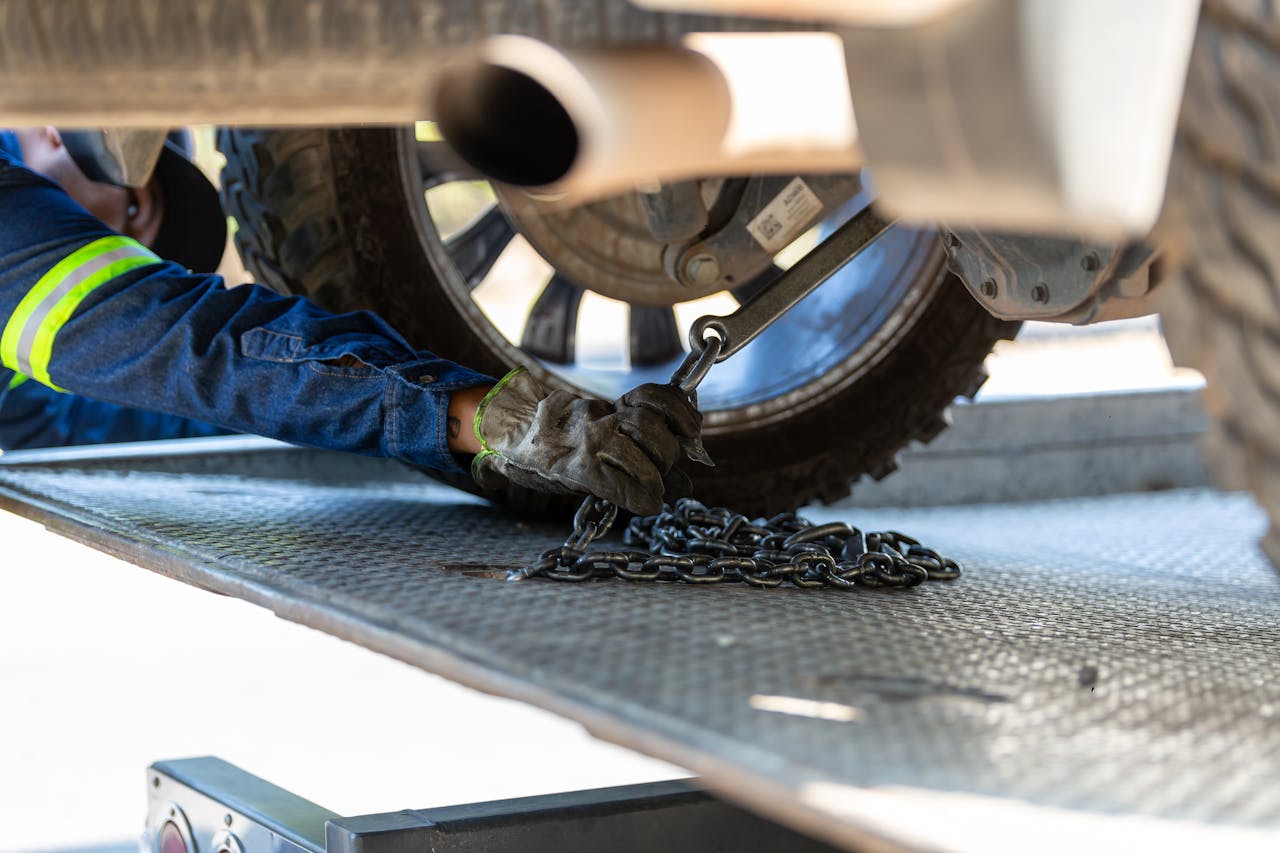
Plan Safer Summer Getaways with Smart Towing Safe towing starts with knowing exactly what your Chevy can handle. When you understand Chevy towing capacity, it is much easier to plan beach days, camping weekends, and road trips without worry on busy New England roads. more In our area, many drivers pull small boats to local launches, haul campers to state parks, or tow a trailer full of gear to visit family. All of that puts extra stress on your truck or SUV. When you tow within the right limits, you protect your family, your vehicle, and whatever you are pulling behind you. Here we will break down what Chevy towing capacity really means, explain the common towing terms, show how different Chevy models fit typical summer plans, and share a simple travel checklist to keep trips safe and smooth. Towing Terms Every Chevy Driver Should Know Towing can feel confusing until you know the basic terms. Once these are clear, the numbers on your Chevy make a lot more sense. Key terms to know: Towing capacity: The maximum weight your Chevy can safely pull behind it Payload: How much weight you can carry in the vehicle itself, including people and cargo Curb weight: How much your vehicle weighs empty with standard equipment and fluids, but no passengers or cargo Gross Vehicle Weight Rating (GVWR): The maximum allowed weight of your loaded vehicle, including passengers, cargo, and tongue weight from the trailer Gross Combined Weight Rating (GCWR): The maximum allowed weight of your loaded vehicle plus your loaded trailer together A simple way to think about it: towing capacity is what you can pull, payload is what you can carry. If you load the SUV with people, coolers, and camping gear, you are using up payload. That extra weight also eats into how much you can safely tow. Other important towing terms: Hitch class: Different hitches are built for different weight ranges. Using the right class hitch is key for safety. Tongue weight: The amount of the trailer’s weight that presses down on the hitch. It is usually a small part of the total trailer weight, but it has a big effect on stability. Trailer brakes: Many heavier trailers have their own brakes, which help your Chevy stop more safely. States in New England can have rules for items like trailer brakes, safety chains, and lighting. Before a summer trip, it is smart to review the rules for Connecticut and any nearby states you plan to visit, so your setup stays safe and legal. How Chevy Towing Capacity Is Determined Not every Chevy of the same model tows the same amount. Towing capacity depends on how the vehicle is built from front to back. Key factors that affect Chevy towing capacity include: Engine choice and transmission Axle ratio and drivetrain (2WD or 4WD) Bed length and cab style on trucks Whether the vehicle has a factory towing or trailering package Small changes can make a big difference. A stronger engine, a different axle ratio, or the right trailering package can raise the towing rating for that specific truck or SUV. What you put in the vehicle also matters. Your real-world safe limit is affected by: Number of passengers Luggage, coolers, and camping gear in the cabin or bed Cargo carriers, bike racks, and rooftop boxes Heavy accessories bolted to the vehicle All of this adds weight, which counts against your payload and GCWR. That is why it is important to go by the official information for your exact Chevy, not just what someone said online. Helpful places to check: Owner’s manual for towing charts and instructions Door jamb sticker for GVWR and other ratings Official Chevrolet trailering information for detailed specs If you are not sure how to read your vehicle’s numbers or build details, a dealership can look at window stickers and build information to explain what your specific Chevy can safely tow. Matching Chevy Models to Your Summer Towing Plans Once you understand towing capacity, you can match the right Chevy to your summer plans around New Haven County and across Connecticut. Here are some common summer towing needs and the types of Chevy models that often fit them: Light-duty towing, like small utility trailers, lawn equipment, or a pair of kayaks on a small trailer, often works well with compact or mid-size SUVs that have rated towing packages. Small pop-up campers, small boats, or a pair of jet skis might be a good fit for larger SUVs or mid-size trucks like the Colorado when properly equipped. Larger travel trailers, bigger boats, toy haulers, or heavier equipment usually call for a full-size truck like a Silverado 1500 or a heavy-duty truck, depending on the weight. When choosing a vehicle, it helps to think about: Distance: Short hauls to a local boat ramp versus long highway trips Terrain: Hills, coastal roads, and stop-and-go traffic Family size: How many seats you need for people versus space for gear Cargo: Bikes, coolers, camping gear, and everything else that comes with summer travel A towing-focused test drive is a good way to feel how a vehicle accelerates, brakes, and handles with the kind of load you plan to tow. A knowledgeable sales or service advisor can walk through your trailer specs and help you match them to specific Chevy configurations. Summer Travel Checklist for Safe Chevy Towing Before you head out for that long weekend, a quick routine helps keep your Chevy and trailer safe and ready. Pre-trip checks: Tires: Inspect tread, sidewalls, and air pressure on both the vehicle and trailer Lug nuts: Make sure wheel nuts are snug and secure Lights: Confirm that brake lights, turn signals, and running lights work on both vehicle and trailer Brakes: Check vehicle brakes, and if your trailer has brakes, make sure they are working properly Hitch: Confirm the hitch is rated for your load and fully locked, with the pin or lock in place Safety chains and breakaway cable: Cross chains under the coupler and attach the breakaway cable as designed Loading the trailer correctly is just as important as the equipment itself. Keep these points in mind: Aim for proper tongue weight so the trailer is not too light on the hitch or too heavy in front Balance the load side to side so weight is even Place heavier items low and near the trailer axle Use quality tie-downs and straps on boats, ATVs, and other gear, and check them at each fuel stop Summer heat and traffic can be hard on your Chevy while towing. Helpful habits include: Checking coolant and transmission fluid levels before the season Watching engine temperature in heavy traffic near beaches and tourist spots Planning fuel stops so you do not have to rush or squeeze into tight stations with a trailer Having your brakes, hitch, wiring, and key fluids looked over by trained technicians before the busy season Get Expert Towing Help from Chevrolet of Milford Chevy towing capacity does not have to be confusing. When you understand the basic terms, know how your specific vehicle is built, and match your plans to the right model, summer trips feel a lot more relaxed and secure. At Chevrolet of Milford, we help drivers across Milford and New Haven County choose and care for Chevy trucks and SUVs that can handle their towing needs. Whether you already own a Chevy or you are thinking about a different model for hauling campers, boats, or trailers, bringing your trailer details, planned routes, and cargo list to a sales or service advisor makes it easier to find a setup you can trust for many summers ahead. Explore Your Ideal Chevy Towing Power Today If you are comparing trucks and SUVs for work or weekend adventures, our detailed Chevy towing capacity information can help you choose the right model with confidence. At Chevrolet of Milford, we walk you through payload, towing packages, and real-world usage so your next vehicle fits your needs. If you have specific questions or want personalized guidance, reach out to us through our contact us page.

Chevy Towing

Decoding Chevy Towing Capacity for Summer Boat and Trailer Trips

Choose the Ideal Chevy for Safe, Summer-Ready Towing Choosing the right Chevy for towing is just as important as choosing the right boat or camper. If your vehicle is not matched to your trailer, you can run into safety problems, stress on the road, and possible damage to your truck or SUV. more When you understand Chevy towing capacity, you protect your family, your gear, and your investment. You also help keep your insurance coverage in good shape, since overloading your vehicle can cause issues if something goes wrong. Around Milford and the nearby shoreline, many drivers pull boats, jet skis, and small campers to Long Island Sound and local lakes, so it pays to be ready before the busy season hits. We help local drivers pick the right Chevy and set it up for towing in a safe and smart way. Let’s break down what towing capacity really means and how to match your boat or trailer to the right vehicle for your trips. What Towing Capacity Really Means for Your Chevy Towing terms can feel confusing at first, but once you know the basics, the numbers on your Chevy start to make sense. Here are key terms you will see on your door sticker and in your owner’s manual: Towing capacity: The maximum weight your Chevy can safely pull when properly equipped Payload: How much weight you can carry in the cab and bed, including people and cargo GVWR (Gross Vehicle Weight Rating): The maximum allowed weight of your loaded Chevy by itself GCWR (Gross Combined Weight Rating): The maximum allowed weight of your loaded Chevy plus your loaded trailer Curb weight: How much your Chevy weighs with standard equipment and fluids, but no passengers or cargo Tongue weight: How much weight the trailer puts on the hitch Chevy towing capacity is not one fixed number for all models. It changes based on things like: Engine size and power Drivetrain (2WD or 4WD) Cab style and bed length Axle ratio Factory towing or trailering packages You might see a big “maximum” towing number in ads or online. That number is usually for a very specific configuration with a light truck, few options, and no passengers or gear. In real life, you will have people, fuel, coolers, tools, and more in the vehicle. All of that weight counts against your ratings and lowers what you can safely tow day to day. Matching Your Boat or Trailer to the Right Chevy Before you choose a Chevy or hook up your trailer, you need to know how much you are really towing. Do not stop at the “dry weight” of the boat or camper. Dry weight does not include fuel, water, batteries, coolers, fishing gear, or the trailer itself. To get a better real-world number, add: Dry weight of the boat or camper Trailer weight Full fuel and water tanks Food, clothing, tools, and toys Any extra gear stored in the trailer That total should be at or under the towing capacity of your Chevy, and your tongue weight should stay within the range listed for your hitch and vehicle. Here are a few common summer setups and general Chevy ideas: Small aluminum fishing boat or a pair of jet skis: Often a good match for a midsize truck like a Chevy Colorado, especially for short pulls to local ramps. Family bowrider or small deck boat: A half-ton truck like a Chevy Silverado 1500 is a strong choice, giving you power for hills and room for family and gear. Larger cabin cruiser, big camper, or heavy toy hauler: You will likely want a Chevy Silverado HD or a full-size SUV like a Chevy Suburban, depending on weight and how you travel. Staying under your Chevy towing capacity is about more than just “can it move?” When you overload your vehicle, braking distances grow, transmissions run hotter, and parts wear out faster. Keeping weight in check helps your truck or SUV handle better on highway trips and on the smaller roads around coastal Connecticut. Chevy Towing Features That Make Summer Trips Easier Modern Chevy trucks and SUVs come with smart towing features that can help you feel more relaxed behind the wheel. Some common systems you may see include: Trailer Sway Control to help keep a trailer more stable if it starts to swing An Integrated Trailer Brake Controller to help control trailer brakes from inside the cabin Tow/Haul mode to adjust shift points for pulling heavy loads Hill Start Assist to help prevent rolling back on ramps and hills Many newer Chevys also offer camera views that make hitching and backing up simpler. Extra views behind the trailer, a hitch view, and guidelines can really help at crowded boat launches and busy marina parking lots. For longer trips, convenience features can make a big difference too. Some models offer in-vehicle trailering apps, checklists to remind you of key steps, and tire pressure monitoring for trailer tires when properly equipped. Tow mirrors and good blind spot coverage help during lane changes on packed summer highways. All these tools work best when you still follow safe driving habits, leave extra space, and stay within the ratings of your Chevy and your trailer. Pre-Trip Checks to Protect Your Chevy and Your Crew Before every tow, even a short one, it is smart to do a quick walk-around check. This can help you catch small issues before they turn into big problems on the road. A simple pre-tow checklist might include: Inspect the hitch, receiver, and coupler for damage or rust Confirm you are using the correct ball size for your trailer Cross and attach safety chains with enough slack for turning Test all trailer lights: brake, turn, and running lights Check that trailer brakes, if equipped, are working properly Weight balance is just as important as total weight. You want the right amount of tongue weight, not too light and not too heavy. Too little weight on the hitch can cause sway, while too much can overload the rear of your vehicle. Keep heavier items like coolers, water, and tools low and near the trailer axle, and do not stack all the gear at the very back. Spread camping supplies, fishing gear, and other items evenly so the trailer tracks straight. Seasonal maintenance helps your Chevy handle towing stress: Brake inspections for pads, rotors, and fluid Checks of engine oil, transmission fluid, and coolant Tire condition and pressure checks on both the vehicle and trailer Alignment checks if your truck or SUV feels like it pulls to one side Having this work done by a team that understands Chevy vehicles can give you extra peace of mind when the weather warms up and trips get longer. Plan Your Next Tow with Chevrolet of Milford When you are planning your next boat or trailer setup, it helps to bring real numbers instead of guesses. Details like trailer weight ratings, boat dry weight, and how you use your camper give us a clear picture of what kind of Chevy fits your needs. At Chevrolet of Milford, we work with local drivers who tow on a regular basis, from quick runs to local ramps to longer trips along the coast. We can help you review Chevy towing capacity, look at different trucks and SUVs, and talk through the towing features that matter most for your trips. Our team can also help you prepare a Chevy you already own, with service focused on the systems that matter most for towing. With the right information, the right vehicle, and the right setup, you can head out for your next boat or trailer trip feeling calm, safe, and ready for a great day on the water. Find the Right Chevy Towing Power for Your Needs If you are comparing models or planning your next haul, we make it easy to understand Chevy towing capacity across the lineup. Our team at Chevrolet of Milford is ready to walk you through real-world towing scenarios so you can choose confidently. Reach out with your questions or schedule a visit by using contact us, and we will help match you with a truck or SUV that fits your towing goals.

Chevy Truck

Summer Road Trip Prep for Used Chevy Trucks in Connecticut

Hit the Road Confidently in Your Used Chevy Truck Summer in Connecticut is perfect for getting out on the road. From quick runs to the shoreline to long weekends in the Berkshires or up through New England, a good truck turns travel into something you actually look forward to. A used Chevy truck gives you space, strength, and comfort, all in one package. more When that truck is prepped the right way, it can handle beach gear, tow a camper, or pull a boat without breaking a sweat. It can also deal with the region’s mix of hot, humid days, sudden storms, and rougher back roads away from the main highways. The key is making sure everything is checked before you load up the family and hit I-95 or the Merritt. Chevrolet of Milford works with drivers who want their used Chevy trucks ready for summer fun, long hauls, and daily life in between. With the right inspections and a bit of planning, you can roll into vacation season feeling relaxed and ready, instead of worried about what might go wrong. Pre-Trip Inspection for Connecticut Highways Before a long summer drive, safety comes first. Connecticut highways can mean quick lane changes, tight traffic, and lots of stop-and-go. Your used Chevy truck should feel steady and sure every time you touch the brakes or the steering wheel. Have a professional check the core systems that keep you in control, especially at highway speeds: Brakes: pads, rotors, and brake lines for smooth, straight stops Tires: tread depth, sidewalls, and air pressure for grip and comfort Suspension: shocks and struts for a stable ride over potholes and rough spots Steering: tie rods and other parts for precise, confident steering feel Summer heat also puts extra strain on your truck’s fluids. A quick top-off in the driveway is not enough for a long trip. A proper inspection should include: Engine oil, for lubrication on long highway runs Coolant, to keep temperatures in check on hot days and in traffic Transmission fluid, for clean shifts while towing or hauling Brake fluid, so the pedal stays firm even under hard use Power steering fluid, to keep steering smooth in tight parking lots Having these items checked by a trained Chevy service team before you get stuck in heavy I-95 or Merritt Parkway traffic lowers the chance of sudden issues on the road. Comfort and Performance in Summer Heat A truck can be strong and still feel uncomfortable if the cabin is hot and stuffy. When the temperature and humidity rise, your HVAC system becomes just as important as your engine. Have the AC system tested to make sure it cools quickly and evenly. If it is taking a long time to feel cold, that may be a sign it needs service. A fresh cabin air filter helps keep airflow strong and removes dust and pollen, which is especially helpful with Connecticut allergies. It is also smart to confirm the front and rear defoggers work well, since humid days can fog up glass without warning. Heat also makes your battery and charging system work harder, especially in older used Chevy trucks. Before a big trip, it helps to get: A battery health check and inspection of the terminals An alternator and charging system test A look at belts and visible wiring for signs of wear Good performance is not just about power. It is also about using fuel wisely on long drives. To help keep fuel economy in a good range, make sure: Tires are inflated to the recommended pressure Alignment is checked so the truck tracks straight Tune-ups and any needed software updates are kept current Smart Packing and Towing for Weekend Adventures One of the best parts of a used Chevy truck is what you can bring with you. The bed, cabin, and towing strength give you options, from beach chairs and coolers to campers and boats. Packing the right way helps keep your trip safe and stress-free. When loading the bed and cabin, keep these basics in mind: Know your truck’s payload rating and stay within it Place heavier items low and toward the front of the bed Use tie-downs and straps to keep cargo from sliding or tipping Do not stack items so high that they block mirrors or rear windows If you plan to tow, it is important to match your trailer or camper to your truck, not the other way around. Key towing points include: Understanding your truck’s tow rating and tongue weight limits Using the right class of hitch and ball size Making sure trailer lights, turn signals, and brake lights all work Having a trailer brake controller set correctly when required For many Connecticut drivers, that might mean towing a boat down to the shoreline, a camper to a state park, or a trailer full of bikes and kayaks to the woods. With the load set up correctly, your truck’s drivetrain, engine, and brakes are less likely to get overheated or overstressed, even on hills and in traffic. Road Trip Tech and Safety Upgrades for Used Chevy Trucks Many late model used Chevy trucks come with smart tech that makes summer trips easier and safer. It is worth learning what your truck already has and making sure it all works the way it should. Helpful built-in features can include: Backup cameras to make parking and hitching trailers simpler Lane assist systems to help you stay within the lines on long drives Trailer sway control to help keep things steady when towing in crosswinds Little upgrades can also make a difference in comfort and convenience. Popular accessories for road trips include: All-weather floor liners for sand, dirt, and mud Bed liners and covers to protect the bed and shield your gear Cargo management systems to keep items from rolling around For longer drives, it is also smart to check your connectivity: Bluetooth pairing for hands-free calls Apple CarPlay or Android Auto for maps and music Working USB and power outlets so phones and tablets stay charged Make Your Summer Count With a Chevy Truck From Milford Getting a used Chevy truck ready for summer comes down to a simple idea: take care of the details before you pull onto the highway. With solid inspections, comfort checks, smart packing, and working tech, even a long drive through Connecticut traffic can feel calm and enjoyable. Chevrolet of Milford understands what local roads, weather, and travel plans can mean for a truck. Whether you already have a trusted pickup that needs a pre-trip check, or you are starting to look for a used Chevy truck for sale that can handle towing and weekend adventures, careful prep today can help every summer road trip feel safer, smoother, and more enjoyable for everyone in the cab. Find Your Ideal Used Chevy Truck With Confidence Explore our carefully inspected inventory to discover the perfect used Chevy truck for sale that fits your work, family, or weekend needs. At Chevrolet of Milford, we take the time to understand what you are looking for so we can match you with the right truck and budget. If you have questions about availability, financing, or trade-ins, simply contact us and we will help you move forward with confidence.

Chevrolet Maintenance

Spring Guide to Chevrolet Maintenance Schedules in Connecticut

Get Your Chevy Spring-Ready for Connecticut Roads Spring is the perfect time to give your Chevy a fresh start after months of cold, slush, and road salt. Winter driving in Connecticut can be hard on brakes, tires, and suspension, even when you stay on top of basic care. A simple spring check, guided by your Chevrolet maintenance schedule, can help you catch problems before they turn into bigger repairs. more When temperatures swing from freezing to warm, roads crack, potholes grow, and salt sticks to metal parts under your vehicle. All of this can affect the way your Chevy steers, stops, and rides. As a local dealership in Milford, we see what Connecticut roads do to vehicles every year, and we know how helpful a factory-recommended inspection can be once the snow and ice are gone. Understanding Your Chevrolet Maintenance Schedule Your Chevrolet maintenance schedule is your roadmap for keeping your vehicle running smoothly. It is based on both mileage and time, because parts and fluids wear out in different ways. Some services come up at set mileage points, like 7,500, 15,000, or 30,000 miles, while others matter even if you do not drive a lot. Here is the basic difference: Mileage-based items: oil and filter changes, tire rotations, certain inspections Time-based items: brake fluid condition, coolant age, cabin air filter freshness Even if you only put a few thousand miles on your Chevy each year, fluids can break down, rubber parts can age, and filters can clog. That is why following the official schedule is so important. It supports your warranty coverage and helps keep your engine, transmission, and other systems working the way they were designed. Spring is a good moment to pull out your owner’s manual and see what services you might be due for. If your driving includes a lot of short trips, stop-and-go traffic, or rough roads, you may need some services a bit sooner. Our service team can help you match the general schedule to the way you actually drive in Connecticut. Post-Winter Essentials for Connecticut Chevy Drivers Once the snow piles start shrinking, it is time to see what winter left behind. The bottom of your vehicle takes a beating from slush, salt, and sand. A careful underbody inspection can spot rust starting on metal parts, lines, or brackets before it spreads. A smart post-winter check often includes: Underbody rust and corrosion inspection Brake pad and rotor check for wear and salt buildup Suspension and steering inspection after pothole hits Exhaust system check for loose hangers or leaks Tires also deserve special attention in spring. Cold weather, deep puddles, and rough roads can speed up wear, even if the tread still looks decent at a glance. It helps to: Measure tread depth to confirm there is enough grip Inspect sidewalls for bubbles, cuts, or cracks Rotate tires to even out wear from winter driving Switch from winter tires back to all-season tires if you used separate sets Fluids work hard in winter too. Thick, dirty oil, weak coolant, or low brake fluid can affect performance when temperatures warm up. A spring fluid check should include checking: Engine oil condition and level Coolant strength and level Brake fluid level and appearance Windshield washer fluid, so you are ready for pollen, bugs, and spring rain Spring Service Checklist for Popular Chevy Models While every Chevrolet model has its own maintenance schedule, many spring services are similar across SUVs, trucks, and sedans. Think of it as a reset after months of winter stress. A spring checklist often includes: Oil and filter change based on mileage or time Tire rotation and pressure adjustment Brake inspection front and rear Battery test, especially if it cranked slowly in the cold Inspection of belts and hoses for cracks or wear Replacement of engine air filter and cabin air filter if needed For a Chevy Silverado that has handled heavy hauling or plowed through slush, spring is a smart time to check suspension parts, steering components, and the condition of larger truck tires. A Chevy Equinox or Traverse that carried the family through snow and ice may need extra attention to brakes, alignment, and cabin air filters. A Chevy Malibu that commuted on salted highways can benefit from an underbody check, fresh oil, and a careful look at tire wear patterns. At Chevrolet of Milford, our technicians follow the model-specific Chevrolet maintenance schedule, so they know what to look for on each vehicle. Catching a small fluid seep, a worn belt, or a tire wear issue in spring can help you avoid inconvenient surprises later in the year. Maximize Fuel Economy Before Summer Road Trips Spring maintenance is not only about safety and reliability. It also sets your Chevy up for better fuel economy when you start planning summer road trips and weekend drives along the shoreline. A well-maintained engine does not have to work as hard, which can help you use less fuel. A few simple steps can make a real difference in miles per gallon: Keep tire pressure at the recommended level Replace a dirty engine air filter so the engine can breathe Make sure wheel alignment is on target after winter potholes Change engine oil at the right interval with the correct type When your Chevy is in line with the factory maintenance schedule, many of these items get handled automatically at the proper time. That means less drag from misaligned wheels, fewer energy losses from worn parts, and smoother power from your engine. Over time, staying on schedule can lower both fuel use and the chance of major repairs. Make Spring Maintenance Easy with Chevrolet of Milford Spring is a natural checkpoint for your Chevrolet maintenance schedule, especially with the type of winters we see in Connecticut. A focused seasonal visit lets you address winter wear, get ready for spring rain and summer heat, and reset your maintenance to match your current mileage and driving habits. At Chevrolet of Milford, our certified service department offers multipoint inspections, genuine GM parts, and a team that works with Chevrolet vehicles every day. We aim to make service as simple as possible, with helpful service specials and a comfortable waiting area so your visit fits smoothly into your schedule. By pairing your regular maintenance intervals with the rhythm of our local seasons, you can keep your Chevy ready for whatever Connecticut roads bring next. Keep Your Chevy Running Its Best With Expert Care Staying on top of your Chevrolet maintenance schedule helps your vehicle perform reliably mile after mile, and we are here to make that easy. At Chevrolet of Milford, our certified technicians use the right parts, tools, and diagnostic equipment for your specific model. Schedule your next service appointment today or contact us with any questions about recommended maintenance for your vehicle.

Chevy

Deciding Between Chevy Lease Return and Trade-in Options

Make Your Chevy Lease Return Work to Your Advantage When your Chevy lease is almost up, it can feel like you have to make a big decision fast. Do you simply return the vehicle and walk away, or do you turn it into a trade-in and move into another Chevy? Both paths can work well, but one may fit your life and budget better right now. more We talk to many drivers around Milford and New Haven who are unsure which way to go at the end of a lease. In this guide, we will walk through what really happens at lease end, how a straight Chevy lease return works, how a trade-in from a lease works, and how to compare the numbers in a simple way. Spring can be an ideal time to sort this out, especially if you are thinking about new model incentives, tax refund money, or getting ready for summer travel. What Happens at the End of Your Chevy Lease As your lease term gets close to the final months, a few key steps usually come up. Knowing what to expect helps you feel more in control and less rushed. Here are the common lease-end milestones: Mileage review, so you know how your actual miles compare to the amount allowed in your contract Wear-and-tear inspection, where someone checks for damage beyond normal daily use Review of any remaining payments or fees A turn-in appointment if you decide on a simple Chevy lease return Many drivers worry about surprise charges, but a lot of the stress comes from myths, such as: Thinking every scratch will be billed, when most light marks from normal driving are usually fine Assuming you will always pay a large fee if you go over miles, even if you are only slightly above Believing you must repair every tiny ding on your own, without first checking what is considered acceptable Normal wear is what happens through everyday use, like small stone chips or light seat creases. Excessive wear is more along the lines of large dents, deep interior stains, or broken parts. The exact rules come from your lease contract, so it is smart to look at it ahead of time. We always suggest reaching out about 60 to 90 days before your lease ends. That early window gives time to: Review your lease terms together Plan for any inspection or pre-inspection Talk through whether return, trade-in, or another option might fit you best Waiting until the final week often adds stress that can be avoided with a little lead time. Choosing a Straight Chevy Lease Return A simple Chevy lease return can be the right choice in several life moments. Maybe you want a break from monthly payments. Maybe you are downsizing to fewer vehicles in your household. Or you might be moving out of the area and prefer a clean break. Some benefits of a straight return include: Easy process, especially if you are happy to hand over the keys and be done No need to negotiate a sale price for your current vehicle A fresh start with no long-term commitment if you are unsure what you want next Possible access to loyalty-style offers on a new Chevy lease, depending on current programs There are also a few things to keep in mind: Your contract might include a disposition fee when you return the vehicle Extra mileage or damage that counts as excessive wear could lead to charges Waiting until the last moment may limit your options to reduce those costs We can often help you lower out-of-pocket costs by looking at your vehicle ahead of time. If we spot something that could count against you, you may have the chance to repair it first or discuss other options. The earlier we see the vehicle, the more choices you usually have. Turning Your Leased Chevy Into a Trade-In Trading in a leased Chevy works a little differently than returning it, but it can be very straightforward. Instead of just dropping the vehicle off, you are using it as a step into your next ride. Here is how trading in a leased Chevy typically works: We look up your current payoff amount, which is what it takes to buy out the lease We appraise your vehicle to find its current market value If the vehicle is worth more than the payoff, that difference is your equity Any equity can be applied toward your next Chevy, whether you choose to lease again or finance a purchase Some advantages of turning your lease into a trade-in are: You may have equity if your vehicle has low miles or the used market is strong The transition from your current Chevy into your next one is usually simple You can upgrade into a newer model in time for road trips, vacations, or growing family needs It gives you an easy way to switch from leasing to owning if that now fits your plans better Trade-in can be especially attractive if: You drove fewer miles than your contract allowed You kept the vehicle in very good condition You are ready to move into a longer-term vehicle with financing instead of another lease Even if you do not expect equity, it is still worth having the numbers reviewed. Sometimes the market value of well-kept Chevys surprises people. How to Compare Your Lease Return and Trade-in Numbers To see which path is better for you, it helps to put everything on paper. You do not need to be a finance expert, just gather a few key pieces. Important figures to know: Residual value, the amount listed in your lease contract as the expected value at the end of the term Current payoff amount, what it takes to buy out the lease today Estimated market value, what your Chevy is worth based on its condition and mileage Any fees that may apply in Connecticut, including possible disposition or registration-related costs A simple checklist to get started: 1. Find your lease contract and note your allowed miles and residual value 2. Look at your current mileage and check how far above or below you are 3. Have your Chevy appraised so you have a real market value, not just a guess 4. Ask for your current payoff amount from the lease company 5. Compare: market value plus any incentives, versus payoff plus any fees for return From there, it helps to have someone walk through different scenarios with you. Our team can: Show what your monthly payment might look like if you trade in and lease again Estimate payments if you trade in and finance a purchase Compare that to simply returning the vehicle, paying any lease-end costs, and waiting before your next Chevy The goal is for you to see clearly how each option fits your desired payment range, your comfort level with a down payment, and how many miles you expect to drive in your next vehicle. Next Steps to Maximize Your Lease-End Options This Spring As spring moves along and vehicles start filling up the lot for drivers getting ready for summer, lease-end appointments can get busy. Planning a bit early helps you line up the timing that works best with your schedule, your budget, and your travel plans. At Chevrolet of Milford, we are here to walk you through every part of your Chevy lease return or trade-in decision. Whether you want a simple turn-in, hope to unlock some equity, or are switching from leasing to owning, we can break everything down in everyday language and help you feel confident in your next step. Simplify Your Lease Return And Explore Your Next Chevy Today Whether your lease is ending soon or you are just starting to plan ahead, we are here to make the process straightforward and stress-free. Explore your Chevy lease return options with Chevrolet of Milford and see what fits your needs best. Our team can answer your questions, walk you through your choices, and help you transition into your next vehicle when you are ready. If you would like personalized guidance, feel free to contact us today.

Chevy

Exploring Chevy Performance Cars for Weekend Drives in Connecticut

Discover the Thrill of Chevy Performance in Connecticut Chevy performance cars make weekend drives feel special, even if you are only heading a few towns over. With strong power, sharp handling, and everyday comfort, they fit right into life here in Connecticut. You can run errands during the week, then enjoy a fun back‑road cruise when the weekend comes. more Spring and summer are great times to roll the windows down and explore our shoreline, small towns, and winding back roads. From coastal cruises to a relaxed ride through the hills, Chevy performance cars bring extra excitement to roads you already know well. Our team enjoys helping drivers find a car that feels just as good on the daily commute as it does on a sunny Sunday drive. Why Chevy Performance Cars Shine on Connecticut Roads Connecticut roads give performance cars a real workout in the best way. We have tight on‑ramps, rolling hills, and highway stretches that reward a car with quick power and confident handling. Chevy performance cars are built for that kind of driving, with responsive steering and strong acceleration that make every mile feel more connected. On weekend drives, that translates into real benefits, like: Confident passing on hilly two‑lane roads Stable, relaxed cruising on longer highway runs Predictable handling when the road twists and turns Comfortable ride quality even on rougher pavement Modern Chevy performance models also bring helpful tech into the mix. Driver‑assistance systems can help with lane keeping and following distance, which is a big plus when traffic near the shoreline gets busy. Performance traction control can help keep power under control when the weather changes. Connected navigation makes it easier to try a new route without worrying about getting lost in an unfamiliar town. All of this adds up to a car that feels ready when the road opens up, but still calm and easy to live with when you are stuck behind a slow truck on a local two‑lane. Iconic Chevy Performance Models Built for Weekend Escapes When many people think of Chevy performance, the Camaro is the first car that comes to mind. It is an American sports coupe with bold styling and a driver‑focused cockpit. With strong engine options and selectable driving modes, the Camaro can feel relaxed on I‑95 during the week and then come alive when you turn onto Route 1 or a twisty back road. For drivers who want an even more focused sports car, the Corvette takes things up a level. Its low center of gravity, precision engineering, and track‑inspired features give it a planted, confidence‑inspiring feel on winding routes. Whether you are cruising to a favorite coastal restaurant or heading inland toward more open roads, the Corvette feels tuned for balance and control. At Chevrolet of Milford, we see a lot of interest in tailoring these cars to match how people really drive. Shoppers often look at: Available performance packages for sharper handling Upgraded braking systems for stronger stopping power Performance exhaust options to bring out a deeper engine sound Wheel and tire setups that balance grip with ride comfort These choices let you shape your performance car so it feels just right on the routes you love to drive most. Practical Comforts That Make Fun Drives Even Better A good weekend car should feel great from the driver’s seat, not just from the outside. Chevy performance models pay a lot of attention to the cabin, so longer drives stay comfortable. Supportive sport seats help keep you relaxed and steady through turns, and features like dual‑zone climate control help everyone stay happy no matter how the weather changes during the day. Music matters on a scenic drive too. Premium audio systems can make a playlist sound rich and clear as you roll along the Merritt Parkway or Route 15. Easy‑to‑reach controls keep your focus on the road instead of on the screen. Practical touches also matter when you are packing for the day. Depending on the model and trim, you may find: Split‑folding rear seats for extra storage space Clever trunk layouts that handle weekend bags or beach gear Small storage spots in the cabin for phones, sunglasses, and snacks Connectivity features bring it all together. Wireless Apple CarPlay and Android Auto help you bring your maps and music along without extra cords. A built‑in Wi‑Fi hotspot can keep passengers entertained, and an intuitive infotainment system makes it simple to swap between directions, music, and vehicle settings. Planning Spring and Summer Drives Across Connecticut Connecticut offers many easy day trips that feel made for performance cars. From Milford, it is simple to follow the shoreline through small coastal towns, stopping where the view catches your eye. State parks offer quiet roads, walking paths, and places to relax for a bit before heading home. Some fun ideas for themed weekend drives include: Coastal sunset cruises along the water Hill country drives to enjoy changing scenery and cooler air Coffee‑and‑cars mornings, where you and a few friends meet up to compare rides Small‑town loops focused on local diners, bakeries, or farm stands A little planning keeps these drives relaxed. Check the weather so you know what to expect as the day goes on. Look at traffic patterns when you can, especially around busy interchanges. Use your Chevy’s navigation tools to find alternate routes if a main road backs up, and plan a few fuel and rest stops so you can stretch, grab a snack, and enjoy the view. Service and Upkeep to Keep Performance Weekends Rolling When you enjoy spirited drives, caring for your car becomes even more important. Regular oil changes help keep the engine happy, tire rotations promote even wear and stable handling, and brake inspections give peace of mind when you need to slow quickly. A proper alignment also helps the car track straight and feel solid through curves. The certified service team at Chevrolet of Milford works with Chevy performance cars every day. We understand how tires, fluids, and maintenance choices affect both weekday commuting and more enthusiastic weekend use. Our goal is to keep your car feeling sharp, safe, and ready whenever the sun comes out and the open road calls. Seasonal care matters in Connecticut, especially as we move from winter into warmer months. It is a good idea to: Check performance tires for wear after colder weather Inspect brakes if roads have been rough or salty Make sure the AC system is ready for hot, humid days Confirm that coolant levels and the cooling system are in good shape With the right mix of performance, comfort, planning, and care, Chevy performance cars can turn everyday roads into something you look forward to driving, again and again. Experience Track-Ready Performance On Your Daily Drive If you are ready to feel what true power and precision are like on the road, explore our lineup of Chevy performance cars at Chevrolet of Milford. Our team will walk you through performance specs, features, and financing options so you can choose the right model with confidence. Have questions or want to schedule a test drive? Just contact us and we will help you take the next step.

Chevy

Choosing Chevy Performance Cars for Summer Coastal Drives

Make Your Summer Coastal Drives Unforgettable Choosing the right car can turn a simple ride along the water into the best part of your day. Warm afternoons, open windows, and long views of the Connecticut shoreline feel different when you are in a car that responds quickly, feels planted on the road, and lets you relax behind the wheel. more From April to September, many drivers enjoy the stretch from Milford to New Haven, with quiet side roads, bridges, and sunset views over the Sound. With the right Chevy performance car, those everyday trips to work, the beach, or dinner can feel smoother, more confident, and a lot more fun. Our goal is to help you understand which Chevy performance cars fit that kind of driving and what to look for before you hit the coastal roads. Why Chevy Performance Cars Shine on Coastal Roads Coastal roads ask a lot from a car. One minute you are cruising at highway speeds, the next you are in tight traffic near the beach with sudden stops and slow turns. Chevy performance cars are built to handle that mix of driving with a blend of strong power, sharp control, and everyday comfort. Key performance traits that help on seaside routes include: Responsive steering that makes lane changes and curves feel natural Sport-tuned suspensions that help the car stay stable on uneven pavement Available turbocharged or V8 engines for quick merges and confident passing Strong braking systems that give steady stopping power in heavier traffic At the same time, these cars are not only about speed. Many Chevy performance models still offer: Useful trunk space for chairs, coolers, and beach bags Rear seats in certain models for friends or family Fuel-conscious engine options that work for daily commuting That balance is what makes Chevy performance cars so well suited for the mix of I-95 stretches, shoreline backroads, and downtown New Haven streets. You get the fun and feedback of a sportier car without giving up the comfort you want on longer drives. Top Chevy Performance Picks for Connecticut Summers When most people think of Chevy performance cars, two names usually come to mind first: Camaro and Corvette. Both deliver strong acceleration and tight handling that feel great on an open on-ramp or a twisty shoreline road. Here is how a few popular choices can fit different kinds of drivers and routes: Camaro: A classic performance coupe with sharp steering and a low, planted feel. Great for solo drivers or couples who want an exciting ride on I-95 and along shoreline parkways. Corvette: A true sports car that makes every drive feel special. Its power and grip shine on clear roads, and it offers a strong sense of control that inspires confidence during quick passes. Performance-minded sedans and SUVs: Sportier trims of Chevy sedans and SUVs can give you stronger acceleration, firmer suspensions, and more responsive handling, while still offering four doors, rear seats, and extra cargo room. For everyday life around Milford and New Haven, that can mean: Stable highway cruising in windy conditions along the coast Confident passing power on two-lane stretches when traffic opens up Composed handling over patched pavement, bridge joints, and city streets Different models fit different lifestyles. A lower, two-door car might be perfect if you mostly drive alone or with one passenger and love a more focused driving feel. If you are bringing kids, friends, or a lot of gear, a sportier sedan or SUV trim can give you the same spirit with more room and flexibility. Features That Make Coastal Cruising More Enjoyable Performance is just one part of the story. Comfort and tech features can turn a warm-weather drive into something you look forward to every time you start the engine. Comfort features that work especially well near the shoreline include: Ventilated or heated seats to stay comfortable in changing temperatures Dual-zone climate control so driver and passenger can each pick a setting Panoramic sunroofs or open-air options where available for fresh sea air On busy shoreline roads, smart tech and safety tools matter just as much as speed. Many newer Chevy models offer: Adaptive cruise control to help with steady spacing on I-95 Lane-keeping features to give gentle support on longer drives Blind spot monitoring for lane changes in heavy traffic Rear-view and available surround-view cameras to assist with tight beach parking For entertainment and day-to-day convenience, drivers tend to enjoy: Advanced infotainment systems with clear touchscreens Wireless smartphone integration for easy maps and music Premium sound systems that keep your playlist clear even with windows down Together, these features help reduce stress when roads get crowded, make it easier to find your way to new beaches or restaurants, and keep every passenger more relaxed along the way. Preparing Your Chevy for Peak Summer Performance Even the best performance car needs some care before long stretches of warm-weather driving. Getting your Chevy checked before summer trips helps it stay smooth, safe, and ready for anything the shoreline throws at it. Key service checks for peak summer performance include: Tires: Inspect tread depth and look for signs of uneven wear, since wet roads and sudden stops are common near the coast. Brakes: Make sure pads, rotors, and brake fluid are in good shape so the car can stop quickly and smoothly in heavier traffic. Fluids: Check engine oil, coolant, brake fluid, and windshield washer fluid so the car runs cool and clear. AC system: Test your AC to confirm it cools quickly and runs consistently on hot, humid days. At a professional service center, technicians can also look at: Alignment, to help the car track straight and keep steering feel sharp Suspension components, to maintain the stable handling that performance drivers appreciate Options for summer or performance tires, which can improve grip and response in warm weather Regular seasonal service is one of the best ways to protect your performance car and enjoy smooth, worry-free drives all summer. Visit Chevrolet of Milford to Plan Your Best Summer Yet When you are ready to choose between different Chevy performance cars, nothing compares to sitting in the driver’s seat and feeling how each model behaves on the road. Test drives on local streets around the Milford shoreline can show you how steering, acceleration, and comfort levels differ from one car to another. Our team at Chevrolet of Milford can walk you through trim levels, performance features, and available tech so you can match a car to your lifestyle, whether you take solo evening drives along the water or load up the family for weekend beach days. We can also help you plan timing for a purchase or lease before summer gets busy, and our service department can get your current Chevy ready for longer coastal trips with the right inspections and maintenance. Experience Track-Ready Power On Your Next Test Drive If you are ready to feel what true performance engineering can do, explore our lineup of Chevy performance cars and see which model fits your driving style. At Chevrolet of Milford, we will walk you through features, performance packages, and financing options so you can make a confident decision. Reach out today to schedule a test drive or ask questions about specific trims, or simply contact us to get personalized help from our team.

Chevy

Understanding Chevy Towing Capacity for Connecticut Weekends

Make Every Connecticut Weekend Adventure-Ready Chevy towing capacity matters every time you hook up a trailer, even for a quick Saturday run. If you plan on heading to places like Silver Sands State Park, Devil’s Hopyard, or to a boat launch on Long Island Sound, the right towing setup can turn a simple drive into a smooth, stress-free trip. more Towing capacity is the maximum weight your Chevy can safely pull. It affects how your truck or SUV accelerates, steers, and stops. When you understand how it works, you can protect your vehicle, keep your family safe, and enjoy more weekend options all over Connecticut. In this guide, we walk through what Chevy towing capacity really means in plain language. We will talk about matching different Chevy models to your lifestyle, how to do basic weight math, and how to get ready for spring and summer roads, so you can tow with confidence. What Towing Capacity Really Means for Your Chevy Let’s start with a few simple terms you will see when you talk about towing capacity: Towing capacity: The most your Chevy is rated to pull behind it Payload: The weight inside the vehicle, like passengers, tools, coolers, and the tongue weight from the trailer GVWR (gross vehicle weight rating): The maximum safe weight of your loaded vehicle by itself GCWR (gross combined weight rating): The maximum safe weight of the loaded vehicle plus loaded trailer together Tongue weight: The downward force the trailer puts on the hitch Curb weight: What your Chevy weighs with standard equipment and a full tank of fuel, but no people or cargo Chevy towing capacity is not just about how strong the engine feels. The rating comes from how the whole vehicle is built, including the engine, transmission, frame, suspension, axles, and braking system. All of those parts work together when you pull a trailer. If you go over any of the ratings, bad things can happen. You may notice: Longer stopping distances The trailer pushing the vehicle in turns or on downhill grades Extra heat and strain on the transmission Less control in emergency moves Overloading can also raise your risk in an accident and may create problems if a claim is reviewed after a crash. Staying within the listed numbers is a smart way to protect yourself and your investment. Matching Your Chevy to Your Connecticut Lifestyle Different weekend plans call for different Chevy models and towing setups. The right match depends on what you are pulling and where you are going. For light to moderate towing, like: A small aluminum boat or a couple of jet skis to the shoreline A small pop-up camper to a state park A light utility trailer for yard projects A midsize truck like the Chevy Colorado or an SUV with a towing package can be a good fit. These setups keep things easy to park in Milford or New Haven, but still let you tow what you need. If you are thinking bigger, such as: A larger camper for trips across Connecticut A heavier boat headed to a ramp on Long Island Sound A loaded utility trailer with building supplies A full-size truck like the Chevy Silverado 1500 is often the better choice. It is built for stronger towing capacity, better stability, and stronger rear suspension options. For family trips where you carry both people and gear, full-size SUVs like the Chevrolet Tahoe or Chevrolet Suburban can make sense. They blend passenger comfort with towing strength, so you can bring a boat or small camper while still seating everyone. Connecticut roads add to the picture too. Heading from Milford up to Lake Zoar, Candlewood Lake, or inland campgrounds brings hills, curves, and tight ramps. Having extra towing capacity, not just the bare minimum, helps your Chevy feel steady and confident on those routes. How to Calculate Your Real-World Towing Needs Before you pick a vehicle or hitch up a trailer, it helps to know the real weight you plan to tow. Start with the trailer’s empty weight, then add what you put inside it. Common items people forget to count include: Full water tanks and fuel Coolers packed with ice, food, and drinks Bikes, kayaks, and sports gear Camping chairs, grills, and firewood Tools, spare parts, and extra cords or hoses All of that adds up fast. Look at the trailer’s weight label and owner’s information, then add in your best estimate of gear weight. It is better to round up than to guess low. Next, look at your Chevy’s stickers and books: The driver’s door jamb sticker lists GVWR and sometimes payload The owner’s manual explains ratings for your specific engine and drivetrain Many Chevy trucks and SUVs include a trailering information label that shows towing capacity, tongue weight limits, and tire details for that exact vehicle We like to follow the 80 to 85 percent rule of thumb. That means if your Chevy has a certain maximum towing capacity, you aim to stay below that number with your loaded trailer, often around four-fifths of the maximum. This gives you a safety buffer for: Steep climbs on Route 15 Stop-and-go traffic on I-95 Wet roads, wind, and rough pavement Leaving some extra room keeps towing less stressful and easier on your vehicle. Spring and Summer Towing Prep for New England Roads Once you know you are within your Chevy towing capacity, it is time to think about prep. A short pre-trip check can help you catch small problems before they turn into lost weekends. Before you pull out of the driveway, look over: Tire pressures on both vehicle and trailer, plus the spare All trailer lights, including brake lights and turn signals Trailer brakes, if the trailer is equipped with them Hitch ball and coupler, making sure they match and latch firmly Safety chains crossed under the tongue and clipped properly Breakaway cable attached to the tow vehicle, not the chain or hitch ball In New England, winter leaves its mark. Salt and moisture can lead to rust on frames, hitches, brake components, and wiring. As spring arrives and you start planning more weekend trips, have a professional look at: Brake condition and fluid Cooling system and transmission health Suspension and steering parts Wiring connectors and ground points Safe towing also depends on how you drive. On I-95, Route 15, and local Connecticut roads, give yourself more space than usual. Leave extra following distance, avoid sudden lane changes, and keep your speed moderate. Plan fuel and rest stops where you have room to pull in and out with a trailer, not tight city stations or cramped lots. Visit Chevrolet of Milford to Tow with Confidence Chevy towing capacity does not have to be confusing. When you match the right truck or SUV to your weekend plans, understand your weight limits, and give your vehicle some basic care, towing can feel calm and easy. Our team at Chevrolet of Milford helps drivers across New Haven County sort out towing questions every day. From exploring different Chevy trucks and SUVs side by side, to reviewing factory trailering options, to setting up hitches and towing accessories in our service center, we are here to support your Connecticut adventures so you can focus on where you are going, not worrying about what is behind you. Unlock Your Ideal Chevy Towing Power With Confidence Explore detailed specs for every model’s Chevy towing capacity so you can match the right truck or SUV to your work, family, or adventure needs. At Chevrolet of Milford, we walk you through the numbers in plain language so you know exactly what your vehicle can handle. If you have questions or want personalized guidance, contact us and we will help you choose a Chevy that tows safely and confidently.

Chevrolet SUV

Scheduling a Chevy Test Drive to Compare SUVs in One Visit

Test-Drive More, Guess Less: Compare Chevy SUVs in One Visit Planning a new SUV and trying to decide among a few Chevy models can feel like a lot. You want something that fits your family, your commute, and your weekend plans, without spending weeks going back and forth. A smart Chevy test drive plan lets you compare different SUVs in one visit so you can feel the differences for yourself and move on with confidence. more Spring in Connecticut often brings more driving. Road trips, graduations, kids’ sports, and beach days along the shoreline all mean more time in your vehicle. Lining up a bundle of test drives, instead of random visits, helps you make a clear decision on the right Chevy SUV for your next season on the road. Why One Trip Is the Smart Way to Shop Chevy SUVs Many drivers in Milford, New Haven, and across Fairfield County are busy. Between work, school runs, and errands, it can be hard to come back to the dealership again and again. Planning one focused visit for a Chevy test drive bundle saves time and keeps the whole process simple. When you drive several SUVs back to back, the details stay fresh. You can better feel how models like the Trax, Equinox, Blazer, Trailblazer, Traverse, and Tahoe compare when you go from one right into the next. Waiting days between test drives makes it hard to remember which steering felt lighter, which seat was softer, or which cabin felt quieter. A single, well-planned visit also lets you think about: Spring and summer trips Beach runs along the Connecticut shoreline Graduation parties and family events Daily commuting in changing New England weather You can check space, comfort, and fuel use now, before the busy season hits, instead of guessing later. Planning Your Chevy Test Drive Visit Like a Pro A little prep before your visit makes a big difference. Start by writing down what you really need from your next SUV so you are not distracted by things that do not matter to you. Helpful things to list include: Seating needs and third row wants Cargo space for strollers, sports gear, or work supplies All wheel drive needs for winter and hilly roads Towing needs for small trailers or equipment Tech features you care about, like smartphone connection or driver aids A budget range that feels comfortable Once you have your list, you can reach out to request a Chevy test drive plan that includes two or three SUVs that match your needs. It helps to mention trims you are curious about and if you need all wheel drive or other key features. For timing, many shoppers prefer: Weekday afternoons, when things are usually calmer Early evenings, so you can see how the lights and screens feel after dark Saturday mornings, before weekend errands pile up In spring, it can also be helpful to pay attention to the weather. A mix of dry and wet roads gives you a more realistic feel for how the SUV will handle real Connecticut driving. What to Compare When You Drive Multiple Chevy SUVs When you are driving several vehicles in one visit, it helps to focus on the same checks each time. That way, your comparisons are clear and you are not just going by first impressions. For comfort and space, pay attention to: Front seat comfort on longer loops Second and third row legroom and headroom How easy it is to get kids in and out Car seat fit and anchor access Cargo space with seats up and folded down Try loading a stroller, a set of sports bags, or a few large reusable bags if you have them with you. This shows you quickly which SUV really works for your day-to-day life. On the road, compare driving feel: Acceleration when merging onto I 95 or Route 15 Braking feel in stop-and-go traffic Visibility around the windshield pillars and mirrors Turning radius for tight New England streets and parking lots Highway stability at common Connecticut speeds For tech and safety, test the systems you will use often. Connect your phone to the Chevy Infotainment System to see how Apple CarPlay or Android Auto feel in each model. Try audio controls on the steering wheel, check screen brightness, and see how easy it is to use backup cameras and parking sensors in real Milford area traffic. How Back to Back Drives Become Simple and Stress Free A well-planned Chevy test drive visit should feel smooth instead of rushed. When your chosen SUVs are lined up in advance, you can move quickly from one to the next without wasting time walking the lot or waiting for keys. Here is what helps the day go smoothly: Having your top 2 to 3 SUVs pulled up and ready Making sure each has enough fuel for full test loops Adjusting seats, mirrors, and steering before you start driving If you like, a product specialist can ride along to answer questions while you drive. This is a good time to ask about trim differences, package options, and the basics of lease versus finance so the numbers make more sense when you are done driving. You can also save time by using tools ahead of your visit. Online pre-qualification, payment estimators, and trade-in appraisals can often be started before you arrive. That way, your time at the dealership can stay focused on driving, comparing, and deciding which Chevy SUV feels right. Smart Questions to Ask During and After Each Test Drive Good questions turn a normal Chevy test drive into a very useful one. During each drive, think about how the SUV fits your real life, not just how it looks. Ask yourself: Will this SUV fit my family and our gear in one trip? How will this feel on winter days with snow and slush? Can I see myself driving this every day in traffic? How does the seat feel after 20 minutes, not just 2 minutes? It is also smart to think beyond the monthly payment. Ask about expected fuel use for your mix of highway and local roads, typical maintenance needs, and how different SUVs might compare on insurance. Total cost over time can help you pick the model that truly fits your budget. After each test drive, take a minute before you move to the next SUV. Jot down quick notes on your phone, such as: Pros and cons for comfort and space Likes and dislikes about tech and controls Any noises or feelings that caught your attention Snapping a few photos of the interior, cargo area, and dashboard can also help you remember which model had the layout you liked best. When you get home, these notes and photos make your final decision much easier. Experience Your Next Chevy With Confidence Today Ready to feel how your favorite model performs on the road? Schedule a Chevy test drive and our team at Chevrolet of Milford will walk you through features, options, and pricing so you can decide with confidence. We will have your vehicle ready, answer your questions, and respect your time from the moment you arrive. If you would like personalized help before you come in, just contact us and we will set everything up.

Chevy

Understanding Chevy Towing Capacity for Safe Summer Trips

Tow With Confidence on Your Summer Getaway Safe towing starts with knowing what your Chevy can handle and what it cannot. When you are pulling a camper to a Connecticut state park, a boat to Long Island Sound, or a small trailer out toward the Cape, your towing setup matters for every mile. Understanding Chevy towing capacity helps protect your family, your gear, and everyone around you on busy summer roads. more In this article, we will break down what towing capacity really means in simple language, how to match it to your trailer, and which Chevy features can help you feel more relaxed behind the wheel. We will also share practical safety habits for hot-weather towing and signs it might be time to move up to a Chevy with higher towing ratings. The Basics Behind Chevy Towing Capacity Towing terms can sound confusing at first, but they are actually pretty simple once you see how they work together. Here are the big ones to know: Towing capacity: The maximum weight your Chevy can safely pull when properly equipped Payload: How much weight you can carry in the vehicle itself, including people, cargo, and tongue weight Gross Vehicle Weight Rating (GVWR): The most your Chevy should ever weigh when fully loaded Gross Combined Weight Rating (GCWR): The maximum allowed weight of your loaded Chevy plus your loaded trailer together A key idea is that there is a difference between what your vehicle can move and what it can safely control and stop. On a flat parking lot, a strong truck might drag more weight than it is rated for. But on I-95, in summer traffic, or on a steep New England hill, that same overload can feel unstable, push you around under braking, and make stopping distance much longer. Chevy towing capacity changes based on how a vehicle is built. On trucks and SUVs, factors that influence towing include: Engine size and torque Rear-wheel drive or all-wheel/four-wheel drive Wheelbase and suspension Factory trailering packages, including hitch and cooling upgrades Two Silverados might look the same from the curb, but have different ratings because of these details. That is why it is important to check the actual towing numbers for your specific Chevy, not just the general model. Matching Your Chevy to Your Summer Trailer Summer in Connecticut and nearby states brings all kinds of towing situations. You might be: Pulling a small utility trailer with lawn gear or bikes Taking a pop-up camper into the woods for a long weekend Towing a travel trailer to a family campground Hauling a boat to a launch on Long Island Sound To stay within your Chevy towing capacity, you first need a good idea of your trailer’s real weight. Do not just look at the empty or “dry” weight. Think about what you actually bring on a trip. Be sure to include: All camping gear, bags, and food Fresh water and waste tanks Propane bottles and batteries Coolers, tools, and spare parts Add those items to your trailer’s base weight to get your best estimate. Then compare that number to the towing rating for your specific Chevy and to the hitch rating. You also need to count tongue weight as part of your payload inside the vehicle. If this sounds like a lot to keep straight, it helps to sit down with someone who works with these numbers every day. Sales and product specialists can walk you through Silverado and Colorado trucks, along with Chevy SUVs like Tahoe and Traverse, to help match the right configuration to how and where you plan to tow. Must-Know Towing Features on Modern Chevy Vehicles Modern Chevy trucks and SUVs include smart towing features that are designed to make towing feel more stable and more predictable. Knowing what these features do can help you use them with confidence. Common Chevy towing features include: Trailer sway control that can apply brakes to help steady a swaying trailer Integrated trailer brake controller that lets you fine-tune trailer braking from the cab Tow/Haul mode to adjust shift points for smoother pulling and engine braking Available camera views that help with hitching, lane changes, and backing up These features really help during hot-weather driving. For example, Tow/Haul mode can reduce how often your transmission hunts for gears on long grades, which can help with heat. Better camera views and hitch guidance reduce the stress of backing into crowded campgrounds or tight beach parking lots. In stop-and-go traffic near the shore, a properly set trailer brake controller helps your trailer share braking work so your vehicle brakes do not feel overworked. Some newer Chevys also offer in-vehicle trailering checklists and apps that remind you of key steps like connecting safety chains, testing lights, and confirming brake gain. This extra guidance can be very helpful on busy mornings when everyone just wants to hit the road. Safe Summer Towing Habits That Protect Your Family Even with the right Chevy towing capacity and great technology, your habits still matter. A few simple checks and choices can make a big difference in safety and comfort. Before every trip, get in the habit of: Using the correct hitch and ball size for your trailer Keeping tongue weight in the right range, usually about 10 to 15 percent of trailer weight Loading heavy items low and near the trailer axle so weight is balanced side to side Checking tire pressure on your Chevy and the trailer, including the spare Testing all trailer lights and trailer brakes Summer heat can be tough on engines, transmissions, and brakes, especially when you are pulling up hills with a full load. When towing, allow extra time, keep speeds moderate, and leave more space for stopping. Let your brakes cool on longer grades by using lower gears and Tow/Haul mode when equipped, instead of riding the pedal. A professional pre-trip inspection is a smart way to spot issues before they spoil a vacation. Cooling systems, brake pads, rotors, suspension components, and trailer wiring all deserve a close look before the busy travel season picks up. When to Upgrade Your Chevy for Better Towing Sometimes the way you travel changes, but your vehicle stays the same. If your camper has grown, your family has added more passengers, or your trailer now feels like a handful on the highway, it might be time to think about a Chevy with more towing capacity. Common signs your current setup may be under-spec’d include: Sluggish acceleration when merging, especially uphill The trailer pushing or “wagging” the vehicle at speed Long, nervous stops with a heavy pedal feel The rear of the vehicle squatting or bottoming out over bumps In those cases, moving from a midsize truck to a full-size, or from a smaller SUV to something like a Tahoe or Suburban, can provide a more relaxed towing experience. A stronger frame, higher towing ratings, heavier-duty brakes, and the right towing package all work together to give you more control. Plan Your Next Summer Tow The best time to think about Chevy towing capacity is before the calendar fills with weekend trips. Take a moment to list what you tow now and what you you might add over the next few years, from bigger campers to heavier boats or extra family gear. Then compare those needs to your current Chevy’s ratings and features. At Chevrolet of Milford, we are here to help local drivers plan safe, stress-free towing for summers on the road and by the water. Our team can review towing capacity for your current Chevy, talk through trailer and cargo plans, and help you choose a vehicle and service plan that supports the way you really travel. Unlock the Towing Power You Need With Confidence Explore how different Chevy trucks and SUVs match your hauling needs by reviewing detailed Chevy towing capacity specs and trim options. At Chevrolet of Milford, we will walk you through payload, towing equipment, and package choices so you can choose the right vehicle for your work or weekend plans. If you have questions or want personalized guidance before you stop in, simply contact us and we will be ready to help.

Chevrolet

Exploring Chevy Performance Cars for Weekend Driving Fun

Turn Every Spring Weekend Into a Chevy Performance Escape From Milford Weekend drives feel better when the car under you actually wants to play. When the sun is out, the roads dry up, and the air is a little warmer, a strong engine and sharp steering can turn a simple errand into the best part of your day. Around Milford and the Connecticut shoreline, that can mean anything from a quick ride along the coast to a relaxed cruise through small towns and rolling backroads. more That is where Chevy performance cars come in. They bring power and excitement, but they also stay comfortable and easy to live with during the week. In this article, we will focus on how Chevy performance models can turn spring weekends specifically into memorable road escapes starting from Milford, which performance-oriented Chevy vehicles are worth a close look for this type of trip, how to match one to your driving style, and how to prepare your vehicle for repeated spring weekend outings. Why Chevy Performance Cars Elevate Spring Weekend Escapes Modern Chevy performance cars are built for two things at once: spirited driving and everyday comfort. You get strong acceleration for on-ramps and passing, plus steering and suspension that help the car feel steady in quick curves. At the same time, these cars are tuned so they are not tiring to drive in traffic or on longer trips. They are also packed with features that make spring weekend time easier to enjoy, like: Supportive seats that stay comfortable on longer drives Infotainment systems that connect to your phone for music and maps Driver-assistance features that can help with highway and city driving Practical storage for bags, sports gear, or a cooler You are not giving up common sense for fun. Chevy performance models often give you the feel of a more expensive sports car without jumping into exotic territory. You still get the backing of a major brand, strong warranty coverage on new vehicles, and access to trained service support when it is time for maintenance or repairs. That mix of excitement and peace of mind is what keeps weekend driving fun over the long run. Chevy Performance Models Tailored to Milford Spring Drives Chevy offers a range of performance-oriented models, from full sports cars to sporty versions of everyday favorites. Each one has its own personality, which matters when you are planning repeated spring getaways from Milford. Here are some popular choices many drivers look at: Camaro: Classic American muscle, available with strong engine options, rear-wheel drive, and a driver-focused cockpit. Great for pure thrill and that low, planted feel on smoother coastal stretches and sweeping curves. Corvette: A refined sports car with serious performance, track-ready handling, and a premium interior feel. Built for drivers who want sharp response on a winding road and a special experience every time they start the engine on their spring outings. Performance-focused Silverado trims: A good fit if you want power, towing, and a stronger stance. Certain trims lean into a bolder look and confident performance for drivers who want both fun and work capability, especially if your weekend plans include towing toys or gear. Sportier SUV trims like Blazer: A nice middle ground for drivers who want a higher seating position, more cargo room, and a sportier feel than a standard SUV, without going to a full sports car. Along the Connecticut shoreline, a Camaro or Corvette feels right at home on sweeping coastal roads and smooth highway stretches. If you like exploring backroads that might get rough, or you often head to parks or trails, a sportier SUV or a performance truck trim can give you better clearance and flexibility while still feeling quick and responsive. Each of these models can turn an ordinary Saturday loop through town into something that feels special. The key is lining up the car’s strengths with the kind of driving you actually enjoy during spring weekends. Matching Your Spring Driving Style to the Right Chevy Before you focus on horsepower numbers, start with how you plan to use the car most weekends. A little honest thinking here can help you land on the right Chevy much faster. Think about which one sounds like you: Spirited solo driver: You like driving just for fun, enjoy manual or paddle-shift gear changes, and look forward to every twisty piece of road. A Camaro or Corvette may fit you best for short, focused spring drives. Couple planning day trips: You want comfort, a smoother ride, and enough room for bags and maybe some gear. A Camaro with the right options or a sporty Blazer trim can be a good match for full-day spring excursions. Family driver who still wants a sporty feel: You need back seats that get used often, a roomy cargo area, and a confident ride in all kinds of weather. A performance-focused Blazer or Silverado trim may be your sweet spot for flexible spring weekends. It also helps to think about body style: Coupes and sports cars: Lower seating position, more direct feel, strong connection to the road, usually tighter back seats and trunk. Sporty SUVs and trucks: Higher view of the road, easier in and out, more cargo space, more flexible for weather and rough roads. Test driving different Chevy performance options is one of the best ways to sort this out. Pay attention to: Seating position and how natural it feels Visibility in traffic and on backroads Ride comfort over bumps and rough patches How the steering, brakes, and throttle respond when you pick up the pace When you compare a few back-to-back, the right fit usually starts to stand out. Spring Readiness: Preparing Your Chevy for Repeated Weekend Trips Once you know which car fits your style, you want it to be ready when the weekend rolls around. After winter roads and cold weather in Connecticut, a careful check by a trained service team is a smart move before longer spring drives. Key pre-drive checks often include: Tires: Tread depth, sidewall condition, and tire pressure for grip and safety Brakes: Pad wear and rotor condition for confident stopping on hills and highways Fluids: Engine oil, coolant, brake fluid, and windshield washer fluid levels Alignment: Keeps the car tracking straight and helps with even tire wear Battery: Health check so you are not stuck with a no-start on a Saturday morning Many drivers also ask about practical performance upgrades that keep the car enjoyable but still friendly on the street. These can include factory-approved options like: Performance tires that give better grip in warm weather Upgraded brake components for more consistent stopping Appearance packages that sharpen the look without hurting comfort Approved exhaust or suspension options that add character while staying street-ready Having a certified service team look over your Chevy with a seasonal maintenance visit or a multi-point inspection can help you feel confident as you head out for those spring weekend drives. It is an easy step that can make every trip safer and more relaxed. Plan Your Next Spring Weekend Escape From Milford Spring and early summer are perfect times to find your favorite local roads and enjoy them in a car that feels right. From the shoreline near Milford to winding Connecticut backroads, a well-chosen Chevy performance car can turn everyday driving into something you look forward to all week. When you are ready to explore different models, Chevrolet of Milford is here to help you compare Chevy performance cars, talk through your needs, and get your current vehicle checked and ready for the season. Whether you are drawn to a classic sports coupe, a refined performance car, or a sporty SUV or truck, there is a Chevy that can make your spring weekends feel a lot more fun and distinct from your everyday commute. Experience Track-Ready Chevy Performance Today If reading about high-output engines and precision handling has you picturing your next drive, this is the perfect time to explore our lineup of Chevy performance cars. At Chevrolet of Milford, we can walk you through options, answer detailed questions, and help you compare models that match how you actually drive. Reach out so we can schedule a test drive or talk through financing options, or simply contact us to get started.

Contact Us

Fill out this form below and we'll contact you shortly
*Required Fields