



Blog / MILFORD Chevrolet Dealer

Blog

All MILFORD Chevrolet Dealer
Chevy

Inside Chevy Lease Return: Options Milford Drivers Overlook

Make Your Chevrolet Lease Return Work Harder for You A Chevrolet lease return is simply what happens at the end of your lease term, when you bring your vehicle back and close out the agreement. Many drivers just circle the end date on the calendar and plan to hand over the keys. That is one option, but it is not the only one, and it is not always the smartest choice for your wallet. more Midsummer is a common time for leases to end, especially for people who planned around school and work schedules. As drivers in the Milford area start thinking about fall commutes, weekend trips, and winter weather, the way you handle your lease return can shape what you drive next and how comfortable your payment feels. With a little planning, there are paths that can help you save money, protect equity, and upgrade into something that fits your life better. Most people never hear about these paths until the last minute. They just hear, "Turn it in and pick another one." We want you to know that you often have more control than that. With the right guidance, you can match your lease-end choice to your mileage, budget, and real day-to-day needs. Rethinking Lease-End Timing Around Summer and Fall Lease timing matters more than many people realize. Turning in a Chevrolet in July often lines up with model-year transitions. That can open the door to attractive offers on vehicles that are about to be replaced by the newest model, as well as fresh options on the latest arrivals. Planning ahead by about 90 to 120 days gives you space to: Review your lease terms and projected mileage Schedule your end-of-lease inspection at a calm time Compare all your options without rushing This early planning can help you avoid surprise fees and last-minute stress. It also lets you think about how your life has changed since you first signed your lease. Maybe you now need: More room for kids, sports gear, or pets Better traction and safety features for winter driving in Connecticut A more efficient ride for a longer commute Instead of automatically choosing the same type of vehicle and lease, use this moment to ask what your next few years really look like. Then you can line up your next Chevrolet with the seasons and routines that matter most to you. Option 1: Buy Out Your Lease and Tap Hidden Equity One often overlooked option is buying out your current lease. Your lease agreement shows a purchase (or buyout) amount. You can compare that number to what similar vehicles are selling for in the local market. If your vehicle is worth more than the buyout amount, that difference is your equity. Buying out the lease can make sense when: You have lower mileage than expected The vehicle is in very good condition It is a model that holds value well in the Milford and New Haven County area If you like how your Chevrolet drives and it fits your life, purchasing it can keep things simple. At that point, the vehicle becomes yours, not the leasing company’s. A dealership finance team can: Help you review loan options to cover the buyout Talk through possible protection plans for longer ownership Work with you to set up a predictable payment plan This path can feel steady and familiar, since you keep the vehicle you know, often with a payment that does not jump as much as starting a brand new lease. Option 2: Trade in Your Leased Chevrolet for Maximum Value A lease trade-in is different from a basic Chevrolet lease return. Instead of just turning the vehicle in, the dealership takes it in as a trade and pays off the lease balance with the lender. If the trade value is higher than what you owe, that extra amount becomes equity you can use toward your next vehicle. Trading in your leased vehicle can offer several benefits: Any equity can help with your next down payment You can move into either a new or preowned vehicle, not just another lease You may be able to take advantage of loyalty incentives from Chevrolet A trade-in is especially helpful if your needs have shifted. Maybe you started with a compact car but now want: A family SUV with more seating and cargo space A truck that can handle home projects or towing A more efficient model to help with daily fuel costs By looking at trade value and equity instead of only the turn-in date, you can stretch what you have already paid into a stronger position for your next ride. Option 3: Switch From Leasing to Financing Lease end is also a good time to ask if leasing still fits your driving style. Leasing works well for many people, but it is not the best fit for everyone. Financing a vehicle means you are working toward full ownership instead of turning it in at the end. Financing instead of leasing may make sense if: You drive high miles every year and do not want to worry about mileage limits You like to customize your vehicle with accessories or aftermarket parts You plan to keep your Chevrolet for many years Compared with leasing, financing can change how you think about payments. Instead of paying mainly for the term you drive it, you are building long-term value. When you reach the end of your loan, you own the vehicle free and clear and can keep driving it without a payment or trade it in. Many drivers prefer to get pre-qualified for financing before they bring their lease back. That way, they can review estimated payments, talk through terms, and step from the old Chevrolet into the next one on the same day, without a gap in transportation. Option 4: Restructure Your Next Lease to Fit Real Life If you like leasing but your last one did not quite match your lifestyle, lease end is your chance to fix that. Your own experience is powerful data. Look at: How many miles you actually drove compared with your lease allowance The kind of wear your vehicle picked up in daily use How comfortable your monthly payment felt in your budget Leases are more flexible than many people think. Key factors you can adjust include: Mileage limits per year Lease term length Trim level and available features Amount due at signing Changing any of these can shift your monthly payment and your comfort level. Working with someone who focuses on leasing can help you design terms that match your real life. For example, you might choose more miles if you found yourself close to the limit, or a shorter term if your family or job needs might change in a couple of years. Seasonal driving can play a role too. If you take long summer road trips or face tough winter commutes, you can plan mileage and features like all-wheel drive or driver-assist tech into your next lease from the start. Avoiding Surprise Fees at Chevrolet Lease Return No one likes surprise bills. At lease end, the most common fees come from: Excess wear and tear, like deep scratches, dents, or worn tires Extra mileage, when you go beyond your lease limit Missing items, such as spare keys, floor mats, or cargo covers In New England, normal wear can include things like minor wheel scuffs from curbs, small windshield chips, or surface rust or corrosion from road salt. Some wear is considered normal, but heavier damage can lead to charges. About 60 to 90 days before your lease matures, it helps to: Arrange a pre-inspection so you know what to expect Take care of small repairs or glass chips before they get worse Have the vehicle cleaned so any remaining issues are easy to spot Gather all keys, manuals, and accessories that came with the vehicle Bringing your Chevrolet in for service and an inspection before turn-in can catch potential problems while there is still time to address them. This way, you are not facing last-minute surprises when the final inspection happens, and you can walk into your next vehicle with more confidence. Your Next Step: Plan a No-Stress Lease Return Visit When you are getting close to a Chevrolet lease return, a little planning goes a long way. Bringing your lease contract, a rough mileage estimate, and any questions you have about your next vehicle makes the conversation smoother and more productive. During one visit, you can compare the main paths that many drivers overlook: buying out your lease to keep a vehicle you love, trading it in to unlock equity, switching to traditional financing, or setting up a new lease that matches your real driving habits. By lining up your choice with your seasonal needs and long-term plans, you turn lease end from a deadline into an opportunity to get more from every mile ahead. Turn Your Chevy Lease Return Into Your Next Upgrade If your lease is ending soon, we can walk you through every step and show you what you qualify for next. Start by checking your buying power with our quick and easy Chevy lease return tool to see your options in minutes. If you prefer to talk it through with a specialist at Chevrolet of Milford, simply contact us and we will help you plan your next move with confidence.

Chevy

Ensuring Chevy Towing Capacity Matches Your Summer Travel Plans

Planning Summer Adventures with the Right Chevy Towing Setup Towing with your Chevy in the middle of summer is different from hauling a light load on a cool spring morning. When the sun is strong and your truck or SUV is packed for vacation, every pound you pull matters for safety and for how your vehicle feels on the road. That is where understanding how your specific Chevy should be set up for towing comes in. more At Chevrolet of Milford, many drivers get ready for July trips to the beach, camping weekends in New England, or days on Long Island Sound with the boat. This guide focuses on how to interpret the key weight ratings on your Chevy, how to match them to the type of trailer you plan to use, and what to check before you head out in the summer heat so this article stays distinct from general towing-capacity overviews. Why Summer Conditions Change How Your Chevy Tows Summer can be tough on a vehicle, even before a trailer is added. High temperatures, heavy vacation gear, and long highway drives all add stress. When you tow on top of that, your Chevy has to work even harder. Here is what happens in hot weather when you tow: Engines work harder climbing hills and sitting in traffic Transmissions create more heat as they shift under load Brakes have to slow down both your vehicle and the trailer If you push your Chevy too close to its limits during these conditions, you increase the chances of: Overheating on grades or in stop-and-go holiday traffic Longer stopping distances and less control Extra wear on brakes, tires, and suspension parts In New England, the mix of steep hills, tight on-ramps, and coastal humidity adds to the strain. A trailer that felt fine at lower speeds can feel very different in heavy summer traffic on I-95 or on hilly back roads. Staying comfortably within your vehicle’s ratings helps keep your Chevy, your passengers, and your gear safer from Milford to wherever the road takes you. Key Chevy Weight Ratings to Know Before You Tow Towing terms can sound confusing at first, but once the basics are clear, the numbers start to make sense and help distinguish different towing setups. Important ratings include: Gross Vehicle Weight Rating (GVWR): The maximum allowed weight of your vehicle plus passengers and cargo Gross Combined Weight Rating (GCWR): The maximum allowed weight of your loaded vehicle plus your loaded trailer together Payload: How much weight you can put in the vehicle itself (people, cargo, tongue weight) Tongue Weight: The amount of the trailer’s weight that presses down on the hitch Curb Weight: The weight of the vehicle by itself with standard equipment and fluids You can usually find towing and weight information in a few places on your Chevy: Owner’s manual Driver-side door jamb sticker Trailering label in the door area or glove box on some models Not every version of a model has the same capability. Options that can change how your Chevy should be set up for towing include: Engine choice, such as a more powerful engine compared to a smaller one Axle ratio length and cab style on trucks Whether it is 4x4 or 4x2 A Silverado, for example, may have different ratings depending on its configuration and equipment. The same idea applies to Colorado, Tahoe, Traverse, and other Chevy models. This is why it is important to look up the weight and towing details for your specific vehicle, not just the general model line. Aligning Your Chevy with Your Specific Summer Trailer Once the numbers are understood, the next step is aligning your actual summer plans with what your Chevy is equipped to handle. Different trailers and setups put different demands on your vehicle. Common summer towing uses include: Small utility trailers for yard equipment or household items Pop-up campers and small travel trailers Boat and jet ski trailers for weekends on the water Cargo carriers, bike racks, and hitch baskets for vacations Do not rely only on the trailer’s dry weight, which is the weight with nothing in it. The loaded weight is what matters, and that includes: Fresh water, fuel, and propane Camping gear, coolers, and tools Life jackets, fishing gear, and water toys Food, clothes, and other vacation items Your Chevy also carries people, luggage, and other cargo. All of this counts against GVWR and GCWR. Helpful rules of thumb: Tongue weight is usually about 10 to 15 percent of the total trailer weight for many bumper-pull trailers Keep tongue weight within the limits listed by Chevrolet and your hitch manufacturer Plan to stay below the maximum ratings instead of running right at the limit Leaving a safety margin under the ratings often gives better stability, smoother braking, and more relaxed highway driving, especially in hot summer weather. Summer-Ready Towing Checks for Your Chevy Before pulling out of the driveway for a July trip, a quick but thorough check of your Chevy and trailer can make a big difference. Summer heat can turn small issues into bigger problems if they are not caught early. Key areas to inspect before you tow: Tires: Check pressure on your Chevy and trailer, look for cracks or uneven wear, and confirm the spare is ready Fluid levels: Engine oil, coolant, transmission fluid, and brake fluid Brakes: Listen for noises, watch for warning lights, and pay attention to pedal feel Lights and wiring: Make sure all turn signals, brake lights, and running lights work on both vehicle and trailer Hitch hardware: Confirm the ball size matches the coupler, safety chains are crossed, and the pin and clips are secure Heat puts extra load on your cooling system and transmission, especially on hills or in traffic. Regular service helps your Chevy handle that stress better. Coolant checks, transmission service where needed, and brake inspections are especially helpful before towing in hot weather. Certain accessories can also make summer towing safer and more comfortable, such as: Trailer brake controllers when required for your trailer Weight-distributing hitches that help level the vehicle and trailer Towing mirrors for better side and rear visibility Factory-approved towing packages that include the right hitch and wiring Having the right equipment, installed properly, helps your Chevy feel stable and confident even with a full load. Local Help Setting Up Your Chevy for Summer Towing Planning how to set up your Chevy for summer adventures does not have to feel stressful. The team at Chevrolet of Milford is available to help drivers and businesses in the Milford area choose the right Chevy truck or SUV, configure it correctly, and keep it ready for the road. Staff can help verify the appropriate towing and weight information for your specific VIN, inspect your current vehicle for towing readiness, and install OEM parts and towing equipment that fit your Chevy. Whether you are planning a family camping trip across New England or a simple boat run down to the Connecticut shore, taking a little time to confirm your setup and prep your vehicle can lead to safer, more relaxed travel. Find the Right Chevy Towing Power for Your Needs If you are comparing trucks and SUVs for work, weekends, or everyday use, we can help you match the right towing strength to your lifestyle. Explore detailed specs, trims, and configurations with our Chevy towing capacity guide to see what each model can handle. When you are ready for personal guidance or have specific questions, contact us so our team at Chevrolet of Milford can walk you through your best options.

Chevrolet

Unlock Extra Value with Chevrolet Military Discounts in Milford

Stretch Your Service Budget with Chevy Military Savings Chevrolet has a long history of giving back to those who serve, and the Chevy military discount is one simple way to say thank you. For many active-duty members, veterans, and families, every dollar in the household budget matters. Saving on a vehicle or service visit can make a real difference, especially when driving more in warm weather or planning road trips. more The Chevy military discount helps eligible drivers spend less on new vehicles, used options, and on regular service. That means more room in the budget for gas, family plans, and summer fun. In this guide, we will walk through who qualifies, how the program works at a local level, and smart ways to stretch your savings when you are ready for your next Chevy or service appointment. Who Qualifies for Chevy Military Discount Benefits The Chevy military discount is set up to thank a wide range of people connected to the armed forces. While exact program rules can change, it often includes: Active-duty service members from any branch Members of the National Guard and Reservists Veterans within certain time limits after discharge Retired military personnel In many cases, spouses and sometimes household family members may also qualify. It is always best to confirm current rules, since eligibility details can update from time to time. To receive the discount, you will usually need to show proof of service. That may include: A valid military ID card Discharge or separation papers Proof through a GM military verification program If you are not sure what you need, dealership staff can explain what documents to bring and help you feel prepared before you arrive. Many people like to get pre-verified online or over the phone. That way, you know your status is set before you walk into the showroom, which can be a big time-saver when you are planning a vehicle purchase around a busy schedule or an upcoming trip. How Chevy Military Discount Works on New and Used Vehicles For many shoppers, the biggest benefit of the Chevy military discount is how it lowers the cost of a new Chevrolet. The program can apply to a range of popular models that work well for longer drives, daily commuting, or hauling gear, such as: Silverado trucks for towing and work Equinox and Blazer models for flexible family driving Larger Chevy SUVs for extra passenger and cargo space The exact discount amount and which models are included can vary, but eligible shoppers often receive a set savings amount off the price of a qualifying new vehicle. This discount may also pair with current national Chevy offers or certain dealership incentives when available. When that happens, you might be able to stack multiple savings for an even better overall deal. Used and certified pre-owned vehicles can also be a smart choice, especially if you want to keep payments low while still getting into a reliable Chevy. In some cases, the military discount may apply differently on used or certified pre-owned inventory than it does on brand-new models. For example, there might be: Special pricing on select used vehicles Added value in the form of service offers or protection options Because inventory and programs change, it is a good idea to compare a few different vehicles and ask how the discount works for each one. This helps you see the full picture before you decide whether a new, used, or certified pre-owned Chevy fits your needs best. Maximizing Summer Value with Service and Parts Savings The Chevy military discount is not only about the day you buy or lease a vehicle. Eligible customers can often save on service and parts too, which helps keep your Chevy running well for years. Common services where military savings may apply include: Oil and filter changes Brake inspections and repairs Tire rotation, replacement, and alignment Routine systems checks before long drives Regular maintenance is especially helpful before road trips or periods when you know you will be driving more than usual. A quick service visit can catch small issues before they turn into bigger, more expensive problems. For families planning vacations or long weekends on the road, this extra peace of mind can mean a lot. Service and parts savings can sometimes be paired with seasonal specials or tire rebates. When you combine the military discount with dealership offers, you can: Spread out maintenance costs in a more comfortable way Keep your Chevy safe and ready without cutting back on other needs Build a habit of regular care that protects your vehicle over the long term To get the best value, tell your service advisor that you qualify for the Chevy military discount when you set up your visit, and ask what current specials can be combined. Simple Steps to Claim Your Benefits at Chevrolet of Milford Using your Chevy military discount does not need to feel complicated. A simple step-by-step approach keeps things easy and clear: Start by researching Chevrolet models that fit your lifestyle Review current offers so you know what national or local incentives are available Reach out to confirm how the Chevy military discount works right now Gather your proof of service and any needed documents in advance Plan a visit to test drive your top choices and review numbers in person Many shoppers like to use digital tools before they arrive. You can look through current inventory, get a sense of possible payments with online finance tools, or find out what your current vehicle might be worth as a trade. Doing a little homework from home helps shorten your time at the dealership and keeps the process smooth. Staff who are familiar with the military discount can walk you through pricing line by line and explain which offers apply to you. The goal is for you to feel informed, respected, and never rushed. When everything is laid out clearly, it is easier to choose the vehicle and payment plan that fits your life, not just today but for years down the road. Drive Home Your Military Savings This Summer The Chevy military discount gives qualifying drivers a meaningful way to stretch their budget, from the moment they choose a vehicle through every service visit that follows. Lower purchase costs, the chance to combine savings with other offers, and ongoing value on parts and maintenance all add up over time. At Chevrolet of Milford, we are proud to serve the local military community and their families, from first-time buyers to long-time Chevy owners. Our team is here to help you understand your benefits, explore your options, and feel confident about your next step behind the wheel. Unlock Exclusive Savings For Those Who Serve If you or a family member has served in the military, we invite you to explore our Chevy military discount and see how much you could save on your next vehicle. At Chevrolet of Milford, we are proud to support your service with pricing that respects your commitment. Reach out today so we can walk you through eligibility, available models, and documentation. If you have questions or prefer to connect directly with our team, please contact us.

Apple CarPlay

Apple CarPlay Chevy Setup Guide for Milford CT Drivers

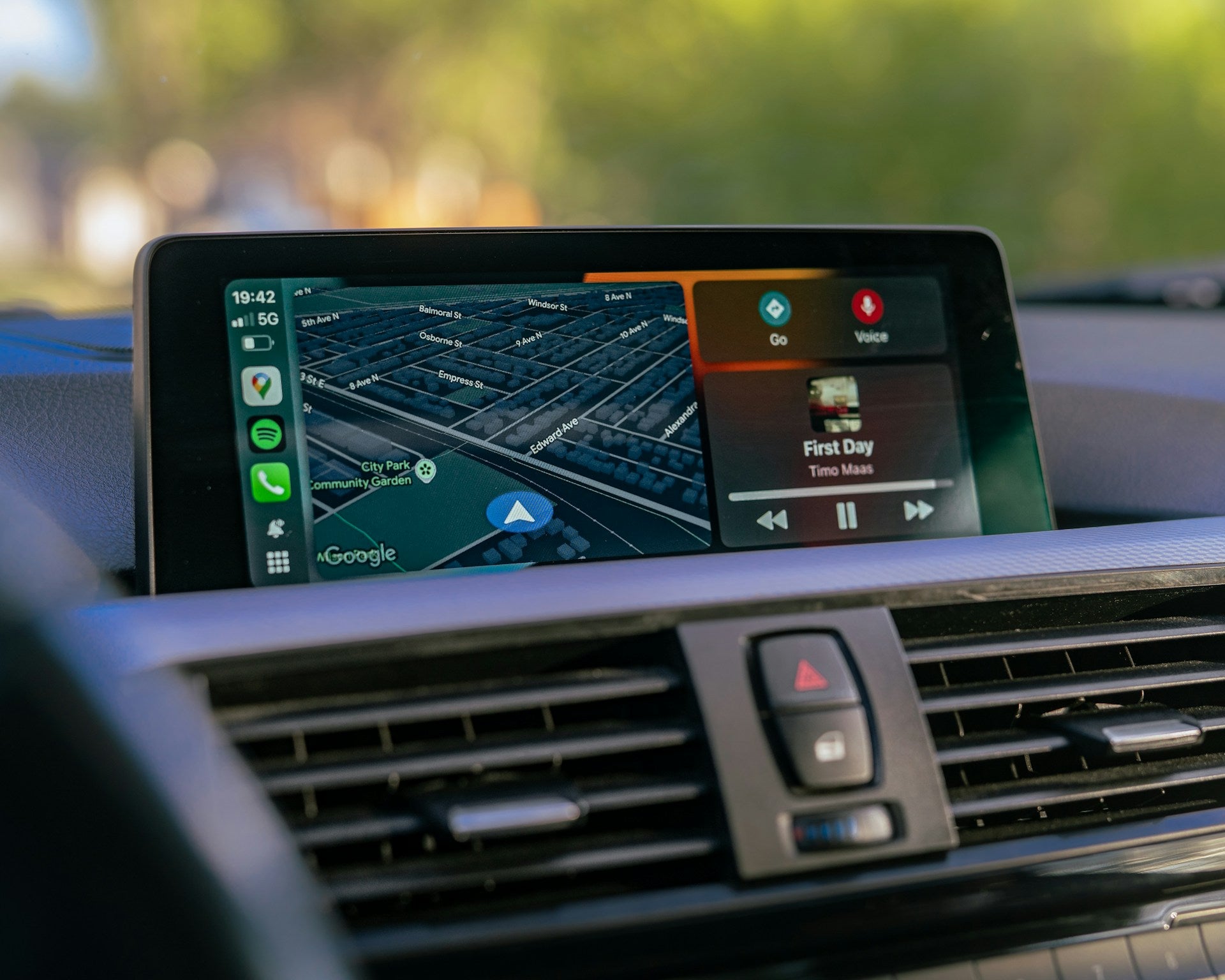
Enjoy a Smarter Summer Drive in Milford With Apple CarPlay Apple CarPlay in a Chevy makes daily driving around Milford and along I-95 feel simpler, safer, and a lot more relaxed. With it, your iPhone works right through your Chevy touchscreen, so you can keep your hands on the wheel and your eyes on the road. No juggling your phone at red lights, no trying to tap tiny icons while traffic moves. more This guide walks through what Apple CarPlay is, how it works in a Chevy, and how to set it up step by step. It also covers how to check if your Chevy is compatible, how to customize your screen for trips to the beach or into New York City, and what to do if you want help from a professional team in Milford. What Apple CarPlay Does For Your Chevy Apple CarPlay takes many of the apps you already use on your iPhone and shows them on your Chevy infotainment screen in a simple layout. You connect your phone, and the system lets you use voice commands or big on-screen buttons instead of trying to handle your phone directly. It feels familiar because it looks a lot like your iPhone, just built for driving. Some of the most helpful Apple CarPlay features for local drivers include: Apple Maps or other map apps for traffic along I-95, Route 1, and local Milford streets Siri voice control for hands-free calling and texting Music, podcasts, and audiobooks for longer drives or summer road trips Access to your favorite messaging and audio apps, where supported The goal is safer, easier driving. By keeping your focus on the road, you are less likely to fumble with your phone in traffic or on winding coastal roads. It also supports hands-free habits that line up with Connecticut rules about not using handheld phones while driving. Check Your Chevy For Apple CarPlay Compatibility Many newer Chevrolet cars, trucks, and SUVs offer Apple CarPlay, but the exact features can depend on the model year and trim level. If you have a recent Chevy with a color touchscreen in the center of the dash, there is a good chance it can support CarPlay or already has it built in. Here are a few easy ways to confirm: Look at your infotainment screen for an Apple CarPlay icon on the home page Open the Settings menu on the screen and check the smartphone or projection section Check your owner’s manual for Apple CarPlay details Ask a Chevy service or sales professional to confirm based on your VIN If your current vehicle does not support Apple CarPlay, you still have options. Many drivers choose to upgrade to a newer Chevy model that offers the technology from the factory. In some cases, there may also be factory-style infotainment upgrades that can be installed to bring in smartphone integration, depending on your current system and hardware. Step-by-Step Setup For Apple CarPlay In A Chevy Once you know your Chevy supports it, setting up Apple CarPlay is usually quick. Here is a simple walkthrough to get you started. 1. Prepare your iPhone Make sure your iPhone is running a recent version of iOS Turn on Siri in your iPhone settings Turn on Bluetooth and Wi-Fi on your phone 2. Get your cable ready Use a good-quality Lightning to USB cable if your Chevy uses wired Apple CarPlay Plug the cable into the USB port labeled with a phone or USB icon inside the cabin 3. Connect for the first time Start your Chevy and keep it in Park Plug your iPhone into the USB port Watch the infotainment screen for a prompt asking if you want to enable Apple CarPlay Tap “Enable” or “Yes” on the screen Unlock your iPhone and tap “Allow” when it asks to connect with your vehicle 4. Wireless Apple CarPlay, where equipped If your Chevy supports wireless CarPlay, you may see a prompt to connect without a cable Use the pairing instructions on the screen and confirm the code on your iPhone After that first setup, your phone may connect automatically when you start the vehicle If things are not working, try these quick checks: Make sure your Lightning cable is not damaged and is firmly plugged in Unplug and replug your iPhone, then restart the vehicle if needed Turn Bluetooth off and back on again on your phone Restart your iPhone if the car does not detect it If Apple CarPlay still will not connect, it can be helpful to have a professional take a look at your infotainment system and connections to rule out any deeper issues. Customize CarPlay For Summer Trips And Daily Drives Once Apple CarPlay is set up, you can arrange it to fit the way you drive around Milford. You control the CarPlay home screen from your iPhone, and those changes show up on your Chevy display. To customize your layout: On your iPhone, open Settings, then go to the CarPlay section Choose your vehicle from the list Drag and drop apps to move them, or hide apps you do not want to see on the screen Place your most-used apps, like Maps, Phone, and Music, on the first page For local drives and summer road trips, helpful apps might include: A trusted map app for traffic, alternate routes, and quick detours Your favorite music streaming app or podcast app A parking or charging app if you drive or ride in a vehicle that uses public stations A simple messaging app you can control fully by voice To keep things safe, try a few habits that make driving less stressful: Turn on Do Not Disturb While Driving so you are not tempted by constant notifications Ask Siri to read and reply to texts instead of looking at your screen Set your destination before you leave your driveway or parking spot Keep only the apps you truly use on your main CarPlay screen, so you tap less Get Apple CarPlay Help At Chevrolet Of Milford Setting up technology in a vehicle can feel a bit confusing, especially if it is your first time pairing a smartphone with a car. At Chevrolet Of Milford, the team works with these infotainment systems every day and can explain them in clear, simple steps. They can walk through Apple CarPlay setup with you, show you which features fit your daily drive, and answer questions about your Chevy screen and controls. If you are thinking about a Chevy with Apple CarPlay already built in, the staff can help you compare different models and trims, then review available financing choices that fit drivers and businesses in Milford and the nearby communities. Whether you are getting ready for a weekend road trip, a commute into New York City, or just easier errands around town, they are ready to help make your Chevy feel more connected and more comfortable to drive. Experience Seamless Connectivity and Confidence On Every Drive Explore how Apple CarPlay in a Chevy can make your daily commute safer, easier, and more enjoyable. At Chevrolet of Milford, we are ready to walk you through compatible models, trim options, and features that fit your lifestyle. If you have questions or want to schedule a test drive, simply contact us and we will help you get started.

Chevy

Chevy Lease Return Choices for Drivers Finishing a Contract

Make Your Chevy Lease-End Choices in Connecticut Work in Your Favor A Chevy lease-end return in Connecticut does not have to be stressful or confusing. When your lease is almost up, you actually have choices, and a little planning can help you save money and avoid last-minute headaches. more Many drivers in Connecticut find that lease terms end in the middle of the year, when life is already busy with trips, projects, and family plans. If you start thinking about your Chevy lease return a few months before the end date, you give yourself time to look at every path, not just turning in the keys and walking away. You can return your current Chevy, buy it and keep driving, or switch into another model that fits your life better. This guide focuses specifically on lease-end decisions and timing for Chevy drivers in Connecticut so you can feel confident when the time comes. Understanding Your Connecticut Lease-End Timeline and Inspection Your lease-end timeline usually starts about 60 to 90 days before your final date. This is a great window to get organized and see what your return might look like under Connecticut conditions and schedules. Here is what most drivers do during that period: Check the lease contract for the official end date and mileage limit Schedule a pre-return inspection through the leasing company Review mileage and look over the car for any clear damage Start thinking about what to drive next During the inspection, the inspector will look at things like: Tire tread depth and even wear Cracks or chips in the windshield and windows Dings, dents, and scrapes on the body Stains, tears, or burns in the seats and carpet Aftermarket parts or changes that were added during the lease Some small problems are easy to fix ahead of time. Light interior cleaning, simple stain removal, or replacing a worn wiper blade can often be handled without a big hassle. For bigger issues like body damage or cracked glass, it can sometimes be better to wait and let the leasing company charge its standard fee. Since every situation is different, it helps to talk through the options before you spend money on repairs. Core Choices for Chevy Lease-End Drivers in Connecticut Once you get close to the end of your lease, you usually have three main choices: Return the vehicle and walk away Buy out the lease and keep the Chevy Lease or purchase a different Chevy Returning the vehicle can make sense if you are at or under your mileage limit, the car has normal wear, and you are ready for a change. If your life has shifted and you now need something bigger or smaller, this option gives you a fresh start. Buying out the lease may be smart if your Chevy has low miles, is in great shape, and you really like it. You know its history, how it drives, and how it has been serviced. Keeping a vehicle you trust can feel better than starting over. Leasing or buying a different Chevy is a strong choice when your needs have changed. Maybe you have a longer commute, a new driver in the family, or more weekend trips. Your lease return can be a chance to match your next vehicle to your current budget and lifestyle in Connecticut, instead of the way things were a few years ago. How to Return Your Chevy Smoothly in Connecticut If you decide to return your Chevy at the end of the lease, a clear plan keeps the process simple. At the return visit, you can expect several quick steps: Review of your inspection results and any noted wear Final odometer reading to confirm mileage Collection of keys, manuals, and accessories that came with the vehicle Handling of license plates, based on Connecticut rules Signing final lease-end paperwork There can be end-of-lease charges, such as a disposition fee, excess mileage charges if you are over your limit, and fees for wear that goes beyond normal use. When you plan ahead, these items are less of a surprise. Tracking your mileage early, taking care of obvious issues, and understanding your contract before the last week goes a long way. Timing matters too. Many drivers like to line up the return with the day they receive their next vehicle, so they are never without transportation. Others plan around travel or school schedules, so they are not trying to juggle a return in the middle of a busy week. Upgrading Into a New Chevy or Buying the One You Have If you are ready for something new, rolling into a fresh Chevy lease can feel like a nice reset. A newer model often gives you updated tech, safety features, and comfort. You may also see better fuel efficiency than older vehicles, which can help with longer drives around Connecticut and beyond. Leasing again can make sense when you: Like driving a newer vehicle every few years Prefer lower payments compared with many finance plans Are comfortable staying within a mileage limit Do not want to worry about long-term wear Financing a new Chevy after your lease is different. With a purchase, you work toward full ownership over time, and you are free from yearly mileage caps. This can be a better fit if you drive a lot, want to build equity, or plan to keep the vehicle for a longer stretch. Warmer months in Connecticut are a popular time to test-drive models like the Equinox, Silverado, or Traverse. The roads are typically clearer, the days are longer, and it is easier to picture how a certain model will feel for daily drives, weekend errands, and family trips. Buying Out Your Lease and Avoiding Surprises at Lease-End If you are interested in keeping your current Chevy, the first step is to find your lease buyout price. This number is usually listed in your lease contract as the purchase option amount. Many drivers compare that number to current values for similar Chevy models with close mileage and condition. A lease buyout can have some clear benefits: You already know the full maintenance and driving history You avoid turn-in fees that might apply at the end of a lease You stay in a familiar vehicle that fits your parking, garage, or daily routes Financing a lease buyout works differently from a lease. Instead of paying to use the car for a set term, your payments go toward owning it outright. The payment amount, length of the loan, and other terms will not match your old lease, so it helps to see what feels comfortable for your budget. No matter which path you choose, the biggest lease return surprises usually come from waiting too long, ignoring small damage, or not tracking miles. If you keep an eye on your mileage every few months, skim your lease details early, and get a no-pressure look at your vehicle condition before the final month, the end of your Chevy lease in Connecticut can be simple, clear, and on your terms. Maximize Your Options Before Your Lease Ends If your lease is coming to an end, we are here to help you understand your choices and make your next move with confidence. Start by exploring your buying power with our Chevy lease return tool so you can see what fits your budget and lifestyle. Our team at Chevrolet of Milford can walk you through returning your vehicle, buying it out, or upgrading to a new model. If you have questions or prefer to talk it through, simply contact us and we will guide you step by step.

Chevy Truck

Ordering a Custom Chevy Truck for Work and Weekend Adventures

Build a Chevrolet Truck That Works Hard and Plays Harder A truck has to earn its keep during the week and still be fun when the weekend rolls around. Many drivers in Connecticut need something that can pull a trailer to a job site, haul materials, then head to the shore, the mountains, or the trails without missing a beat. That is where ordering a custom Chevrolet truck really shines. more When you order a Chevrolet truck, you are not stuck with a one-size-fits-all setup. You can match towing, payload, tech, comfort, and style to exactly how you live and work. From heavy tools and supplies to kayaks and camping gear, a custom build lets you plan for it all. Drivers across Milford, New Haven County, and Fairfield County can work with a local team that understands busy summers, unpredictable weather, and year-round demands on a truck. Why Now Is the Perfect Time to Order a Chevrolet Truck Ordering ahead is smart if you want a truck ready when you actually need it. Early summer is a great time to plan a build so your custom Chevrolet is in your driveway for late-summer road trips, long weekends, and fall projects that pop up as the weather cools. When you order a Chevrolet truck, you are not limited to what happens to be parked on the lot that day. Popular trims, colors, and packages can move quickly, which sometimes means settling for something close but not quite right. A factory order gives you more control so you can choose: Exact model and trim Preferred color and interior Must-have packages and options Bed and cab setup that fits your work Ordering also gives you time to think through your budget. You can plan ahead for financing, ask questions about current incentives, and review trade-in options without rushing. That slower pace makes it easier to build a truck that fits both your needs and your comfort zone. Choosing the Right Chevrolet Truck for Your Workday The right work truck starts with the right base model. Chevrolet offers several strong options, each suited to different kinds of jobs and payload needs. For many contractors, tradespeople, and small business owners, the Silverado 1500 is a great all-around choice. It offers strong towing and payload for tools, supplies, and small equipment, without feeling too big for city streets or tight parking lots. Drivers who handle heavier loads, like larger trailers or equipment, often look to Silverado HD models for their extra strength. For those who want a smaller footprint but still need a useful bed, the Colorado can be a smart middle ground. Key work choices to think about include: Regular, Double, or Crew Cab, based on how many people you need to seat Short, standard, or long bed, depending on the size of your gear Two-wheel drive or four-wheel drive, based on your job sites and driving routes From local jobs in Milford to longer runs across Connecticut, the right setup can save time and effort. When you order a Chevrolet truck, it is easier to add work-focused features such as: Trailering packages and towing tech Spray-in or drop-in bed liners Storage solutions for tools and parts Safety and driver-assist tech for busy roads These details turn a basic truck into a true work partner that matches how you earn a living. Weekend-Ready Upgrades for Summer and Beyond Once your work needs are covered, it is time to think about how you want to use your truck when you are off the clock. Many drivers want something that feels just as ready for a campsite or beach day as it does for a weekday haul. Off-road and adventure-friendly options can include: Z71 or Trail Boss-style off-road packages All-terrain tires for dirt, gravel, and snow Advanced 4x4 systems for rougher roads and bad weather Skid plates and other protective add-ons Comfort and convenience matter too, especially with family or friends in the cab. Features that make weekends better can include: Premium seating and quiet cabins for long drives Smart connectivity for maps, playlists, and calls Towing tech to help with boats, campers, and small trailers Bed accessories like cargo tie-downs and covers for beach gear or camping setups Since New England weather can change fast, it also helps to think about year-round comfort. Heated seats, a heated steering wheel, remote start, and all-weather floor protection can make winter mornings easier and keep your truck feeling fresh through snow, rain, sand, and mud. Designing Your Custom Chevrolet Truck Step by Step Ordering does not have to feel complicated. The process usually starts with a simple conversation about how you use your truck during the week and what you like to do on weekends. Here is a basic flow many drivers follow: Start with a consultation to talk through needs and wish-list items Choose your model and trim based on towing, payload, and comfort Pick drivetrain, cab style, and bed length that match your daily routes Add packages for work, off-road use, or family comfort Select colors, interior finishes, and smaller options Dealership team members help translate real-world needs like how much you tow, how far you commute, and which hobbies you enjoy into the right engine, suspension, and tech mix. After you place your order, you are kept up to date on build and delivery timing so you can plan around work schedules, trips, or seasonal projects. How Chevrolet of Milford Makes Ordering Easy Before placing an order, it often helps to sit in a few different trucks and take some test drives. Local inventory gives you a chance to feel how each model rides, how the cab fits your crew, and how the bed size lines up with your daily gear. That hands-on time makes customizing the final build much clearer. Financing support on-site can also smooth out the process. Whether you are buying for personal use or for a small business, you can walk through different options, ask about leasing, and discuss how a work truck might fit into your overall plans. For business owners, it can be helpful to talk with a tax professional about possible advantages tied to work vehicles. After your custom truck arrives, the relationship does not stop. Chevrolet of Milford offers: Certified Chevrolet service to keep your truck in top shape Genuine parts that fit and perform correctly Accessories to update your truck as work demands or hobbies change When you know you have local support for maintenance, repairs, and upgrades, ordering a custom build feels even more worthwhile. Reserve Your Ideal Chevy Truck Without Leaving Home Experience how convenient it can be to order a Chevy truck with Chevrolet of Milford using our simple Shop Click Drive process. Choose your model, configure the features that matter most, and upload any necessary documents in just a few minutes. If you have questions at any point or prefer to speak with a team member, please contact us so we can help you move forward confidently.

Chevy

Comparing Chevy Infotainment and Apple CarPlay for Daily Driving

Tech That Makes Every Commute Easier: Chevrolet Infotainment vs. Apple CarPlay Good in-car tech can turn a stressful drive into a smoother part of your day. When you are juggling work, school drop-offs, errands around Milford, and tight traffic on I-95, the way your Chevy handles music, maps, and messages really matters. The right system keeps you informed, helps you stay on time, and lets you keep your hands on the wheel and eyes on the road. more In a Chevy, you usually have two powerful tools working together: the built-in Chevy Infotainment system and Apple CarPlay for those who use an iPhone. Both can handle music, calls, and navigation, but they do it in different ways. This article focuses specifically on how each one helps with everyday commuting and regular weekly driving around Milford, so you can figure out what works best for you. How Chevy Infotainment Simplifies Daily Driving Chevy Infotainment is the factory system built right into the dash. It is designed to feel like a natural part of the vehicle from day one. You get a touchscreen, steering wheel controls, and voice commands that tie into the rest of the car. Some helpful things Chevy Infotainment can do include: Show you fuel range and tire pressure Connect with driver assistance alerts and your backup camera Give quick access to climate and seat settings Let you adjust vehicle settings and save driver profiles For daily driving, this means fewer steps to get comfortable. Need the AC set cooler on a humid Milford morning? You can adjust it right on the main screen or with simple buttons. Want to change radio stations, switch between AM, FM, or available SiriusXM, or pull up built-in navigation in models that have it? It is all right there in one place, laid out for quick taps or voice prompts. Families often like features such as teen driver settings and individual profiles. Multiple drivers can: Save seat and mirror positions Keep preferred radio stations and audio settings Maintain their own navigation favorites For summer day trips to local beaches or drives up and down the shoreline, having built-in navigation ready to go can be handy, especially if your phone battery is low or reception is spotty. You can set your route, adjust the cabin temperature, and check vehicle info all from the same system, which keeps everything simple and consistent. Why Apple CarPlay in a Chevy Feels Instantly Familiar Apple CarPlay takes the apps you already use on your iPhone and brings them onto the vehicle’s screen. If you are comfortable with your phone, CarPlay will feel natural after only a few minutes. With CarPlay, you can use: Apple Maps, Google Maps, or Waze for turn-by-turn directions Apple Music, Spotify, and other audio apps for playlists and podcasts Messages and Phone for calls and texts with Siri reading and replying for you The big advantage is that it feels like your iPhone, just safer for driving. Your contacts, calendar, and recent locations come along for the ride. If you used Apple Maps earlier that day to find a new office or school, that address often shows up as a suggested destination when you plug in or connect with CarPlay. On a daily commute, this means you can: Ask Siri to send a quick text without taking your hands off the wheel Pull up your last route or favorite coffee stop Turn on your favorite driving playlist or podcast with one quick tap For drivers dealing with I-95 traffic or local road delays near Milford, live traffic data from your map app can help you pick a better route or avoid sudden backups. It is all presented in a familiar layout, which can be very comforting if you already use an iPhone for almost everything. Head-to-Head for Commuters and Weekend Road Trips When you compare Chevy Infotainment and Apple CarPlay in a Chevy for everyday use, it helps to look at a few key areas. For navigation: Chevy built-in navigation (when equipped) is ready even if your phone is off, and it ties into the vehicle display and driver info screens. CarPlay map apps bring in frequent updates, live traffic, and road closure alerts that can be useful during construction season or summer detours. For media and communication: Chevy Infotainment shines for quick access to radio, available SiriusXM channels, and traditional Bluetooth audio. CarPlay stands out for custom playlists, podcasts, and easy group texts, all with your familiar contacts and apps. User experience can feel different depending on who is driving. Tech-savvy drivers might enjoy CarPlay’s app-based layout and the constant updates from their phone. Multi-driver families may like how the Chevy system lets each person save a profile, then layer CarPlay on top when they plug in. Older drivers, or those who prefer fewer options on screen, sometimes lean toward the simpler built-in menus and basic voice commands. Screen layout and responsiveness are designed for daily stop-and-go driving in both cases. The Chevy system is tuned for the vehicle, while CarPlay is tuned for your iPhone habits. The right mix often comes down to which one you open first when you start the car. Safety, Distraction, and Integration with Your Chevy Both systems are built with safety in mind, but they do it in different ways. Chevy Infotainment is directly tied into the vehicle, so it connects closely with: Steering wheel controls for volume and track changes Backup camera views and parking guidelines Driver assistance alerts that can pop up on the main screen Apple CarPlay focuses on safer phone use while driving. Siri lets you speak text messages and calls instead of pressing buttons. Audio apps are simplified for the road, with large icons and limited options so you are not scrolling through long menus. Any screen in the car can become a distraction if there are too many alerts. To help with that, you can: Turn on Do Not Disturb or Focus modes on your iPhone while driving Limit which apps show notifications through CarPlay Keep your home screen simple with only the apps you actually use on the road Using voice commands and steering wheel buttons whenever possible keeps your hands where they belong and cuts down on time spent looking away from traffic, especially on longer drives or in busy summer vacation traffic. Choosing Your Ideal Setup at Chevrolet of Milford Most drivers do not have to pick only one system. The best setup often uses both, letting Chevy Infotainment handle key vehicle functions and CarPlay handle phone-based tasks. You might find that: For short local trips, the Chevy system alone is plenty for radio, climate, and quick map checks. For longer drives or new places, you prefer CarPlay maps and playlists. For shared vehicles, driver profiles in the Chevy system keep things organized, while each driver still uses their own CarPlay apps. Think about your normal week: school runs, work commutes, weekend errands, and longer trips. Consider where you rely on your phone the most and where you prefer simple, built-in controls that always work the same way. At Chevrolet of Milford, the team sees a wide range of drivers from across the area, and everyone uses their tech a bit differently. Taking time to explore both Chevy Infotainment and Apple CarPlay in a Chevy during a test drive, with your own iPhone connected, can help you see which features fit your daily life and make every drive feel easier and more relaxed. Experience Seamless Connectivity On Every Drive Ready to see how effortlessly your favorite apps, music, and navigation can integrate into your daily commute with Apple CarPlay in a Chevy? At Chevrolet of Milford, we can walk you through compatible models, trim options, and tech features that fit your lifestyle. If you have questions or want to schedule a test drive, simply contact us and we will help you get started.

Chevy Truck

Should You Order a Chevy Truck or Buy From Inventory?

How to Decide If Ordering a Chevy Truck Is Right for You Choosing your next truck is a big deal, and one of the first questions many shoppers ask is simple: should you order a Chevy truck or buy one from inventory already on the lot? Both paths can work well, but they fit different needs and timelines. more Drivers across Milford and all over Connecticut usually care about the same things: how fast they can get the truck, how much they can customize, what kind of offers are available, and how their trade-in fits in. This guide walks through clear questions to help you match your buying style, budget, and everyday driving needs with the path that feels right for you, whether that means a custom order or an in-stock Silverado or Colorado you can take home right away. Do You Want a Custom-Built Truck or a Faster Purchase? The biggest difference between ordering a Chevy truck and buying from inventory is simple: choice versus speed. Ordering gives you the most control over how your truck is built. Buying from inventory lets you get the keys much faster. When you order a Chevy truck, you typically get to choose details like: Cab and bed setup, like crew cab or double cab, short bed or standard bed Drivetrain, such as 4x2 or 4x4 for extra traction Trailering and towing packages that match what you haul Off-road packages for dirt roads, job sites, or weekend adventures Interior comfort choices like seat trim, storage, and convenience features Technology options like driver-assistance features and infotainment choices If you love the idea of getting the exact color, engine, and package mix you want, ordering can feel really satisfying. You are building the truck around your life instead of working with what is already parked on the lot. On the other hand, there are times when a fast purchase matters more. Maybe you want a truck ready for summer towing, family trips, beach runs to the shore, or a big move. In that case, an in-stock truck can make more sense. You can look at a few different trims, pick the one that fits you best, complete your paperwork, and drive home in the same day in many situations. How Flexible Is Your Timeline and Daily Driving Needs? Your schedule and daily life play a big part in whether you should order a Chevy truck or buy from inventory. Ordering usually means waiting for the truck to be built and delivered to the dealership. Exact timing can vary, so it is smart to plan on some weeks of lead time. Buying from stock is usually much quicker and works well if you need a truck soon. Ask yourself a few simple questions: Is your current vehicle reliable enough to keep driving while you wait? Do you have work projects, towing needs, or trips coming up soon? Are you close to the end of a lease or current loan? Would a delay put pressure on your schedule or budget? If your current ride is on its last legs, has trouble starting, or spends a lot of time in the shop, waiting for a factory order might feel stressful. In that case, a truck from inventory can give you peace of mind right away. There are also middle-ground options. If you are leaning toward ordering, you can test-drive similar trucks in stock to make sure the cab size, engine power, and ride feel right. That way, you are not guessing about how your ordered truck will drive. If your schedule allows it, you can keep your current vehicle a bit longer while you wait for the custom build to arrive. Which Option Fits Your Budget, Incentives, and Trade-In? Budget plays a big part in any truck decision. When you order a Chevy truck, you are picking features and packages that affect the final price. When you buy from inventory, the truck already has a set mix of options, and you can see how that fits your budget right away. In-stock trucks may qualify for current rebates and dealer offers at the time you buy. Those programs can change over time, so some shoppers like the idea of choosing a truck that is already on the lot, then pairing it with available incentives right now. Other buyers focus more on getting the exact build they want, even if that means waiting to see what offers apply when the ordered truck arrives. Trade-in timing is another key piece. If your current vehicle is holding good value right now, you might want to lock that in with a purchase from inventory. Waiting for a factory order means you will trade in later, and the condition and value of your current vehicle can change over that time. You can also talk with a finance team about: Current programs that may favor ordering versus buying from stock How your credit, down payment, and trade-in work together Whether seasonal offers line up better with an in-stock purchase The right choice here depends on how flexible your budget is and how important it is to secure your trade-in value sooner rather than later. How Important Are Test Drives and Seeing the Truck in Person? For some people, the deciding factor is simple: they want to sit in the actual truck they are buying before they sign anything. If that sounds like you, buying from inventory might feel more comfortable. You can see the exact color in real light, fold the rear seats, check storage, and take that specific truck for a test drive. When you order a Chevy truck, there is a bit more imagination involved. You choose your trim, color, wheels, and packages from lists, photos, and feature descriptions. You know what you are getting on paper, but you will not see your exact truck until it arrives. There are good ways to bridge that gap when ordering: Test-drive a similar trim or engine that is in stock Sit in different cab and bed combinations to be sure of space Try out similar tech features like camera views and infotainment layouts Some buyers enjoy the wait that comes with a custom order. There is a special feeling when a truck shows up built to your choices. Others want that instant confidence of saying, "This exact truck is mine," and driving it home that same day. Get Personalized Help Choosing Your Chevy Truck Path In the end, there is no one right answer for every driver. Start by listing your top priorities. Think about: How soon you truly need your next truck Which features are must-haves and which are nice-to-have How you plan to use the truck, like towing, commuting, or family trips How important your trade-in timing and current offers are to you When you bring that list to the team at Chevrolet of Milford, it becomes much easier to see whether you should order a Chevy truck or choose one from inventory. You can compare real trucks on the lot with a custom order quote, test-drive different trims, and talk through how each option fits your schedule and your budget. With a clear plan, you can feel good about whichever path you choose and enjoy your next Chevy truck around Milford and across Connecticut. Get Your New Chevy Truck On Your Terms Ready to bring home a truck that fits your work, adventures, and budget? With Chevrolet of Milford, you can browse models, pick your options, and Order a Chevy truck online at your convenience. If you have questions about trims, financing, or availability, just contact us and our team will walk you through every step.

Chevy

Question-Based Chevy Test Drives That Reveal Hidden Issues

Turn A Chevy Test Drive Into Your Best Inspection Tool in Milford A quick spin around the block is not enough to know if a Chevy is right for you. Many problems only show up when you ask the right questions, try real-world situations, and pay attention to the small things that often get skipped. more When you turn your Chevy test drive into a smart inspection tailored to driving in and around Milford and greater Connecticut, you spot hidden issues with comfort, safety, tech, and performance before you sign anything. By asking clear questions during and after the drive, you can tell the difference between a nice first impression and a Chevy that will actually fit your life here in Connecticut, from I-95 commutes to winter roads. At our dealership in Milford, we see how much more confident shoppers feel when they test with a plan instead of just driving in circles. A thoughtful test drive only takes a little more time, but it can save you from daily annoyances that would bother you for years. Smart Pre-Drive Questions That Shape Your Chevy Choice in Connecticut Before you even start the engine, talk with your salesperson about how you really drive in Milford and the surrounding areas. That sets up a test drive that focuses on what matters most to you. Good questions to ask before your Chevy test drive include: How far is my daily commute, and is it mostly highway (like I-95 or Route 15) or local streets? Do I need room for kids, pets, or coworkers on a regular basis? Will I be towing, carrying tools, or loading bulky gear for work or weekend projects? How often do I drive in snow, ice, or heavy rain around Connecticut? If you spend a lot of time on I-95, you might want to focus on fuel economy, seat comfort, and lane-change confidence. If your weekends include trips to the shore or the mountains, it makes sense to test towing and passing power on ramps and hills. Ask your salesperson to explain, in simple terms: Differences between trim levels and which features are actually useful for you Engine options and how they affect power, fuel use, and towing ability Key safety features like automatic braking, lane assist, and blind spot alerts For used Chevys, request to see the vehicle history report and ask about past service. You can also ask how warranty coverage works and what benefits you get from a certified pre-owned Chevy, so you know what is protected over time. Hidden Comfort Issues to Uncover Before You Buy in Milford Comfort problems are the kind of thing you rarely notice in the first five minutes, but they can bother you every single day. While you drive, keep asking yourself simple questions and do not rush your answers. Check seat comfort by asking: Can I find a driving position where my back, legs, and arms all feel supported? Do I feel any pressure points after 10 to 15 minutes behind the wheel? Is it easy to see the road without hunching or stretching? Think about cabin noise. On a highway stretch, ask: Is the road noise too loud for a normal conversation or hands-free call? If you have kids or carpool riders, that can make a big difference. Since many people test drive in warm weather, do some quick seasonal checks that matter in Connecticut: Does the AC cool the cabin quickly and evenly during hot, humid days? Are ventilated seats, if equipped, noticeable enough to matter? Is there annoying glare on the center screen or gauge cluster in direct sun? Can you read the display clearly with sunglasses on? Do not forget rear-seat comfort and cargo space. Get in the back seat yourself. Ask: Is there enough legroom and headroom for adults or growing kids? Are the seats easy to fold, and do they fold flat enough for strollers, sports bags, or work equipment? Try loading a few real items from your day if you have them with you. Performance And Safety Questions Most Drivers Forget around Connecticut Performance is more than zero-to-60. It is about how the Chevy feels in the same kind of driving you do every week in Milford and beyond. While you are on the road, pay attention and ask yourself what feels natural and what feels off. For acceleration and braking, ask: Does the Chevy respond quickly when I press the gas to merge onto the highway? Does it feel strong enough when passing slower traffic? Are the brakes smooth, with no pulling, shaking, or squeaking? Notice how the transmission behaves. On hills or ramps near Milford, see if it shifts smoothly or feels like it is hunting for gears. Try a few different speeds so you get a clear sense of how it behaves in real traffic. Safety features matter, but they also need to feel right for you. While testing driver-assist systems, ask: Does Lane-Keep Assist Gently Guide Me, or Feel Too Strong? Are alerts for forward collision warning easy to hear and see, but not annoying? Do the blind spot monitors cover the areas I expect when changing lanes? If the Chevy has different drive modes or all-wheel drive, test them. See how the steering, throttle, and braking feel in each mode. Try a quick but safe stop to understand how the vehicle behaves during an emergency-style brake, always following road rules and staying safe. Tech, Connectivity, and Fleet Questions That Reveal Long-Term Value Modern Chevys come with a lot of tech, but that tech only helps if it is easy to use. Do not be shy about taking a few extra minutes in the parking lot to push buttons and test features. For infotainment and connectivity, try: Pairing your phone with Apple CarPlay or Android Auto Making a hands-free call, sending a text by voice, and starting your favorite music app Checking how clear the backup camera and any surround views look in bright light Ask yourself: Are the menus easy to understand? Are the physical buttons and knobs, if equipped, simple to reach without taking your eyes off the road for long? Look at driver-assistance settings and navigation too. Ask your salesperson: Can I adjust how sensitive the alerts are? How do updates for maps and software work? Are there features that help with long trips, like adaptive cruise control? If you are shopping for a work truck or fleet vehicle, you may have extra questions. For example, you can ask how the Chevy can work with: Commercial upfits like ladder racks or storage units Telematics systems that help you track vehicle use and service needs Service scheduling support through the commercial and fleet department These questions help you see not just how the Chevy drives today, but how it will fit into your business or daily life over the long term. Turn Test-Drive Questions Into a Confident Chevy Decision in Milford When you treat your Chevy test drive like a guided inspection instead of a quick cruise, you learn a lot more than whether you like the color. You uncover hidden comfort issues, spot performance quirks, test safety features in real situations, and see how the tech feels in your hands. We encourage shoppers to bring a simple checklist of their top questions and must-have features. Test more than one Chevy model or trim, and write down quick notes right after each drive, while everything is still fresh in your mind. At Chevrolet of Milford, our team is happy to help you build a route that feels like your real life, from local streets to highway ramps, and to answer detailed questions as you go. A thoughtful, question-based test drive turns guesswork into confidence, so you can choose your next Chevy with a clear mind and fewer surprises later. Experience Your Ideal Chevy On The Road Today Discover how the features you’ve read about feel in real life by scheduling a Chevy test drive with our team at Chevrolet of Milford. We’ll help you choose the right model, walk you through key options, and answer your questions so you can make a confident decision. If you prefer to talk details or confirm availability first, simply contact us and we’ll help you plan your visit.

Chevy

Comparing Chevy Maintenance Plans with Pay-as-You-Go Service

Drive Smarter by Planning Your Chevy Service Keeping up with maintenance is one of the simplest ways to keep your Chevy safe, comfortable, and running like it should. Oil changes, tire rotations, and inspections may not be exciting, but they matter for every driver, whether you are commuting along I-95, driving around Milford, or heading out on a long road trip. more When it comes to paying for that care, most Chevy owners end up choosing between a prepaid Chevy maintenance plan and pay-as-you-go service. Both can work well, and both are available at the dealership. The key is understanding how each option affects your budget, your schedule, and your vehicle’s long-term value, so you can decide what fits your life best. What a Chevy Maintenance Plan Really Covers A Chevy maintenance plan is a prepaid package of scheduled services. You choose a plan length and coverage level, then pay for it upfront or roll it into your finance or lease paperwork. After that, many of your regular maintenance visits are already planned out. These plans tend to work especially well for: Daily commuters who rack up steady miles Busy families who want reminders and set visits Drivers who prefer a steady, predictable budget Anyone who plans to keep their Chevy for several years Most Chevy maintenance plans usually include services like: Oil and filter changes at set mileage or time intervals Tire rotations to help tires wear more evenly Multi-point inspections to catch issues early Factory-recommended services at key mileage points At a dealership like ours, plans are set up to follow GM factory maintenance schedules. That helps you stay in line with what the manufacturer recommends for your specific model. Keeping up with those visits can support your warranty coverage and can help your vehicle hold its value when it is time to trade or sell. With a plan, the guesswork is taken out of what to do and when. You know what is covered, you know when you are coming in, and you know that your service visits are focused on the care your Chevy was built to receive. Pay-as-You-Go Service and Its Tradeoffs Pay-as-you-go service is exactly what it sounds like. You schedule maintenance when you think you need it, choose what work you want done at each visit, and pay the bill each time. There is no prepaid package and no long-term service contract. There are some clear upsides to this style: Flexibility to adjust based on changing driving habits Freedom to pick specific services each time you visit Ability to handle unexpected issues first if they pop up Spreading out payments across the life of the vehicle Some drivers like this because their mileage is unpredictable, or they expect to change vehicles fairly soon. Others simply prefer to decide visit by visit. But there are tradeoffs. Without set reminders tied to a plan, it can be easier to put off an oil change or skip a tire rotation when life gets busy. That delay can lead to: Wear building up on parts that could have been checked Small problems turning into larger repairs later Service costs that feel random and hard to plan for Pay-as-you-go can work very well if you are disciplined about your maintenance schedule. If you are not, there is a higher chance you will fall behind on the basics. Comparing Costs and Value for Connecticut Drivers Over a typical three-year period, a Chevy will need several rounds of routine service. With a Chevy maintenance plan, many of those visits are included in one package. With pay-as-you-go service, you are paying for each of those visits separately. Since we are not talking about specific prices here, it helps to think in terms of structure: A maintenance plan bundles many routine services together Pay-as-you-go breaks those same services into separate bills The services themselves are similar; what changes is how and when you pay Connecticut driving adds its own twist. Winter roads with sand and salt can be hard on brakes, suspension pieces, and the underside of the vehicle. Potholes can affect your tires and alignment. Summer road trips add highway miles and heat. All of that makes consistent inspections and basic care even more helpful, because issues can show up faster. There is more to this than money, too. When your costs are planned ahead: It is easier to fit maintenance into your monthly budget You spend less time worrying about surprise service needs You can focus on when you will be without the car, not what the bill will be For many Milford-area drivers, that predictable structure is what makes a maintenance plan feel easier to live with, especially when paired with regular routes and routines. Convenience, Coverage, and Confidence The right maintenance setup should match your daily life. A preset plan can be especially helpful for: Families juggling school, activities, and work Daily commuters dealing with traffic and tight schedules College drivers who need clear guidance on what to do and when With a Chevy maintenance plan completed at a dealership service center, your vehicle is being looked after by technicians who work with Chevy models every day. The parts used are designed for your vehicle, and every visit is logged in a service history that stays with your Chevy. That record can matter. If a warranty repair ever comes up, clear, consistent maintenance makes it easier to show that your vehicle has been cared for. When you are ready to trade in or sell, being able to point to regular service at a dealership can help your Chevy stand out to the next owner. Even if you choose pay-as-you-go service, having all your work done in one place still gives you that complete history and peace of mind. The difference is mostly in how structured those visits are and whether they are tied to a prepaid plan. How to Decide If a Plan Is Right for Your Chevy Choosing between a Chevy maintenance plan and pay-as-you-go service comes down to a few simple questions. Start by thinking about: Your yearly mileage: Do you drive a lot or a little? How long you plan to keep your current Chevy Whether you prefer steady, predictable costs or flexible, changing ones How organized you are about scheduling maintenance on your own If you tend to keep your vehicles longer, drive regularly, and like clear budgeting, a maintenance plan may fit well. If your driving is light or uncertain, or you expect to change vehicles soon, paying per visit could make more sense. When you talk with the team at Chevrolet of Milford, it helps to ask about: The length of each available plan What services and intervals are covered Whether a plan can transfer if you sell your vehicle How the plan works alongside any current service specials Bringing details about your driving habits, your warranty, and your budget to that conversation will help the staff guide you toward the mix of structure and flexibility that fits your life. Whether you end up with a Chevy maintenance plan or a pay-as-you-go approach, the goal is the same: to keep your Chevy running smoothly while keeping your service experience as stress-free as possible. Protect Your Chevy’s Performance With a Smart Service Plan Keep your vehicle running its best with a customized Chevy maintenance plan designed around how and where you drive. At Chevrolet of Milford, we will walk you through recommended services, schedule visits that fit your life, and help you avoid surprise repair costs down the road. If you have questions or want help choosing the right coverage, simply contact us and our team will be ready to assist.

Chevy

Commercial Chevy Vehicles for Small Business Owners in Milford

Put Your Fleet to Work for Your Bottom Line The right work vehicle is more than a way to get from job to job. For a small business, it can help cut fuel costs, keep jobs on schedule, and make your company look more professional every time you pull into a driveway or job site. That is where commercial Chevy vehicles come in. more Commercial Chevy vehicles cover a wide range of options so you can match your fleet to the way you work. In this group, you will find: Cargo and passenger vans Midsize and full-size pickups Chassis cabs for custom bodies Larger SUVs for people and gear These choices matter in a place like Milford. Local businesses deal with coastal weather, summer visitors, and busy routes like I-95 and the Post Road. Reliable engines, good fuel economy, and smart cargo space can help you keep up with demand on tight schedules and tight streets. Matching Commercial Chevy Vehicles to Your Business Needs Different businesses around Milford ask a lot of different things from their vehicles. A contractor hauling tools and lumber has needs that are not the same as a caterer moving food and serving gear. A mobile tech or cleaner spends the day in and out of neighborhoods and parking lots. A real estate team may focus more on comfort and a professional look for clients. Here is how some popular commercial Chevy options often line up with common needs: Chevy Colorado: Good for lighter towing, tight city streets, and crews that need a capable truck without going too big Chevy Silverado: Strong choice for heavier trailers, bulk materials, and jobs that demand serious payload and towing strength Chevy Express vans: Helpful for delivery routes, trades, and service calls that need enclosed cargo, shelves, or tool storage Chevy SUVs like Tahoe and Traverse: Smart for client transport, property tours, or team travel with people and gear When you choose commercial Chevy vehicles, it helps to look past the basic body style. Think about: Upfit potential, like ladder racks, shelves, bins, or custom bodies on a chassis cab Cargo layout, such as side doors, rear doors, height, and tie-down points Technology, like driver-assistance features, telematics options, and mobile-friendly cabins Planning for growth is also important. You might not need a full shelving system or advanced tracking tools on day one, but picking a Chevy platform that can be upfitted later means your vehicle can grow with your business instead of holding it back. Summer-Ready Chevy Workhorses for Milford's Busy Season When the weather warms up along the Connecticut shoreline, a lot of local businesses hit their busiest time. Beach rentals, event services, food trucks, marinas, landscapers, and property managers all start putting extra miles on their vehicles. Long days, heavy loads, and stop-and-go traffic can expose weak points in an older fleet fast. For summer-heavy businesses, certain features in commercial Chevy vehicles can make a real difference: Strong AC systems to keep drivers comfortable and alert during long shifts Payload ratings that handle beach gear, party tents, lawn equipment, or supplies without overloading the vehicle Trailer and boat towing setups for haulers, water activity providers, and event crews Protection features that help in coastal environments, where salty air can be hard on metal over time Driver safety tech like available alerts and assistance systems that support drivers in heavier traffic Some Chevy trucks and SUVs offer trailering packages that bundle helpful hardware. These can include hitch setups, cooling improvements for towing in warm weather, and in-cab tools that help with trailer hookup and monitoring. Commercial-focused trims often put the features you need up front, like durable interiors, easy-clean surfaces, and work-ready tech that fits daily job use around Milford and nearby shoreline towns. Financing, Leasing, and Tax Advantages for Small Fleets Vehicle costs can be a big part of your overhead. The way you pay for your fleet can help protect your cash flow, especially if you are adding more than one vehicle or growing in stages. In general, you will be looking at options like: Purchasing: You own the vehicle, which may be helpful if you plan to keep it long term Leasing: You use the vehicle for a set term, which may line up well with planned replacement cycles Commercial lines of credit: You have a pool of funding for vehicles, which can help when you add or replace units over time Many business owners also look at possible tax advantages for commercial vehicles, such as accelerated depreciation or Section 179 deductions where they apply. The details can be different for each business, so it is important to talk with a tax professional who understands your situation and current tax rules. At Chevrolet of Milford, our commercial team works with small businesses that run a single work truck as well as those looking to build a small fleet. We can help you think through things like: Whether a purchase or lease lines up better with your projected mileage How to plan for staggered replacements so you are not swapping every vehicle at once Seasonal payment strategies that match higher payments to your busy months when income is stronger Keep Your Chevy Fleet Earning with Pro Service Support A work truck only helps your bottom line when it is on the road. Downtime in the shop can mean missed appointments, late deliveries, and rescheduled jobs. Professional maintenance and quality parts can help you avoid that. Certified Chevrolet service is set up around the specific needs of Chevy trucks, vans, and SUVs. When it comes to fleets, some key support areas include: Priority scheduling for business vehicles when possible Fleet maintenance plans that group services by mileage and use Multi-vehicle service tracking so you do not lose sight of what is due next Clear repair timelines so you can plan around any needed shop time Preventive care can save you money over the long run, especially if your vehicles see heavy use. For many Milford-area businesses, that means: More frequent oil changes because of short trips and stop-and-go routes Regular brake checks, since work vehicles often haul or tow Tire inspections and rotations to handle mixed city and highway driving Periodic inspections to catch small issues before they become big, costly ones Taking care of your commercial Chevy vehicles helps protect your investment, keeps your drivers safer, and supports a more reliable schedule for your customers. Drive Your Milford Business Forward Today If your current work vehicles feel tired, break down often, or send the wrong message when they pull up to a job, it may be time for a fresh look. Many small business owners are surprised at how much smoother their day runs when the right trucks, vans, or SUVs are doing the work. A smart first step is to list what your vehicles handle now and where they fall short. Think about: Loads that feel too heavy or cramped Jobs you avoid because of towing limits or space Fuel stops that eat into your day Comfort and safety for the people behind the wheel From there, you can start matching those needs to commercial Chevy vehicles that are built for work in and around Milford. At Chevrolet of Milford, we are ready to help you review your options, from body style and upfits to funding choices and service plans, so your fleet supports the business you run today and the growth you are planning for tomorrow. Find the Right Chevy Work Vehicle for Your Business Explore our lineup of commercial Chevy vehicles to match the capabilities, capacity, and features your team needs to stay productive. At Chevrolet of Milford, we take the time to understand your business and recommend the trucks and vans that fit your day-to-day operations. If you are ready to review options, pricing, or availability, simply contact us and we will help you take the next step.

Chevy Truck

Evaluating Used Chevy Trucks for Summer Towing and Travel

Start Your Summer Adventures with a Truck That Can Keep Up Summer trips are a lot more fun when your truck is ready for the work. Pulling a camper to a state park, hauling a couple of jet skis to the launch, or loading the bed with beach gear all ask a lot from a used truck, especially in hot weather and heavy traffic. more When you tow in summer, the heat puts extra stress on the engine, transmission, brakes, and cooling system. Holiday traffic around Milford, New Haven, and Fairfield can mean long periods of stop-and-go driving with a trailer on the back. That is why taking time to carefully evaluate any used Chevy truck for sale is so important before you hit the road. In this article, we will walk through how to match your summer plans to the right Chevy truck, how to check towing power and trailering tech, what to look for under the truck and under the hood, and which comfort features help on long drives. Our goal is to help you feel more confident when you shop so you can focus on the fun parts of summer travel. Match Your Summer Plans to the Right Chevy Truck Before you shop, think about how you plan to use your truck once the weather warms up. Different summer plans call for different levels of strength and space. Common summer uses include: Towing a camper to campgrounds in Connecticut and across New England Hauling jet skis, kayaks, or a small boat to Long Island Sound Loading coolers, chairs, and bikes for day trips and weekend getaways Taking long highway drives with kids, pets, and luggage Chevy offers several truck options that you will often see on the used market: Colorado, a midsize truck that is easier to park in tight beach towns, good for lighter towing and daily driving Silverado 1500, a full-size truck that balances towing power, bed space, and comfort for most families Silverado HD models, built for heavier trailers, larger campers, and bigger boats Think about these details before you focus on a specific used Chevy truck for sale: Trailer weight when fully loaded, not just the empty rating How many people you need to seat, and how often the back seat will be full How much gear you want in the bed vs inside the cab Whether you need 4x4 for wet ramps, dirt roads, or muddy campsites Knowing your trailer weight and passenger and cargo needs ahead of time makes it much easier to pick the right engine, cab style, bed length, and drive type. Check Towing Power, Payload, and Trailering Tech Not every truck with a hitch is ready for the same job. When you are serious about towing, you want to confirm the real ratings of the exact truck you are looking at, not only what you saw in a general chart. You can check: The tire and loading sticker on the driver’s door jamb for payload information The owner’s manual for that truck’s specific towing and payload details Official towing guides from Chevy that match the year, engine, axle ratio, and configuration Once you know the ratings, make sure the powertrain matches your plans. Key things to consider: Engine type, such as V6, V8, or available turbocharged options, which affect power and torque Transmission condition, smooth shifts are especially important when pulling weight Axle ratio, which can change how well the truck pulls and how it feels on hills Factory tow package, often includes a stronger hitch, wiring, and sometimes a transmission cooler Modern trailering tech can make summer towing feel less stressful. Useful features to look for include: Trailer sway control to help keep your trailer stable Integrated trailer brake controller for better control of electric trailer brakes Tow/haul mode that changes shift points when pulling a heavy load Rearview and hitch view cameras to help you line up alone and back into tight spots Available trailering apps or checklists to remind you of steps before you pull out These details all work together so your used truck does more than just move the trailer; it helps you do it with more control. Inspect Wear, Cooling, and Brakes for Summer Heat Heat and weight are hard on a truck. Before you choose any towing rig, it helps to look for signs of past heavy use and to check the systems that keep things cool and safe. For towing wear, pay attention to: Hitch and receiver condition, rust, bends, or sloppy movement Suspension sag in the rear, which can suggest repeated heavy loads Uneven tire wear that might point to alignment or suspension issues Aftermarket lift kits or drop hitches that could change how the truck tows The cooling system is especially important in summer. On a used truck, you want someone to check: Radiator fins for damage or heavy corrosion Coolant level and condition, and when it was last changed Presence and condition of a transmission cooler, often part of a tow package Any signs in the service records of overheating or cooling system repairs Brakes are your best friend on mountain grades and in stop-and-go beach traffic with a full load. Key items include: Brake pad thickness and rotor condition Brake fluid age and clarity The wiring and connector for trailer brakes and lights Getting these systems inspected by trained technicians gives you peace of mind when you head out with your family and your toys. Prioritize Cabin Comfort and Family-Friendly Features Power and ratings matter, but comfort makes or breaks long summer drives. If you will spend hours on the highway, the interior deserves just as much attention as the hitch. Cabin space is a big factor. Think about: Crew cab vs double cab, and how much rear legroom you really need Seat comfort and adjustment for the driver and front passenger Storage spots for snacks, maps, and small items that pile up on trips Features that make a used Chevy truck great for road trips include: Dual-zone climate control so everyone stays happy Ventilated or premium seats that feel better in hot weather Quiet cabins that cut down on wind and road noise Smartphone connectivity for maps, music, and hands-free calls Driver-assistance features like lane and blind spot alerts where available Small comforts add up over a whole summer: Remote start so the cab can cool down before you climb in Tinted glass or sunshades that help keep the sun out Bed covers to keep camping or beach gear dry and out of sight Multiple USB ports so every device stays charged on longer drives When you look at a used Chevy truck for sale, sit in every seat, try the controls, and picture a full day on the road with the people and pets you travel with most. Get Expert Help Finding the Right Used Chevy Truck Summer is a popular time for people around Milford and nearby areas to shop for trucks that can tow and haul, so it helps to start your search early. Doing your homework on capability, condition, and comfort puts you ahead, but you do not have to sort through all the details alone. At Chevrolet of Milford, our team works with used Chevy trucks every day. We can help you review vehicle history reports, explain what different service records really mean, and point out signs that a truck has been used mostly for light duties or for heavier towing. Our technicians perform multipoint inspections that pay close attention to brakes, cooling systems, suspensions, and trailering equipment so you know more about the truck before you make a decision. When you are ready, you can explore available trucks, compare different configurations side by side, and take test drives that include checking how the truck feels with towing in mind. Our finance staff can walk you through payment options that fit your plans so you can focus on planning that first big trip with confidence. With the right used Chevy truck set up for towing and travel, your summer adventures can be safer, smoother, and a lot more enjoyable. Find The Right Used Chevy Truck With Confidence If you are ready to upgrade your driveway, explore each certified used Chevy truck for sale in our carefully inspected inventory. At Chevrolet of Milford, we take the time to understand how you drive so we can match you with the right model, trim, and features. Our team is here to answer questions, walk you through financing options, or schedule a test drive when it works for you. Reach out anytime through our contact page to get started.

Contact Us

Fill out this form below and we'll contact you shortly
*Required Fields