



Blog / MILFORD Chevrolet Dealer

Blog

All MILFORD Chevrolet Dealer
Brake Service

Summer Chevy Brake Service Myths Milford Drivers Should Ignore

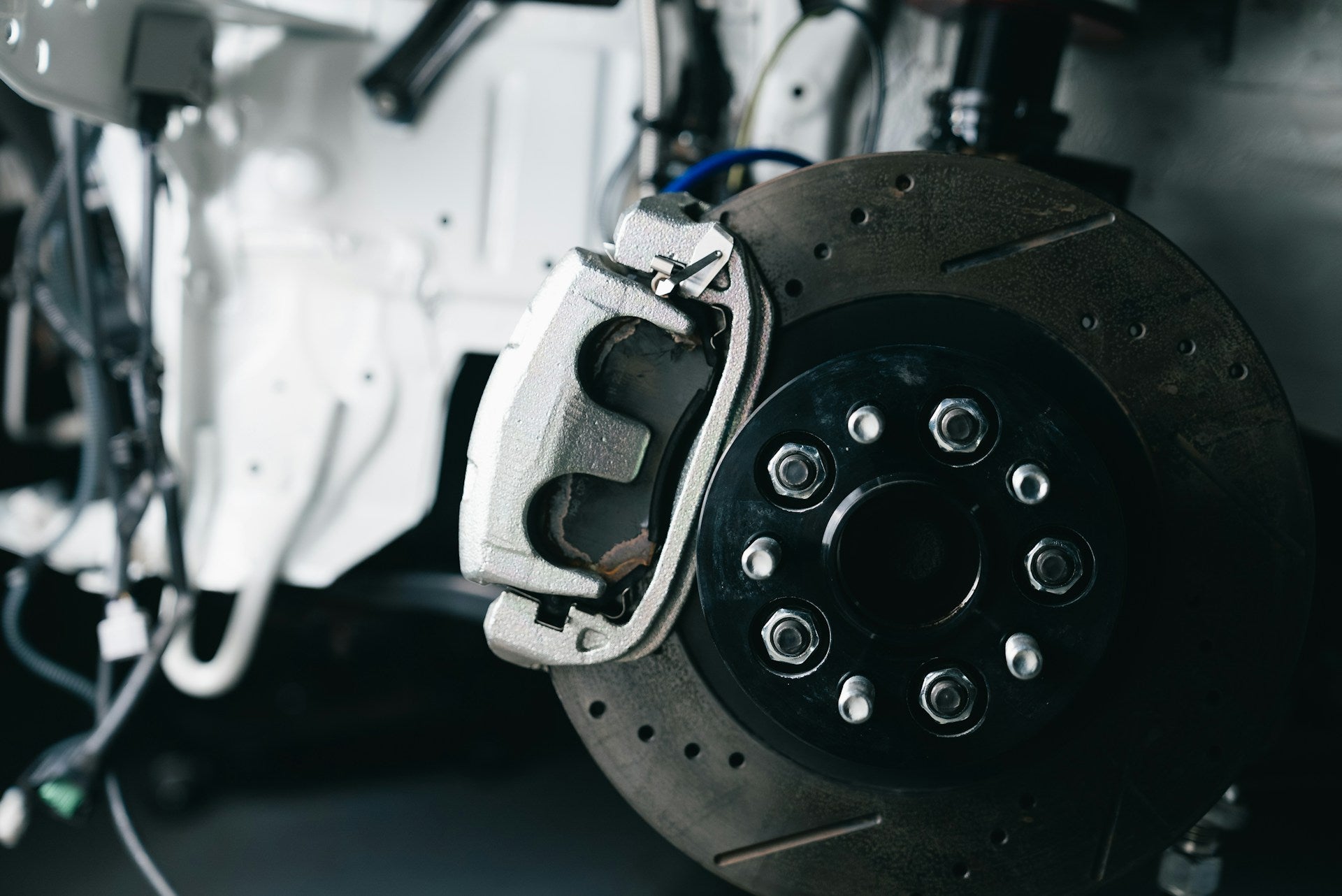
Beat the Heat With Safe Summer Braking in Milford Summer around Milford and the greater New Haven area means beach days, weekend road trips, and plenty of stop-and-go traffic on I-95. All that driving feels great, but it can be tough on your Chevy brakes. Hot weather, crowded roads, and long highway runs can push your braking system harder than you might think. more Many local drivers hear things about summer brake care that just are not true. These myths can lead to unsafe stopping, surprise repairs, and a lot of stress on the road. We want to clear up the confusion, share what really matters for Chevy brake service in warm weather, and help you know when it is smart to have your brakes checked before your next trip. Why Summer Weather Is Not Easy On Your Chevy Brakes One common myth is that brakes only work hard in winter. The truth is, summer heat creates its own kind of stress. When the pavement is hot and traffic on I-95, Route 1, or around downtown Milford is heavy, your brakes work overtime. Here is what happens in warm weather driving: High air and pavement temperatures raise brake temperatures Stop-and-go traffic keeps you on the pedal constantly Long downhill stretches and highway exits build up heat in the rotors and pads As brakes heat up, you may notice: Brake fade, where the pedal feels normal but the car takes longer to stop Rotors that can become warped from repeated heavy braking Reduced stopping power when you are towing or packed full of luggage This is why summer is not a “break” for your brakes. If anything, long road trips, beach-trip traffic, and warm days can make regular Chevy brake service just as important as any winter check, and sometimes even more important. Why No Squeal Does Not Always Mean Your Brakes Are Fine Another big myth is that if you do not hear a squeal, your brakes must be good. Many drivers wait for a loud sound before they think about brake service, but not all worn parts make noise. Some brake pads wear down quietly. Rotors can also wear or develop issues without giving you an obvious squeal. By the time there is a clear sound, you might already be dealing with thin pads or damaged rotors. Subtle warning signs to watch for in summer include: Longer stopping distances than you are used to A soft or spongy brake pedal Vibration or shaking in the steering wheel when braking at highway speeds A burning smell after hard stops in hot weather Warm temperatures can hide problems for a while, because everything feels “normal” until you need to stop fast. Before a long road trip or a stretch of heavy summer driving, it is smart to have a professional inspection instead of waiting for a squeal or grinding sound. Why Not Every Shop Is The Same For Chevy Brake Service It can be tempting to think that any repair shop is the same for brakes. They all change pads and turn rotors, right? But Chevy vehicles have specific needs and designs that are best handled by people who work with them every day. When you choose a Chevy-focused service team, you get: Technicians who work with Chevrolet models on a daily basis Procedures that follow factory guidelines for brake inspection and repair Parts that are made to match Chevrolet brake systems Using genuine GM brake pads, rotors, and the correct type of brake fluid matters. These parts are designed to work together with your Chevy’s braking system to help give you consistent stopping, smooth pedal feel, and reliable performance over time. A dealership service center also has access to the latest tools and service information for Chevy vehicles. That means better diagnosis of issues like ABS warning lights, brake warning messages, or unusual pedal feel. For Milford and New Haven drivers, that brings extra peace of mind when traffic is heavy or you are far from home on a summer road trip. Why You Need More Than Just New Pads Another myth is that brake service only means pads. While pads are a big part of the system, they are not the only part that wears or ages. Rotors naturally wear down each time you press the brake pedal. In summer, repeated hard stops in traffic or on hot roads can cause rotors to develop high spots or become warped. When that happens, you may feel: Pulsing in the brake pedal Shaking in the steering wheel while slowing down Uneven or noisy braking Sometimes rotors can be resurfaced, but many times they need to be replaced so that your brakes can grip smoothly and safely. Brake fluid is also easy to forget. Over time it can absorb moisture from the air. That extra moisture can lower the boiling point of the fluid, which can hurt brake performance when everything gets hot, like on long downhill drives or during heavy summer braking. Following the maintenance schedule for brake fluid exchanges, along with pad and rotor inspections, is a smart way to keep your Chevy stopping the way it should. Why DIY Brake Jobs Are Risky In Modern Chevys Doing your own brakes might sound like a good way to save money, but modern Chevy braking systems are more complex than older designs. It is not just pads, rotors, and a simple hydraulic system anymore. Common DIY issues include: Incorrect installation of pads or hardware Overlooking small leaks in lines or calipers Not bleeding the system correctly Using low-quality parts that do not match factory specs Many newer Chevy models also have ABS and advanced driver-assistance features that work closely with the brakes. These systems need the right parts and exact torque on bolts to work properly. A small mistake in a home garage can lead to uneven wear, warning lights, or reduced stopping power, especially when your vehicle is full of family, friends, and summer gear. Having brake work done by a professional team that knows Chevy systems helps make sure your brakes perform as designed, from quick city stops in Milford to sudden slowdowns on I-95. Make Your Next Summer Drive Safer With Pro Brake Care Ignoring summer brake myths can lead to longer stopping distances, noisy or shaky stops, and bigger repairs down the road. Heat, traffic, and extra miles all add stress to your braking system, even if everything seems fine from the driver’s seat. Before late summer road trips, back-to-school driving, or a busy holiday weekend on the highway, taking time for a seasonal Chevy brake service checkup can make a big difference. A professional inspection that includes pads, rotors, brake fluid, and related components helps you catch small issues early, so you can enjoy smoother, safer driving around Milford and the greater New Haven area. Restore Your Stopping Power With Expert Brake Care Keep your drives safe and confident by scheduling professional Chevy brake service with Chevrolet of Milford. Our certified technicians will inspect, diagnose, and repair your braking system using quality parts that match your vehicle’s needs. Book your appointment online today, or contact us with any questions about your brake performance.

Chevy

Cost of Chevy Brake Service and When Milford Drivers Should Book

Seasonal Chevy Brake Care for Milford’s Changing Roads Good brakes are not just about comfort, they are about safety. Around Milford, your Chevy sees a bit of everything, from hot summer highway trips on I-95 to wet fall roads and slippery winter mornings. Reliable brakes help you stop with confidence in all of it. more Taking care of your brakes is also a smart way to protect your budget and your vehicle. Small brake problems that get ignored can turn into bigger repairs. Regular Chevy brake service keeps you ahead of wear and gives you peace of mind every time you press the pedal. Our service team offers certified brake inspections, repairs, and replacements that fit local driving conditions. Whether you mostly drive around town or spend a lot of time on the highway, we can help keep your brakes ready for the road. What Seasonal Chevy Brake Service Includes at a Dealership When you come in for Chevy brake service, we look at much more than just the pads. A typical brake visit usually includes: Brake pad inspection Rotor surface and thickness check Brake fluid level and condition check Caliper and hardware inspection Road test to confirm brake feel and noise There are a few levels of brake care you might hear about over the course of the year: Basic brake inspection: A visual and physical check of pads, rotors, calipers, hoses, and fluid. This is usually done as part of a regular maintenance visit. Pad replacement: Worn pads are removed, hardware is checked or replaced as needed, and new pads are installed. Rotors may be cleaned or resurfaced if appropriate. Full brake job: Pads and rotors are replaced together, and any worn hardware or related parts are addressed for a fresh start. Certified technicians know how your specific Chevy model is built and how the brake system is supposed to feel. Using genuine Chevy OEM brake parts helps your brakes work the way they were designed to, and it supports long part life and proper fit. It can also help protect related warranty coverage tied to your vehicle’s braking system. How Seasonal Driving Affects Chevy Brake Service Needs The cost and timing of Chevy brake service at a dealership will depend on what your vehicle needs and when you come in. Common brake services you might see across the seasons include: Brake inspections as part of routine maintenance visits Front or rear brake pad replacement Pad and rotor replacement on one or both axles Brake fluid flush and refill Several key factors affect how soon your brake service may be needed: Model type: Larger SUVs and trucks often have bigger, heavier brake parts than small cars. Brake design: Performance packages or heavy-duty brakes can use different components. Driving habits: Frequent stop-and-go driving, heavy loads, or hard braking can wear parts faster. Current wear level: Replacing pads early can sometimes save your rotors, while waiting too long may require more parts. There are ways for Milford drivers to get good value from each visit. Seasonal service specials and brake service coupons can help lower the cost of needed work. Many drivers also like to combine brake service with other maintenance, such as tire rotations and oil changes, so the vehicle is taken care of in one trip. Signs Your Chevy Brakes Need Attention as Seasons Change Your brakes usually give you warning signs before they become a serious problem. Some things to watch and listen for include: Squeaking or grinding when you apply the brakes Vibration in the brake pedal or steering wheel Longer stopping distances than you are used to A soft, spongy, or low brake pedal Brake or ABS warning lights on your dashboard Around Milford, local driving can speed up brake wear. Daily traffic on I-95, busy local streets, and frequent stops at lights all put extra heat into your brakes. Coastal moisture and road grit can also affect how smooth your rotors stay and how clean your hardware remains. A simple way to stay ahead is to have your brakes checked at the same time as regular services. Many drivers like to have a quick brake check: At every oil change or at least every few months When rotating or replacing tires Before longer summer trips Before the start of winter weather Catching a problem early can help keep the repair smaller and your Chevy safer. Season-by-Season Chevy Brake Tips for Milford Drivers Timing your Chevy brake service around the seasons can make driving less stressful. Late summer and early fall are great times to look at your brakes. Back-to-school traffic, darker mornings and evenings, and wet roads covered with leaves all put more demand on your stopping power. Before winter sets in, you want brakes you can trust. Colder temps, icy spots, and surprise snow can show any weakness in pads, rotors, or brake fluid. Good brakes help you hold control in slick parking lots and during holiday travel. In spring and early summer, a brake check can help you recover from winter wear and get ready for road trips. Salt residue, sand, and potholes can all affect how your brake components age. It also helps to think ahead about your service visit. Planning brake work before the first big storm or before a long trip can: Reduce the chance of last-minute repairs Lower the risk of needing a tow if brakes fail suddenly Give you more choice of appointment times Make it easier to combine services in one visit Having a plan for your brake care takes some stress out of seasonal driving in Connecticut. Why Choose Chevrolet of Milford for Seasonal Brake Care A local Chevy dealership service center is built around your type of vehicle. The technicians working on your brakes are trained to understand Chevy systems, from compact cars to full-size trucks and SUVs. They have access to factory information and guidance that helps them diagnose and fix brake concerns the right way. The equipment in the service area is designed to fit Chevy models, which helps with accurate measurements, clean installations, and confident road tests. Using genuine OEM parts supports proper fit and consistent performance across the life of the brake part. We also focus on making the experience as smooth as possible for you. Many drivers appreciate: Simple online service scheduling tools Updates on service status while the vehicle is in the shop Comfortable waiting options for shorter visits Loaner or shuttle options when available for longer repairs When your brakes are serviced where you bought your Chevy, your history stays in one place. That helps you understand what has been done, what might be coming up, and which recommendations truly matter for your safety and budget. Plan Your Seasonal Chevy Brake Visit Today The best time to think about Chevy brake service is before you notice serious problems. Booking a brake inspection ahead of a busy season, long drive, or change in weather lets you handle any issues on your schedule instead of the road choosing for you. It often works well to pair brake service with other regular maintenance, such as oil changes, tire rotations, alignment checks, or multi-point inspections. That way, the key safety systems on your Chevy work together, and you spend less time waiting and more time driving with confidence around Milford and beyond. Schedule Expert Brake Care With Confidence Today Protect your stopping power by booking professional Chevy brake service with our certified technicians at Chevrolet of Milford. We will inspect your entire brake system, explain what we find, and only recommend the work your vehicle truly needs. Schedule at a time that fits your day, and we will work efficiently to get you safely back on the road. If you have questions before making an appointment, please contact us so we can help.

Chevy Tow

Calculate Real-World Chevy Tow Limits: Payload, Tongue Weight, and Gear

Turn Your Chevy Towing Numbers Into Real-World Confidence Towing with your Chevy should feel calm and controlled, not stressful. To get there, you need more than the big Chevy towing capacity number from a brochure. You need to know what your specific truck or SUV can safely handle once you add your family, gear, and the trailer itself. more In this guide, we walk through how to turn those factory ratings into a real-world tow limit you can trust. We focus specifically on a step-by-step worksheet you can use before towing a boat to the Sound, a camper to a state park, or a trailer full of toys on a weekend road trip, so you have a structured, repeatable process rather than just general towing tips. Know Your Chevy’s Ratings Before You Hitch Up Before you hook up any trailer, you need to know what your Chevy is built to handle. The exact numbers can change based on engine, axle ratio, cab, and options, so it is important to use the ratings for your own VIN-equipped vehicle. Here are the key terms in simple language: GVWR (Gross Vehicle Weight Rating): The maximum weight your Chevy itself can weigh when loaded with people, fuel, cargo, and tongue weight. GCWR (Gross Combined Weight Rating): The maximum total for your Chevy plus the loaded trailer together. Curb weight: How much your Chevy weighs empty from the factory with standard equipment and fluids but no passengers or cargo. Payload: How much weight you can add to the vehicle, including people, pets, cargo, and trailer tongue weight. Maximum towing capacity: The most your Chevy is rated to tow under ideal conditions when properly equipped. You can usually find these ratings on: The sticker inside the driver’s door jamb The owner’s manual A trailering label under the hood or on the door Official Chevrolet resources based on your VIN The big towing number you see in ads is often for a very specific configuration. Once you fill the cab with people and the bed with gear, your real-world Chevy towing capacity can be lower. This is why it helps to check the actual labels on your truck or SUV and not rely on a general chart. The Truth About Payload, Tongue Weight, and Passengers Payload is where things get real. Think of payload as your "weight budget" inside the vehicle. Everything you add has to fit within that budget. Payload includes: Everyone in the cab, including kids and pets Cargo in the cab like coolers, bags, and tools Cargo in the bed like firewood, bikes, and totes Aftermarket accessories like a bed cap or tool box Trailer tongue weight pressing down on the hitch Tongue weight is the portion of the trailer’s weight that sits on your hitch. For most bumper-pull trailers, a good rule of thumb is 10 to 15 percent of the trailer’s actual loaded weight. A heavier tongue uses more of your payload, which leaves less room for people and gear. You can see how fast this adds up. A full family, luggage, snacks, camping gear, and a couple of bikes can eat into payload before you even think about the trailer. If you run out of payload, the vehicle can feel squishy and unstable, braking distance goes up, and handling on New England hills or tight ramps can feel less controlled, especially in summer heat or during busy fall road trips. Step-by-Step Worksheet To Find Your Real Tow Limit Here is a simple worksheet-style process you can repeat every time you plan a trip. Grab a notepad or make a quick spreadsheet. 1) Start with your payload rating Find the payload sticker in the driver’s door jamb. Write that number down as your starting payload. 2) Estimate people and pets Add up the weight of everyone who will ride in the Chevy, including pets. It does not need to be exact, just honest. 3) Estimate interior and bed cargo List what you plan to carry in the cab and bed, such as: Coolers and food Suitcases and duffel bags Tools, jacks, and recovery gear Bikes, kayaks, or other big items Estimate the total weight and write it down. 4) Subtract from payload Take your payload rating and subtract your total people, pets, and cargo. The number you have left is how much payload remains for tongue weight. Remaining payload = Payload rating − (People + Pets + Cargo) 5) Turn remaining payload into trailer weight Use a tongue weight percentage to turn that remaining payload into a realistic trailer limit. Take remaining payload and divide by 0.12 for a middle ground estimate. You can also look at a range: divide by 0.10 for a light tongue, and 0.15 for a heavier tongue. Example method: Safe trailer weight ≈ Remaining payload ÷ 0.12 You will want to stay safely under the absolute number this gives you. Trips often include last-minute extras like more water, firewood, or an extra cooler. 6) Check against GCWR As a final check, make sure your combined weight stays below GCWR. Start with your Chevy’s curb weight. Add estimated people, pets, and cargo. Add your planned loaded trailer weight. If that total is under your GCWR, you are within that limit. If it is close, it is smart to leave extra margin. Fine-Tuning Chevy Towing Capacity For New England Trips Towing in and around Connecticut can include steep grades, hot days, and crowded highways. All of that affects how your Chevy feels when towing. A few things that can help control, even though they do not raise the factory ratings: A properly set up weight-distributing hitch when required A trailer brake controller so the trailer helps with stopping Tires with the correct load rating and good tread Suspension checked so it is in good condition Seasonal weather also matters. Summer heat can work your cooling system harder. Wet or leaf-covered roads in fall can bring longer stopping distances if you are near your limits. Regular maintenance helps your Chevy stay ready for these conditions. Key services to stay on top of include: Cooling system checks Transmission service when recommended Brake inspections and needed repairs Tire condition and pressure checks Before a long vacation, many drivers like to take a shorter "shakedown" trip with the trailer fully loaded. This gives you a feel for how it accelerates, brakes, and handles at highway speeds before you head out for a longer haul. Visit Chevrolet of Milford To Check Your Numbers And Get Ready If this all feels like a lot of math, you are not alone. The good news is that once you have walked through it once or twice, it becomes quick and easy to repeat for different trips, trailers, or family setups. At Chevrolet of Milford, our team can sit down with you, look at your specific Chevy, and walk through this worksheet together so you can tow with more confidence. Whether you already own a Chevy truck or SUV, or you are deciding between a couple of models for towing a boat, camper, or utility trailer, we can help you match your real-world needs to the right vehicle, equipment, and maintenance plan for smooth towing all season long. Unlock Confident Towing Power for Your Next Adventure If you are comparing trucks and SUVs for towing, our detailed Chevy towing capacity research can help you choose the right model with confidence. At Chevrolet of Milford, we break down specs in plain language so you know exactly what your boat, camper, or work trailer requires. When you are ready to talk through options, trims, or equipment packages, simply contact us to connect with our team.

Chevy

Questioning a Chevy Lease Return? Options Milford Drivers Miss

Stop Stressing Your Lease Return and Start Comparing Options A Chevy lease return should not feel like a pop quiz you forgot to study for. When your return date starts getting close, it is normal to worry about mileage, small dings, or what happens if you are not ready for your next vehicle. The good news is that you have more choices than simply dropping off the keys and hoping for the best. more Planning just a few months ahead can help you avoid surprise fees and rushed decisions, especially if you are counting on your vehicle for late summer trips, beach days, or back-and-forth drives along the Connecticut shoreline. When you give yourself time, you can compare all your options side by side and choose what actually fits your life right now. Know Your Chevy Lease Return Timeline and Fees A simple timeline can take a lot of pressure off your lease end. Think of your last 90 days as your planning window. Around 90 days before your lease is up, it helps to: Take a look at your lease contract again Check your current mileage against your allowed miles Make a note of any damage that stands out Around 60 days out, you can usually schedule your pre-return inspection. This is when an inspector looks for things like: Excess wear on tires or brakes Noticeable dents, scratches, or cracked glass Interior stains, tears, or burns About 30 days before your return, you will have a clearer picture of where you stand. Common end-of-lease charges can include: Extra mileage fees when you go over your limit Excess wear and tear charges A disposition fee for turning in the vehicle Any unpaid maintenance that was required by your contract Even small items can add up if there are several of them at once. Talking with a knowledgeable team early in the process makes it easier to review your contract, estimate possible fees, and see if a different plan, such as trading your vehicle in a little early, might lower your total cost. Turn in, Trade in, or Buy Out: What Really Fits You Most drivers think a Chevy lease return means one thing: turn in the vehicle and walk away. That is one choice, but it is not your only one. Here are the three main paths at lease end: Standard turn-in and walk away Trade the leased vehicle in toward another Chevy Buy out your lease and keep the vehicle A standard turn-in might fit if you want a clean break and are ready to change things up. This can be a good match if your mileage is on target, your vehicle is in good shape, and you are ready to choose something completely different. Trading in your leased Chevy toward another vehicle can help if your life has changed. Maybe your commute from Milford to New Haven has grown longer and you want something more efficient. Maybe your family has grown and you need more space, or you want a different style with a similar payment. In many cases, you can move right from one vehicle into another with less stress. A lease buyout means you purchase the vehicle at the end of the lease instead of turning it in. This is worth a close look if: You like your current Chevy and know its history Your mileage is high and turn-in fees might be steep The current market value of your vehicle looks strong compared to your residual price Market conditions in Connecticut can sometimes make a buyout or trade in smarter than a simple turn-in. Looking at your equity position and current vehicle value with someone who understands leases can show you which way makes the most sense for you. Little-Known Lease End Moves Milford Drivers Overlook Many drivers are surprised to learn there are more flexible options at lease end than they first thought. You are not always stuck choosing between only a new lease or a walk away. Some less obvious moves to ask about include: Leasing a different Chevy model while aiming to keep a similar payment Switching to a pre-owned vehicle instead of another lease Exploring pull-ahead programs if they are available for your situation In some cases, you might be able to roll certain costs into a new agreement, or use early lease end programs from Chevrolet if you qualify. These options are not right for everyone, but they are worth asking about before you decide. There are also incentives, loyalty offers, and regional deals that many people never know to ask about. A team that works with local Milford area drivers every day can help review what is available and how each option would affect your payments, timing, and future plans. That way you see the whole picture, not just the obvious path. Prep Your Vehicle and Paperwork for a Smooth Return Getting your vehicle and paperwork ready can make your lease end feel simple instead of stressful. The sweet spot for this prep work is usually 30 to 60 days before your turn-in date. Helpful steps include: Scheduling any regular service that is due Fixing low-cost cosmetic issues, like minor interior cleaning Gathering service records or receipts you have saved Clearing out personal items from the cabin and cargo areas Removing personal data from the infotainment system On your actual turn-in day, you can expect: A quick walk-around inspection of the vehicle An odometer reading to confirm your final mileage Noting any damage that might be billed later through your lease company Final signatures so the vehicle is officially returned It also helps to think about your timing. Many drivers in Milford plan their lease return around summer plans and back-to-school needs. Turning your vehicle in on a day when you are not rushed, and when you have already thought about your next step, keeps you from feeling pushed into a choice that does not fit. Drive Your Next Step with Chevrolet of Milford When you are unsure what to do with your Chevy lease return, it helps to sit down with your lease contract, your current mileage, and someone who can explain all your choices in plain language. A side-by-side look at turning in, trading in, or buying out can show you which path lines up with your budget, your daily drive, and your plans over the next few years. Chevrolet of Milford is here for local drivers who want to feel confident about their lease end instead of worried. Our team helps Milford area drivers review possible fees, explore options many people miss, and match their next step to the way they really use their vehicle, long before the lease clock runs out. Make Your Chevy Lease Return Simple And Stress-Free If your lease is ending soon, we are here to walk you through every step so you can feel confident about your options. Schedule your Chevy lease return review and inspection so we can help you plan what comes next, whether that is a new lease, purchase, or turn-in. Our team at Chevrolet of Milford will clearly explain any potential fees, mileage considerations, and vehicle condition expectations. If you have questions before you schedule, you can also contact us for personalized guidance.

Chevy Boat Towing

Chevy Boat Towing: Choosing the Right Hitch, Trailer Brakes, and Tow Package

Tow Your Boat Safely With Chevy Tow Packages and Ramp Tips Safe, easy boat towing starts long before you back down the launch ramp. It begins with matching your boat and trailer to the right Chevy, the right hitch, and the right braking setup so you feel calm behind the wheel instead of tense and white-knuckled. When those details are dialed in, getting to and from the water around Milford and along Long Island Sound feels a lot less stressful. more In this guide, we will walk through how to match your boat to your Chevy towing capacity, choose the right hitch and trailer brakes, pick a helpful tow package, and handle launch ramps with confidence. Think of it as a simple checklist to keep your summer fun, your passengers safe, and your Chevy in good shape for many seasons of towing. Match Your Boat to the Right Chevy Towing Capacity Before you hook up any trailer, you need a clear idea of how much weight you are actually pulling. That number is almost never just the dry boat weight on the brochure. Key weights to know include: Dry boat weight (the hull and engine with no fuel or gear) Trailer weight Fuel in the tank Coolers, fishing gear, life jackets, and other cargo People and cargo in the Chevy itself When you add all of that together, you get your real-world tow weight. That total should stay under your specific Chevy towing capacity with a safety margin. You can find your rating in your owner’s manual, on the driver’s door jamb label, or by asking a knowledgeable team member to help you look it up for your exact trim and engine. Different Chevy models shine with different boat sizes. For example: Midsize pickups like the Chevy Colorado are great for smaller center consoles, dinghies, and personal watercraft. Full-size trucks like the Chevy Silverado are better suited for larger fishing boats and cabin cruisers. SUVs like the Chevy Tahoe and Chevy Suburban often tow family bowriders and runabouts, while still carrying passengers. Crossovers like the Chevy Traverse handle lighter boats and shorter trips to local ramps. The goal is simple: pick a Chevy that tows your loaded boat and trailer comfortably, not one that is straining every time you hit a hill or a highway on-ramp. Choosing the Best Hitch Setup for Your Boat Trailer Once you know your weights, it is time to match your hitch to the job. Receiver hitches are sorted by class, and each class has its own typical weight range. Common hitch classes for boaters include: Class II: Smaller boats and light trailers Class III: Very common for many boat and midsize trailer setups Class IV and V: Heavier boats, larger trailers, and serious towing needs Most boat owners in coastal Connecticut end up in the Class III and IV range, but the right choice always comes back to your actual tongue weight and total trailer weight. You also need to decide between a simple weight-carrying hitch and a weight-distributing hitch. Weight-carrying works fine for lighter setups and shorter trips. A weight-distributing hitch can help level the truck and trailer, improve steering feel, and add stability when you are: Towing a heavier boat Driving longer distances Spending time on highways with crosswinds or passing trucks Do not forget the small but important hitch pieces: The correct ball size to match your trailer coupler The right shank rise or drop so the trailer rides level Safety chains crossed under the coupler A secure pin and clip for the hitch receiver Professional installation at a qualified service center helps make sure everything is torqued correctly, wired correctly, and ready before you ever leave the driveway. Trailer Brakes and Brake Controllers for Safe Stops Stopping power matters just as much as pulling power. As boat and trailer weight goes up, trailer brakes move from “nice to have” to “strongly recommended” and in many cases legally required. States in New England have rules around when a trailer must have its own brakes, often based on weight. Even when rules allow you to go without them, most boaters feel safer and more in control with trailer brakes. Boat trailers generally use two main brake types: Surge brakes: A hydraulic system in the coupler that applies the trailer brakes when the trailer pushes against the tow vehicle during braking. Common on boat trailers and simple to use, since there is no in-cab controller to adjust. Electric brakes: Use an electric brake controller in the tow vehicle to send power to the trailer brakes. They allow you to fine-tune how hard the trailer brakes respond. Many Chevy trucks and SUVs offer an integrated brake controller. This lets you: Adjust trailer brake strength from the driver seat Match braking feel to trailer weight and road conditions Improve control on long downhill grades or in wet weather Properly set trailer brakes help keep your rig straight, reduce stopping distance, and cut down wear on your Chevy’s own brakes. Chevy Tow Packages That Make Boat Towing Easier Factory tow and trailering packages from Chevy bring together a group of features designed for towing, all built into the vehicle from the start. While details vary by model and trim, these packages often include things like: A factory receiver hitch platform Trailer wiring harness and connector Upgraded engine and transmission cooling A trailer brake controller on select models Tow/haul driving mode and helpful camera views, depending on the vehicle For boat owners, each of these adds up to real-world comfort: cooler engine temps on hot July days in traffic, stronger and more confident braking, less sway on the highway, and easier hookups when you are lining up to your trailer at the marina. When you choose a Chevy with the right tow package for your boat weight and how often you tow, you are not just chasing a bigger Chevy towing capacity number. You are setting yourself up for smoother, safer trips, especially during peak boating weekends when ramps and roads around Milford get busier. Confident Boat Launches and Recoveries at the Ramp A good tow setup is only half the story. The launch ramp can be where things either go very smoothly or very wrong. A few simple habits help keep everyone calm and safe. Ramp etiquette and safety tips: Load coolers, gear, and life jackets in the parking area, not on the ramp. Walk around the trailer and remove straps before backing down. Use a spotter whenever possible to guide you while backing. Set the parking brake firmly when you stop to launch or retrieve. Move your vehicle and trailer away from the ramp as soon as you are done. Many Chevy trucks and SUVs come with features that help with tricky ramps. Tow/haul mode can adjust shift points for better low-speed control. Available camera views help you line up the trailer coupler, check behind the trailer, and see around obstacles. Traction control and, in some models, four-wheel drive can give better grip on steep or slippery concrete, especially when algae or water make the surface slick. After you are back on level ground, take a minute for a quick post-trip check: Rinse your Chevy and trailer with fresh water if you were in salt or brackish water. Touch wheel hubs carefully to see if any feel unusually hot. Look and listen for brake or bearing issues. Regular service on your tow vehicle helps make sure it is ready for your next launch, not just the first one of the season. Plan Your Next Boat Tow with Confidence Before your next day on the water, take a moment to confirm your numbers. Know your total boat and trailer weight, compare it to your Chevy towing capacity, and make sure your hitch, wiring, and brakes all match what you are asking your vehicle to do. A little planning now can prevent big headaches when you are halfway to the ramp with a full crew on board. For boaters around Milford and Long Island Sound who want help sorting through hitch options, brake setups, or Chevy tow packages, the team at Chevrolet of Milford can walk through your boat details, your towing habits, and your current or future vehicle. Whether you are fine-tuning a setup you already own or thinking about a more capable Chevy for bigger water, having the right combination of vehicle, equipment, and know-how makes every trip to the launch ramp feel easier and more relaxed. Unlock Maximum Towing Confidence For Your Next Chevy If you are comparing models for work, weekend adventures, or hauling gear, we make it simple to understand real-world capability. Explore detailed specs and charts for Chevy towing capacity so you can choose the truck or SUV that fits your needs. When you are ready to talk through options or schedule a test drive at Chevrolet of Milford, just contact us and we will help you move forward with confidence.

Chevrolet

Choosing Chevrolet Maintenance Schedules for Heavy Commuters

Make Every Mile Count on Your Chevy Commute: A Heavy-Commuter Maintenance Guide for Milford & New Haven Heavy commuting around Milford and New Haven is no joke. Between I-95, the Merritt Parkway, stop-and-go traffic, and year-round driving, your Chevy puts in real work every single day. Long drives, tight merges, and changing weather all add up, even if your car feels fine right now. more This guide is specifically for drivers who put serious daily miles on their Chevrolets in our part of Connecticut. It explains how heavy commuting changes your maintenance needs compared with light-use or occasional-driving schedules. How Heavy Commuting in Connecticut Impacts Your Chevy Faster A heavy commuter is not just someone who drives a lot once in a while. It usually means: Driving most days of the week Spending a long time in traffic, not just cruising at steady speed Putting on higher-than-average yearly miles Maybe you do a round-trip that hits both the highway and local streets. You might think highway miles are easy on your car, and in some ways they are, but our area adds a twist. Slow traffic near exits, rush-hour stops, and constant braking all speed up wear. Here is what heavy commuting in and around Milford and New Haven can do to your Chevy faster than you might expect: Oil breaks down quicker from heat, frequent starts, and stop-and-go driving Brakes wear out faster from constant slowing and sudden stops Tires lose tread and can develop uneven wear from hard turns, potholes, and quick lane changes Transmission fluid can work harder when the transmission is shifting all the time in traffic Suspension parts take a beating from rough pavement and patched roads Local conditions add even more stress. Coastal humidity and road salt can affect metal parts and cause rust if things are not checked regularly. Winter brings potholes that can knock your alignment off. Summer heat can be tough on your battery and fluids. All of this means a commuter Chevy in our area usually needs closer attention than one that only sees light, occasional driving. Decoding Your Chevrolet Maintenance Schedule for Heavy Use Every Chevy comes with a maintenance schedule that lays out what needs attention and when. You can usually find it in: Your owner’s manual In-vehicle reminders on the dashboard or infotainment screen Chevrolet digital tools connected to your vehicle One key thing in that schedule is the difference between “normal” and “severe” service. Many drivers are surprised to learn that their daily routine actually fits the “severe” side. That can include: Regular stop-and-go city driving Frequent short trips where the engine never fully warms up Driving in very hot or very cold conditions Spending a lot of time idling in traffic If you spend a big chunk of your week battling I-95 backups or crawling along local roads, you are likely closer to the severe schedule than the normal one. That usually means shorter gaps between services. It is also important to look at both mileage and time. For example, if your oil change guide says every 5,000 to 7,500 miles or 6 months, do not stretch beyond the time limit just because you did not hit the miles yet, or the other way around. Time also affects fluids, filters, and rubber parts. Sticking to the Chevrolet maintenance schedule also helps protect your warranty and keeps your service record clean. That record can be a big plus for resale value when it is time to trade in or sell. Suggested Service Intervals for Long-Distance Chevy Commuters If you are on the road a lot, it helps to think about your maintenance in clear, simple chunks. While every model is a little different, here is a general way heavy commuters in our area can think about service timing: Oil and filter changes: often best on the shorter side of the recommended range if you sit in traffic a lot Tire rotations: at regular mileage steps to spread wear evenly Brake checks: at each service, with a closer look if you notice squeaking, pulsing, or a soft pedal Alignments: when tires show uneven wear, after a hard hit from a pothole, or if the steering wheel pulls Some parts that deserve extra attention for long commutes include: Transmission fluid, especially if you deal with constant shifting in stop-and-go Coolant, to help your engine handle both summer heat and winter cold Belts and hoses, which age with both miles and time Batteries, which can struggle after years of heat, short trips, and heavy accessory use Mid-summer is a smart time to look ahead. Many drivers plan longer road trips and then roll right into fall rain and darker commutes. Having the AC performance checked, making sure the cooling system is in good shape, and looking over tire tread before wet weather arrives can help you avoid mid-commute surprises. Customizing a Chevy Care Plan for Your Specific Commute Not all heavy commutes are the same. A Silverado that tows on weekends has different needs than an Equinox that mostly does highway miles or a Malibu that spends its life in downtown traffic. The basic Chevrolet maintenance schedule is the starting point, but how you use your vehicle shapes the details. A tailored plan for heavy commuting can take into account: Your typical daily and weekly mileage How much is highway versus city driving Where you park, such as a garage or outside near the shore What you carry, whether it is passengers, work gear, or tools Working with trained Chevy technicians means your vehicle is serviced by people who know the brand, follow factory guidelines, and use parts that are made to fit your specific model. Factory-approved fluids and components are designed to work with your Chevy’s systems, which supports consistent performance over the long haul. Tools like maintenance tracking, digital service history, and reminders can also help busy commuters stay on top of needed visits. When your schedule is full, having a clear plan laid out in advance makes it easier to keep your vehicle in shape without constant guesswork. Why Proactive Chevy Service Matters for Milford and New Haven Commuters Running a heavy commute on a stretched or random service pattern usually catches up with people at the worst time. Following the Chevrolet maintenance schedule and adjusting it for how you truly drive can help you: Cut down on surprise breakdowns and emergency visits Keep fuel economy closer to what your Chevy was built to deliver Extend the life of key parts like the engine, transmission, and brakes For drivers who spend a lot of time on I-95, the Merritt, or local Milford and New Haven roads, treating maintenance as a regular habit instead of an occasional fix can make every mile feel easier. A thoughtful plan that fits your commute, your schedule, and your Chevy is one of the best ways to keep your daily drive more relaxed and less stressful, no matter what traffic or weather decides to do. This heavy-commuter-focused guide is meant to stand alongside other Chevy ownership resources by concentrating specifically on the demands of daily long-distance driving in the Milford and New Haven area, rather than general maintenance or occasional-use advice. Keep Your Chevy Running Strong With a Planned Service Visit Stay ahead of repairs and protect your vehicle’s value by booking service in line with the recommended Chevrolet maintenance schedule. At Chevrolet of Milford, our certified technicians use the right parts and expertise to keep your car, truck, or SUV performing its best. Schedule your next appointment online in just a few clicks, or contact us with any questions about what your vehicle needs.

Chevy Fleet

Leveraging Chevy Fleet Sales for Seasonal Work in Connecticut

Power Up Your Seasonal Chevrolet Fleet Strategy in Connecticut Seasonal work in Connecticut moves fast. One week you are mowing, hauling, or shuttling beach guests, and the next you are thinking about leaf cleanup, school deliveries, and early prep for snow and ice. If your vehicles are not ready, jobs get delayed, crews sit idle, and small issues turn into big headaches. more Chevrolet fleet sales give local businesses a smarter way to plan ahead. With the right mix of trucks, vans, and SUVs, your teams can stay ready for whatever the next season brings. In this article, we will walk through how fleet programs work, which Chevrolet models match common seasonal jobs, and how a local partner can help keep everything on the road. How Chevrolet Fleet Sales Support Connecticut’s Busy Seasons When we talk about Chevrolet fleet sales, we mean more than just buying a few trucks at once. Fleet programs are designed for businesses that depend on multiple vehicles all year, especially when certain months get very busy. With Chevrolet fleet support, businesses can benefit from: Volume options that make it easier to grow your fleet Business-focused incentives that are different from retail offers A more organized way to order, replace, and upfit vehicles Connecticut work schedules shift with the weather, so your fleet has to be flexible too. That might mean: Pickups and chassis cabs for landscaping, paving, and construction during warm months Vans and SUVs for tourism, hotel shuttle work, or local delivery runs Plow-ready trucks and supported service vehicles once winter storms roll in The goal is simple: strong uptime and clear budgets. When you build a Chevrolet fleet with purpose, you can plan: Predictable fleet costs instead of constant emergency fixes Ordering cycles that match your busy seasons Vehicles built to handle steady, repeated use in heat, rain, or snow Instead of reacting to each season in a panic, you set up a fleet that can be tuned and adjusted as work demands change. Matching Chevrolet Fleet Vehicles to Seasonal Jobs Different jobs call for different tools, and the same is true for your vehicles. Chevrolet offers a wide range of trucks, vans, and SUVs that can be fit to the work you do across the Milford and greater New Haven area. For spring, summer, and fall, many teams lean on: Silverado 1500 and 2500 HD for contractors, landscapers, and property care crews that need strong towing and payload Colorado for smaller teams that move in and out of tight sites but still need a real work truck Express Cargo Vans for delivery routes, mobile repair work, cleaning services, and trades that carry tools and parts Trax and Equinox for staff transport, hotel shuttles, campus runs, and light courier jobs As the weather cools and storms become a real concern, needs start to shift. Many Connecticut businesses turn toward: Silverado HD and chassis cabs that can be set up for plows and spreaders for snow removal and winter road work All-wheel-drive SUVs to keep supervisors, managers, and key staff moving in poor conditions Service vans upfitted for heating, plumbing, electrical, and emergency repairs when calls spike in bad weather The right mix depends on your industry. Property managers might need pickups with toolboxes and ladder racks, plus a few SUVs. Municipal departments might need chassis cabs with specific bodies. Event services might need a blend of vans and compact SUVs. A helpful fleet partner will sit down with you to sort through bed lengths, cab styles, upfit packages, and towing needs so your vehicles fit the work, not the other way around. Smarter Fleet Financing and Protection for Seasonal Budgets Many Connecticut businesses do not earn the same amount every month. Landscapers, construction crews, tourism companies, and snow contractors often have strong peaks and slower stretches. Chevrolet fleet sales can be set up with that in mind. Flexible financing and leasing options can support: Fleets that work hardest during summer Operations that rely more on winter income Businesses that want to refresh a few vehicles each year instead of all at once Protection also plays a big part in smart fleet planning. Maintenance plans and warranty coverage help you control long-term costs and keep surprises to a minimum. When your trucks and vans are cared for on a set schedule, small issues are often caught before they cause breakdowns during your busiest weeks. Working with a certified service department that knows Chevrolet vehicles means: Consistent care by people who understand your particular models Planned maintenance that lines up with your work calendar Less guesswork about what each vehicle needs over time Chevrolet business programs, specials, and incentives can also help you: Replace aging vehicles with newer, more reliable models Move your fleet toward one main brand to simplify service and parts Expand your fleet in a way that supports growth without putting too much pressure on cash flow Boost Uptime With Local Chevrolet Fleet Service Support Even the best fleet plan will not work if your vehicles sit in the shop for days. That is why having a full-service Chevrolet dealership as your fleet partner matters. Factory-trained technicians and genuine GM parts help keep repairs consistent and aligned with how your vehicles were built. For seasonal work in Connecticut, service support should feel like a partnership. That can include: Priority scheduling for fleet customers when possible Quick-turn routine maintenance to get trucks and vans back on the road Preventive inspections before heavy-use periods like leaf cleanup or the first big snow Fleet managers also appreciate add-on services that respect how busy the calendar gets, such as: Commercial-friendly hours that better match work days Multi-vehicle appointments so you can rotate units in and out Support in planning maintenance around job schedules to reduce downtime With this kind of local backing, your Chevrolet fleet becomes a steady asset instead of a constant worry. Plan Your Next Seasonal Fleet Move With Confidence Seasonal work does not give much room for delay. By the time the next rush hits, you need vehicles that start, run, and keep your crews moving. The smartest time to think about Chevrolet fleet sales is before your current trucks and vans are stretched to the limit. A thoughtful fleet review can look at what you have now, where your gaps are, and which Chevrolet models will support your next busy stretch. With clear options for sales, financing, maintenance, and service, you can build a plan that grows with your business instead of trying to catch up every season. Optimize Your Fleet With Tailored Chevy Solutions If you are ready to streamline operations and upgrade your vehicles, our team at Chevrolet of Milford is here to help you build a fleet that fits your business. Explore our dedicated Chevy fleet sales options to find the right mix of capability, efficiency, and value. We will walk you through incentives, upfit possibilities, and ongoing support so you can make confident decisions. Have questions or want to start a custom quote today? Simply contact us and a fleet specialist will follow up promptly.

Chevy Truck

Evaluating a Used Chevy Truck for Sale for Daily CT Commuting

Make Your Daily CT Commute Work in a Used Chevy Truck Daily driving in Connecticut can be a grind. I-95 can slow to a crawl, the Merritt Parkway is tight and twisty, and the weather seems to throw something new at us every few weeks. Many commuters rack up a lot of miles every year, from coastal towns to inland suburbs and back again. more A used Chevy truck for sale is not just for job sites or weekend projects. With the right setup, it can be a comfortable, safe, and practical commuter that also handles your hobbies and home projects. Here, we will walk through how to evaluate a used Chevy truck for daily CT commuting, with a focus on comfort, reliability, efficiency, and four-season driving. Choosing the Right Chevy Truck Size and Cab Style The first step is picking the size of truck that fits your daily route. Chevy gives you two main choices many shoppers see in used inventory: Colorado and Silverado. For CT commuting, think about: Midsize Chevy Colorado: Easier to park in crowded downtowns and train station lots Feels more nimble on narrow streets and tight ramps Still has useful towing and hauling for light to moderate needs Full-size Chevy Silverado: Roomier cabin and often a smoother ride on the highway More power for larger trailers or heavier loads Bigger footprint, so parallel parking and small garages need more care Cab style matters just as much as truck size. You will see options like Regular, Double, and Crew Cab on many used models. Regular Cab: two doors, limited or no back seat, best if you rarely carry passengers Double Cab: four doors, smaller rear doors and back seat, good for occasional riders Crew Cab: four full-size doors, generous rear legroom, best for carpooling or family use If you sit in traffic often, rear seat comfort makes a difference, even if you are not the one sitting back there. Larger doors also make it easier to load kids, friends, or work bags. Bed length is the last big choice. Shorter beds are easier to park and live with every day. Longer beds are helpful if you often carry: Contractor gear or jobsite tools Bicycles, kayaks, or camping gear Home improvement materials like lumber or mulch For many CT commuters, a Crew Cab with a shorter bed strikes a nice balance between people space and practicality. Comfort and Tech Features for Stop-and-Go Traffic If you spend a lot of time crawling on I-95, comfort is not a luxury, it is daily peace of mind. When you sit in a used Chevy truck for sale, pay close attention to the seats. Look for good support in the lower back, seat height adjustment, and a steering wheel that tilts and telescopes so you can find a natural driving position. For New England winters and humid summers, these features are worth seeking out: Heated front seats for cold mornings Ventilated or well-bolstered seats for hot, sticky afternoons Quiet cabin with minimal wind and road noise Tech can make long drives feel shorter. Try out: Apple CarPlay and Android Auto so you can run maps and music from your phone Bluetooth for hands-free calls Available onboard Wi-Fi on some models, if you need to stay connected for work Multiple USB ports so everyone can charge devices Climate and visibility features help with year-round commuting. Dual-zone climate control lets driver and passenger pick their own comfort level. Remote start can warm or cool the truck before you step outside. Heated mirrors, rear defoggers, and good headlights, especially LED or automatic lights, make dark winter evenings and foggy coastal mornings much less stressful. Fuel Economy, Power, and Year-Round Performance Engines are a big part of how a truck feels and how much you spend at the pump. Many used Chevy trucks for sale come with one of these: Four-cylinder: better fuel economy, fine for light commuting and small loads V6: a good middle ground of power and efficiency for mixed driving V8: strong power for frequent towing or heavy hauling, uses more fuel Diesel (on some trucks): strong torque and good highway range, great if you tow often Think honestly about your week. If your truck is mostly a commuter with the occasional dump run or small trailer, you may not need a big V8. Some engines also offer features like cylinder deactivation or automatic start-stop to help with fuel use in traffic. Drivetrain matters in Connecticut too. Two-wheel drive is usually more efficient and fine for many people who stick to plowed roads. Four-wheel drive adds: Better traction in snow and slush Extra confidence on unpaved access roads or job sites Help getting moving on steep, wet, or icy driveways If you live on a hill, drive in rural areas, or want more confidence during storms, 4WD can be worth it. Safety, Reliability, and Service History Daily commuters put a lot of trust in their trucks, so safety and history should be top priorities. When you look at used Chevy trucks, ask about available safety features like: Forward collision alert Lane keep assist or lane departure warning Blind spot monitoring Rear cross-traffic alert Advanced airbag systems and solid crash structure These systems are especially helpful in heavy traffic, crowded parking lots, and highway merges. We also recommend reviewing the truck's background carefully. A good evaluation includes: A vehicle history report to check for accidents or title issues Maintenance records showing regular oil changes and service A check for open recalls A look at common wear items such as brakes, tires, and suspension parts Choosing a Chevrolet Certified Pre-Owned truck from a dealership like Chevrolet of Milford can give extra peace of mind, since CPO models are inspected and come with added warranty coverage and benefits like roadside assistance. Seasonal Readiness for Connecticut Roads Our weather in Connecticut keeps drivers on their toes. One day it is sunny and warm, the next it is pouring rain, and winters can bring snow, ice, and road salt. When you evaluate a used Chevy truck for sale, take a close look at: Tire tread and condition for grip in wet and dry Brake feel and stopping distance Suspension, which helps with control on rough or pothole-filled roads For four-season commuting, many drivers like: Quality all-weather tires, with a dedicated winter set if you drive in heavier snow 4WD or AWD for messy days Underbody protection and rust prevention to stand up to salt and slush Inside, practical touches make life easier. All-weather floor liners keep sand, salt, and mud from soaking into the carpet. Spray-in bedliners and tonneau covers protect cargo from weather and keep tools or gear more secure. Remote start is especially handy on very hot or very cold days, so the cabin is more comfortable before you head out. Test Drive Strategy and Next Steps at Chevrolet of Milford The test drive is your chance to see how a truck fits your real commute. When you visit Chevrolet of Milford, try to drive a route that feels like your normal day. If possible, include: Local streets with stop signs and tight turns A stretch of highway with on-ramps and lane changes A quick spin through a parking lot or garage to see how it parks Some time idling in traffic to notice seat comfort and cabin noise Bring a simple checklist so you remember what matters most to you. Pay attention to: Ride comfort over bumps and rough pavement How easy the tech and infotainment system is to use Cabin noise at highway speeds Acceleration for merging and passing Brake feel, steering response, and visibility If you can, see the truck during the day and again when it is darker, so you can judge headlights, interior lighting, and visibility after sunset. When you are ready to explore options, our team at Chevrolet of Milford can help you compare used and Certified Pre-Owned Chevy trucks, talk through engine and cab choices for your commute, and walk you through finance and service options that match your daily driving needs in Connecticut. Drive Home Value and Capability Today If you are ready to upgrade your ride with dependable power and everyday practicality, we are here to help you find the right fit. Explore our selection to discover a quality used Chevy truck for sale that matches your budget and driving needs. At Chevrolet of Milford, we take the time to walk you through features, pricing, and financing so you can feel confident in your decision. Have questions before you stop by? Just contact us and our team will be happy to assist.

Chevy

Everyday Benefits of Chevy Remote Start for Milford Drivers

Start Every Milford Drive in Total Comfort Chevy remote start is one of those features you use once, then wonder how you ever lived without it. Press a button, and your vehicle starts while you are still inside your home, office, or store. By the time you open the door, the cabin already feels more comfortable and ready to go. more With Chevy remote start, your vehicle can begin heating or cooling before you get in. The system is designed to be simple to use, without a lot of complicated steps. For busy Milford drivers who spend time on I-95, run to local schools, or make quick trips around town, it brings everyday comfort, convenience, and confidence. In this article, we will walk through how remote start helps with climate control, daily time savings, and safety and security. We will also touch on different Chevy remote start options and how to get set up if your current vehicle does not have it yet. Beat New England Heat and Coastal Chill Connecticut weather likes to keep drivers guessing. One day is hot and humid, the next is cool and damp. Chevy remote start helps smooth out those swings so your drive feels better from the first second. On hot summer afternoons, a parked car can turn into an oven very quickly. With remote start, your Chevy can begin cooling the cabin before anyone climbs in. That can make a big difference for: Kids who are sensitive to hot seats and stuffy air Older family members who need a gentler, more comfortable ride Quick trips to Silver Sands State Park or the beach, when the sun is extra strong While pets should never be left alone in a vehicle, even for a short time, remote start can help you cool things down before they hop in for the ride home. When cooler weather hits, the benefits flip. On late fall and winter mornings, remote start lets your Chevy begin to warm up while you finish your coffee. The heater can start working, so by the time you step outside, you are not sitting on a freezing seat or gripping an icy steering wheel. Pre-warming can also help with: Reducing frost on the windshield Loosening light ice on windows and mirrors Making early drives to downtown Milford or nearby towns feel more relaxed Over time, that steady, familiar cabin comfort turns daily drives into something you look forward to instead of rush through. Save Time and Simplify Your Daily Routine Most drivers are trying to squeeze a few extra minutes out of every day. Chevy remote start is a small feature that quietly gives some of that time back. Instead of walking out to a cold or hot car, starting it, and then going back inside to wait, you can simply start your Chevy from where you are. That means: Extra minutes to pack bags or lunches Less time standing in the driveway shivering or sweating A smoother start to early commutes or late returns On winter mornings, remote start can help clear windows faster. When your vehicle has already been running for a bit, the defroster and rear window grid have a head start. That means less scraping, less fiddling with vent settings, and more time actually driving. For busy families, this can really simplify the routine. Think about those times you are: Getting kids ready for school while watching the clock Heading to practices, games, or lessons around Milford Loading up for a weekend trip or grocery run Many Chevy models also let you set preferred climate settings. When you pair that with remote start, your vehicle can automatically aim for the temperature you like, with fan speeds and airflow that suit you. You hit the button, and your Chevy quietly does the rest in the background. Everyday Safety and Security Confidence Comfort is important, but most drivers also care about feeling safe and secure. Chevy remote start is designed with that in mind. When you use remote start, the doors stay locked while the engine runs. That helps protect your vehicle from someone casually walking by and trying a door handle. To drive away, you still need the key fob or key, and you still need to unlock the doors as normal. Remote start also supports better visibility. On foggy mornings or snowy days, having your Chevy run a bit before you leave can help: Clear fogged windows Melt light snow or frost from glass and mirrors Improve your view of nearby cars, curbs, and crosswalks If you park at a train station, a larger lot, or down the street at night, it can feel reassuring to see your vehicle lit up and running before you walk over. The lights and engine let you spot your Chevy more easily and help the area feel less dark and empty. Most Chevy remote start systems also include automatic shut-off timers. If you get distracted or choose not to leave right away, the system will turn the engine off after a set time. That way, your vehicle is not idling for too long if plans change. Chevy Remote Start Features and Options Chevy remote start is built to be simple. On many models, you can start the engine using the key fob. Typically, it involves locking the doors, then pressing and holding a specific button. The exact steps can vary by model, so it is always a good idea to review your owner’s manual or ask a knowledgeable team member to walk you through it. On certain vehicles and trim levels, Chevy remote start can also work through connected services like the myChevrolet mobile app. With the app, you may be able to: Start your vehicle from longer distances Lock or unlock the doors remotely Check on certain vehicle status details Remote start is commonly available on popular Chevy models like the Silverado, Equinox, Traverse, Trax, and Malibu, depending on trim and equipment. Some vehicles come with remote start from the factory, while others are compatible with dealer-installed systems. A few things can affect whether remote start is available on a specific Chevy: Model year Trim level and option packages Existing key and security system setup Working with a professional team means you get the right parts and the right installation, so your remote start system works smoothly with your vehicle’s electronics and safety features. How Chevrolet of Milford Can Get You Started If you are shopping for a different vehicle, one easy option is to look at new and pre-owned Chevy models that already include remote start. Experiencing it during a test drive can help you see how it fits into your daily life, from hot summer days to chilly mornings. If you already own a Chevy and are wondering if remote start can be added, the service and parts teams can review your specific vehicle and explain what is possible. They can walk you through how the system works, show you how to use the key fob or app, where available, and help you choose the setup that fits how you drive around Milford and beyond. Enjoy Comfort And Convenience Every Time You Drive If you are ready to upgrade your daily drive, our technicians can install and set up Chevy remote start tailored to your vehicle. At Chevrolet of Milford, we will walk you through how it works, answer your questions, and help you choose the right options for your needs. Schedule a visit with our service team or contact us today to get started.

Chevy Truck

Summer Towing Prep for Chevy Trucks Around Milford CT

Get Your Chevrolet Truck Summer Tow-Ready Around Milford Safe towing starts long before you hook up the trailer. When the weather warms up around Milford and the Connecticut shoreline, many drivers start pulling boats, campers, and toy haulers more often. If your Chevrolet truck or SUV is not prepared, that extra weight can put a lot of strain on your vehicle. more Summer towing prep helps protect your Chevrolet, your cargo, and everyone riding with you. With the right checks, you can cut down on roadside problems and feel more relaxed when traffic gets heavy or the temperature climbs. Around Milford and New Haven, that peace of mind matters on busy roads and tight coastal routes. Our team is here as a local resource when you are getting ready for your biggest summer trips. We can help you understand Chevrolet towing capacity, answer questions about your specific truck or SUV, and look everything over before you head out in peak July and August heat. Know Your Chevrolet Towing Capacity Before You Hitch Up Before you ever drop a trailer on the hitch, you need to be clear on what your Chevrolet can safely pull. Chevrolet towing capacity is the maximum weight your truck or SUV is rated to tow. It is different from payload, which is how much weight you can carry in the cabin and bed, and different from GCWR, which is the maximum weight of your loaded vehicle plus your loaded trailer together. Staying inside those limits helps protect your engine, transmission, brakes, and frame. Pulling more than your Chevrolet towing capacity can lead to poor control, longer stopping distances, and extra wear that shows up sooner than you expect. You can usually find your towing specs in a few places: Owner’s manual Label on the driver’s door jamb Official Chevrolet trailering information for your model Knowledgeable staff at your local Chevrolet dealership Around Milford and New Haven, common towing jobs include: Boats heading to ramps along Long Island Sound Campers going to Connecticut state parks and campgrounds Utility trailers full of lumber, landscaping gear, or home project materials The key is to match your setup to your Chevrolet. For example: A light aluminum fishing boat on a small trailer might work well behind many Chevrolet SUVs or half-ton trucks. A larger cabin cruiser or heavy camper might call for a Chevrolet truck with a higher towing package. Frequent towing for work may mean you want a truck set up with towing in mind from the start. If you are unsure how your trailer weight lines up with your vehicle rating, it is always better to ask before loading up. Summer Heat Checks for Safe Connecticut Towing Hot, humid weather and stop-and-go traffic on I-95 can really test your Chevrolet, especially when towing. Running heavy in high heat can raise engine and transmission temperatures and push your cooling system harder than normal driving. Before summer towing, it is smart to have key systems checked, including: Coolant level and condition Transmission fluid level and condition Engine oil level and recommended grade Drive belts and hoses for cracks or wear Battery health and connections Even if everything seems fine around town, towing in July heat can reveal weak spots. A cooling system that is only “okay” without a trailer might struggle on a long uphill climb with a boat behind you. Old transmission fluid can break down faster when things get hot. At a professional service center that knows Chevrolet vehicles, technicians can: Inspect your cooling system performance Make sure your fluids are correct for towing conditions Look for any leaks or wear that might turn into a problem on the road Catching issues early is a lot easier than dealing with a breakdown in a rest area or on the shoulder. Hitch, Trailer, and Brake Essentials for Connecticut Roads Even if your Chevrolet is in great shape, you still need the right hitch and trailer setup. Your hitch class, ball mount, and ball size all have to match your trailer weight. The tongue weight, which is the weight pressing down on the hitch, also needs to stay within the limits for your Chevrolet and your hitch. Some quick points to keep in mind: Use a hitch with a rating equal to or higher than your trailer’s loaded weight Make sure the ball size matches the trailer coupler Keep tongue weight in the proper range, usually a portion of the total trailer weight Your trailer itself also needs regular attention. Before summer towing, you should have: Tires checked for age, cracks, and proper pressure Bearings inspected and greased Coupler and latch checked for smooth, secure operation Safety chains checked for damage and proper crossing under the tongue All lights, brake lights, and turn signals working and plugged in correctly Trailer brakes and a properly set brake controller are very important when towing in Connecticut, especially with heavier trailers. Good trailer brakes help: Shorten stopping distances Reduce strain on your Chevrolet’s brakes Improve control on hills, ramps, and curvy shoreline roads A professional can help you confirm that the controller is adjusted correctly, that the trailer brakes are engaging smoothly, and that everything works well during a brake test. Smart Driving Habits for Summer Towing Confidence Once your Chevrolet and trailer are ready, your driving habits are the next part of safe summer towing. Pulling a trailer changes how your truck or SUV handles and stops, especially on busy roads around Milford. Keep these habits in mind: Leave extra space between you and the vehicle ahead Brake earlier and more gently than you would without a trailer Take turns wider so the trailer does not cut corners Accelerate gradually to avoid putting sudden strain on your drivetrain On I-95, Route 1, and local roads near beaches and marinas, traffic can back up quickly. It helps to: Watch far ahead for brake lights and slowdowns Reduce speed for construction zones and lane shifts Be patient when merging, since you need more room with a trailer Before every trip, make a simple routine: Check tire pressures on both your Chevrolet and the trailer Confirm your load is balanced, with heavier items low and near the axle Test all lights and signals with someone watching behind the trailer Plan fuel and rest stops where you have room to pull in and back out with a trailer attached Taking a few extra minutes before you leave can save you from stress later, especially on warm days when lots of people are headed to the same places. Visit Chevrolet of Milford for a Towing Confidence Check When you are getting ready for summer towing around Milford and New Haven, it helps to have a team that works with Chevrolet trucks and SUVs every day. At Chevrolet of Milford, we can look over your vehicle and help you feel confident that it is ready for the job. Our service team can inspect fluids, brakes, and key towing components, and can help review how your hitch and trailer setup match your Chevrolet towing capacity. Our sales and service staff can also talk with you about choosing or upgrading to a Chevrolet truck or SUV that fits your towing plans, whether you are pulling a family camper, a boat, or equipment for work. Unlock Confident Towing Power For Every Drive If you are planning to haul a trailer, boat, or camper, we invite you to explore detailed specs and real-world insights on Chevy towing capacity for the models you are considering. At Chevrolet of Milford, we take the time to match you with the right truck or SUV so you can tow safely and confidently. Reach out to our team with questions or to schedule a test drive using our contact page form today.

Chevy

How to Buy a Chevy When You Have Limited Credit History

Turn a Thin Credit File Into a Chevy in Your Driveway Having little or no credit history can make buying a vehicle feel out of reach, especially when you hear how much weight lenders put on credit scores. A thin credit file does not mean you are irresponsible. It often just means you have not had many accounts in your name yet. When you are ready for your own Chevy, that gap between where you are and an approved loan can feel confusing. more At Chevrolet of Milford, we work with many shoppers who are just starting to build credit or who have limited history. Lenders look at more than a single number, and we look at your full situation so we can help you find a path that fits your budget. By combining a strong budget, the possible value of a Chevrolet trade-in, and options like Chevy special financing when available, you can give yourself a better chance of hearing “yes.” In this guide, we will walk through the steps to prepare, shop with confidence, and work with our team to get into a Chevy that makes sense for you. How Limited Credit Affects Your Approval Limited credit history usually means you have only a few accounts in your name or they have not been open very long. It is different from bad credit. With bad credit, lenders see late payments or charged off accounts. With limited credit, they mostly see a short track record or very few lines of credit to review. When our finance team reviews an application, we look at more than the report itself. Typical items include the following. Income and how steady it is How long you have been with your current employer Your monthly bills compared to your income How much you are putting down References and contact information Because lenders are taking a bit more risk with a shorter history, they may offer higher interest rates or ask for a bigger down payment. Being open about your situation helps us point you toward options that match your real budget instead of stretching it. Our job is to read your overall financial picture, not just the score, and connect you with lending choices that respect both your goals and your limits. Preparing Your Finances Before You Visit The strongest applications usually start at home, before you ever walk into the showroom. Start by building a realistic price range. Look at: Your monthly take-home income Regular bills like rent, utilities, and phone What you can safely put toward a car payment Added costs like insurance, fuel, and routine service Once you know what payment range feels comfortable, look for ways to strengthen your application. Helpful steps include: Saving for a larger down payment to show commitment and reduce the loan amount Gathering recent pay stubs or other proof of income Having proof of residence, such as a utility bill or lease agreement Paying down small debts to free up room in your monthly budget If you already own a vehicle, a Chevrolet trade-in can also lower how much you need to finance. The more you can bring to the table in down payment and trade value, the smaller and more manageable your loan may be. Before visiting us in Milford, you can use our online finance tools to get pre-qualified or start a finance application. That gives you a clearer idea of the terms you may see before you test-drive anything. Smart Strategies for First-Time Chevy Financing Financing your first Chevy can feel less stressful when you understand the different paths in front of you. Chevy special financing may sometimes be available to qualified buyers and can include incentives from the manufacturer, such as promotional rates or programs tailored to certain buyer groups. Availability changes over time, but our team can tell you what might fit your situation at the time you shop. There are several ways to set up your loan: Financing through our dealership network, where we submit your application to multiple lenders Working directly with a bank Applying with a credit union, if you are a member When we handle the application here, we can compare several offers for you and help you see how interest rate, term length, and down payment affect your monthly cost. If your file is very thin, a co-borrower or cosigner with stronger credit might make a difference. That person shares responsibility for the loan payments, and in return lenders may feel more comfortable offering a lower rate or smaller down payment requirement. As you look at Chevy models, try to focus on total cost, not just the lowest possible monthly payment. Important things to weigh include: Purchase price and how it fits your approved amount Fuel economy and what it means for your weekly spending Insurance costs for the type of vehicle you want Long-term reliability and maintenance needs Sometimes choosing a slightly more modest trim or a pre-owned Chevy rather than the top-of-the-line model is what keeps the payment where you need it while still getting a vehicle you will be proud to drive. Using Your Current Vehicle to Strengthen Your Deal If you have a vehicle now, using it as a Chevrolet trade-in can be a powerful tool, especially with limited credit history. The basic process is simple. First, our team appraises your vehicle by checking its condition, mileage, and market value. Next, we make you an offer. If you accept, that value is applied directly toward your down payment or, in some cases, can help offset sales tax depending on local rules. You can often improve your trade-in value with a little preparation: Give the car a good wash and clean the interior Fix small, inexpensive cosmetic issues if it makes sense Bring service records to show you maintained the vehicle Bring all keys, remotes, and accessories When you combine a solid trade value with a cash down payment, you reduce the total amount you need to borrow. That smaller loan may mean a shorter term, lower interest cost over time, and a payment that feels more comfortable as you build your credit history. At Chevrolet of Milford, we can start the appraisal process online or in person, which can help you plan your budget before you decide on a specific Chevy. Building Credit and Confidence After You Buy Getting approved and driving home in your Chevy is only part of the story. Your new auto loan can also be an important tool for building your credit file. Payment history is one of the main things lenders look at, so consistent, on-time payments help shape a stronger record for future loans and credit cards. Setting up automatic payments or reminders can be a smart way to avoid missed due dates. It is also helpful to keep an eye on your statements and your credit reports. That way, you can spot errors and watch your progress as you build history. After you have built more credit and made steady payments for a while, refinancing may become an option. If you qualify for a lower interest rate later on, refinancing could reduce your monthly payment or help you pay off the loan sooner. Staying in touch with our service team helps protect the value of your vehicle too. Regular maintenance, timely repairs, and keeping records can all help your Chevy stay dependable, which matters if you choose to trade it in for your next vehicle or sell it in the future. Drive Home From Chevrolet of Milford with a Solid Plan Buying a Chevy with limited credit history is absolutely possible when you take it step by step. You prepare your finances, understand what lenders look for, and set a realistic price range. You explore options like Chevy special financing and consider a co-borrower if that fits your situation. You use the value of a Chevrolet trade-in along with cash down to keep the loan amount in check and choose a vehicle based on long-term affordability, not just the lowest payment in the moment. With a plan in place and an experienced local team on your side here in Milford, your thin credit file does not need to stand between you and a Chevy in your driveway. As you make your payments and care for your vehicle, you will not only enjoy the drive, you will also be building a stronger financial foundation for whatever comes next. Unlock More Value From Your Next Chevrolet Trade-In If you are ready to upgrade your vehicle, our Chevrolet trade-in process makes it simple to get a fair value for your current car. At Chevrolet of Milford, we will walk you through each step so you know exactly what to expect and how your trade-in amount is determined. Reach out with any questions or to schedule your visit using our contact page form today.

Chevy Truck

Milford Buyer Checklist for Ordering a New Chevy Truck

Milford Buyer Checklist for Ordering a New Chevy Truck Ordering a new Chevy truck is a smart move if you want it built around your life, not just what happens to be sitting on a lot. When you plan ahead, you can get the right size, power, and features for how you actually drive around Milford and New Haven County. That means fewer compromises and a truck that feels right from day one. more This guide walks through a simple game plan to help you order a Chevy truck with confidence. It covers how to think about your daily needs, which Chevy truck might be best, what features to lock in, and how the factory order process works from start to finish. Make a Game Plan Before You Order a Chevy Truck If you want more than basic choices, planning ahead matters. When you order a Chevy truck instead of buying from current inventory, you are asking the factory to build it your way. That takes more time, but it can be worth it. Custom ordering helps you dial in things like: Exact cab size and bed length The right towing package and suspension Tech and safety features you actually use Paint color and wheels that match your style Many drivers around Milford like to order in mid-summer so their truck is ready for fall projects, school drop-offs, tailgates, and winter prep. Building in that buffer gives time for the order to be placed, built, shipped, and prepped. You are not rushing at the last minute or settling for the closest match. Start by setting a simple timeline in your mind. Think about when you want the truck in your driveway, then work backward. This helps you focus on options that are more likely to be available within your window. Define How You Will Use Your New Chevy Truck Before you pick a model or trim, get clear on how this truck will earn its keep. Around Milford, many drivers use their trucks for a mix of work and life. Ask yourself: Will it be a daily commuter for drives on I-95 or the Merritt Parkway? Do you need it for jobsites, hauling tools, or materials? Are you planning to tow a boat out to the Long Island Sound? Will it be the family road trip vehicle, with kids and pets in the back? Next, list your priorities and rank them: Towing and payload strength Fuel efficiency for longer highway runs Off-road ability for rough roads or trails Interior comfort and quietness Tech and safety features, like camera systems and driver assists Local conditions should shape your choices. Coastal air and road salt can be hard on paint and underbodies, so think about protective features. Winter snow and ice make 4x4 systems, all-weather tires, and helpful driver aids more than just nice extras. Tight parking in downtown areas might push you toward a shorter wheelbase or better camera support to make parking less stressful. Pick the Right Chevy Truck Model, Trim, and Features Once you know how you will use the truck, it is time to match that to the Chevy lineup. Here is a simple way to think about the core models: Colorado: Great for lighter-duty work, city-friendly size, and weekend fun. Silverado 1500: A strong all-around choice for a mix of work, towing, and family use. Silverado HD: Built for heavy towing and demanding hauling needs. Each model offers a range of trims. While names and details change over time, trims usually fall into a few groups: Work-focused trims with simpler interiors and tough materials Mid-level trims that balance comfort, features, and price Off-road-focused packages with special suspension and tires Premium trims with upgraded interiors, tech, and comfort features Packages can affect both price and availability. For example, off-road or trailering packages might have specific wheel, tire, or suspension parts that are in higher demand. When you know your must-haves, you can look for trims and packages that give you the features you care about most in a single build. It often helps to explore online tools to get a sense of colors, cab styles, and interior layouts. Then, when you visit a dealership, you can walk around trucks on the lot that are similar to what you are thinking, so you can see and feel the options before you order a Chevy truck. Lock in Must-Have Details Before You Place Your Order Small choices add up to a truck that fits your life, so it helps to think through the details ahead of time. Exterior choices to decide: Cab style, like regular, double, or crew cab Bed length, based on how often you haul larger items Wheel designs and sizes for both looks and ride feel Lighting options for better visibility in bad weather Paint colors that hold up well in New England conditions For capability and performance, consider: Engine size and type, based on towing, hauling, and fuel goals 4x4 systems for snow, ice, and unpaved roads Trailering packages with hitches, brake controllers, and camera aids Suspension upgrades if you tow or carry heavy loads often Inside the truck, focus on comfort and tech: Seat materials and heating features for cold mornings Storage solutions for tools, bags, and everyday gear Infotainment screen size and smartphone connection options Driver-assist and safety systems that give extra peace of mind Think about your daily Milford commute. Do you spend time in highway traffic, tight side streets, or both? That can help you decide which cameras, parking aids, and convenience features will really pay off. Know Your Budget, Trade-in, and Order Timeline When you order a Chevy truck, the price is built from several pieces: the base model, trim, optional packages, destination charges, and any dealer-installed accessories. Some packages bundle features together, which can offer more value than adding each item on its own. Financing or leasing through a dealership finance team lets you talk through: Loan vs lease options How different down payments change your monthly payment How your credit profile shapes the terms offered If you have a trade-in, spend a little time getting it ready. A clean vehicle gives a better first impression. Taking care of small, simple issues ahead of time can help too. Having your title, registration, and any service records handy makes the appraisal smoother and can support the value discussion. As for timing, factory orders are affected by: Seasonal demand Parts and option availability Shipping and transport time Ordering in mid-summer often lines up well with having your truck ready for fall and early winter needs, but dealership staff can walk you through current expectations when you are ready to start. Understand the Factory Order Process From Start to Finish Ordering does not have to feel confusing when you know the basic steps. Here is how it usually goes when you are ready to order a Chevy truck: Visit the dealership to test-drive similar trucks and confirm what you like Sit down with a sales specialist to build your exact configuration Review the build sheet, pricing details, and buyer’s order paperwork Place the factory order and receive an estimated timeframe From there, you can expect updates as your truck moves through the build and shipping stages. Timing can shift a bit based on option choices, materials, and factory scheduling, which is another reason planning ahead helps. When your truck arrives, you will want to bring your driver’s license, proof of insurance, payment method, and any trade-in items like keys and documents. Before you drive off, take time to: Inspect the truck’s exterior and interior with a specialist Make sure the features you ordered are present and working Ask questions about controls, towing settings, and tech features With a simple plan, clear priorities, and a good understanding of the process, you can order a Chevy truck that is ready for everything your days in Milford bring. Get Your Next Chevy Truck On Your Terms Whether you are ready to upgrade your workhorse or want a truck that can handle both weekday jobs and weekend adventures, we make the process straightforward. Explore trims, features, and financing options online, then Order a Chevy Truck in just a few simple steps. If you have questions or prefer a more personal walkthrough, contact us and our Chevrolet of Milford team will guide you from first click to final keys.

Contact Us

Fill out this form below and we'll contact you shortly
*Required Fields