





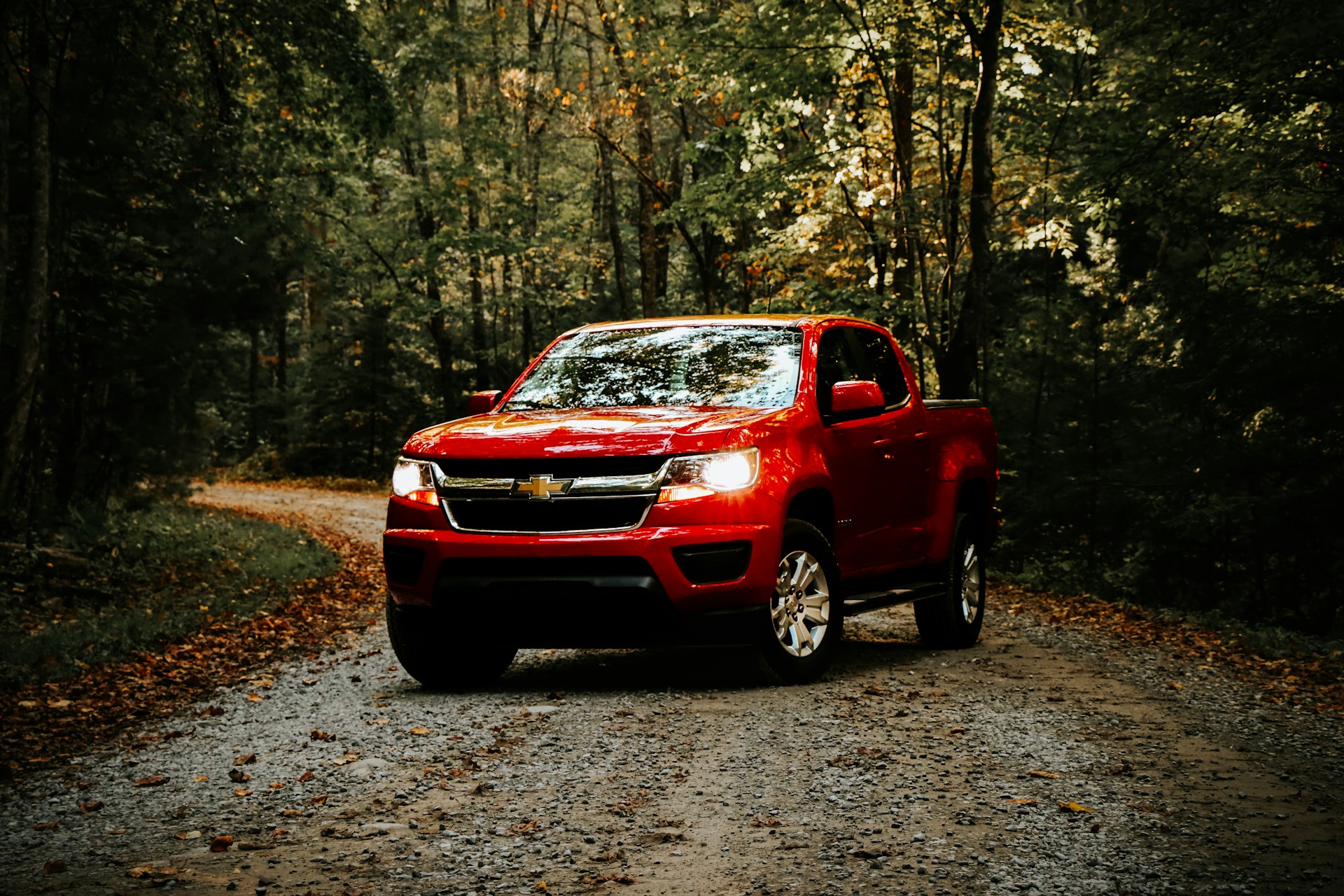
Planning Summer Adventures with the Right Chevy Towing Setup
Towing with your Chevy in the middle of summer is different from hauling a light load on a cool spring morning. When the sun is strong and your truck or SUV is packed for vacation, every pound you pull matters for safety and for how your vehicle feels on the road. That is where understanding how your specific Chevy should be set up for towing comes in.
At Chevrolet of Milford, many drivers get ready for July trips to the beach, camping weekends in New England, or days on Long Island Sound with the boat. This guide focuses on how to interpret the key weight ratings on your Chevy, how to match them to the type of trailer you plan to use, and what to check before you head out in the summer heat so this article stays distinct from general towing-capacity overviews.
Why Summer Conditions Change How Your Chevy Tows
Summer can be tough on a vehicle, even before a trailer is added. High temperatures, heavy vacation gear, and long highway drives all add stress. When you tow on top of that, your Chevy has to work even harder.
Here is what happens in hot weather when you tow:
- Engines work harder climbing hills and sitting in traffic
- Transmissions create more heat as they shift under load
- Brakes have to slow down both your vehicle and the trailer
If you push your Chevy too close to its limits during these conditions, you increase the chances of:
- Overheating on grades or in stop-and-go holiday traffic
- Longer stopping distances and less control
- Extra wear on brakes, tires, and suspension parts
In New England, the mix of steep hills, tight on-ramps, and coastal humidity adds to the strain. A trailer that felt fine at lower speeds can feel very different in heavy summer traffic on I-95 or on hilly back roads. Staying comfortably within your vehicle’s ratings helps keep your Chevy, your passengers, and your gear safer from Milford to wherever the road takes you.
Key Chevy Weight Ratings to Know Before You Tow
Towing terms can sound confusing at first, but once the basics are clear, the numbers start to make sense and help distinguish different towing setups.
Important ratings include:
- Gross Vehicle Weight Rating (GVWR): The maximum allowed weight of your vehicle plus passengers and cargo
- Gross Combined Weight Rating (GCWR): The maximum allowed weight of your loaded vehicle plus your loaded trailer together
- Payload: How much weight you can put in the vehicle itself (people, cargo, tongue weight)
- Tongue Weight: The amount of the trailer’s weight that presses down on the hitch
- Curb Weight: The weight of the vehicle by itself with standard equipment and fluids
You can usually find towing and weight information in a few places on your Chevy:
- Owner’s manual
- Driver-side door jamb sticker
- Trailering label in the door area or glove box on some models
Not every version of a model has the same capability. Options that can change how your Chevy should be set up for towing include:
- Engine choice, such as a more powerful engine compared to a smaller one
- Axle ratio
- length and cab style on trucks
- Whether it is 4×4 or 4×2
A Silverado, for example, may have different ratings depending on its configuration and equipment. The same idea applies to Colorado, Tahoe, Traverse, and other Chevy models. This is why it is important to look up the weight and towing details for your specific vehicle, not just the general model line.
Aligning Your Chevy with Your Specific Summer Trailer
Once the numbers are understood, the next step is aligning your actual summer plans with what your Chevy is equipped to handle. Different trailers and setups put different demands on your vehicle.
Common summer towing uses include:
- Small utility trailers for yard equipment or household items
- Pop-up campers and small travel trailers
- Boat and jet ski trailers for weekends on the water
- Cargo carriers, bike racks, and hitch baskets for vacations
Do not rely only on the trailer’s dry weight, which is the weight with nothing in it. The loaded weight is what matters, and that includes:
- Fresh water, fuel, and propane
- Camping gear, coolers, and tools
- Life jackets, fishing gear, and water toys
- Food, clothes, and other vacation items
Your Chevy also carries people, luggage, and other cargo. All of this counts against GVWR and GCWR.
Helpful rules of thumb:
- Tongue weight is usually about 10 to 15 percent of the total trailer weight for many bumper-pull trailers
- Keep tongue weight within the limits listed by Chevrolet and your hitch manufacturer
- Plan to stay below the maximum ratings instead of running right at the limit
Leaving a safety margin under the ratings often gives better stability, smoother braking, and more relaxed highway driving, especially in hot summer weather.
Summer-Ready Towing Checks for Your Chevy
Before pulling out of the driveway for a July trip, a quick but thorough check of your Chevy and trailer can make a big difference. Summer heat can turn small issues into bigger problems if they are not caught early.
Key areas to inspect before you tow:
- Tires: Check pressure on your Chevy and trailer, look for cracks or uneven wear, and confirm the spare is ready
- Fluid levels: Engine oil, coolant, transmission fluid, and brake fluid
- Brakes: Listen for noises, watch for warning lights, and pay attention to pedal feel
- Lights and wiring: Make sure all turn signals, brake lights, and running lights work on both vehicle and trailer
- Hitch hardware: Confirm the ball size matches the coupler, safety chains are crossed, and the pin and clips are secure
Heat puts extra load on your cooling system and transmission, especially on hills or in traffic. Regular service helps your Chevy handle that stress better. Coolant checks, transmission service where needed, and brake inspections are especially helpful before towing in hot weather.
Certain accessories can also make summer towing safer and more comfortable, such as:
- Trailer brake controllers when required for your trailer
- Weight-distributing hitches that help level the vehicle and trailer
- Towing mirrors for better side and rear visibility
- Factory-approved towing packages that include the right hitch and wiring
Having the right equipment, installed properly, helps your Chevy feel stable and confident even with a full load.
Local Help Setting Up Your Chevy for Summer Towing
Planning how to set up your Chevy for summer adventures does not have to feel stressful. The team at Chevrolet of Milford is available to help drivers and businesses in the Milford area choose the right Chevy truck or SUV, configure it correctly, and keep it ready for the road.
Staff can help verify the appropriate towing and weight information for your specific VIN, inspect your current vehicle for towing readiness, and install OEM parts and towing equipment that fit your Chevy. Whether you are planning a family camping trip across New England or a simple boat run down to the Connecticut shore, taking a little time to confirm your setup and prep your vehicle can lead to safer, more relaxed travel.
Find the Right Chevy Towing Power for Your Needs
If you are comparing trucks and SUVs for work, weekends, or everyday use, we can help you match the right towing strength to your lifestyle. Explore detailed specs, trims, and configurations with our Chevy towing capacity guide to see what each model can handle. When you are ready for personal guidance or have specific questions, contact us so our team at Chevrolet of Milford can walk you through your best options.
Connect with us


