





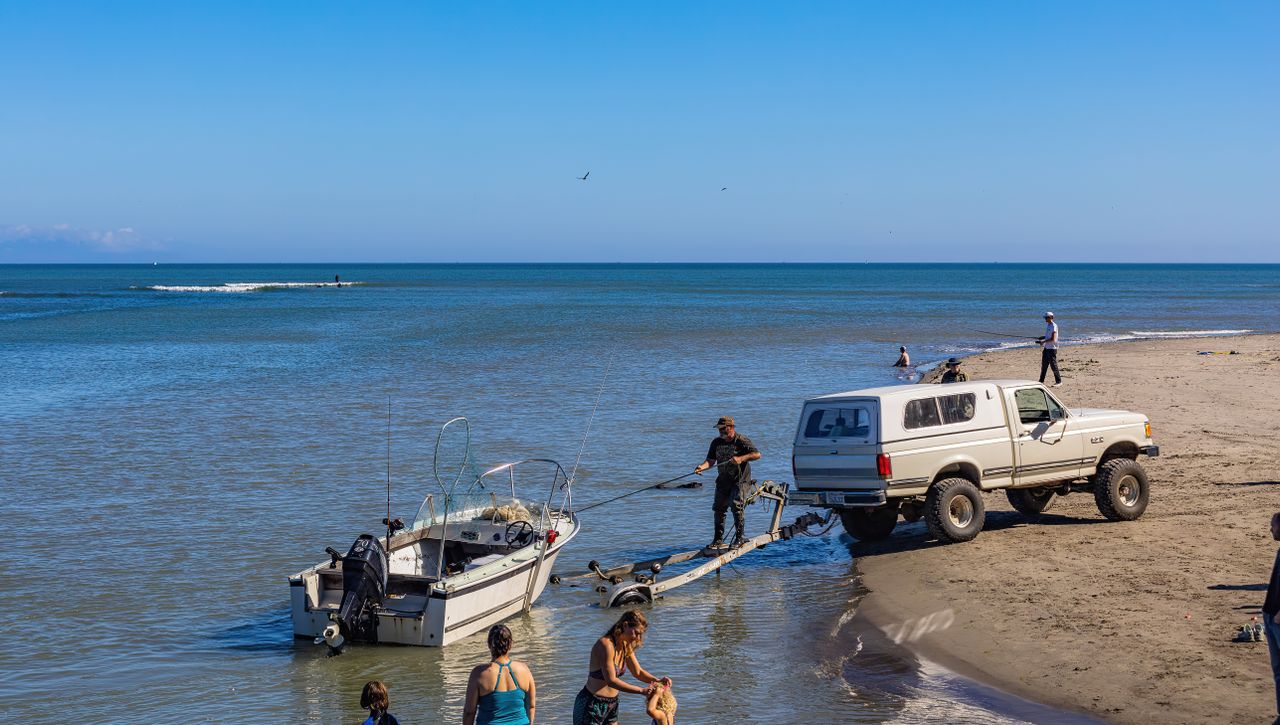
Tow Your Boat Safely With Chevy Tow Packages and Ramp Tips
Safe, easy boat towing starts long before you back down the launch ramp. It begins with matching your boat and trailer to the right Chevy, the right hitch, and the right braking setup so you feel calm behind the wheel instead of tense and white-knuckled. When those details are dialed in, getting to and from the water around Milford and along Long Island Sound feels a lot less stressful.
In this guide, we will walk through how to match your boat to your Chevy towing capacity, choose the right hitch and trailer brakes, pick a helpful tow package, and handle launch ramps with confidence. Think of it as a simple checklist to keep your summer fun, your passengers safe, and your Chevy in good shape for many seasons of towing.
Match Your Boat to the Right Chevy Towing Capacity
Before you hook up any trailer, you need a clear idea of how much weight you are actually pulling. That number is almost never just the dry boat weight on the brochure.
Key weights to know include:
- Dry boat weight (the hull and engine with no fuel or gear)
- Trailer weight
- Fuel in the tank
- Coolers, fishing gear, life jackets, and other cargo
- People and cargo in the Chevy itself
When you add all of that together, you get your real-world tow weight. That total should stay under your specific Chevy towing capacity with a safety margin. You can find your rating in your owner’s manual, on the driver’s door jamb label, or by asking a knowledgeable team member to help you look it up for your exact trim and engine.
Different Chevy models shine with different boat sizes. For example:
- Midsize pickups like the Chevy Colorado are great for smaller center consoles, dinghies, and personal watercraft.
- Full-size trucks like the Chevy Silverado are better suited for larger fishing boats and cabin cruisers.
- SUVs like the Chevy Tahoe and Chevy Suburban often tow family bowriders and runabouts, while still carrying passengers.
- Crossovers like the Chevy Traverse handle lighter boats and shorter trips to local ramps.
The goal is simple: pick a Chevy that tows your loaded boat and trailer comfortably, not one that is straining every time you hit a hill or a highway on-ramp.
Choosing the Best Hitch Setup for Your Boat Trailer
Once you know your weights, it is time to match your hitch to the job. Receiver hitches are sorted by class, and each class has its own typical weight range.
Common hitch classes for boaters include:
- Class II: Smaller boats and light trailers
- Class III: Very common for many boat and midsize trailer setups
- Class IV and V: Heavier boats, larger trailers, and serious towing needs
Most boat owners in coastal Connecticut end up in the Class III and IV range, but the right choice always comes back to your actual tongue weight and total trailer weight.
You also need to decide between a simple weight-carrying hitch and a weight-distributing hitch. Weight-carrying works fine for lighter setups and shorter trips. A weight-distributing hitch can help level the truck and trailer, improve steering feel, and add stability when you are:
- Towing a heavier boat
- Driving longer distances
- Spending time on highways with crosswinds or passing trucks
Do not forget the small but important hitch pieces:
- The correct ball size to match your trailer coupler
- The right shank rise or drop so the trailer rides level
- Safety chains crossed under the coupler
- A secure pin and clip for the hitch receiver
Professional installation at a qualified service center helps make sure everything is torqued correctly, wired correctly, and ready before you ever leave the driveway.
Trailer Brakes and Brake Controllers for Safe Stops
Stopping power matters just as much as pulling power. As boat and trailer weight goes up, trailer brakes move from “nice to have” to “strongly recommended” and in many cases legally required. States in New England have rules around when a trailer must have its own brakes, often based on weight. Even when rules allow you to go without them, most boaters feel safer and more in control with trailer brakes.
Boat trailers generally use two main brake types:
- Surge brakes: A hydraulic system in the coupler that applies the trailer brakes when the trailer pushes against the tow vehicle during braking. Common on boat trailers and simple to use, since there is no in-cab controller to adjust.
- Electric brakes: Use an electric brake controller in the tow vehicle to send power to the trailer brakes. They allow you to fine-tune how hard the trailer brakes respond.
Many Chevy trucks and SUVs offer an integrated brake controller. This lets you:
- Adjust trailer brake strength from the driver seat
- Match braking feel to trailer weight and road conditions
- Improve control on long downhill grades or in wet weather
Properly set trailer brakes help keep your rig straight, reduce stopping distance, and cut down wear on your Chevy’s own brakes.
Chevy Tow Packages That Make Boat Towing Easier
Factory tow and trailering packages from Chevy bring together a group of features designed for towing, all built into the vehicle from the start. While details vary by model and trim, these packages often include things like:
- A factory receiver hitch platform
- Trailer wiring harness and connector
- Upgraded engine and transmission cooling
- A trailer brake controller on select models
- Tow/haul driving mode and helpful camera views, depending on the vehicle
For boat owners, each of these adds up to real-world comfort: cooler engine temps on hot July days in traffic, stronger and more confident braking, less sway on the highway, and easier hookups when you are lining up to your trailer at the marina.
When you choose a Chevy with the right tow package for your boat weight and how often you tow, you are not just chasing a bigger Chevy towing capacity number. You are setting yourself up for smoother, safer trips, especially during peak boating weekends when ramps and roads around Milford get busier.
Confident Boat Launches and Recoveries at the Ramp
A good tow setup is only half the story. The launch ramp can be where things either go very smoothly or very wrong. A few simple habits help keep everyone calm and safe.
Ramp etiquette and safety tips:
- Load coolers, gear, and life jackets in the parking area, not on the ramp.
- Walk around the trailer and remove straps before backing down.
- Use a spotter whenever possible to guide you while backing.
- Set the parking brake firmly when you stop to launch or retrieve.
- Move your vehicle and trailer away from the ramp as soon as you are done.
Many Chevy trucks and SUVs come with features that help with tricky ramps. Tow/haul mode can adjust shift points for better low-speed control. Available camera views help you line up the trailer coupler, check behind the trailer, and see around obstacles. Traction control and, in some models, four-wheel drive can give better grip on steep or slippery concrete, especially when algae or water make the surface slick.
After you are back on level ground, take a minute for a quick post-trip check:
- Rinse your Chevy and trailer with fresh water if you were in salt or brackish water.
- Touch wheel hubs carefully to see if any feel unusually hot.
- Look and listen for brake or bearing issues.
Regular service on your tow vehicle helps make sure it is ready for your next launch, not just the first one of the season.
Plan Your Next Boat Tow with Confidence
Before your next day on the water, take a moment to confirm your numbers. Know your total boat and trailer weight, compare it to your Chevy towing capacity, and make sure your hitch, wiring, and brakes all match what you are asking your vehicle to do. A little planning now can prevent big headaches when you are halfway to the ramp with a full crew on board.
For boaters around Milford and Long Island Sound who want help sorting through hitch options, brake setups, or Chevy tow packages, the team at Chevrolet of Milford can walk through your boat details, your towing habits, and your current or future vehicle. Whether you are fine-tuning a setup you already own or thinking about a more capable Chevy for bigger water, having the right combination of vehicle, equipment, and know-how makes every trip to the launch ramp feel easier and more relaxed.
Unlock Maximum Towing Confidence For Your Next Chevy
If you are comparing models for work, weekend adventures, or hauling gear, we make it simple to understand real-world capability. Explore detailed specs and charts for Chevy towing capacity so you can choose the truck or SUV that fits your needs. When you are ready to talk through options or schedule a test drive at Chevrolet of Milford, just contact us and we will help you move forward with confidence.
Connect with us


