



Blog / MILFORD Chevrolet Dealer

Blog

All MILFORD Chevrolet Dealer
Chevrolet

Protecting Your Chevy's Interior From Sun Damage

When summer rolls around in Milford, your Chevy might start to feel the heat in more ways than one. While most drivers focus on the engine and AC, it's easy to forget that sunlight can quietly wear down your vehicle’s interior. Dashboards fade, leather cracks, and plastic panels lose their shine after too much time in the sun. It doesn't take long for a once-polished interior to start looking tired and dull. more Taking a few smart steps can keep your Chevy’s interior fresh and comfortable, even as temperatures climb. Whether you're running daily errands or heading out on a weekend road trip, protecting the inside of your car can make a big difference in both how it looks and how it feels. Below are some practical tips that can help you block UV rays, lower cabin temps, and keep things in good shape long-term. Understanding Sun Damage Direct sunlight can look harmless through the windshield, but over time, it causes real damage to the materials inside your vehicle. UV rays break down surface coatings and fabric dyes, leaving behind a worn, faded look. Heat also builds up quickly in parked cars, which speeds up the process and weakens the materials even more. Here’s how different parts of your interior can be affected: 1. Leather and vinyl seats: These materials are prone to drying out. Over time, they can crack or split, especially if not treated regularly with conditioners. 2. Dashboard and steering wheel: Hard plastic surfaces take a hit from the sun. With prolonged exposure, they may warp, fade, or even start to feel brittle to the touch. 3. Fabric upholstery: Cloth seats might not crack, but they definitely fade. Patterns and colors can lighten unevenly, leaving you with blotchy or faded patches. 4. Electronic components: Heat from trapped sunlight can overheat touchscreens, navigation systems, or infotainment displays. Damage here may not be visible at first, but performance can suffer. One customer shared how they left their car parked outside for a few weeks without shade during a stretch of sunny days. When they returned, the dashboard had gone from a smooth black finish to a pale gray tone, and the leather on the driver’s seat had started to peel. They didn’t realize the sun could do all that damage so fast. Knowing how the sun impacts each part of your Chevy's interior is the first step to preventing it. With a few simple changes, you can stop this kind of damage before it becomes a bigger problem. Protective Measures That Make a Difference Sun damage creeps in slowly, but the right habits can save your car’s interior from fading or cracking early. Here are a few practical ways you can shield your Chevy from harsh UV rays and summer heat. 1. Use sunshades and window tints: Placing a sunshade in the windshield when you park helps block direct sunlight from heating up the dashboard and seats. Rear window shades or tints add more coverage and keep the whole interior cooler. Tints also cut down on glare while driving, which can help prevent eye strain. 2. Apply UV protectant sprays: Dashboards, steering wheels, and vinyl surfaces benefit a lot from a UV-resistant spray. It adds a clear barrier that helps keep plastic and rubber from drying out or fading. Spray-on products made for leather surfaces help seal in moisture and prevent cracking too. 3. Park smart: If there’s a garage or shaded area available, use it when you can. Even partial shade helps reduce the sun’s effects. If you have to park in an open lot for long hours, consider using a full car cover. Some are lightweight and easy to fold, and they can protect every inch of your vehicle’s trim. 4. Use seat covers: Custom or universal seat covers add a layer of protection that takes the brunt of the sunlight. They’re especially useful for daily drivers or older vehicles with original upholstery you’d like to keep intact. Protecting your Chevy’s interior doesn’t have to take a lot of effort. Mixing one or two of these options into your routine can go a long way toward maintaining your car’s appearance and comfort, even during the warmest months in Milford. The key is consistency. Doing a little bit every time you drive helps your interior stay in good condition for years. Regular Maintenance Once you’ve set up basic protective measures, regular maintenance can keep your Chevy’s interior looking its best. Think of it as part of your routine, like washing your car or checking tire pressure. Regular cleaning and conditioning are key to making surfaces last longer and staying vibrant. Start by setting a routine for interior cleaning. Dust and dirt can sneak into every corner, dulling surfaces and making them stickier. Grab a microfiber cloth to wipe down dashboards and door panels regularly. For deeper cleans, use a vacuum with attachments to tackle carpets and upholstery. Treat leather seats with a dedicated conditioner to prevent drying out or cracking. For the dashboard and plastic surfaces, a simple wipe with a cleaner once a month works well. Being proactive is your best bet against sun damage. Look over everything inside your car once in a while. You’re looking for early signs of wear, like tiny cracks in vinyl or slight fading in fabric. Spotting these issues early means you can fix them before they get worse. And don’t forget about those cupholders and console areas where spills are most likely to happen. A quick dip in warm water with a bit of dish soap will clean those right up. Here is a simple maintenance checklist you might find helpful: Dust dashboard and door panels weekly with a microfiber cloth. Vacuum carpets and upholstery every two weeks. Condition leather seats monthly. Use a cleaner on plastic surfaces once a month. Inspect interior for signs of fading or cracking every few months. This mix of protective measures and routine care will help keep your car’s interior looking great while also making every trip more enjoyable. Keep Your Chevy Comfortable and Stylish Prioritizing your car’s interior isn’t just about appearances. A well-maintained interior boosts driving comfort too. Whether it’s a weekday commute or a weekend trip, stepping into a clean, shaded, and fresh space can make all the difference. A properly conditioned dashboard and well-kept seats don’t just show pride in your ride. They help maintain your car’s resale value and prevent avoidable wear. And let’s not overlook that comfortable seating and cool surfaces are much more enjoyable when summer temps are high. Visualize it now: stepping into your Chevy in July and being greeted by smooth leather, vibrant colors, and a comfortable interior temperature. That simple comfort adds to the daily experience behind the wheel. Upgrade to a Newer Model if Needed Some older vehicles may already have signs of sun damage that are hard to reverse. If your current ride doesn’t feel as fresh or functional as it once did, this may be the right time to consider trading up. A newer Chevy model can bring added comfort, updated features, and better upholstery protection. You don’t necessarily have to buy brand new either. Chevrolet of Milford offers a wide selection of used Chevy cars that blend affordability with style and comfort. Whether you're looking for a roomy SUV, a dependable sedan, or something sleek for daily drives, there’s a good chance you’ll find a reliable match. Choosing Comfort and Reliability Taking steps to protect your Chevy’s interior goes beyond simple upkeep. It helps preserve comfort, style, and function across every season. Your daily drive deserves a cabin that feels welcoming, not worn out. By staying a step ahead through smart habits, such as using shades and sprays or upgrading when necessary, you can extend the life of your vehicle’s interior. And if you're outgrowing your current car, options like used Chevy cars from Chevrolet of Milford can help you keep things practical without giving up quality or comfort. Good habits today could mean fewer repairs and a better driving experience tomorrow — and that’s always worth the effort when you're behind the wheel in Milford and nearby cities. Considering adding a new ride to your driveway? Explore our lineup of used Chevy cars to find the right fit for your lifestyle. At Chevrolet of Milford, we make it easy to drive in comfort and style, no matter the season.

Chevy

Why Your Chevy's Power Windows Stopped Working

Power windows make driving more convenient, especially when you're on the road during a hot summer day or need to open a window quickly at a drive-thru. Unlike older vehicles with manual cranks, today’s power windows rely on a combination of electrical parts and switches to operate. When they suddenly stop working, it can be more than just annoying—it can throw off your whole day. more In a town like Milford, where commutes and errands happen in all kinds of weather, a power window stuck halfway down isn’t just frustrating. It can make driving uncomfortable and even distracting. Whether your window won’t roll up at all or only acts up sometimes, there’s usually a reason behind it. Most issues come down to a few common problems. Once you figure out what might be causing the trouble, you’re one step closer to a smoother fix. Common Reasons Why Power Windows Fail Power windows can stop working for a handful of reasons, usually falling into one of three categories: electrical problems, mechanical issues, or faulty switches. Knowing the likely causes can help set expectations before getting the problem looked at by a professional. Here are some common reasons your Chevy’s power windows might suddenly stop working: 1. Blown Fuse: If one window stops working but the rest are fine, it may be a blown fuse. Modern vehicles often have individual fuses for each window, so a single issue might not affect the others. A blown fuse breaks the electrical connection and prevents the window from responding. 2. Faulty Wiring: Inside your door panel, wires run from the switch to the motor and other components. Over time, movement from opening and closing the door wears these wires down. If one frays or disconnects, the power window could stop working without warning. 3. Broken Motor or Regulator: Underneath the door panel, a small electric motor is connected to a part called the regulator. This system controls how the window moves. If either the motor or regulator breaks or wears out, the window might freeze in place or make grinding noises. 4. Switch Malfunction: The switch you press to operate the window might be the issue. If the contact points inside the switch get dirty or worn out, the circuit fails to connect. No matter how many times you press it, the window won’t react. 5. Window Track Obstruction: Sometimes the window isn’t the issue at all. Dirt, leaves, or small debris can get into the track and jam things up. This can keep a window from rolling up or down smoothly or at all. There was once a local customer who came in assuming their window motor had burned out. After explaining the issue, our technician discovered a spill had occurred near the button and corroded the switch connection. A quick clean-up later, the window worked fine again. Small everyday things like that can be the root cause, more often than you might think. If a window stops working, it helps to check which other ones are still operating. If it’s only one window, the issue might be limited to that door. If multiple windows aren’t working, the cause could be more complex. Either way, it helps a technician narrow things down and get moving on the fix faster. Diagnosing the Problem To get a better idea of what’s wrong, start by listening and observing. Press the window switch and listen closely—does the motor make any noise? A humming sound usually means the motor’s still responding and something mechanical like the regulator or a blockage may be to blame. No sound at all suggests you could be looking at an electrical issue. Next, test the other windows. If all are unresponsive, the main power connection, shared fuse, or circuit could be the issue. If only one window has a problem, the focus narrows to that particular door’s components. Try these simple checks: Ask a passenger to press their switch and compare what happens. Look inside the fuse box (often under the dash or hood) and check for any blown fuses. Lightly press on the glass to feel for resistance. It might reveal if there’s a blockage. While these steps can be helpful for identifying some obvious problems, many issues aren’t obvious without removing panels or using diagnostic tools. That’s where a trained technician comes in. When to Seek Professional Help Trying to fix power window issues on your own can be risky. Door panels are packed with wires, sensors, and moving parts that don’t always respond well to guesswork. If a repair isn’t done correctly, it can lead to higher repair costs or risk damaging other systems inside the door. Professionals can figure out the real issue faster and fix it safely. Whether it’s a minor issue with the switch or something more serious like a worn-out motor, it’s better to let someone with the right tools and experience handle the job. At Chevrolet of Milford, our team takes care of these kinds of problems every day. We make sure everything is checked properly and that the repair holds up over time. What to Keep in Mind Moving Forward Power windows are something you rely on without even thinking about it—until something goes wrong. When they stop working, it might be caused by a single worn part or a small connection failure. Whether it’s a blown fuse, a broken regulator, or a faulty switch, understanding how each part can play a role makes everything feel less out of the blue. By staying aware of strange sounds, slow movements, or windows that respond inconsistently, you’re more likely to catch small problems before they lead to larger ones. And when in doubt, it’s always safer to take your vehicle to experts who can diagnose and repair the issue effectively. Drive with Confidence in Milford Power window trouble isn’t just inconvenient—it can affect air circulation, security, and your comfort on the road. Getting it repaired right away helps avoid bigger problems that could show up later. Whether you’re commuting, running errands, or heading to the beach, knowing every piece of your vehicle is in working order brings more peace of mind. If your vehicle is starting to show repeated problems or no longer fits your daily needs, it might be time to think about an upgrade. A newer model with reliable power window systems and added technology can improve your driving experience. If you're searching for dependable used Chevy cars in Milford, there are plenty of options available that offer both comfort and performance. Getting into a vehicle that suits your lifestyle better might be the best decision you make for your daily drive. Ensure your driving experience remains breezy and stress-free by resolving any window issues quickly. If your current ride isn't fitting your needs, consider exploring our selection of used Chevy cars at Chevrolet of Milford. A newer model might be just what you're looking for to add comfort and reliability to your daily commute.

Chevy

Understanding Your Chevy's Warning Lights

When you're driving through Milford or just heading across town, the last thing you want to see pop up on your dashboard is a warning light. It can be confusing, especially if you're not sure what the light means or what to do about it. While some indicators are minor, others could signal bigger problems that need quick attention. Understanding these alerts can help you make the right call before a minor issue turns into a trip-ending problem. more Most Chevy vehicles are designed with built-in alerts to keep you informed about how your vehicle is performing. These warning lights are there to protect you and your vehicle. They act like a communication tool between you and your car. The challenge is figuring out what each light stands for and knowing whether it's something you can deal with later or if it needs immediate action. The good news is, once you know what to look for, handling these alerts becomes a lot less stressful. Common Chevy Warning Lights And Their Meanings Knowing the different types of warning lights can help you decide your next step. Some lights show up when you start your car just to show the system is working. Others appear while driving and may need quick action. Here’s a breakdown of some lights you’re most likely to see: 1. Check Engine Light: This is one of the most recognized warning lights. It doesn’t always mean a major problem, but it shouldn’t be ignored. It could be something small, like a loose gas cap, or something more serious, like an engine misfire. If this light stays on, it’s best to have a technician take a look. 2. Battery Warning Light: When this lights up, your car may not be charging properly. This could point to a weak battery, worn alternator, or an issue with the wiring. If you lose battery power, your vehicle could stop running. It’s smart to get it checked soon after the light comes on. 3. Oil Pressure Warning Light: Low oil pressure can lead to engine damage. If this light comes on while you’re driving, pull over and turn off the engine. Running the vehicle without proper oil pressure could cause lasting damage. Check your oil level if you can, but do not ignore this light. 4. Tire Pressure Monitoring System (TPMS) Light: This warning shows up when one or more of your tires are under-inflated. Driving with low tire pressure affects fuel economy and tire lifespan. More importantly, it can make your vehicle harder to control, especially at higher speeds. Use a tire pressure gauge to check and add air if needed. Each of these lights says something slightly different about what’s going on under the hood or below the vehicle. One Milford driver shared how he ignored his battery light for a few days until his car wouldn't start in his own driveway. It turned out to be a worn alternator belt, which could’ve been fixed much sooner and for less money. These lights are there to help, not to panic you. Reading them right can save a lot of time, money, and stress. What To Do When Warning Lights Illuminate Some lights demand attention right away, while others let you finish your drive before taking action. If a warning light shows up on your dashboard, follow these steps to stay safe and protect your vehicle: Stay calm. Don’t make sudden stops unless it’s clear the issue is serious. Look at your gauges and other dash indicators. Low oil pressure or overheating may come with other signs like rising engine temperature. Pull over safely if the light is flashing or your car shows signs of trouble such as loss of power, strange noises, or shaking. Turn off the vehicle if you think it’s unsafe to continue driving. Pushing the vehicle further could do more harm than good. Check your owner’s manual for the meaning behind the warning light and guidance on the next steps. Avoid guessing. Warning lights are designed to be clear alerts, and it’s better to call a trusted technician than rely on trial and error. Keeping an eye on your dashboard and acting quickly when warning lights appear helps prevent both stress and expensive repairs. Whether it’s a drive down the Connecticut coastline or a quick run to the store in Milford, staying alert and informed makes every trip a little easier. Preventive Maintenance Tips Taking care of your Chevy with regular maintenance can help avoid sudden warning lights while keeping your ride smooth. A few simple steps go a long way: Regular Vehicle Check-Ups: Routine check-ups at a service center can catch small problems before they turn into larger issues. Trained technicians can spot wear and tear early—things a regular driver might not notice. Think of it like visiting a doctor for routine health checks. Timely Oil Changes: Oil plays a key role in engine health. Regular oil and filter changes prevent overheating and keep internal parts working smoothly. This also helps avoid the oil pressure light from popping up unexpectedly. Your owner's manual will guide you on the right time frame or mileage range. Battery and Tire Inspections: Check the condition of your battery and tires often. A well-maintained battery means fewer surprises when you turn the key. Properly inflated and healthy tires are not just safer but can also extend tire life and improve fuel efficiency. Both checks are quick but make a big difference. Staying ahead of maintenance needs reduces the chances of warning lights coming on mid-drive and helps your Chevy stay reliable for the miles ahead. When to Contact Chevrolet of Milford There are times when a warning light might be part of a larger issue. Here's when it's a good idea to reach out to Chevrolet of Milford: Persistent Warning Lights: If you’ve already addressed a problem and the light stays on or keeps coming back, something more serious could be going on. Let our team run diagnostics to find the root cause and take care of it before it grows. Unusual Noises or Smells: If warning lights show up along with sounds like knocking or grinding, or strange smells like burning rubber or oil, don’t wait. Those signs are often linked to essential components needing repair. We'll identify and fix it quickly. Loss of Vehicle Performance: Sluggish acceleration, frequent stalling, or strange shifts in how your Chevy drives might come with warning lights too. These issues can affect everything from fuel usage to safety. Letting our trained professionals take a look sooner than later can prevent you from being left stranded. You never have to guess what’s going wrong. Chevrolet of Milford is always ready to help you get back on the road with confidence. How Staying Aware Keeps Milford Drivers Rolling Understanding and responding to your Chevy’s dashboard alerts is all about keeping your vehicle strong and your journey stress-free. Letting a minor issue go too long can turn into a bigger headache, whether you’re tackling work in downtown Milford or heading out for a relaxing weekend drive. The more you pay attention to these signals, the easier it is to protect your vehicle. Think of it as teamwork between you and your car. You stay alert, and your car gives you fair warning. When you take a moment to recognize those signals early, you're already ahead of the problem. That kind of peace of mind is worth every bit of attention. If you're thinking about upgrading your ride or simply want something more reliable for your daily drives, take a look at our current lineup of Chevy cars for sale. The team at Chevrolet of Milford is here to help you find a vehicle that fits your lifestyle and gets you where you need to go with confidence.

Brakes

Signs Of Failing Brakes In Your Chevy

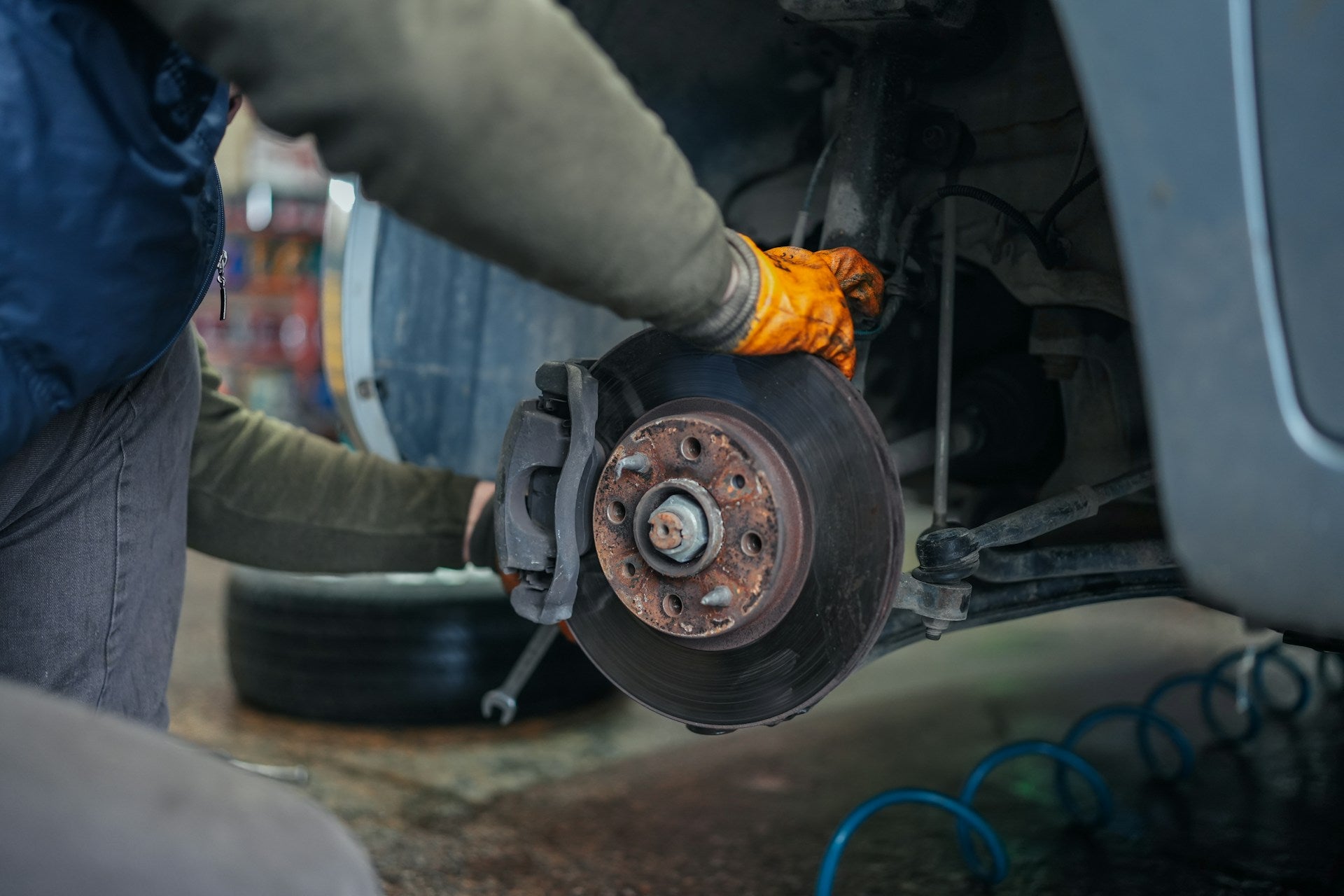
Your brakes are one of the most important safety features in your Chevy. They give you the control to stop quickly, steer safely, and protect yourself and others on the road. When they start acting up, it's not something you want to ignore. Letting brake issues go unchecked can lead to expensive fixes and put you at risk behind the wheel. more Whether you're commuting through Milford, doing errands, or planning a drive across Connecticut, feeling confident in your brakes matters. It's not just about comfort behind the wheel—it's about knowing your car will do what it needs to when you hit that pedal. Luckily, Chevy vehicles usually give you clear signs when the brakes need attention. The sooner you recognize those signs, the easier and safer your next steps will be. Recognizing the Warning Signs Brakes don’t just stop working all at once. Problems usually show up through small but growing changes that can be easy to miss if you’re not watching (or listening) closely. Being familiar with what to expect helps you know when it’s time to schedule a service. Here are a few clear signs your brakes might be in trouble: Squeaking, squealing, or grinding noises: Hearing a high-pitched squeak or a loud grind when braking could mean your brake pads are wearing down. When it gets to metal-on-metal grinding, you risk damaging the rotors. Soft or spongy brake pedal: If your brake pedal sinks lower than usual or feels soft when pressed, there might be air in the brake lines or even a fluid leak in the system. Vibrations while braking: If you feel shaking through the steering wheel or brake pedal while slowing down, your rotors could be warped. This happens from heat or wear and reduces braking performance. Longer stopping distances: Does your Chevy take longer to come to a full stop? That’s often a sign your braking power is decreasing. Pulling to one side: If your vehicle pulls left or right when braking, it might have a stuck caliper or uneven wear on the pads or rotors. One moment that stands out for a lot of drivers is when approaching a stop sign or red light and you suddenly feel a shudder in your foot as the brake pedal pulses—and then you hear a grinding noise. That’s usually your car telling you that part of the braking system, such as the pads or rotors, needs attention. Visual Inspections and What to Look For Even if you’re not a technician, you can keep an eye out for signs of brake wear. A quick visual check around the car might give you a heads-up that something’s not right before you even get into the driver’s seat. Start by looking through your wheels. Most Chevy models give you a clear view of the brake pads and rotors. If the pad thickness looks very slim—less than a quarter inch—it’s probably time to get them replaced. You might also notice deep grooves in the rotor or uneven surfaces. Those changes can reduce the effectiveness of your brakes. Check the area under your car or near the wheels for any fluid. Brake fluid leaks are a serious issue. If you spot small wet patches and the fluid is clear to yellowish with a slightly oily feel, it could signal a leak. Loss of brake fluid can make your brakes feel weak or slow to respond. Other things to keep an eye on? Surface rust or grime buildup. A little rust is common after rainy days or humidity, but if the rust is thick, flaky, or combined with noises like grinding, it’s best to have it looked at. Build-up can lead to poor performance or brake drag. Even if everything looks normal, uneven wear or mystery stains are solid reasons to let a qualified technician take a look. Prioritizing Safety: What to Do When You Notice Issues If you're starting to notice any of the warning signs listed above, don’t wait too long to act. Driving with bad brakes can increase your risk of accidents and make your vehicle harder to control. It’s better to take care of things early than wait for a breakdown. Here’s what to do next if you think something is off: 1. Make a note of how the vehicle feels and sounds while braking. Details help the technician understand the problem faster. 2. Try to cut down on driving until the issue is fixed. The less time you spend behind the wheel, the lower the risk of structure damage or brake failure. 3. Plan for extra stopping distance and drop your speed if you have to drive before getting it serviced. 4. Park somewhere clean and dry, then check around your wheels for wet spots or leaking fluid. Report anything unusual when you visit your service center. Of course, the best thing you can do once you spot those signs is to schedule a brake inspection right away. Certified automotive technicians have the training and equipment to check pressure, pad thickness, leaks, and more. That gives you peace of mind and avoids bigger repair bills down the line. Keeping Your Brakes in Top Condition Brakes take a lot of wear during daily drives, so a little bit of regular upkeep goes a long way. Staying on top of brake health should be a part of your vehicle care routine. Here are simple ways to help extend the life of your braking system: Check your brake fluid a few times a year. Low levels might point to a leak or tell you it's time for pad replacement. Don’t stretch your brake pad life too far. If a technician says it’s time to change them, do it. Worn-out pads can lead to major damage. Always listen for new or odd sounds, especially grinding or squealing. Sound changes usually show up before performance loss. Consider having a full brake inspection before any long trip. Highway driving or hilly routes put more demand on your brakes. Catching small issues during routine check-ups could save you from having to deal with larger problems. Your Chevy’s brakes will thank you with reliable performance every time you hit the road. Drive Confidently With Working Brakes Staying alert to changes in how your brakes feel and sound can help you catch trouble before it catches you off guard. Keeping the braking system in check doesn’t just protect your car—it protects you and everyone in it. In the end, it's about creating safe habits. Watch for warning signs. Make time for inspections. Act fast when something feels off. That way, you can drive through Milford and beyond knowing your brakes are ready for every stop sign, traffic light, and turn ahead. If you're thinking about upgrading your ride in Milford, staying safe starts with choosing the right vehicle. Browse our inventory of used Chevy cars at Chevrolet of Milford and find one that’s ready to deliver reliable performance every time you hit the road.

Chevrolet

Maximizing Your Chevy's Fuel Economy

Gas prices always seem to go up when you least expect it. Whether you’re commuting from Milford or running errands around town, every stop at the pump can feel like a hit to your wallet. That’s why getting the most miles out of every gallon matters now more than ever. Small changes in how you drive and care for your vehicle can add up quickly when it comes to fuel efficiency. more Most drivers just want their Chevy to run smooth, get them where they need to go, and not burn through gas faster than necessary. If you’ve found yourself wondering why your tank seems to empty faster than it used to, you’re not alone. From simple habits behind the wheel to basic upkeep, there are several straightforward ways to keep your car running better and lasting longer between refuels. Regular Maintenance Checks That Make a Difference Keeping up with regular maintenance can help your Chevy stretch every gallon a little further. When your car’s basic systems are in good shape, they don’t have to work as hard to perform. That means better fuel economy and often, better performance overall. Here are a few routine checks that go a long way: Oil changes: Fresh oil helps the engine run more efficiently. When oil is old or low, it causes friction that makes the engine work harder and burn more gas. Air filter replacements: A clean air filter lets the engine breathe easily. When it's clogged, airflow slows down and so does your fuel mileage. Tire pressure: Low tire pressure can drag down fuel efficiency fast. Check your tires monthly, especially when the temperature shifts, which can cause pressure to drop. Think of it like this. Running with an old filter and underinflated tires is like trying to jog in deep sand. You’ll still move forward, but it takes a lot more energy to do the same thing. That’s exactly what’s going on when your car’s systems are overdue for service or checks. Even small slip-ups can quietly cost you at the pump over time, especially as summer driving picks up. Smart Driving Techniques To Use Every Day How you drive plays a bigger role in fuel economy than most people realize. Sudden starts, hard braking, and speeding all make your engine use more fuel than needed. But when you adopt some smoother habits, you can help your Chevy use its gas more wisely. Some easy changes you can make behind the wheel: 1. Take it easy on the gas pedal. Accelerate at a moderate pace instead of flooring it. 2. Ease off the brakes. Try to anticipate stops rather than slamming the brakes at the last second. 3. Stick to the speed limit. Going faster might feel like you're saving time, but it usually burns more gas. 4. Use cruise control on the highway. It helps maintain a constant speed and saves fuel during long drives. For example, say you’re cruising down I-95 from Milford to Bridgeport. Keeping a steady speed and using cruise control instead of weaving through traffic helps you conserve fuel and keeps your ride smoother overall. Next time you're driving, pay attention to your own habits. Even just being a bit more mindful of how often you’re speeding up or slowing down can lead to noticeable savings on fuel. It’s better for your car, your pocket, and makes your drives a whole lot more relaxed. Reduce Excess Weight One of the simplest ways to improve fuel efficiency is by reducing the load your Chevy carries. Every extra pound requires more energy to move, which means the engine burns additional fuel. Imagine trying to carry a heavy backpack while walking. It's much easier to keep a brisk pace when you're not weighed down. To start lightening the load, look through your trunk and backseat for unnecessary items. That toolkit you don’t use often, sports gear that’s only needed on weekends, or even accumulated clutter can add unnecessary weight. Quick Tips to Trim Down Vehicle Weight: 1. Remove bulky sports equipment immediately after use. 2. Clear out unused items in your trunk and backseat regularly. 3. Opt for lightweight replacement parts if and when upgrades are necessary. Keeping your Chevy nimble not only helps save on gas but also can make your ride smoother and your vehicle handle better. Use A/C And Electronics Wisely It's tempting to crank up the AC on hot Milford days, but doing so liberally can be a drain on fuel. The same goes for gadgets that draw electricity from the engine. Knowing when and how to use your vehicle's electronics can preserve fuel without sacrificing comfort. Here are some savvy ways to manage AC and gadgets: Use the AC at medium power. Once your car is cool enough, switch to a lower setting to maintain the temperature. Open windows at low speeds to save fuel, reserving AC for when you're on the highway where open windows can increase drag. Turn off electrical devices like chargers and entertainment systems when you don't need them. Park in the shade to keep your car naturally cooler and reduce AC reliance when you start driving. Managing your car's electronics efficiently ensures you're not using more fuel than necessary. Just these small adjustments can contribute to notable savings over time. Explore Improvements and Upgrades Sometimes, making a few strategic upgrades can further enhance your Chevy's fuel economy. Opting for more efficient tires, aerodynamic parts, or even high-performance fuel injectors can do wonders for your gas mileage. Each upgrade offers its own advantage, from reducing drag to improving combustion efficiency. Consider discussing options with professionals who can advise on the best choices for your specific Chevy model. These improvements not only help in saving on fuel but also keep your vehicle up-to-date with better technology for a superior driving experience. Keeping Your Chevy Economical in Milford Understanding your vehicle and adopting practical habits make a difference in reducing fuel costs. By staying committed to regular maintenance, refining driving habits, lightening the load, wisely managing electronics, and exploring thoughtful upgrades, you develop a well-rounded approach to maximizing your Chevy's fuel economy. These efforts help keep your driving smooth, your gas tank fuller for longer, and your Chevy in top shape around Milford and beyond. To make the most of your fuel-saving efforts and keep your Chevy performing at its best, stay proactive with regular maintenance and mindful driving habits. If you're thinking about upgrading to a more efficient vehicle, take a look at our selection of Chevy cars for sale. Chevrolet of Milford is here to help you choose a model that fits your lifestyle and drives smarter every mile.

Chevy

Planning Your Summer Road Trip In A Chevy

Planning a summer road trip is one of the best ways to kick off the season. Whether you're heading to the beach, exploring small towns, or just looking for an open highway and good tunes, hitting the road gives you a chance to slow down and enjoy the ride. But before you throw your bags in the back seat and pull out of the driveway, it helps to give your vehicle some thought. more A smooth trip doesn't start when the wheels begin to roll. It starts with getting your car, your gear, and your route ready ahead of time. Taking a little time to prepare makes the trip less stressful and a lot more fun. From choosing the right ride to checking a few key components, here’s how to get started. Choosing The Right Chevy For Your Trip Picking the right vehicle matters, especially if you're planning to spend hours on the road. Used Chevy cars offer great flexibility, whether you’re driving across state lines or staying close to home. The best road trip cars often come down to comfort, space, and how well they handle longer drives. If you're traveling with a group or need room for outdoor gear, something like the Chevy Tahoe or Traverse could be a great fit. These models offer generous cargo space and available third-row seating, so everyone and everything comes along comfortably. For smaller families or couples, the Chevy Equinox strikes a solid balance. It's easy on gas, handles well, and still gives you enough space for luggage or beach gear. Here are a few things to think about when picking a used Chevy car for your trip: How many people are going? Make sure there's enough room for everyone to ride comfortably. What kind of terrain will you be driving through? If you're heading through mountains or gravel roads, all-wheel drive might be worth it. How far are you driving? Long trips may call for vehicles with better fuel economy. What are your storage needs? Think about coolers, bags, sports gear, or even a stroller. Choosing the right car isn’t just about what gets you there. It’s about comfort for the long haul. Look back on past road trips and think about what you wish you had—like more legroom, better seat comfort, or more charging ports. This can help guide your choice. Pre-Trip Vehicle Inspection Checklist Once you've picked your Chevy, it’s smart to check that everything is working the way it should. Summer heat and highway driving can push your vehicle harder than short daily commutes. A pre-trip checkup helps avoid delays on the road and gives you some peace of mind. Start by focusing on the key areas that affect how safe and reliable the car is. This includes your tires, brakes, fluids, lights, and battery. With summer weather picking up in Milford, your battery deserves special attention. High temperatures can lead to faster wear and unexpected failures. Here's a basic checklist to help you prep: Tire pressure and tread: Check for uneven wear, nail punctures, and proper inflation. Brake function: Listen for squeaking and make sure there’s no shaking when braking. Oil and other fluids: Check oil, coolant, brake fluid, transmission fluid, and windshield washer levels. Lights: Test all headlights, brake lights, and turn signals. Battery condition: Make sure the battery is fully charged and that terminals are clean and secure. One example: a family from Milford heading to northern Vermont noticed slight flickering in their dashboard lights. It turned out their battery was nearly dead. Catching the issue early saved them from dealing with a stalled vehicle in a remote area. Taking just a little time to check your Chevy before the trip can make a big difference. It helps you feel ready and keeps surprises off your schedule. Packing Smart and Staying Organized Great road trips are easier when packing is done right. Chevy cars give you a decent amount of storage space, but using it well is key. Start by making a list and grouping everything into categories like clothes, food, and entertainment. Using compact travel bags or bins helps keep everything neat and easy to access. Here are a few packing tips: Pack soft travel bags instead of hard cases to save space. Place heavier items at the bottom and lighter ones on top. Leave emergency gear like a first-aid kit within reach. Plan where you’ll store chargers and gadgets so they’re easy to grab. Bring things that add comfort like travel pillows or small blankets. Emergency tools like jumper cables, a flashlight, and basic tools should be within arm’s reach too. Staying organized helps you avoid clutter and frustration along the way. A clean, well-packed car makes every stop easier and every minute in the car more enjoyable. Mapping Out Your Route and Stops Before heading out, having a plan for your drive and stops can help your trip go smoother. While spontaneous detours can be fun, a little planning goes a long way toward keeping things stress-free. Check ahead for scenic routes, fun detours, and good meal stops to make your time on the road more enjoyable. Here’s how you can get started: Use a map or app to map out the full route before you leave. Mark places to stop for gas, meals, and leg-stretch breaks. Look up interesting sights or fun local spots to visit. Keep an eye on the weather along your route. Check for roadwork or closures that might slow you down. Leaving early in the day? That can help you beat traffic and enjoy popular spots without big crowds. With a good plan in place, every part of the trip becomes part of the fun—not just the final destination. Taking It All In Mile by Mile When your route is mapped, your bags are packed, and your Chevy is ready, it’s time to enjoy the drive. Hitting the road means more than just getting from one place to another. It’s about enjoying the scenery, the company, and the moments along the way. Play your favorite playlist. Switch drivers when you can so everyone gets a break. Take photos of memorable stops or beautiful views. Let the drive be part of the vacation, not just the start of it. Whether you're cruising through open country roads or winding through coastal towns, a strong plan and the right ride make everything better. With a reliable used Chevy from Chevrolet of Milford, you're free to explore and enjoy every stretch of the journey. Make your next summer adventure unforgettable by choosing the perfect ride from our selection of used Chevy cars. Whether you're heading to the coast or exploring the countryside, Chevrolet of Milford has a range of reliable vehicles to meet your travel needs. Find the one that fits your journey and start your adventure with confidence.

Chevy

Signs Your Chevy's Battery Needs Attention

You depend on your Chevy to start up and run without complaints, but when the battery starts wearing down, the signs often go unnoticed at first. A weak battery can create annoying situations and leave you stuck when you least expect it. Spotting trouble early on can save you time and keep plans from being interrupted, especially during busy summer months. more Battery issues often sneak up on drivers. If you're driving around Milford this season and your car takes longer to start or your lights seem dimmer than usual, it's worth paying attention. Now is a good time to look out for signs your battery might be failing so your Chevy stays reliable for weekend trips or everyday errands. Common Signs Of A Weak Battery Your Chevy’s battery helps run everything from the ignition to interior electronics. Once it starts losing strength, your car will usually give you a few clues. Knowing what to watch for means avoiding getting stuck somewhere with a car that won’t start. Look out for these signs: Slow engine crank: If your engine sounds sluggish or like it’s struggling to start, low battery power could be to blame. Dim headlights or dashboard lights: Your battery may not be supplying enough voltage to keep lights bright, especially noticeable at night or when idling. Clicking noise when turning the key: If you hear a click noise but the engine doesn’t start strong, your battery might be nearing its limit. Frequent jump starts: Needing constant boosts is a sure sign your battery isn’t holding a charge. Unusual electrical issues: Flickering screen displays, fading interior lights, or the AC acting up can all point back to battery problems. Imagine you're driving a used Chevy car like the Equinox and start noticing your backup camera stuttering or headlights flickering when at a stoplight. Those are strong hints your battery may need a check. Even if your car still starts, a weak battery puts extra pressure on other parts. Catching these signs early on keeps you one step ahead. It also avoids those last-minute surprises, like hearing nothing but a click when you try to start your car before heading out. How Seasonal Changes Impact Your Battery Most people assume icy winters are the biggest threat to a car battery. Cold weather does play a role, but hot summer conditions can be just as rough. As temperatures rise in Milford during June and July, your battery's performance can take a hit. Summer heat speeds up the chemical reactions inside car batteries, which might sound productive. In reality, it shortens battery life. High heat can also dry out battery fluid, which helps it function. A dry battery struggles to hold a charge and is more likely to corrode, affecting the connections and making it harder to start your car reliably. On top of that, summer means longer use of devices and electronics. Sessions of blasting AC, charging phones, and streaming music put more strain on a battery than usual—especially if the battery's already aging. To protect your battery during summer, here are some helpful habits: Park in covered or shaded areas when possible to keep the battery cooler Have the battery inspected before long road trips Avoid idling too long with electronics running when the engine is off Secure the battery properly to reduce movement and vibration Chevy owners in Milford are no strangers to temperature swings. Taking these simple steps through the summer can help you avoid the kind of midday breakdowns that turn fun plans into frustrating ones. Simple Ways To Extend Your Chevy's Battery Life You don’t have to be a car expert to keep your battery in good shape. A few small changes to your habits can go a long way toward making your Chevy's battery last longer. Start by getting into the routine of checking your battery. Every now and then, pop the hood and take a look. See if the terminals have any white or blue powdery buildup. That’s corrosion, and it can block the connection between the battery and your car. Carefully cleaning it off with a wire brush helps keep electrical flow consistent. Next, be mindful with your electronics. Leaving the radio, headlights, or phone chargers on when the engine’s off drains your battery. Even short waits with systems running can make a difference over time. Always double-check that all devices and systems are off before exiting the vehicle. A few other helpful tips include: Avoid frequent short drives that don’t give the alternator enough time to recharge the battery Drive your Chevy regularly if it sits unused for extended periods Have the battery tested during regular service visits These suggestions are even more important if you’re driving a used Chevy car, especially one that’s been on the road for a few years. Staying ahead of minor issues now can save you from bigger battery problems later. When To Seek Professional Help While small steps help, some battery issues need a closer look. If you’re dealing with frequent problems or odd warning signs, it may be time for professional help. Here are situations when we strongly recommend coming in: 1. You’ve needed multiple jump starts over the past few weeks 2. Lights or displays in your car act strangely, even when the engine is running 3. Your battery is over three to five years old and hasn't been tested recently 4. Strange ticking or hums sounds occur when starting 5. Your Chevy struggles to start after sitting overnight The service team at Chevrolet of Milford can quickly test your battery’s charge, examine connections, and suggest the right steps. Whether it’s replacing an old battery, checking on potential damage from corrosion, or diagnosing something electrical, getting expert eyes on the problem is the safest call. A professional check means your Chevy runs as it should, without second-guessing. Keep Your Chevy on the Road Without Worry Whether you’re gearing up for a beach weekend or just driving around Milford, keeping track of your battery's health helps your Chevy stay road-ready. Taking a little time to notice symptoms like dim lights or a sluggish start can save you from bigger problems down the line. Staying on top of battery care isn’t just good for your peace of mind, it's part of keeping your car reliable. Through summer heat, more frequent use, and longer drives, having a solid plan for care makes all the difference. If you don’t remember the last time your battery was checked, now’s the time. By spotting early warning signs, understanding how weather plays into battery life, and knowing when it’s time for professional help, you set yourself up for smoother driving ahead. Let your Chevy do the driving and leave the worry behind. Keep your summer road trips enjoyable and stress-free by making sure your Chevy is in top shape. Whether you're getting ready for more weekend drives or considering an upgrade, take a look at our selection of used Chevy cars that fit your lifestyle. Chevrolet of Milford is here to help you find the right ride for wherever the road takes you.

Oil Changes

What You Need To Know About Chevy Oil Changes

Getting an oil change probably isn’t high on your list of exciting errands. But if you want your Chevy to stay reliable and run smoothly for years, it's worth paying attention to. Regular oil changes do more than just tick a box on your maintenance checklist. The oil inside your engine keeps all the moving parts lubricated, cool, and working together without grinding or overheating. Without good oil, it doesn’t take long for engine problems to start showing up. more You might be wondering how often you actually need an oil change, if all oil types are the same, or if it really makes that much of a difference. These are all good questions, especially if you're driving used Chevy cars and want to make sure you're taking the best care possible of your investment. Let’s break it down in a way that makes sense and keeps things simple, whether you've had your vehicle for years or you're just getting to know it. Why Regular Oil Changes Matter Think of motor oil as the lifeblood of your Chevy’s engine. It helps reduce heat and friction between parts so everything keeps running smoothly. When oil is fresh and clean, it acts like a cushion that stops metal components from wearing down too quickly. After a while though, oil picks up dirt and debris from the engine. That grit thickens the oil and makes it less useful. Once that happens, your engine’s moving parts have to work harder, which can lead to damage over time. Putting off oil changes adds stress to the engine. That can shorten the life of your vehicle, lower fuel efficiency, or even cause it to overheat. These kinds of problems don’t always show up right away. Sometimes, you won’t notice anything until a small issue turns into a big fix. Keeping up with oil changes helps prevent all that. Here’s what regular oil changes can do for your car: 1. Help your engine run cleaner and smoother 2. Improve fuel efficiency over time 3. Prevent major repairs by catching issues early 4. Extend the life of your Chevy’s engine 5. Reduce buildup that can clog engine pathways Whether you're commuting daily or spending weekends driving along the coast, it's better to stay ahead with oil maintenance. It’s a simple habit that protects your car and saves hassle down the road. Recognizing When Your Chevy Needs an Oil Change Every car is a little different, but Chevys tend to show similar signs when an oil change is due. Some of these signs are easy to spot, while others might sneak up gradually. Either way, ignoring the warning signs can lead to bigger engine trouble later on. Here are a few common signs your Chevy needs an oil change: 1. The oil change light or check engine light turns on. 2. Your engine sounds louder than normal. 3. You see dark, gritty oil when checking the dipstick. 4. Your vehicle feels sluggish when you're driving. 5. You notice a burning smell under the hood. Most new Chevy models include an oil life monitoring system that alerts you when it's time for service. If you’re driving a used Chevy car that doesn’t have that feature, it's smart to stick with service intervals of around every 3,000 to 5,000 miles or as suggested in your owner's manual. For instance, if you’ve picked up a used Chevy Malibu and the engine feels rough or you spot dark oil, getting it changed quickly can help things feel smoother again. You never know how the previous owner kept up with maintenance, so it's better to start fresh and build a good habit early. By noticing these symptoms and staying regular with service, you save time, money, and keep your Chevy in better condition. Choosing the Right Oil for Your Chevy Choosing motor oil isn’t as complicated as it sounds. It just takes a little info about how you drive and what your car needs. There are a few main types of oil, and each has its place. Picking the wrong one can affect how well your engine performs. Conventional oil is the most basic option and works fine for older models or lower-mileage cars. It costs less but needs to be changed more often. It’s a solid pick if you don’t push your vehicle too hard on the road. Synthetic oil is built for high performance and lasts longer between changes. It’s a great choice if you do a lot of highway driving or face extreme heat or cold. It helps your engine stay cleaner and better protected. Blended oil is a mix of synthetic and conventional oil. It gives you some performance and protection perks without the full price tag. If you want a good balance, this might be the way to go. To figure out what’s right for your Chevy, think about your driving habits. Long drives in different weather conditions point to synthetic. Short trips around the Milford area? Conventional may be just fine. Always take a look at your owner’s manual too. It provides solid direction based on your model. For example, if you're driving a used Chevy Silverado that tows gear on weekends and racks up highway miles during the week, synthetic oil is likely your best bet. If your Chevy just runs errands around town, a budget-friendly conventional oil might be all it needs. The Professional Touch: Why Rely on Chevrolet of Milford While it might seem simple to do your own oil change, letting professionals handle it can save time and prevent headaches. When you come to Chevrolet of Milford, you get more than just an oil swap. You get trained technicians who know Chevy vehicles inside and out. Professional service means having the right tools and know-how. We check filters, hoses, and look for early signs of wear during every visit. It’s not just about the oil. It’s about keeping you on the road with fewer surprises. There’s also the clean-up part to think about. Used oil needs proper disposal. We handle that responsibly and securely, so you don’t need to worry about where it ends up. That’s one less chore and risk off your list. Getting your oil changed at Chevrolet of Milford also gives you peace of mind. You can feel confident knowing you’re getting the right kind of oil, the right filter, and expert care that keeps your Chevy ready for what’s next. Keeping Your Chevy in Top Shape in Milford Taking care of your Chevy doesn’t take a lot of effort, but it does take consistency. Simple steps like regular oil changes make a huge difference in how your vehicle performs and how long it lasts. By staying alert to the signs, choosing the right oil, and working with trusted professionals, your car rewards you with reliable performance day after day. Think about how much smoother and more relaxing each drive feels when you know your engine is running clean. Whether it's daily errands or weekend trips outside Milford, your Chevy is more dependable when it gets the care it needs. So if you're noticing changes in how your car runs or just hit the mileage mark, don’t wait. Keeping on top of oil changes means fewer problems and more confidence behind the wheel. Make professional maintenance a priority and enjoy the extra peace of mind that comes with it. Wrap up your experience with Chevrolet of Milford by exploring our selection of used Chevy cars that suit your lifestyle and budget. With the right oil and regular care, your vehicle will stay dependable for the road ahead. Let our team help keep your Chevy running strong.

Contact Us

Fill out this form below and we'll contact you shortly
*Required Fields