





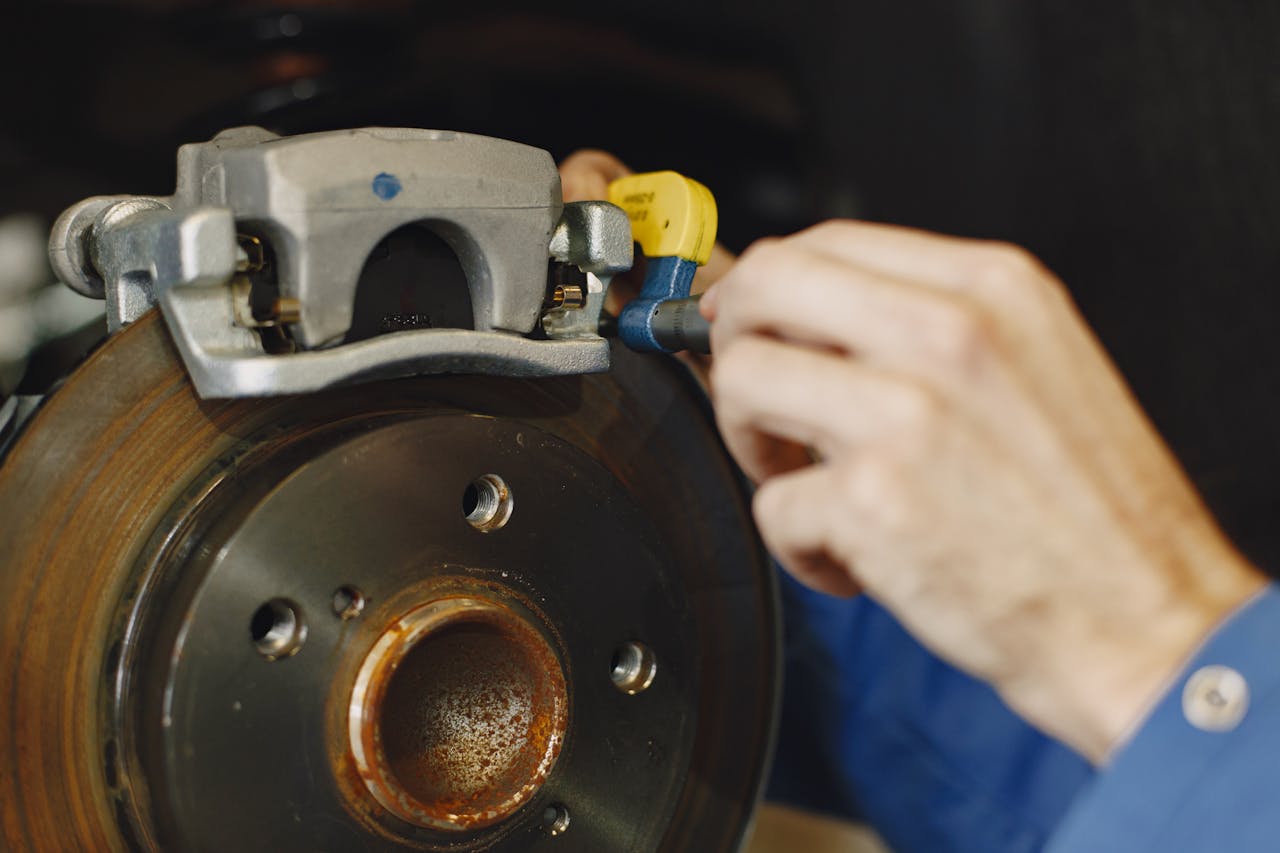
Get Your Chevy Brakes Ready Before Peak Summer Driving
Summer driving around Connecticut sounds simple, but it is hard work for your brakes. Beach trips, weekend rides to the park, and slow traffic on I-95 or Route 1 all mean more stopping, more heat, and more wear on your Chevy brake system.
Hot pavement, heavy loads, and sudden storms turn every drive into a kind of stress test for your brakes. When your brakes are already worn or not serviced correctly, that stress can lead to longer stopping distances and unexpected repairs at the worst time.
The biggest risk is not just old pads or rotors. The bigger problem is the common Chevy brake service mistakes many drivers do not even realize they are making. We want to share practical, local tips that help you avoid those mistakes, protect your brakes, and keep your Chevy stopping the way it was meant to.
Ignoring Early Brake Warning Signs in Summer
Most brake trouble does not start with a total failure. It starts with small warning signs that are easy to shrug off, especially when you are focused on getting to the beach or beating traffic.
Common early signs many drivers ignore include:
- High-pitched squealing at low speeds
- A soft or spongy feel when you press the pedal
- A steering wheel that shakes when you brake
- A burning or sharp chemical smell after a hard stop
In summer heat, these minor issues do not stay minor for long. Warm temperatures and humidity can turn light vibration into warped rotors. A soft pedal can point to moisture in the fluid or a small leak that gets worse when the system is hot.
You are more likely to notice these signs during:
- Stop-and-go lines near Silver Sands State Park
- Crawling along Route 1 through Milford or nearby towns
- Braking on short, hilly neighborhood roads
When you catch these issues early and have a professional brake inspection, problems are usually easier and quicker to correct. Waiting until the pedal feels unsafe or the noise is loud every time you stop often leads to more damaged parts and a bigger repair later in the summer.
Trusting Generic Brake Work Over Chevy Expertise
When brakes start to squeal, it can be tempting to choose the quickest or cheapest brake job at a generic shop. On the surface, pads are pads and rotors are rotors, right? Not quite.
Chevy vehicles are designed with specific brake parts in mind, and using generic or off-brand components can cause problems like:
- Extra brake noise or squeaks that never fully go away
- Uneven pad wear that shortens the life of your brakes
- Longer stopping distances, especially in the rain
- A different pedal feel than what you are used to
Non-OEM pads and rotors may not match the friction level, thickness, or cooling design your Chevy was built for. That can matter a lot when you hit the brakes hard on a wet on-ramp or during a sudden slowdown on the Merritt Parkway or I-95.
At a Chevy-focused service department, technicians work with these vehicles every day. They use parts made to match specific Chevy models and trims, along with diagnostic tools designed for these systems. The result is braking performance that feels right, responds quickly, and is better prepared for sudden summer downpours and wet coastal roads.
Overlooking Fluid and Hardware in the Summer Heat
Many people think of brake service as “just pads and rotors.” In reality, your brake system is a full network of fluid, hoses, hardware, and lines that all work together, and summer heat puts pressure on every part.
In a humid area like coastal Connecticut, moisture in the air can slowly find its way into brake fluid. Over time, that contamination can lead to:
- A soft or fading pedal when the brakes get hot
- Internal corrosion in brake components
- Reduced braking power under heavy use
It is also easy to overlook hardware like slide pins, clips, and rubber boots. If these parts are dry, dirty, or worn, your pads might not move smoothly. That can cause one wheel to do more of the work, which leads to uneven pad wear and hot spots on the rotors.
A thorough Chevy brake service often includes:
- Checking fluid level and fluid condition
- Recommending a fluid flush when needed
- Inspecting and cleaning hardware, then adding the right lubricant
- Looking over brake lines and hoses for cracks, swelling, or leaks
This type of complete care can make a big difference if you are towing a small boat from a local marina, heading out with a fully loaded SUV for a family trip, or sitting in construction traffic on a hot afternoon. Your brakes are already working hard, so you want every part of the system doing its job.
Planning Summer Road Trip Brake Checks Separately
Many drivers assume that if the brakes felt fine in cold weather, they are ready for long summer drives. Highway speeds and steep grades, however, can stress brakes in ways you might not notice during slower winter commutes.
On extended trips to Rhode Island, Cape Cod, or farther, your brakes have to handle:
- Higher speeds followed by quick slows for traffic or exits
- Long downhill stretches that keep brakes hot for a while
- Heavier loads from luggage, bikes, or camping gear
Even if your pads had some life left earlier in the year, this kind of driving can wear them down much faster. Rotors that only had a light vibration before can start to pulse strongly at highway speeds, which is not something you want to feel miles from home.
Before a big trip, it is smart to schedule a dedicated brake check that includes:
- Measuring pad thickness on all four wheels
- Inspecting rotors for grooves, rust, or warping
- Checking brake fluid level and condition
- Test driving to feel for pull, noise, or pulsation
Separating this road trip inspection from your regular maintenance schedule helps keep your overall brake care plan organized and avoids overlap with other seasonal services.
Schedule Smart and Prepare Your Chevy Brakes Before Peak Heat
Summer plans tend to pile up fast. By the time late July and August roll around, roads are busier, temperatures are higher, and service departments are often handling more brake-related issues. Planning brake service early helps you avoid the rush and gives you time to address any concerns before long drives or big family outings.
The key mistakes to avoid are simple:
- Ignoring early warning signs like squeals, soft pedals, or smells.
- Choosing generic parts instead of Chevy-focused service.
- Skipping fluid and hardware checks, focusing only on pads.
- Waiting until right before a long road trip to think about brake health.
When you stay ahead of these issues, your Chevy is better prepared for everything from short Milford errands to all-day drives across state lines. That means safer stops, smoother performance, and brake components that last longer under summer stress.
Schedule Expert Brake Care With Confidence Today
Keeping your brakes in top shape is one of the most important steps you can take for your safety on the road, and we are here to make it simple. Schedule your Chevy brake service with Chevrolet of Milford and let our certified technicians inspect, repair, or replace your brake components using quality parts. If you have questions or want help booking an appointment, just contact us and we will walk you through your options.
Connect with us


