




Your brakes are one of the most important safety features in your Chevy. They give you the control to stop quickly, steer safely, and protect yourself and others on the road. When they start acting up, it's not something you want to ignore. Letting brake issues go unchecked can lead to expensive fixes and put you at risk behind the wheel.
Whether you're commuting through Milford, doing errands, or planning a drive across Connecticut, feeling confident in your brakes matters. It's not just about comfort behind the wheel—it's about knowing your car will do what it needs to when you hit that pedal. Luckily, Chevy vehicles usually give you clear signs when the brakes need attention. The sooner you recognize those signs, the easier and safer your next steps will be.
Recognizing the Warning Signs
Brakes don’t just stop working all at once. Problems usually show up through small but growing changes that can be easy to miss if you’re not watching (or listening) closely. Being familiar with what to expect helps you know when it’s time to schedule a service.
Here are a few clear signs your brakes might be in trouble:
- Squeaking, squealing, or grinding noises: Hearing a high-pitched squeak or a loud grind when braking could mean your brake pads are wearing down. When it gets to metal-on-metal grinding, you risk damaging the rotors.
- Soft or spongy brake pedal: If your brake pedal sinks lower than usual or feels soft when pressed, there might be air in the brake lines or even a fluid leak in the system.
- Vibrations while braking: If you feel shaking through the steering wheel or brake pedal while slowing down, your rotors could be warped. This happens from heat or wear and reduces braking performance.
- Longer stopping distances: Does your Chevy take longer to come to a full stop? That’s often a sign your braking power is decreasing.
- Pulling to one side: If your vehicle pulls left or right when braking, it might have a stuck caliper or uneven wear on the pads or rotors.
One moment that stands out for a lot of drivers is when approaching a stop sign or red light and you suddenly feel a shudder in your foot as the brake pedal pulses—and then you hear a grinding noise. That’s usually your car telling you that part of the braking system, such as the pads or rotors, needs attention.
Visual Inspections and What to Look For
Even if you’re not a technician, you can keep an eye out for signs of brake wear. A quick visual check around the car might give you a heads-up that something’s not right before you even get into the driver’s seat.
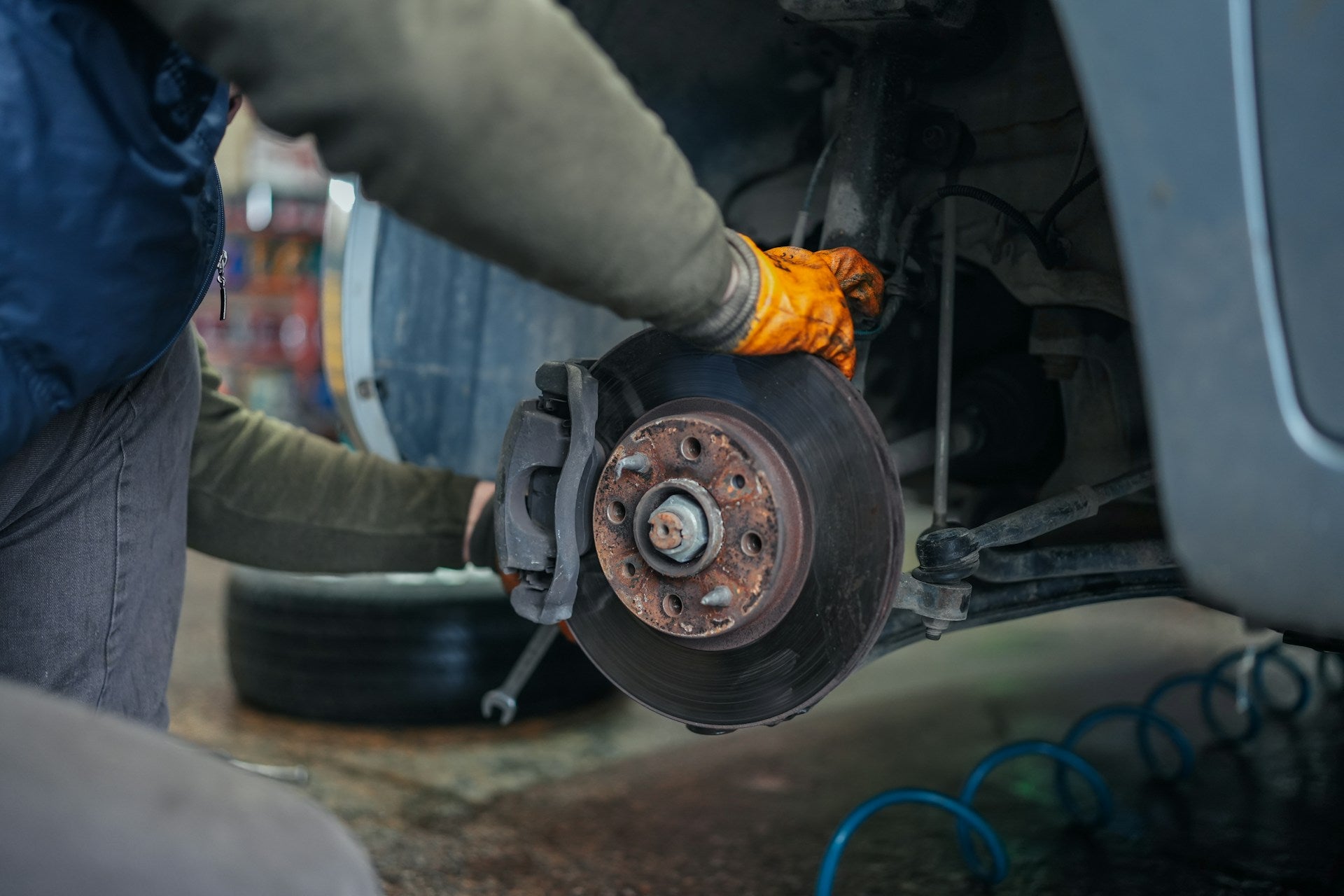
Start by looking through your wheels. Most Chevy models give you a clear view of the brake pads and rotors. If the pad thickness looks very slim—less than a quarter inch—it’s probably time to get them replaced. You might also notice deep grooves in the rotor or uneven surfaces. Those changes can reduce the effectiveness of your brakes.
Check the area under your car or near the wheels for any fluid. Brake fluid leaks are a serious issue. If you spot small wet patches and the fluid is clear to yellowish with a slightly oily feel, it could signal a leak. Loss of brake fluid can make your brakes feel weak or slow to respond.
Other things to keep an eye on? Surface rust or grime buildup. A little rust is common after rainy days or humidity, but if the rust is thick, flaky, or combined with noises like grinding, it’s best to have it looked at. Build-up can lead to poor performance or brake drag.
Even if everything looks normal, uneven wear or mystery stains are solid reasons to let a qualified technician take a look.
Prioritizing Safety: What to Do When You Notice Issues
If you're starting to notice any of the warning signs listed above, don’t wait too long to act. Driving with bad brakes can increase your risk of accidents and make your vehicle harder to control. It’s better to take care of things early than wait for a breakdown.
Here’s what to do next if you think something is off:
1. Make a note of how the vehicle feels and sounds while braking. Details help the technician understand the problem faster.
2. Try to cut down on driving until the issue is fixed. The less time you spend behind the wheel, the lower the risk of structure damage or brake failure.
3. Plan for extra stopping distance and drop your speed if you have to drive before getting it serviced.
4. Park somewhere clean and dry, then check around your wheels for wet spots or leaking fluid. Report anything unusual when you visit your service center.
Of course, the best thing you can do once you spot those signs is to schedule a brake inspection right away. Certified automotive technicians have the training and equipment to check pressure, pad thickness, leaks, and more. That gives you peace of mind and avoids bigger repair bills down the line.
Keeping Your Brakes in Top Condition
Brakes take a lot of wear during daily drives, so a little bit of regular upkeep goes a long way. Staying on top of brake health should be a part of your vehicle care routine.
Here are simple ways to help extend the life of your braking system:
- Check your brake fluid a few times a year. Low levels might point to a leak or tell you it's time for pad replacement.
- Don’t stretch your brake pad life too far. If a technician says it’s time to change them, do it. Worn-out pads can lead to major damage.
- Always listen for new or odd sounds, especially grinding or squealing. Sound changes usually show up before performance loss.
- Consider having a full brake inspection before any long trip. Highway driving or hilly routes put more demand on your brakes.
Catching small issues during routine check-ups could save you from having to deal with larger problems. Your Chevy’s brakes will thank you with reliable performance every time you hit the road.
Drive Confidently With Working Brakes
Staying alert to changes in how your brakes feel and sound can help you catch trouble before it catches you off guard. Keeping the braking system in check doesn’t just protect your car—it protects you and everyone in it.
In the end, it's about creating safe habits. Watch for warning signs. Make time for inspections. Act fast when something feels off. That way, you can drive through Milford and beyond knowing your brakes are ready for every stop sign, traffic light, and turn ahead.
If you're thinking about upgrading your ride in Milford, staying safe starts with choosing the right vehicle. Browse our inventory of used Chevy cars at Chevrolet of Milford and find one that’s ready to deliver reliable performance every time you hit the road.