



Blog / MILFORD Chevrolet Dealer

Chevrolet Equinox EV RS: Must-Have Features

Chevrolet Equinox

Drivers around Milford are starting to see more electric vehicles on the road, and one name that keeps coming up is the Chevrolet Equinox EV RS. With its sleek design and smart features, this all-electric SUV offers a fresh take on daily driving without sacrificing practicality. It's built for folks who want an SUV that’s both efficient and capable of handling everyday plans, whether that means commuting to work, running errands, or heading out of town for the weekend.

The Equinox EV RS is especially worth a look if you’re drawn to new tech, smart safety tools, and comfort that actually feels good after a long day. August is often when people start thinking about changes for the new school year or planning fall getaways, so it’s a great time to take notice of a model that delivers both confidence and convenience. Here’s a close-up look at why the Equinox EV RS is turning heads right now.

High-Tech Infotainment System

One of the most exciting features that drivers ask about is the infotainment setup. The Equinox EV RS doesn’t mess around. It gives you a large, easy-to-read screen that’s right where it should be. The layout is clean and makes it easy to switch between apps or adjust settings without going through ten different menus.

This system supports Apple CarPlay and Android Auto, so you can connect your smartphone and access music, maps, and calls with just a few taps. Whether you're listening to a podcast or following GPS to a new dinner spot in downtown Milford, everything works smoothly. Voice control is responsive, which means you can keep your hands on the wheel and eyes on the road.

Here are some highlights of the infotainment system:

  • A wide-format digital display with crisp graphics
  • User-friendly menu navigation with fewer touchpoints needed
  • USB ports positioned where you can actually reach them
  • Quick Bluetooth pairing with saved connection memory
  • Smart alerts and driving info shown through the dashboard screen

When your digital life syncs up with your driving experience, everything feels a bit easier. You’re not fumbling around trying to connect your phone or figure out controls. It just works without fuss.

Advanced Safety Features That Make a Difference

Safety can sometimes feel like a buzzword, but the technology backing it up in the Equinox EV RS speaks for itself. One standout is lane-keeping assist, which helps guide your vehicle back into its lane if you start drifting without signaling. It feels like a helpful nudge rather than a jolt, and it can come in handy during long drives or moments when your attention slips.

Blind-spot monitoring is another big deal. When you're changing lanes, particularly during busy commutes on the Merritt Parkway or I-95, this feature lets you know if someone is sitting in your blind zone. Reverse cameras also make parking in tight Milford spots a smoother task.

Adaptive cruise control maintains your speed but also adjusts based on the car in front of you. It’s great for highway drives, especially when traffic is moving but not consistently. Automatic emergency braking is on hand in case of sudden stops, helping avoid collisions at a moment’s notice.

All these safety features work together to make everyday drives feel less stressful and more secure. Whether you’re doing the school run or heading into the city, the Equinox EV RS is watching your back.

Electric Performance and Range: Efficiency on Every Mile

The biggest question people have about electric vehicles usually comes down to range and performance. The Equinox EV RS is equipped with battery power that makes everyday travel more than doable, whether that’s daily commuting or weekend drives across Connecticut.

You can charge up at home overnight so you start each day with a full battery. Milford and surrounding towns also have a growing number of public charging stations, making it easy to top off during lunch or errands. Quick stops at public stations can give you enough range in the time it takes to grab a coffee.

Electric motors provide instant torque, which means getting up to speed on a highway ramp is fast and responsive. Combine that smooth pickup with the absence of engine noise, and what you get is a calm and composed ride.

Efficiency shows up in more ways than fewer charging stops. With fewer moving parts than a gas-powered engine, electric vehicles can mean less service and less hassle. For those used to managing oil changes and belt replacements, making the switch is a refreshing change.

Comfort and Convenience: Your Personal Sanctuary

Inside the Equinox EV RS, everything feels designed with comfort in mind. From roomy seating to smooth materials, this SUV makes space work for you. Whether you're chauffeuring kids to after-school events or traveling solo, the layout feels open and well-planned.

Some standout features for comfort and ease include:

  • Remote start for cold mornings or hot afternoons
  • Wireless charging pad to keep phones ready without tangled cords
  • Keyless entry and push-button start for smoother getaways

Think about how this SUV fits into a regular morning. You’re juggling school bags, work gear, maybe a travel cup of coffee. Rather than fishing around for keys or adjusting your seat from the day before, you touch the door, climb in, and press a button to get moving. The cabin becomes a comfortable spot you want to be in, not just a way to get somewhere.

Sustainable and Stylish Design: A Fresh Take on Green Driving

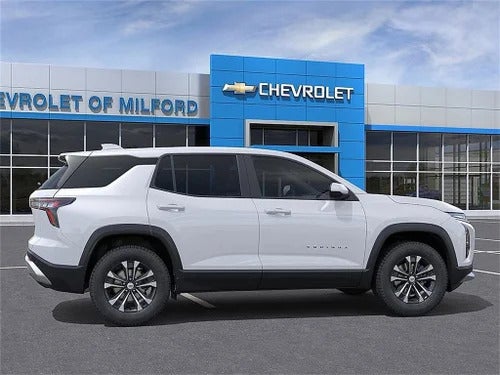
Let’s talk style. The Equinox EV RS looks like something built for today. Bold angles and a sleek profile make it stand out without trying too hard. It’s got a fresh and modern design that feels equal parts sporty and clean, with aerodynamic features that improve efficiency without compromising looks.

While the style grabs attention, it's the sustainability behind the design that matters most to many drivers. Choosing an electric vehicle means you're avoiding tailpipe emissions completely. That’s a big win for local air quality and a step closer to cleaner communities, especially around areas like downtown Milford where traffic can build up.

The materials used and design approach also reflect a shift towards greener living. Owning an Equinox EV RS gives you the chance to enjoy intelligent style that doesn’t leave a heavy footprint behind.

What Makes the Equinox EV RS a Smart Pick This Season

The Chevrolet Equinox EV RS brings together performance, comfort, and a future-ready design in a way that works for everyday life. From its seamless smartphone integration and smart safety tools to its quiet electric ride and stylish frame, this SUV checks a lot of boxes.

August is a great time to think about what’s next on your calendar. Maybe it’s back-to-school routines, fall weekend trips, or just a new way to handle the workweek drive. Whatever your plans, a vehicle like the Equinox EV RS can help make them a little smoother, a little smarter, and a lot more enjoyable.

If you’re thinking about upgrading your ride, Chevrolet of Milford makes it easy to explore the Chevrolet Equinox EV RS up close. To see current options and schedule time behind the wheel, browse what’s in stock at your local Chevy dealer.


Posted in:

Related Posts

Chevy Truck

Maximizing Chevy Truck Financing for Small Business Fleets

Turn Chevy Truck Financing Into a Business Advantage Chevy truck financing can do more than get keys in your drivers’ hands. Done the right way, it can help your small business keep cash in the bank, stay ready for busy seasons, and upgrade or grow your fleet on a predictable plan. For many trades, delivery teams, and service crews around Milford, trucks are the backbone of the business, so how you finance them really matters. Early fall is often a smart time to make moves on a fleet. Model-year changeovers start to show up, incentives may be available, and you can get ready for colder weather and year-end demand. When you pair that timing with a clear plan and the right financing structure, your trucks can become a real advantage instead of just another expense. In this article, we will walk through how to align your trucks with your business goals, compare common financing paths, work smarter with tax benefits, and set up an ownership experience that supports your team instead of slowing it down. Aligning Your Chevy Truck Fleet with Business Goals Before you apply for any Chevy truck financing, it pays to slow down and look at how your crew actually works. Start with the basics of your workload, not just what is on the lot. Key questions to ask include: What payload do your jobs require on a typical day? How often do you need to tow, and how heavy is that load? How many hours per day are your trucks on the road? Do you need special upfits like ladder racks, tool boxes, or service bodies? Different Chevy trucks fit different business profiles. In simple terms: Colorado is great for lighter-duty use, city work, and tighter streets. Silverado 1500 fits many general contractors, small delivery teams, and mixed-use needs. Silverado HD suits heavy towing, hauling, and equipment-heavy trades. Think about fuel use as well. A truck that is slightly larger than you need might help on rare big jobs, but if your drivers mostly run short, local routes, that extra size could cost you at the pump every single day. To size your fleet, look at: Vehicle uptime goals and how often trucks are in for service How many drivers you actually have available Seasonal swings in your work, like busy fall cleanups or winter plowing Your comfort zone for total monthly truck payments It can help to map out a simple three-to-five-year fleet plan: when you might add trucks for new contracts, when older vehicles should be retired, and how you want your mix of light-duty and heavy-duty trucks to look. With this plan, your financing choices can support where you want the business to go, not just where it is today. Comparing Smart Financing Paths for Small Fleets Once your needs are clear, the next step is choosing how to pay for the trucks. Chevy truck financing is not one-size-fits-all, and the structure you pick will affect cash flow, ownership, and flexibility. Common paths include: Traditional purchase loans, where you build equity and own the truck at the end Commercial leases, which can keep payments lower and make it easier to refresh the fleet regularly Balloon financing, which has smaller monthly payments with a larger amount due at the end Which one fits you best often comes down to: Annual mileage and how hard your trucks work How long you like to keep vehicles in service Whether you plan permanent wraps, heavy upfits, or specialized gear How important ownership is compared with flexibility If your trucks rack up miles and get upfitted with permanent equipment, buying may feel more comfortable. If you want to keep newer trucks in the fleet and keep payments consistent, a commercial lease or balloon structure may line up better with your needs. A well-structured monthly payment plan can: Smooth out your operating costs month to month Free capital for tools, staff, or marketing Reduce surprises when your busiest season hits A finance team that works with small-businesses regularly can help you compare options, review lender requirements, and find commercial programs that fit the way your team uses its trucks. Using Tax Benefits and Incentives to Lower Costs Smart Chevy truck financing goes hand in hand with smart tax planning. Certain tax rules may help you write off more of your truck costs sooner, which can lower the real cost of adding to your fleet. Possible advantages to ask your tax professional about include: Accelerated depreciation on qualifying work vehicles Section 179 deductions on eligible trucks and equipment Bonus depreciation rules that may apply to commercial use The timing of your purchase can matter too. When you plan fall or early winter upgrades, you may be able to capture current-year tax benefits while also getting ready for winter routes, snow work, or delivery rushes. That timing can help you get both operational and tax value from the same decision. On top of tax rules, there may be: Manufacturer incentives for specific Chevy trucks Business-focused rebates or programs Low-APR or payment support offers Help with certain upfit costs on qualifying vehicles The key is to make tax choices with your accountant, then match those plans with financing terms that fit, so the trucks, the payments, and the tax treatment all work together. Streamlining Fleet Approval and Ownership Experience Being prepared before you apply for Chevy truck financing can save time and reduce stress. Having your information together often leads to smoother approvals and clearer choices. Helpful items to gather include: Basic business financials, such as bank statements or tax returns Proof of how long the business has been operating A description of how the trucks will be used and how many miles they will run Insurance details and any current fleet policy information Pre-approval can give you a clear budget range before you pick out trucks. A fleet-focused conversation with a dealer team lets you review your work mix, talk through model options, and look at possible terms before committing. Once you own or lease the trucks, the right support helps protect your investment. A full-service Chevy dealership can provide: Certified service and trained technicians Priority maintenance options tailored to fleet needs Genuine GM parts designed for your specific trucks Adding a proactive maintenance plan and, if you choose, telematics tools can help: Catch small issues before they take a truck off the road Track driver behavior and idling time Plan service around your slower periods instead of busy weeks All of this feeds into a lower total cost of ownership over the life of the trucks. Plan Your Fall Fleet Upgrade with a Local Partner As cooler months approach, it is a good time to look hard at your current fleet. Are any trucks unreliable, too small for the work, or costing too much in fuel and repairs? Are you turning down jobs because you do not have enough capacity or the right mix of trucks? Evaluating these questions now makes it easier to build a plan for Chevy truck financing that supports your goals, from steady cash flow to future growth. A local, full-service Chevy dealership in Milford that understands trades, delivery work, landscaping, construction, and mobile services can work with you on inventory options, financing paths, timing for tax planning, and long-term fleet support, from purchase through service, and eventual replacement. Secure Flexible Financing For Your Next Chevy Truck If you are ready to move forward, our team at Chevrolet of Milford is here to help you find the right Chevy truck financing option for your budget. We will walk you through each step, explain your choices clearly, and answer any questions along the way. Get in touch with our finance specialists today or contact us to begin your application and drive home with confidence.

Chevrolet

Choosing Chevy Hybrid Cars for Sale Over Traditional Gas Models

Why Chevrolet Hybrids Appeal To Connecticut Commuters Choosing between a hybrid and a traditional gas car matters more now than it did a few years ago. Gas prices go up and down, traffic keeps growing around Milford and New Haven County, and many drivers are thinking more about fuel use and emissions. Hybrid technology gives you another option that can fit real, everyday life, especially if you spend a lot of time commuting. Chevrolet hybrids are built to stretch every gallon of gas while still feeling familiar to drive. You still get comfortable seating, modern tech, and confident power, with an electric system that quietly works in the background. That is why more weekday commuters who visit our showroom are asking how a Chevrolet hybrid can fit their daily drive. How Chevrolet Hybrids Help with Stop-and-Go Connecticut Traffic A hybrid powertrain is pretty simple once you break it down. The car uses both a gas engine and an electric motor, and the two work together depending on what you are doing behind the wheel. Here is what is happening as you drive through morning and evening traffic in Milford, Stratford, or New Haven: At low speeds or in stop-and-go conditions, the electric motor can do more of the work On steady stretches of highway, the efficient gas engine takes the lead for cruising When you slow down, regenerative braking helps charge the battery instead of wasting energy as heat All of this happens automatically. You do not have to pick a mode or think about switching between gas and electric. You simply put the car in drive and go. Those small moments add up across a week of commuting, school drop-offs, and errands: Morning drives to schools in town, where frequent stops favor the electric motor Regular trips on I-95 or Route 1, where the gas engine can run in its most efficient range Evening drives home in heavier traffic, where the hybrid system helps keep fuel use in check Over time, many daily drivers notice that they fill up less often. That can make a clear difference in a commuter’s monthly budget, especially if you travel farther for work. Cleaner Daily Driving Without Plugging In Many people like the idea of an electric car but are not ready to think about charging at home or around town. A Chevrolet hybrid gives you some of the same environmental benefits while still using regular fuel and normal gas stations. Because the electric motor helps the gas engine, the car can: Use less fuel on the same weekday routes you already drive Run the engine less often at low speeds, where emissions usually spike Cut tailpipe emissions compared with a similar gas-only model For a lot of local commuters, that fits daily life very well. You can: Drive into Bridgeport or New Haven with fewer emissions per trip Spend less time and money at the gas pump across a work week Enjoy a quieter, smoother ride in traffic thanks to the hybrid system You do not have to plug in or plan around public chargers. You just fill the tank whenever you need gas, like you are used to, while still shrinking your carbon footprint compared to many traditional gas cars. Comfort and Tech That Support Long Commutes Some drivers worry that choosing a hybrid means giving up performance or comfort. With modern Chevrolet hybrid cars for sale, that is not the case. The electric motor can deliver instant torque, which helps the car feel quick when you pull away from a light or merge onto the highway. Here is what many commuters notice on a test drive: Strong, smooth pull from a stop thanks to electric assist Confident passing power without the engine working too hard A quieter drive around town because the gas engine does not need to rev as high Inside, Chevrolet hybrids focus on comfort for longer drives, not just mpg numbers. Depending on the model and trim you choose, you can find: Supportive seating and roomy cabins for time spent on the road User-friendly touchscreens with smartphone connectivity for navigation and music Driver-assistance features that can help with awareness on busy commutes The ride quality feels very similar to gas-only Chevrolets, just smoother and more relaxed. Regenerative braking is tuned to feel natural, and the steering and handling stay familiar, so you do not have to adjust your driving style. Ownership Costs That Matter to Regular Drivers When you think about a hybrid for commuting, it helps to look at the whole picture, not just the sticker. Ownership cost covers: Purchase price Fuel over the life of the vehicle, especially for daily trips Maintenance and repair needs Resale value down the road Hybrids can cut fuel use over years of weekday driving, particularly if you spend a lot of time in traffic or on busy local roads. Maintenance needs can look a bit different, since the hybrid system shares the work with the gas engine. This may help reduce wear on some parts, and the electric motor has fewer moving pieces than a traditional engine. Battery systems on modern Chevrolet hybrids are designed to last, and they are backed by specific warranties from the manufacturer. At Chevrolet of Milford, our service team is trained to work with both standard gas engines and hybrid components, which helps protect your investment over time. We can explain service intervals, answer questions about the hybrid battery, and help you plan maintenance around your driving schedule. Matching a Chevrolet Hybrid to Your Commute Not every commuter has the same needs, which is why it helps to line up your lifestyle with the right Chevrolet hybrid. When you start to compare options, think about how you really use your car during a normal work week. For example, consider: If you drive mainly on highways, you may want a hybrid with strong cruising comfort and advanced driver-assistance features If your route includes city streets and school zones, you may focus on smooth low-speed performance and visibility If you often carry work gear or passengers, you may want more cargo room and flexible seating When you look at different Chevrolet hybrids, useful points for commuters include: Total driving range on a full tank for your round-trip distance Power and acceleration for merging onto I-95 or passing on Route 1 Tech features that support navigation, traffic updates, and hands-free calls During a test drive at Chevrolet of Milford, helpful questions to ask include: How does this hybrid’s fuel use compare with a similar gas-only Chevrolet on my typical route? What kind of driving makes the most of the hybrid system for commuting? How does the hybrid battery warranty work for someone who drives daily? What regular service does this hybrid need, and how often should it come in based on annual mileage? As the weather cools and roads can get slick, it also helps to see how the car feels under braking and acceleration on your most common roads. Getting comfortable with a hybrid now means you are ready and confident when tougher commuting days arrive. Next Steps for Connecticut Commuters Considering a Hybrid Chevrolet hybrid cars for sale offer a practical choice for drivers who spend a lot of time on the road. You get better fuel use, lower emissions, and a quieter drive, without having to plug in or change your routine. At Chevrolet of Milford, we are here to help you understand how a hybrid fits your specific commute and schedule. With clear information and a focused test drive on the routes you know best, you can decide if a Chevrolet hybrid is the right match for the way you drive every day. Drive Home More Efficiency and Savings Today Explore how our lineup of Chevy hybrid cars for sale can fit your daily drive, budget, and long-term goals for fuel savings. At Chevrolet of Milford, we take the time to walk you through features, charging options, and ownership costs so you can choose with confidence. If you have questions or want to schedule a test drive, simply contact us and our team will help you take the next step.

Chevy Fleet

Scale Your Chevy Fleet: TCO, Upfitting Options, and 1–10 Work Trucks

Build a Work Truck Plan That Grows with You Growing trades and delivery businesses around Milford and New Haven often start the same way: one hard‑working truck, a small crew, and a calendar that keeps filling up. Before long, that single truck is double-booked, tools are piled everywhere, and you realize it is time to think about a small fleet instead of just one vehicle. Planning that growth early makes life much easier. When you think about total cost of ownership, upfitting, and future needs from the first truck, you are less likely to get stuck with the wrong setup later. In this article, we will walk through how to choose Chevy work trucks that fit your work today and also make sense when you grow to five or ten trucks down the road. Understanding Total Cost of Ownership Before You Buy Total cost of ownership, or TCO, is the big picture view of what a work truck really costs over the years you own it. It is more than the payment you see on paper. For a Chevy work truck, TCO usually includes: Purchase price or lease cost Fuel use over time Insurance costs Upfitting and accessories Maintenance and repairs Depreciation and resale value Two trucks with similar monthly payments can have very different long‑term costs. For example, a Silverado 1500 used mostly for local deliveries will have a different TCO than a Silverado HD that spends its days towing equipment. Fuel economy, tire wear, and maintenance needs all change based on how the truck is used. It also helps to compare gas and diesel powertrains. Diesel can be a smart choice for heavy towing and high mileage because of how it delivers power and how long many owners keep those trucks. A gas engine might make better sense for lighter jobs or mixed city driving. Thinking through payload, towing needs, and expected annual mileage can point you toward the mix that keeps your TCO under control. When you plan to grow from one truck to several, this kind of thinking becomes even more important. A small difference per truck adds up when you have ten in the yard. Working with sales and finance experts who understand business use can help you: Forecast monthly and annual TCO for different models Match terms to your busy and slow seasons Avoid paying for more capability than you really need Choosing the Right Chevy Work Truck Platform The right platform is the base for everything that follows. Chevy gives you a range of trucks to match different kinds of work: Silverado 1500 for lighter‑duty hauling, local jobs, and mixed family and work use Silverado HD for bigger trailers, heavy materials, and tough jobsites Colorado for tighter city streets, quick service calls, and lighter loads Express or Silverado chassis cabs when you need a specialty body Cab style matters too. Regular cabs give you more bed length for ladders and materials. Double or crew cabs give crews more room, along with secure storage inside the cab for tools and gear. Bed length, box style, and towing setups should follow the kind of work you do most often, not just the one big job you might take once in a while. Here in the New Haven area, weather is a big factor. Snow, wet leaves, and steep driveways can make 4x4 a smart choice, especially for contractors, landscapers, and snow removal work. If a truck spends most of its time on main roads and highways, 4x2 may be enough. Starting with one well‑chosen platform gives you a pattern to follow as you grow. When your next few trucks are the same or very similar, it is easier to: Train new drivers Keep common parts on hand Simplify maintenance schedules Test‑driving different setups, comparing turning radius, ride comfort, and visibility, can help you find that sweet spot between comfort and capability. Smart Upfitting That Pays Off Over the Long Run Upfitting is where a work truck really becomes your truck. The right equipment can save time, protect your crew, and keep that truck earning longer. Common options for Chevy work trucks include: Ladder racks, pipe racks, and roof storage Side toolboxes, crossover boxes, and secure storage drawers Dump bodies, flatbeds, and service bodies on chassis cabs Snowplows, spreaders, and winter-ready accessories Work lights, strobes, and interior power systems For trades like construction, electrical, plumbing, and HVAC, organized storage can cut down on lost tools and wasted trips back to the shop. Landscapers might focus more on ramps, tie‑downs, and debris management. Delivery drivers often need racks, shelves, and interior lighting. Good upfitting also affects TCO. Extra weight changes fuel use and can add wear if it is not matched to the right suspension and axle ratings. On the other hand, a clean, well‑designed setup can help the truck hold its value when you are ready to rotate it out of the fleet. Working with a dealership that knows trusted upfit partners and OEM‑approved accessories can help make sure everything fits the truck properly and is installed the right way. It also helps when upfitting can be rolled into your overall plan, instead of being a surprise add‑on later. Scaling From One Truck to a 10-truck Chevy Fleet Growing from one truck to ten does not happen overnight. It usually comes in stages: Stage 1: One multi‑purpose truck that can do a bit of everything Stage 2: A second or third truck, often more specialized, like a dedicated towing or plow truck Stage 3: Standardizing on a set of specs for a small fleet of 5 to 10 trucks As your schedule fills up, you can add trucks with more focused roles. For example, you might keep your first Silverado 1500 as a daily general‑purpose truck and add a Silverado HD with a dump body for heavy loads, then a chassis cab with a service body for mobile repair work. Timing your truck purchases can also help. Many owners like to plan around: Tax planning and write‑off discussions with their accountant Manufacturer programs and incentives when they are available Seasonal peaks, so trucks and upfits are ready before winter storms or big project pushes When you buy and service your trucks in one place, fleet life is simpler. Setting up fleet accounts, aligning service schedules, and keeping warranty information in one system can save a lot of time when you are trying to keep multiple trucks running every day. Keep Your Chevy Fleet Earning with Proactive Service Work trucks earn money only when they are on the road. Regular maintenance with factory‑trained technicians and the right parts helps you get the most years and miles out of each truck while keeping warranty coverage on track. For a growing fleet, service planning starts to feel like a small puzzle. Strong strategies often include: Rotating trucks through oil changes and inspections so you are never short too many vehicles at once Using early morning or late‑day appointments to limit lost work time Planning bigger service work during slower parts of the year In an area with cold winters, it also pays to get each truck ready for snow and ice. Checking batteries, tires, fluids, and plow setups before the first real cold snap helps avoid breakdowns when roads are at their worst. Tracking service history across your trucks makes it easier to spot patterns and decide when it might be time to trade a truck before repair costs climb. Thinking about TCO from day one, picking the right Chevy platforms, and choosing smart upfits and service plans can turn that first work truck into a reliable, well‑planned fleet. As your business grows from one truck to a line of Chevy fleet trucks for sale in your own yard, you will be glad you built your plan with the long term in mind. Get Started With Your Project Today If you are ready to expand or upgrade your commercial vehicles, explore our current selection of Chevy fleet trucks for sale tailored to meet demanding business needs. At Chevrolet of Milford, we take the time to understand your operations so we can recommend the right configurations, upfits, and financing options. Our team is here to answer questions, arrange test drives, and streamline your purchase process. Reach out anytime through our contact page to get started.