





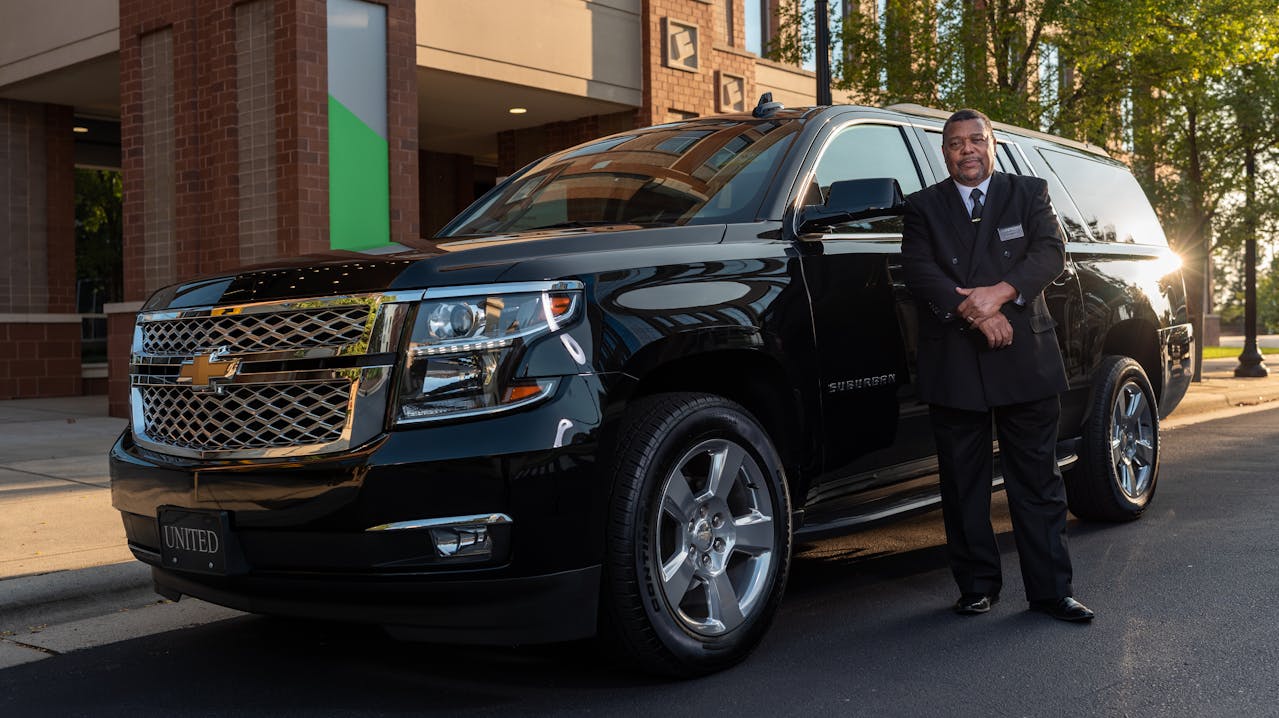
Conquer Connecticut Roads with the Right Chevy SUV System
Choosing between AWD and 4WD in a Chevy SUV is really about how you drive in real life. If your week includes commuting on I-95, quick runs on the Merritt, and the occasional ride up a hilly side street when it is wet or slushy, the drivetrain you pick affects how safe and confident you feel. Add in weekend trips, from the Connecticut shoreline to back roads and campgrounds, and the choice matters even more.
Our goal is to help you understand how AWD, 4WD, and tires work together so you can pick what fits your life. When you know what each system does, it is easier to match the right all-wheel-drive Chevy or 4WD SUV to your commute, your family, and our changing New England weather.
AWD Basics in Chevy SUVs For Daily Connecticut Driving
All-wheel drive, or AWD, is built for people who want extra traction without having to think about it. In a Chevy SUV with AWD, the system can send power to the front, the rear, or all four wheels, and it does this on its own. You do not need to push a button or turn a knob. Sensors watch for slip and shift power where it is needed for better grip.
For daily driving around Milford, New Haven, and nearby towns, AWD is a strong fit. It helps with:
- Rainy highway drives where standing water can cause wheels to slip
- Slushy side streets when temperatures are right around freezing
- Parking lot starts on wet or sandy pavement
- Lane changes at speed when the road is uneven or worn
Chevy offers AWD on popular SUVs many Connecticut drivers like, such as:
- Equinox, a compact SUV that works well for daily commuting
- Trailblazer, a smaller SUV that is easy to park and maneuver
- Blazer, for drivers who want more space and a sportier feel
- Traverse, a three-row SUV that many families pick for school and activities
For a lot of people, AWD hits the sweet spot. It works quietly in the background, adds confidence all year, and does not ask you to make decisions about drive modes every time the weather shifts.
When 4WD Shines in Chevy SUVs And Trucks
Four-wheel drive, or 4WD, focuses more on strength and control in tougher conditions. In many Chevy SUVs and trucks with 4WD, like Tahoe, Suburban, and Silverado, you can usually pick between settings such as two-wheel drive, automatic, and full 4WD. This lets you match the truck or SUV to the road or trail.
4WD tends to shine when things get deeper, steeper, or rougher, such as:
- Steep or long driveways that ice up in winter
- Unplowed roads after a heavier snowfall
- Dirt and gravel access roads that get rutted or muddy
- Slippery boat ramps when you are pulling a trailer out of the water
With 4WD, you can usually lock in power to both the front and rear axles. This is helpful when you need steady traction at low speeds, like climbing a snowy hill or easing over uneven ground.
There are tradeoffs with 4WD, and it is good to be honest about them:
- Extra weight compared to many AWD systems
- Added complexity and parts that need attention over time
- Often more drivetrain than some drivers truly need for simple commuting
For many Connecticut drivers, 4WD makes the most sense if you often deal with:
- Frequent deep snow where you live or travel
- Unpaved or rough roads to a cabin, campsite, or rural property
- Regular towing, especially in poor traction conditions
If you mostly drive on plowed roads and paved highways, you may not use the full strength of 4WD very often.
Tires vs Drivetrain In Connecticut Snow And Rain
It is easy to focus only on AWD vs 4WD and forget something just as important: your tires. For many drivers, the type and condition of the tires can matter even more than the drivetrain when it comes to stopping, turning, and starting in bad weather.
Here is a simple way to think about common tire types for our area:
- All-season tires: Built to handle many conditions, but they harden in very cold weather and are not the best at deep snow or ice.
- All-weather tires: A middle ground with better cold grip than many all-seasons, often marked for winter use, but still a compromise.
- Dedicated winter tires: Softer rubber and special tread designed for cold roads, snow, and ice, usually the best choice for winter grip.
AWD or 4WD helps you get going, but tires have a much bigger say in how quickly you can stop or how well you turn on slippery pavement. A helpful way to picture it: an all-wheel-drive Chevy on worn-out all-season tires can struggle more in snow than a front-wheel-drive car on quality winter tires. The drivetrain may help you move, but if the tires cannot hold the road, you will feel it at the brake pedal and steering wheel.
Good tread depth, the right tire type for the season, and proper inflation all work together with AWD or 4WD. That is why tire choice is part of any smart traction plan.
Matching Your Chevy SUV To Your Commute And Weekend Plans
To choose the right setup, start with a few simple questions about where and how you drive.
Think about your daily commute:
- Is it Mostly Short City or Town Streets, or Longer Highway Miles?
- Do you live in a flat neighborhood, or do you deal with hills and tight curves?
- Are your streets usually plowed quickly after storms, or do they stay messy for a while?
For many people who drive mainly on well-plowed roads with a mix of local streets and highways, AWD with good all-season or all-weather tires is a strong, easy option. If you live on a hill that is slow to get cleared, 4WD might earn its keep after storms.
Then add your weekend and travel plans:
- Do you take ski trips to northern New England, where snow is deeper and roads are more remote?
- Do you spend time at the beach on sandy or unpaved access areas?
- Do you visit rural property that may have dirt or gravel roads?
- Do you tow a small camper, boat, or trailer now and then?
Frequent winter mountain trips, rural drives, and towing on less-than-perfect surfaces all push you more toward 4WD, or at least a stronger AWD system paired with winter tires for the cold months.
Do not forget practical points like fuel economy, maintenance expectations, and budget. An all-wheel-drive Chevy SUV, especially a Certified Pre-Owned one, can be a smart way to get added traction without stepping all the way into a larger 4WD truck or full-size SUV. Regular service and tire checks help keep any system, AWD or 4WD, working the way it should.
Test Drive the Traction You Need At Chevrolet of Milford
Reading about AWD and 4WD is helpful, but feeling the difference from behind the wheel on familiar Connecticut roads is even better. When you take an all-wheel-drive Chevy SUV and a 4WD Chevy SUV or truck on the same loop around Milford and nearby routes, you can sense how each one starts, stops, and turns.
At Chevrolet of Milford, our team lives with the same rain, slush, surprise snow, and summer thunderstorms that you do. We understand how Merritt Parkway traffic feels in bad weather, what it is like pulling out of a steep driveway when there is ice at the end, and how it feels to head toward New Haven or upstate with a loaded SUV. We are always ready to talk through your commute, your weekend plans, and your tire options so you can pair the right drivetrain with the right rubber and get the most out of your Chevy in every season.
Experience Confident Control in Every Season
Explore how the right all-wheel-drive Chevy can give you the traction, stability, and peace of mind you want on the road. At Chevrolet of Milford, we are ready to walk you through model options, features, and pricing so you can match a vehicle to your daily driving needs. If you have questions or want to schedule a test drive, simply contact us and we will help you take the next step.
Connect with us


