





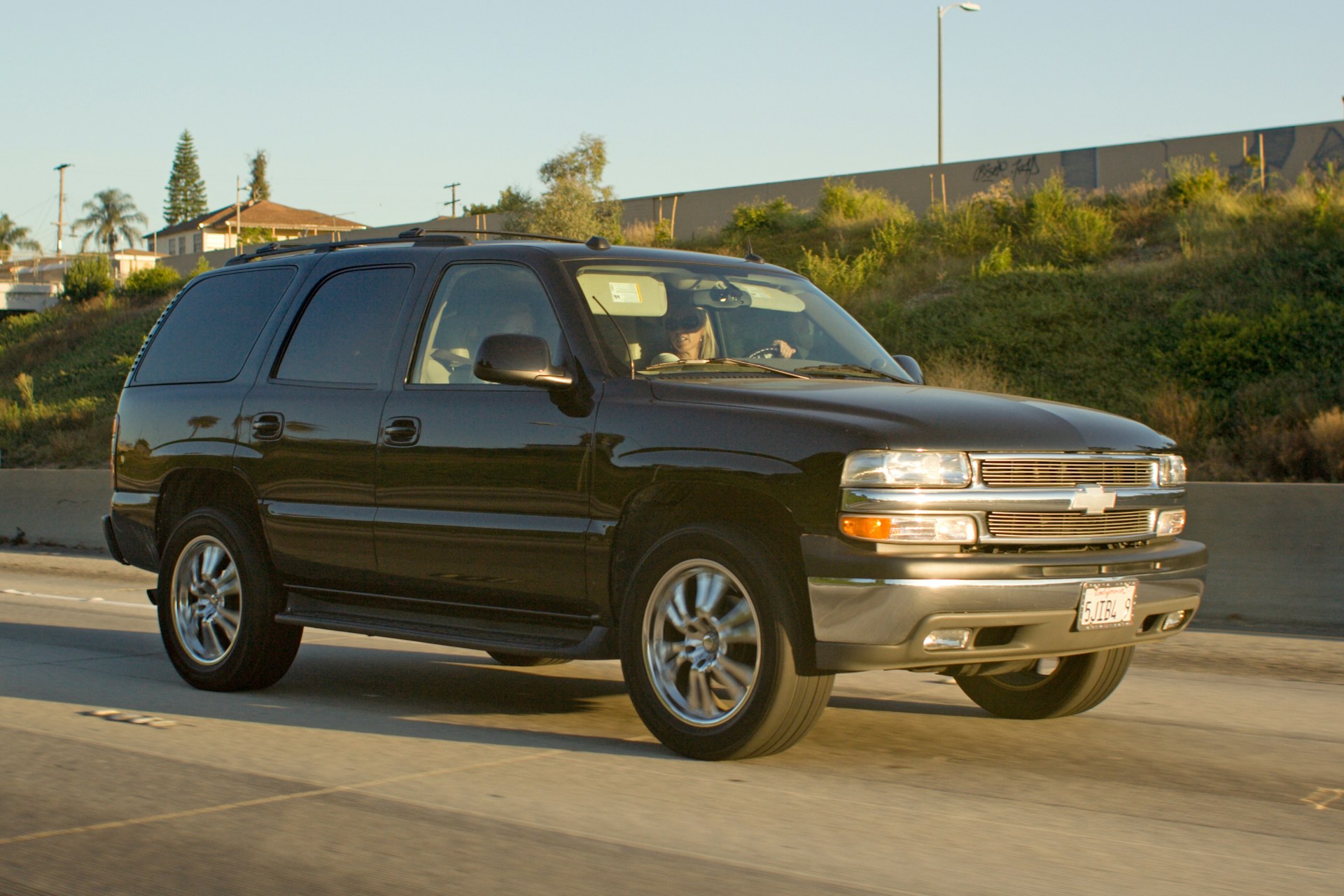
When winter sets in across Connecticut, car care often takes a back seat. Between shorter days, cold mornings, and busy holiday schedules, it’s easy to skip over services that seem minor. The Chevy Tahoe oil change is one of those basics that many drivers put off as the temperatures drop. But waiting too long can turn a simple service into a harder, more expensive problem later on.
Winter conditions in places like Milford, West Haven, and Shelton can be tough on vehicles. Low temps can mess with how your engine oil behaves, especially if it’s overdue for a change. Neglecting oil changes during this time doesn’t just risk the engine running rough. It can shorten the life of your Tahoe. We want to walk through the common reasons this gets overlooked, what impact the weather has on your oil, and what signs signal it’s time to visit a service bay.
Cold Weather Makes Regular Maintenance Easy to Forget
Winter doesn’t just change your commute. It changes how we think about errands altogether. Heading out to get an oil change in freezing weather doesn’t always sit high on the to-do list. The cold has a way of making people put off the boring stuff.
- Icy roads, early sunsets, and snow delays keep routine tasks from happening
- If you’re driving less in winter, it’s easy to think the oil can wait another month
- Problem is, extended intervals between oil changes can do real damage
The longer oil sits in the system, the more it thickens with soot and old particles. Add in the way cold weather affects viscosity, and you could be asking your engine to work harder than it should. This added stress doesn’t always show up in obvious ways right away, which is why people tend to ignore it. But the wear builds up.
How Winter Driving Affects Your Tahoe’s Engine Oil
Even the best synthetic oil doesn’t like the cold. And it gets more complicated when salt, slush, and back-to-back short trips are part of your regular week.
- Cold starts prevent oil from thinning out and flowing quickly through the engine
- Short drives never get the engine warm enough to burn off moisture in the oil
- Salt buildup from roads contaminates your underbody and working fluids over time
The more the engine has to battle lower temps, the slower things like oil circulation and filtration happen. Your Tahoe might start up just fine, but inside, the oil may be struggling to protect the moving parts as well as it usually does. Over time, that leads to poor performance and extra strain.
Sticking to basic upkeep, like keeping your oil fresh, acts as a barrier against these winter-specific glitches. It doesn’t take much for one skipped appointment to lead to thicker oil, more condensation, and performance issues down the road.
Common Signs You’ve Waited Too Long
Most drivers don’t notice oil-related problems until the engine starts to feel different. Changes happen gradually, and by the time they’re noticeable, the oil may have gone from helpful to harmful.
- Your engine suddenly sounds louder, or acceleration feels slower
- The oil change reminder or check engine light stays lit longer than usual
- You notice a burnt smell right after shutting off the engine
Take a moment to check the dipstick now and then, especially in colder months. If the oil looks darker than usual or smells burnt, it might be overdue for a visit. Once those warning signs appear, ignoring them only makes the issue harder to fix later on. Engine wear caused by old oil doesn’t go away, and replacing damaged parts is far more time-consuming.
Why Your Tahoe Needs Specific Oil Attention
The Chevy Tahoe isn’t a compact SUV. It pulls more weight, handles bigger loads, and often supports more family gear or trailer equipment. More demand means more pressure on parts that need constant lubrication.
- Larger engines like the Tahoe’s rely on smooth oil flow, especially at startup
- Missed oil changes increase wear on larger components, like lifters and valves
- Some newer Tahoe models use synthetic oil blends made to perform better in the cold
That’s why regular oil changes are worth keeping up with, even if the weather makes it inconvenient. It’s not just about following a set schedule. It’s about making sure your Tahoe is protected through months of low temps, gritty roads, and slow commutes.
Waiting until spring to schedule a service means four to five months of pushing the limits of old oil. That can lead to intake sludge, poor fuel use, and trouble passing emissions. Making time now avoids having to react later.
Staying Ahead of Bigger Repair Costs
Skipping one oil change doesn’t always cause damage right away, but over time, it becomes a habit that adds up. Repairs caused by bad oil buildup are rarely quick or cheap, and they usually come right when people least expect it.
- Regular oil changes prevent build-up that can cause overheating or early engine problems
- Keeping up with service helps your Tahoe stay ready for everyday driving through winter
- Local service centers in Connecticut are familiar with the specific needs of larger SUVs in cold and wet conditions
Winter driving in Milford, Connecticut, can change day to day. One morning it’s pouring rain, the next it’s below freezing. That kind of variation takes a toll. Staying ahead of the wear means treating oil changes like a top priority, not an afterthought.
Even with heated garages and short trips, engine oil still has a job to do. When it’s degraded, your Tahoe ends up working harder and wearing faster.
Small Moves That Keep Your Tahoe Running Strong
It’s easy to think of maintenance as something to push back when larger things come up. But in winter, setting aside time for an oil change keeps everything else running smoother.
- One quick appointment can help your Tahoe avoid engine trouble for months
- Clean oil means better fuel use, smoother starts, and less stress during cold commutes
- It’s a low-cost service that protects other, more expensive systems before they’re at risk
The way winter impacts your Tahoe doesn’t always feel obvious. The roads are slipperier, the weather colder, and the engine takes a little longer to start… but then what? That small difference, every day, adds stress. So, if the oil’s old or low, it adds tension to every startup.
Taking care of that now avoids bad surprises later, once winter starts to let up, and we all shift back into warmer routines. Let’s keep things strong through winter’s end and step into spring ready, not reactive.
Winter weather can leave your Tahoe needing more than routine maintenance, and upgrading might be the best move before spring arrives. See our latest trims and view current specials by browsing our Chevy Tahoe oil change inventory. When you’re ready to schedule your visit or ask questions, call Chevrolet of Milford today.
Connect with us


