





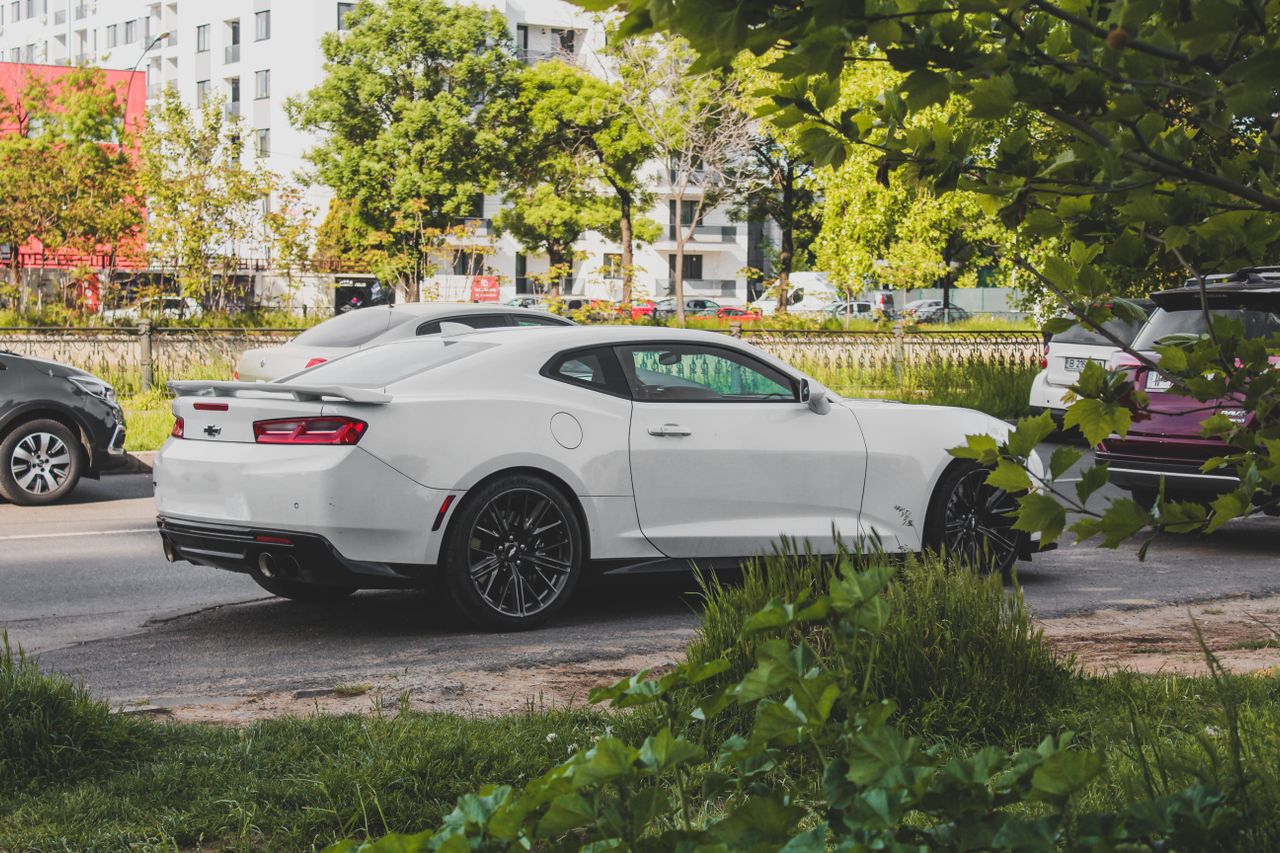
Time Your Trade-in to Maximize Connecticut Value
Timing your Chevrolet trade-in in Connecticut can have a real impact on what you are offered. Around here, weather, seasonal demand, and state rules on tax and registration all play a part. When you line those up in your favor, your numbers can look a lot better.
Summer shopping, new model-year arrivals, and how sales tax is applied to a trade-in can create a sweet spot for upgrading. By understanding how the local market moves through the year, you can show up at the dealership when your current ride looks its best on paper and in person. In this guide, we will walk through how seasons affect demand, how Connecticut rules matter, and how to pick a smart time to visit a dealership for your next Chevrolet trade-in.
How Connecticut Seasons Shape Trade-in Demand
New England buying habits tend to follow the weather. What buyers want in January is not always what they want in July, and that affects trade-in demand.
In Connecticut, we often see:
- SUVs and trucks getting more attention before and during winter
- All-wheel-drive and 4×4 models becoming more attractive when snow is in the forecast
- Fuel-efficient sedans and family crossovers getting more interest in late spring and summer
When cold weather approaches, shoppers start thinking about traction, ground clearance, and room for winter gear. That can be a good time to trade in if you have a truck or SUV with features people want for snow and ice. On the other hand, as roads clear up and gas prices weigh on people’s minds, there is usually more focus on compact cars and efficient crossovers.
Harsh Connecticut winters are also tough on vehicles. Road salt, potholes, and rough conditions can speed up rust, wear out suspension components, and chew up tires. That means:
- Trading before another winter can help you avoid extra wear that lowers value
- Keeping up on cleanings and underbody washes can help preserve condition
- Fixing obvious winter damage early can keep your trade more appealing
Vacation season and back-to-school time, especially from mid-summer into early fall, often bring more interest in family vehicles and road-trip-ready SUVs. When more buyers are looking for what you drive, your trade can become more attractive to the dealership as well.
New Model-Year Launches and Chevy Incentives
Chevrolet model-year changes are another big factor in timing. New model years typically show up around late summer into fall. When that happens, the mix of inventory at a dealership can shift quickly.
As new versions arrive, current model-year vehicles often become the focus of special offers. That can create a window where:
- Trade-in bonuses may be available on certain models
- Loyalty or upgrade offers can stack with your trade-in value
- Your current Chevrolet might fit perfectly into used inventory needs
If your vehicle is the current or very recent model year, its value tends to hold stronger than something that is a couple of model years behind. Once your model is viewed as older compared with what is on the lot, it can start to soften faster in the used market.
That is why it can make sense to plan your Chevrolet trade-in around the time you see the next model year hitting showrooms. When you upgrade while your current vehicle still feels “current” to buyers, you are usually working from a stronger position. Waiting several more model cycles can mean more miles, more wear, and less demand at the same time.
Connecticut Tax and Registration Rules That Affect Your Offer
Connecticut has some rules that can work in your favor when you trade in. One of the biggest is how sales tax is applied when you bring a vehicle to trade toward another one.
In general, the trade-in value is credited against the price of the vehicle you are buying, and sales tax is usually calculated on the difference. That can mean:
- A higher trade-in often leads to a lower taxable amount
- You may save money in tax compared with selling your car privately
- Timing your trade when your vehicle is worth more can help on both value and tax
Registration timing also matters. Connecticut registration is not free, so you do not want to pay for something you are about to give up. It helps to look at:
- How close you are to your registration renewal date
- Whether an emissions test is coming due soon
- If it makes sense to trade before you pay to renew or pass inspection again
If you have recently passed emissions in Connecticut, that can also be a positive sign for an appraiser, since it shows the vehicle meets current standards. Keeping maintenance records and receipts from your local mechanic or a Chevrolet service department can help show you have taken care of your vehicle. Documentation of:
- Regular oil changes
- Tire rotations and brake work
- Any aftermarket accessories that add value
can all help your Chevrolet trade-in stand out.
Choosing the Right Month for a Chevrolet Trade-in in CT
For many drivers in Connecticut, the mid-summer through early fall stretch is a strong time to think about trading in. During July, August, and September, and into October, several trends often meet at once: more active car shopping, back-to-school needs, and new model-year arrivals.
This period can bring:
- More families searching for crossovers and SUVs
- More shoppers on the road during good weather
- Dealers adjusting inventory as new model years roll in
There can also be advantages to paying attention to the calendar within each month. Some drivers like the end of the month or quarter, when dealers may be more focused on meeting sales goals. Others find that certain models are in shorter supply at different times of year, which can support stronger values when their trade matches what is in demand.
A few practical timing tips include:
- Watch gas prices, since sharp changes can shift interest between trucks and small cars
- Pay attention to extended weather forecasts that may spike demand for all-wheel drive
- Try to arrange an appraisal before you buy new tires or schedule major maintenance
If you expect a big service bill soon, trading in early can sometimes keep your overall costs lower, since you are not putting fresh parts into a vehicle you plan to replace.
Steps to Boost Your Trade-in Before You Visit Milford
No matter when you decide to trade, a little preparation can help your Chevrolet show its best side. You do not need a full detail, but a clean, cared-for vehicle sends a strong message.
High-impact steps include:
- A good exterior wash and cleaning out the interior
- Wiping down surfaces and vacuuming carpets and seats
- Removing personal items from storage compartments and cargo areas
- Having all keys, manuals, and accessories together
Small, low-cost fixes are usually worth doing. For example,
- Replacing burned-out bulbs
- Swapping old wiper blades
- Snapping loose trim back into place when possible
On the other hand, large repairs or upgrades right before trading usually do not pay off. Expensive bodywork, full sets of premium tires, or big aftermarket add-ons rarely raise the offer by the amount you spend.
It is smart to research estimated values ahead of time so you have a sense of the general range. Just keep in mind that:
- National guides do not always reflect local Milford demand
- Season, mileage, and condition can move the number up or down
- Dealer needs for certain models at that time can affect what you are offered
Approaching your Chevrolet trade-in with realistic expectations and a clean, well-documented vehicle will put you in a stronger spot, no matter when you choose to upgrade.
Get Top Value For Your Chevrolet Trade-In Today
Ready to see how much more your current vehicle could be worth toward your next ride? Explore our latest offers and service specials, including options that can complement your Chevrolet trade-in, so you get the most out of your upgrade. At Chevrolet of Milford, we will walk you through the entire process, from appraisal to paperwork, so it feels straightforward and transparent. If you have questions before you stop in, simply contact us and our team will be happy to help.
Connect with us


