





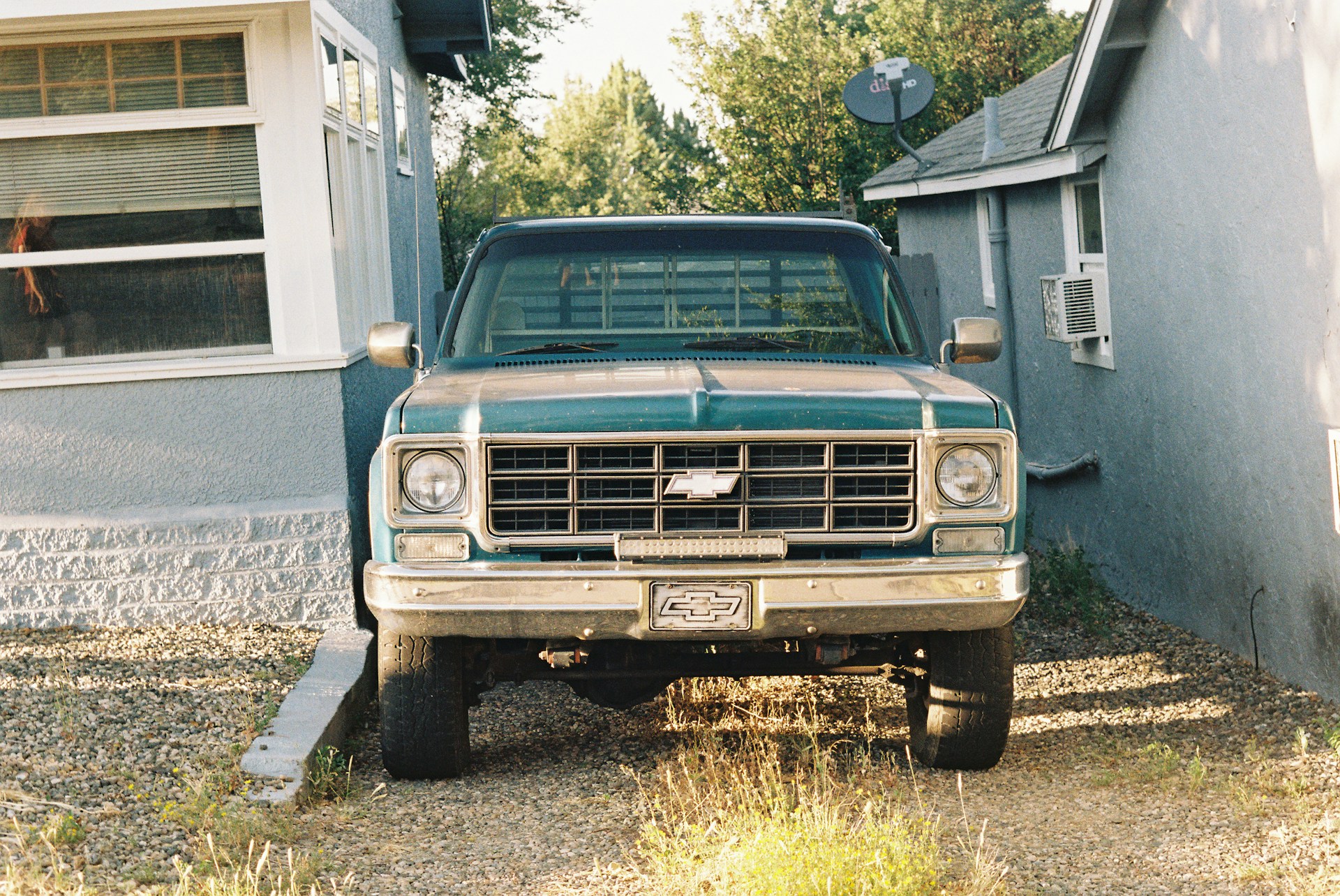
Get Your Chevrolet Truck Summer Tow-Ready Around Milford
Safe towing starts long before you hook up the trailer. When the weather warms up around Milford and the Connecticut shoreline, many drivers start pulling boats, campers, and toy haulers more often. If your Chevrolet truck or SUV is not prepared, that extra weight can put a lot of strain on your vehicle.
Summer towing prep helps protect your Chevrolet, your cargo, and everyone riding with you. With the right checks, you can cut down on roadside problems and feel more relaxed when traffic gets heavy or the temperature climbs. Around Milford and New Haven, that peace of mind matters on busy roads and tight coastal routes.
Our team is here as a local resource when you are getting ready for your biggest summer trips. We can help you understand Chevrolet towing capacity, answer questions about your specific truck or SUV, and look everything over before you head out in peak July and August heat.
Know Your Chevrolet Towing Capacity Before You Hitch Up
Before you ever drop a trailer on the hitch, you need to be clear on what your Chevrolet can safely pull. Chevrolet towing capacity is the maximum weight your truck or SUV is rated to tow. It is different from payload, which is how much weight you can carry in the cabin and bed, and different from GCWR, which is the maximum weight of your loaded vehicle plus your loaded trailer together.
Staying inside those limits helps protect your engine, transmission, brakes, and frame. Pulling more than your Chevrolet towing capacity can lead to poor control, longer stopping distances, and extra wear that shows up sooner than you expect.
You can usually find your towing specs in a few places:
- Owner’s manual
- Label on the driver’s door jamb
- Official Chevrolet trailering information for your model
- Knowledgeable staff at your local Chevrolet dealership
Around Milford and New Haven, common towing jobs include:
- Boats heading to ramps along Long Island Sound
- Campers going to Connecticut state parks and campgrounds
- Utility trailers full of lumber, landscaping gear, or home project materials
The key is to match your setup to your Chevrolet. For example:
- A light aluminum fishing boat on a small trailer might work well behind many Chevrolet SUVs or half-ton trucks.
- A larger cabin cruiser or heavy camper might call for a Chevrolet truck with a higher towing package.
- Frequent towing for work may mean you want a truck set up with towing in mind from the start.
If you are unsure how your trailer weight lines up with your vehicle rating, it is always better to ask before loading up.
Summer Heat Checks for Safe Connecticut Towing
Hot, humid weather and stop-and-go traffic on I-95 can really test your Chevrolet, especially when towing. Running heavy in high heat can raise engine and transmission temperatures and push your cooling system harder than normal driving.
Before summer towing, it is smart to have key systems checked, including:
- Coolant level and condition
- Transmission fluid level and condition
- Engine oil level and recommended grade
- Drive belts and hoses for cracks or wear
- Battery health and connections
Even if everything seems fine around town, towing in July heat can reveal weak spots. A cooling system that is only “okay” without a trailer might struggle on a long uphill climb with a boat behind you. Old transmission fluid can break down faster when things get hot.
At a professional service center that knows Chevrolet vehicles, technicians can:
- Inspect your cooling system performance
- Make sure your fluids are correct for towing conditions
- Look for any leaks or wear that might turn into a problem on the road
Catching issues early is a lot easier than dealing with a breakdown in a rest area or on the shoulder.
Hitch, Trailer, and Brake Essentials for Connecticut Roads
Even if your Chevrolet is in great shape, you still need the right hitch and trailer setup. Your hitch class, ball mount, and ball size all have to match your trailer weight. The tongue weight, which is the weight pressing down on the hitch, also needs to stay within the limits for your Chevrolet and your hitch.
Some quick points to keep in mind:
- Use a hitch with a rating equal to or higher than your trailer’s loaded weight
- Make sure the ball size matches the trailer coupler
- Keep tongue weight in the proper range, usually a portion of the total trailer weight
Your trailer itself also needs regular attention. Before summer towing, you should have:
- Tires checked for age, cracks, and proper pressure
- Bearings inspected and greased
- Coupler and latch checked for smooth, secure operation
- Safety chains checked for damage and proper crossing under the tongue
- All lights, brake lights, and turn signals working and plugged in correctly
Trailer brakes and a properly set brake controller are very important when towing in Connecticut, especially with heavier trailers. Good trailer brakes help:
- Shorten stopping distances
- Reduce strain on your Chevrolet’s brakes
- Improve control on hills, ramps, and curvy shoreline roads
A professional can help you confirm that the controller is adjusted correctly, that the trailer brakes are engaging smoothly, and that everything works well during a brake test.
Smart Driving Habits for Summer Towing Confidence
Once your Chevrolet and trailer are ready, your driving habits are the next part of safe summer towing. Pulling a trailer changes how your truck or SUV handles and stops, especially on busy roads around Milford.
Keep these habits in mind:
- Leave extra space between you and the vehicle ahead
- Brake earlier and more gently than you would without a trailer
- Take turns wider so the trailer does not cut corners
- Accelerate gradually to avoid putting sudden strain on your drivetrain
On I-95, Route 1, and local roads near beaches and marinas, traffic can back up quickly. It helps to:
- Watch far ahead for brake lights and slowdowns
- Reduce speed for construction zones and lane shifts
- Be patient when merging, since you need more room with a trailer
Before every trip, make a simple routine:
- Check tire pressures on both your Chevrolet and the trailer
- Confirm your load is balanced, with heavier items low and near the axle
- Test all lights and signals with someone watching behind the trailer
- Plan fuel and rest stops where you have room to pull in and back out with a trailer attached
Taking a few extra minutes before you leave can save you from stress later, especially on warm days when lots of people are headed to the same places.
Visit Chevrolet of Milford for a Towing Confidence Check
When you are getting ready for summer towing around Milford and New Haven, it helps to have a team that works with Chevrolet trucks and SUVs every day. At Chevrolet of Milford, we can look over your vehicle and help you feel confident that it is ready for the job.
Our service team can inspect fluids, brakes, and key towing components, and can help review how your hitch and trailer setup match your Chevrolet towing capacity. Our sales and service staff can also talk with you about choosing or upgrading to a Chevrolet truck or SUV that fits your towing plans, whether you are pulling a family camper, a boat, or equipment for work.
Unlock Confident Towing Power For Every Drive
If you are planning to haul a trailer, boat, or camper, we invite you to explore detailed specs and real-world insights on Chevy towing capacity for the models you are considering. At Chevrolet of Milford, we take the time to match you with the right truck or SUV so you can tow safely and confidently. Reach out to our team with questions or to schedule a test drive using our contact page form today.
Connect with us


