





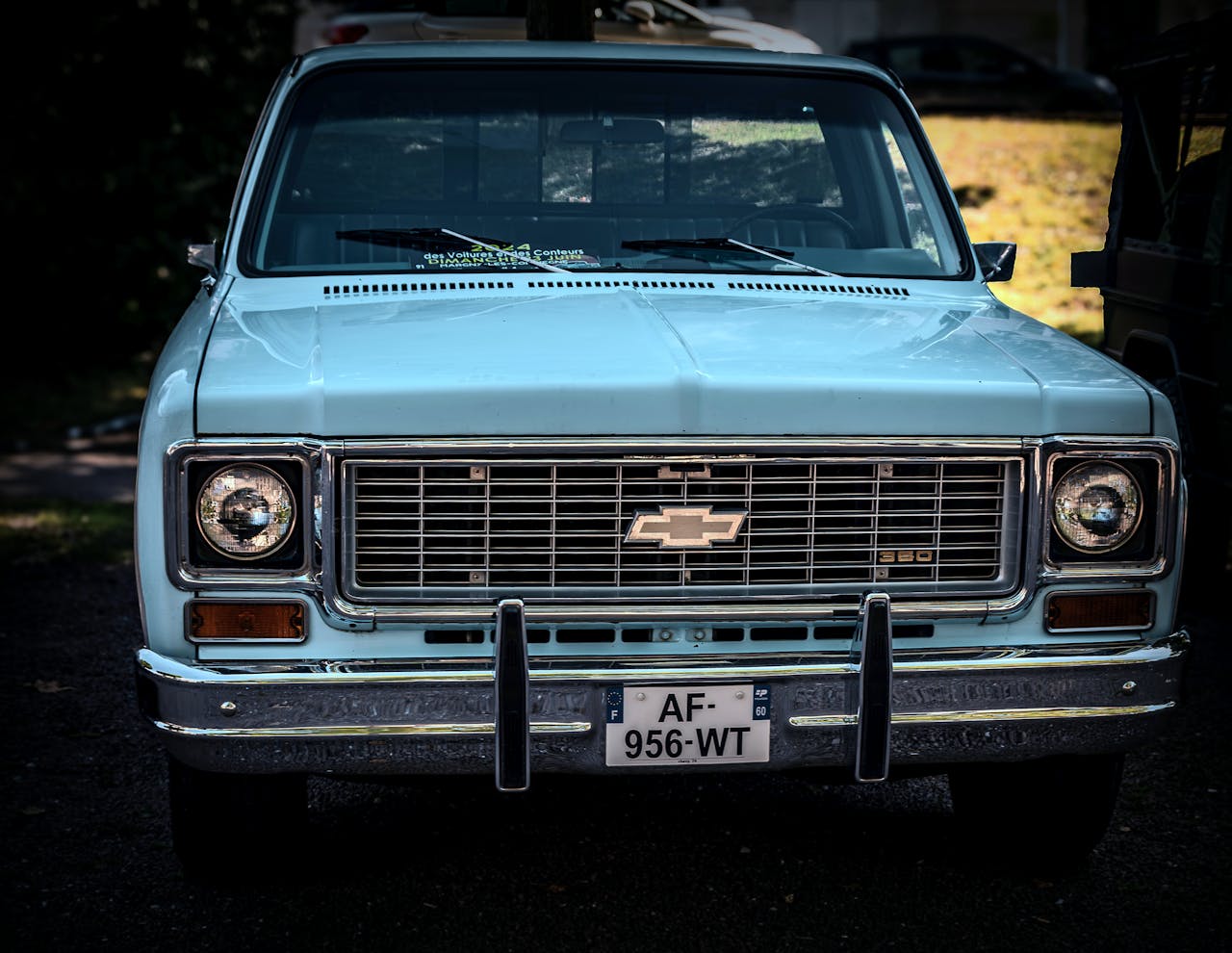
Build a Chevy Fleet Strategy Tailored To Connecticut Work Conditions
A smart fleet strategy is more than just adding a few extra trucks to your yard. For many Connecticut businesses, your vehicles are your worksite, your showroom, and your revenue on wheels. When the trucks are down, jobs fall behind and profits slip.
A fleet strategy means planning what types of Chevrolet work trucks you need, how they are set up, how much they can safely carry or tow, and what they will cost you over their full life. For contractors, landscapers, delivery services, trades, and local towns, this matters even more with New England weather, coastal salt near Long Island Sound, and big seasonal spikes in work.
Here around Milford, trucks see heavy rain, winter storms, hot summers, and plenty of stop-and-go traffic. That mix is hard on brakes, frames, and bodies. A clear plan helps you choose the right Chevy models, pick the right upfits, size payload and towing correctly, and keep your total cost of ownership under control. When you plan with a knowledgeable commercial team, you are less likely to end up with under-specced trucks, avoidable downtime, or paying for capability you never use.
Start with the Job: Right-Sizing Your Chevy Fleet
Before choosing any truck, start by looking closely at the work you do every day and what is coming next. A quick internal review can make a big difference. Key things to list out include:
- Types of jobs you run most often
- Average load weights and materials
- Trailer types you pull now and expect to add
- Tools and equipment that must be on board
- Which drivers have a CDL and which do not
Once you map this out, you can start pairing jobs with the right Chevrolet work trucks. For many Connecticut businesses, that might look like:
- Silverado 1500 for light-duty service calls, estimates, and sales visits
- Silverado 2500 HD or 3500 HD for heavier contractors, utilities, and bigger trailers
- Silverado Chassis Cab for dump bodies, flatbeds, and service bodies
- Express Cutaway for box trucks, delivery, and specialty builds
Seasonal peaks are a big deal here. Construction, landscaping, and delivery all tend to ramp up from late spring through early fall. If you wait until your phones are already ringing off the hook, you may end up scrambling for rentals or pushing trucks past what they should safely do.
To stay ahead of that surge, build a simple 3-to-5-year roadmap that outlines when you plan to replace high-mileage units, where you expect new contracts or service lines, how many extra trucks you need for peak months, and how to stagger purchases so not every truck ages out at once. This keeps your fleet safer, more fuel-efficient, and easier to budget.
Upfitting That Boosts Productivity, Not Just Looks
Upfitting is everything you add to a base truck to make it a true work tool. Done well, it can speed up every job. Done poorly, it can overload your truck or cause headaches.
Common Chevrolet fleet upfits for Connecticut businesses include:
- Ladder racks and rooftop storage
- Enclosed tool and drawer systems
- Dump bodies for material hauling
- Service bodies with side compartments
- Snowplow and spreader setups
- Stake beds and flatbeds
- Enclosed utility bodies for mobile workshops
The goal is to build trucks that help crews work faster and safer. When upfitting is done the right way, it keeps tools organized so workers are not digging around in the dark, spreads weight correctly across the truck for better handling, provides secure storage to help guard against theft in lots and busy city streets, and cuts down on climbing, reaching, and lifting that can lead to injuries.
It is also important to match every upfit to the truck’s ratings and electrical capacity. Body weight, plow gear, liftgates, and extra lighting all eat into payload and can affect how the truck brakes and steers. Planning with a team that knows these limits helps keep you within factory ratings and supports warranty coverage.
Many local businesses also want trucks that earn their keep all year. A single Silverado HD might tow landscape trailers in warm months, then switch to plowing and salting when the snow hits. Modular racks, removable spreaders, and plow setups that pair well with summer gear can keep one truck productive across seasons.
Nail Your Payload and Towing Specs the First Time
Guessing on weight ratings is risky. It can lead to safety issues, failed parts, and fines on the roadside. A few key terms to understand:
- GVWR: the maximum weight of the truck plus everything in it
- GCWR: the maximum combined weight of truck, trailer, and all cargo
- Curb weight: what the empty truck weighs with standard equipment and fluids
- Payload: how much weight the truck can carry in people and cargo
- Towing capacity: how much the truck can pull behind it
To find a real-world payload number, you need to count everything, not just materials. That includes the driver and crew; full fuel and fluids; tools; boxes; racks; bodies; generators; compressors; bulk items; and heavy materials like stone, mulch, pavers, or bagged product.
Towing needs also vary across Connecticut businesses. Some common trailers include:
- Enclosed trailers for trades and mobile workshops
- Open landscape trailers with mowers and attachments
- Equipment haulers for skid steers, mini-excavators, and compact loaders
- Boat or recreational trailers for marina and rental work
Different Chevy models shine in different roles:
- Silverado 1500 is suited for lighter trailers and mobile service setups
- Silverado HD handles bigger equipment and heavy construction loads
- Chassis Cabs offer strong frames for specialized bodies plus towing
Working through these numbers with experienced fleet specialists helps protect your drivers, your brakes and transmissions, and your compliance with weight rules.
Total Cost of Ownership: Look Beyond the Sticker Price
Buying or leasing the truck is only part of the story. Total cost of ownership, or TCO, is the full cost to run that vehicle during its life in your fleet.
Key pieces of TCO include:
- Purchase or lease payments
- Fuel and, where needed, DEF
- Insurance
- Maintenance and repair
- Upfit investment
- Depreciation and resale value
- Losses from downtime
Modern Chevrolet work trucks are built to help bring TCO down compared to keeping older units on the road indefinitely. Newer trucks often offer better fuel economy, updated safety tech that can help prevent accidents, and service intervals that can keep trucks in the field longer between visits to the shop. Telematics and tracking can also help you spot idling, rough driving, or routing issues that waste fuel and wear out parts.
Connecticut driving brings its own cost pressures. Stop-and-go traffic on I-95 or Route 1 is hard on brakes. Coastal air and winter road salt can speed up corrosion if trucks are not cared for. Working with a team that knows these conditions and uses proper parts and service methods helps extend vehicle life.
Some helpful TCO strategies include:
- Taking advantage of fleet-focused programs when you qualify
- Choosing purchase or lease terms that match how long you plan to keep each truck
- Building a maintenance plan so service is done on schedule
- Planning service during slower times or off-hours to cut downtime
- Cycling older, high-mileage units out before repairs become frequent and costly
Partner with a Local Chevrolet Fleet Team to Put Your Plan in Motion
When you shift from “we need more trucks” to a clear fleet strategy, you gain control. You start to define the right mix of Chevrolet work trucks, standard upfits, correct payload and towing specs, and TCO goals that fit your business instead of guessing each time you add a unit.
A good next step is to gather some basic data from your current operation, including typical loads, common routes, average daily mileage, and the issues that keep slowing your crews down. From there, you can work with a nearby commercial and fleet team to review needs, see suitable vehicles, and compare different setups before peak demand hits again. With a local partner that understands Connecticut roads, weather, and business cycles, your fleet can stay ready for the work ahead.
Get The Right Work Truck To Power Your Business Forward
Whether you are expanding your fleet or gearing up for your first job, our team at Chevrolet of Milford is ready to help you choose the right Chevrolet work trucks for the way you operate. We take the time to understand your payload, towing, and upfit needs so you get a truck that works as hard as you do. Have questions about inventory, financing, or custom configurations? Simply contact us and we will walk you through your best options step by step.
Connect with us


