





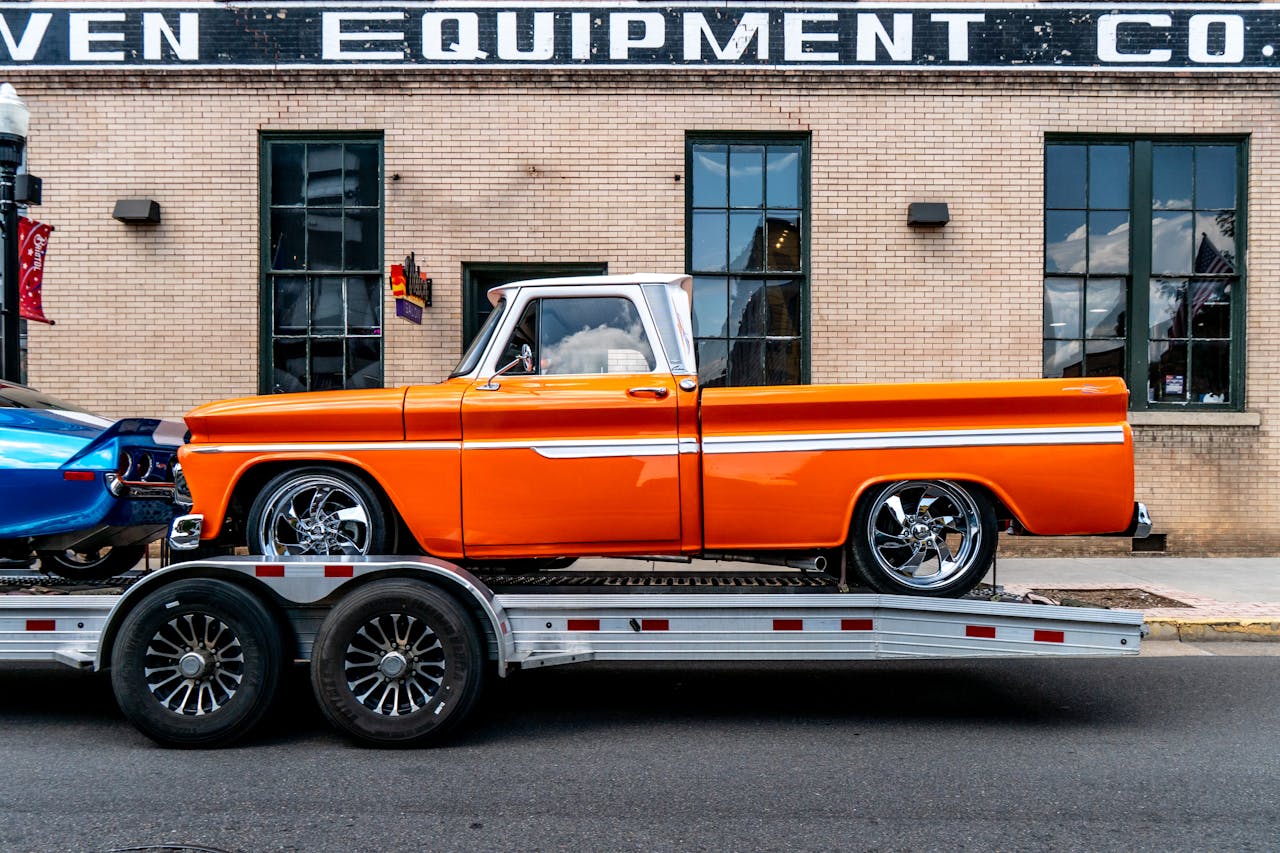
Choose the Ideal Chevy for Safe, Summer-Ready Towing
Choosing the right Chevy for towing is just as important as choosing the right boat or camper. If your vehicle is not matched to your trailer, you can run into safety problems, stress on the road, and possible damage to your truck or SUV.
When you understand Chevy towing capacity, you protect your family, your gear, and your investment. You also help keep your insurance coverage in good shape, since overloading your vehicle can cause issues if something goes wrong. Around Milford and the nearby shoreline, many drivers pull boats, jet skis, and small campers to Long Island Sound and local lakes, so it pays to be ready before the busy season hits.
We help local drivers pick the right Chevy and set it up for towing in a safe and smart way. Let’s break down what towing capacity really means and how to match your boat or trailer to the right vehicle for your trips.
What Towing Capacity Really Means for Your Chevy
Towing terms can feel confusing at first, but once you know the basics, the numbers on your Chevy start to make sense.
Here are key terms you will see on your door sticker and in your owner’s manual:
- Towing capacity: The maximum weight your Chevy can safely pull when properly equipped
- Payload: How much weight you can carry in the cab and bed, including people and cargo
- GVWR (Gross Vehicle Weight Rating): The maximum allowed weight of your loaded Chevy by itself
- GCWR (Gross Combined Weight Rating): The maximum allowed weight of your loaded Chevy plus your loaded trailer
- Curb weight: How much your Chevy weighs with standard equipment and fluids, but no passengers or cargo
- Tongue weight: How much weight the trailer puts on the hitch
Chevy towing capacity is not one fixed number for all models. It changes based on things like:
- Engine size and power
- Drivetrain (2WD or 4WD)
- Cab style and bed length
- Axle ratio
- Factory towing or trailering packages
You might see a big “maximum” towing number in ads or online. That number is usually for a very specific configuration with a light truck, few options, and no passengers or gear. In real life, you will have people, fuel, coolers, tools, and more in the vehicle. All of that weight counts against your ratings and lowers what you can safely tow day to day.
Matching Your Boat or Trailer to the Right Chevy
Before you choose a Chevy or hook up your trailer, you need to know how much you are really towing. Do not stop at the “dry weight” of the boat or camper. Dry weight does not include fuel, water, batteries, coolers, fishing gear, or the trailer itself.
To get a better real-world number, add:
- Dry weight of the boat or camper
- Trailer weight
- Full fuel and water tanks
- Food, clothing, tools, and toys
- Any extra gear stored in the trailer
That total should be at or under the towing capacity of your Chevy, and your tongue weight should stay within the range listed for your hitch and vehicle.
Here are a few common summer setups and general Chevy ideas:
- Small aluminum fishing boat or a pair of jet skis: Often a good match for a midsize truck like a Chevy Colorado, especially for short pulls to local ramps.
- Family bowrider or small deck boat: A half-ton truck like a Chevy Silverado 1500 is a strong choice, giving you power for hills and room for family and gear.
- Larger cabin cruiser, big camper, or heavy toy hauler: You will likely want a Chevy Silverado HD or a full-size SUV like a Chevy Suburban, depending on weight and how you travel.
Staying under your Chevy towing capacity is about more than just “can it move?” When you overload your vehicle, braking distances grow, transmissions run hotter, and parts wear out faster. Keeping weight in check helps your truck or SUV handle better on highway trips and on the smaller roads around coastal Connecticut.
Chevy Towing Features That Make Summer Trips Easier
Modern Chevy trucks and SUVs come with smart towing features that can help you feel more relaxed behind the wheel. Some common systems you may see include:
- Trailer Sway Control to help keep a trailer more stable if it starts to swing
- An Integrated Trailer Brake Controller to help control trailer brakes from inside the cabin
- Tow/Haul mode to adjust shift points for pulling heavy loads
- Hill Start Assist to help prevent rolling back on ramps and hills
Many newer Chevys also offer camera views that make hitching and backing up simpler. Extra views behind the trailer, a hitch view, and guidelines can really help at crowded boat launches and busy marina parking lots.
For longer trips, convenience features can make a big difference too. Some models offer in-vehicle trailering apps, checklists to remind you of key steps, and tire pressure monitoring for trailer tires when properly equipped. Tow mirrors and good blind spot coverage help during lane changes on packed summer highways.
All these tools work best when you still follow safe driving habits, leave extra space, and stay within the ratings of your Chevy and your trailer.
Pre-Trip Checks to Protect Your Chevy and Your Crew
Before every tow, even a short one, it is smart to do a quick walk-around check. This can help you catch small issues before they turn into big problems on the road.
A simple pre-tow checklist might include:
- Inspect the hitch, receiver, and coupler for damage or rust
- Confirm you are using the correct ball size for your trailer
- Cross and attach safety chains with enough slack for turning
- Test all trailer lights: brake, turn, and running lights
- Check that trailer brakes, if equipped, are working properly
Weight balance is just as important as total weight. You want the right amount of tongue weight, not too light and not too heavy. Too little weight on the hitch can cause sway, while too much can overload the rear of your vehicle.
Keep heavier items like coolers, water, and tools low and near the trailer axle, and do not stack all the gear at the very back. Spread camping supplies, fishing gear, and other items evenly so the trailer tracks straight.
Seasonal maintenance helps your Chevy handle towing stress:
- Brake inspections for pads, rotors, and fluid
- Checks of engine oil, transmission fluid, and coolant
- Tire condition and pressure checks on both the vehicle and trailer
- Alignment checks if your truck or SUV feels like it pulls to one side
Having this work done by a team that understands Chevy vehicles can give you extra peace of mind when the weather warms up and trips get longer.
Plan Your Next Tow with Chevrolet of Milford
When you are planning your next boat or trailer setup, it helps to bring real numbers instead of guesses. Details like trailer weight ratings, boat dry weight, and how you use your camper give us a clear picture of what kind of Chevy fits your needs.
At Chevrolet of Milford, we work with local drivers who tow on a regular basis, from quick runs to local ramps to longer trips along the coast. We can help you review Chevy towing capacity, look at different trucks and SUVs, and talk through the towing features that matter most for your trips.
Our team can also help you prepare a Chevy you already own, with service focused on the systems that matter most for towing. With the right information, the right vehicle, and the right setup, you can head out for your next boat or trailer trip feeling calm, safe, and ready for a great day on the water.
Find the Right Chevy Towing Power for Your Needs
If you are comparing models or planning your next haul, we make it easy to understand Chevy towing capacity across the lineup. Our team at Chevrolet of Milford is ready to walk you through real-world towing scenarios so you can choose confidently. Reach out with your questions or schedule a visit by using contact us, and we will help match you with a truck or SUV that fits your towing goals.
Connect with us


