




You're pulling out of the driveway on a foggy Milford morning, coffee in the cup holder, and a little icon lights up on the dash you don't recognize. Maybe it beeps. Maybe the wheel nudges itself. If that's ever made you tense up instead of relax, you're not alone. Chevrolet Of Milford sees this reaction often, and most of it comes down to a handful of myths about what driver-assist tech actually does.
Myth: It Drives the Car for You
This is the big one, and it's the one that gets people into trouble. Driver-assist tech is built to support your driving, not take it over. Adaptive systems, lane monitoring, and automatic braking are there to catch mistakes or fatigue, not to let you check out mentally.
Think of it like a spotter, not a chauffeur. Your hands still belong on the wheel, your eyes still belong on the road, and your foot still matters. The moment you treat it as full autonomy is the moment it stops doing its job well.
Understanding this early actually makes the tech less intimidating. You're not handing over control, you're adding a second set of eyes that never blinks. That mental shift alone helps most drivers relax into it faster.
Myth: You Need Days to Learn It
People imagine a steep learning curve, like learning to drive stick all over again. In reality, most drivers get comfortable within a few short outings, often the same week.
The trick is practicing somewhere low-pressure first. An empty parking lot, a quiet Sunday morning street, or a familiar stretch of road works better than jumping straight into I-95 traffic.
A simple first-week routine
- Test one feature at a time, not all of them together
- Practice in daylight before trying it at night or in rain
- Notice what each alert sounds and feels like before you need it
- Ask questions at the dealership if something feels unclear
By the end of a week of short, deliberate drives, most of this stops feeling foreign and starts feeling normal.
Myth: Lane Keep Assist Will Fight You for Control
A lot of drivers describe this system as feeling like it's arguing with them. That's usually a misunderstanding of what it's doing. Lane keep assist nudges the wheel gently when it senses you're drifting without a signal, not when you're intentionally changing lanes.
If you use your turn signal, it steps back and lets you move. If it feels like it's pushing against you constantly, that's often a sign you're drifting more than you realize, which is exactly the kind of thing it's designed to catch.
Once drivers understand the signal makes the difference, the tension usually disappears. It stops feeling like a fight and starts feeling like a quiet check on attention.
Myth: Adaptive Cruise Isn't Safe in Stop-and-Go Traffic
This myth keeps people from using one of the most genuinely useful features on the highway. Adaptive cruise control is specifically built for traffic that speeds up and slows down, adjusting your following distance automatically instead of leaving you to ride the brake constantly.
It's not meant for tight, aggressive weaving through cars. But for steady commuting, merging traffic, and long highway stretches, it reduces a lot of the fatigue that comes with constant speed adjustments.
The key is trusting the system enough to let it manage distance, while still staying ready to brake if something unexpected happens ahead. It's a partnership, not a hand-off.
Myth: Blind Spot Monitoring Means You Never Have to Look
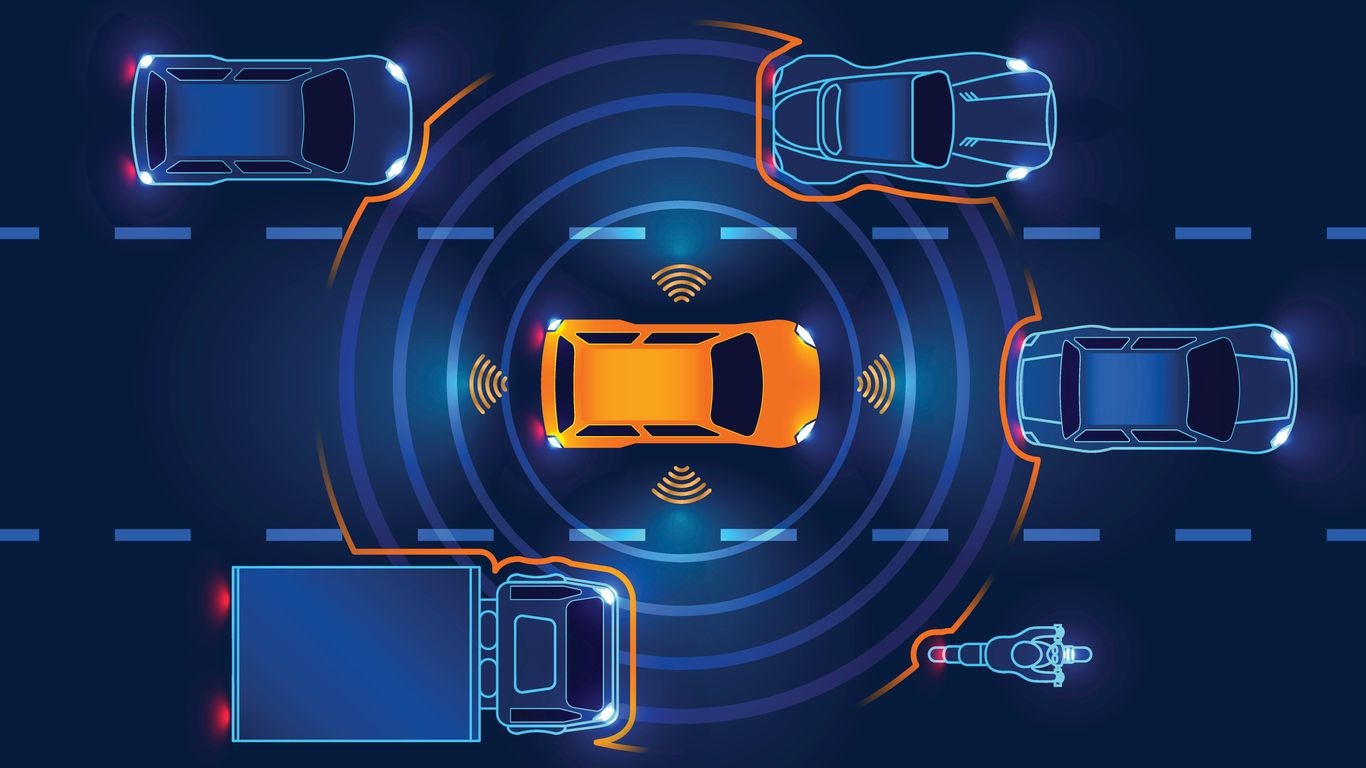
This is one of the more common, and more dangerous, misconceptions. Blind spot monitoring is a backup layer, not a replacement for checking your mirrors and glancing over your shoulder before changing lanes.
Sensors can miss fast-approaching vehicles, motorcycles, or objects at odd angles. Relying on the light alone, without the habit of looking, removes exactly the kind of redundancy that makes the system valuable in the first place.
The safest drivers treat it as a second confirmation, not the only one. Keep your old habits. Let the tech back them up instead of replacing them.
Myth: All Systems Work the Same Across Vehicles
Drivers who've owned one car with driver-assist features sometimes assume every other vehicle behaves identically. Layouts differ, alert sounds differ, and how aggressively a system intervenes can differ by model and trim.
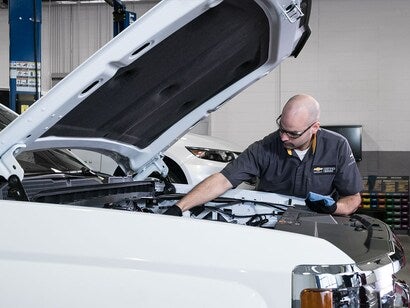
This is where getting a proper walkthrough matters more than guessing. Chevrolet Certified Service experts trained specifically on Chevrolet vehicles can explain exactly how your particular setup behaves, rather than leaving you to compare it to something you drove years ago.
A five-minute explanation from someone who knows the exact system in front of you saves weeks of trial and error. It's worth asking before you ever pull out of the lot.
What to Do Next
Getting comfortable with driver-assist tech isn't about reading a manual cover to cover. It's about short, repeated exposure paired with a clear explanation of what each feature is actually meant to do.
Start with one system at a time, practice in low-stress conditions, and don't be afraid to ask questions about anything that still feels unclear after a week of driving. Chevrolet Of Milford offers new and pre-owned inventory equipped with a range of these features, and you can get quotes, schedule service, or apply for financing online before ever stepping into the lot.
If something on your dash still doesn't make sense once you're driving, Chevrolet Certified Service is there to walk through it with you directly, on the exact vehicle you own.
Milford, CT
- Driver-assist features support your attention, they don't replace it.
- A few practice drives in familiar, low-traffic settings build comfort quickly.
- Systems vary by vehicle, so ask what your specific car includes.
FAQ Common questionsCan I turn off driver-assist features if they bother me?Many systems can be adjusted or disabled through vehicle settings, though this varies by model. If a feature feels intrusive, it's worth asking a service advisor whether it's adjustable rather than turning it off entirely. Do these systems replace safe driving habits?No. They're designed to back up attentive driving, not substitute for it. Mirror checks, shoulder glances, and steady attention still matter just as much as before. How long does it take to get comfortable with driver-assist tech?Most drivers report feeling at ease within a week of short, regular practice drives, especially when they test one feature at a time in low-traffic conditions. Will these features work the same in rain or fog?Sensor-based systems can be affected by heavy rain, fog, or dirt on cameras and sensors. It's a good habit to keep sensors clean and stay a little more attentive in poor weather. Where can I learn what my specific car includes?A walkthrough with Chevrolet Certified Service experts trained specifically on Chevrolet vehicles is the most reliable way to understand exactly how your vehicle's features behave. |
Ready to get started? Or call (203) 951-6292 · 655 Bridgeport Ave, Milford |