




Blog / MILFORD Chevrolet Dealer

Dealing with Sensor Issues in Your Chevrolet Traverse

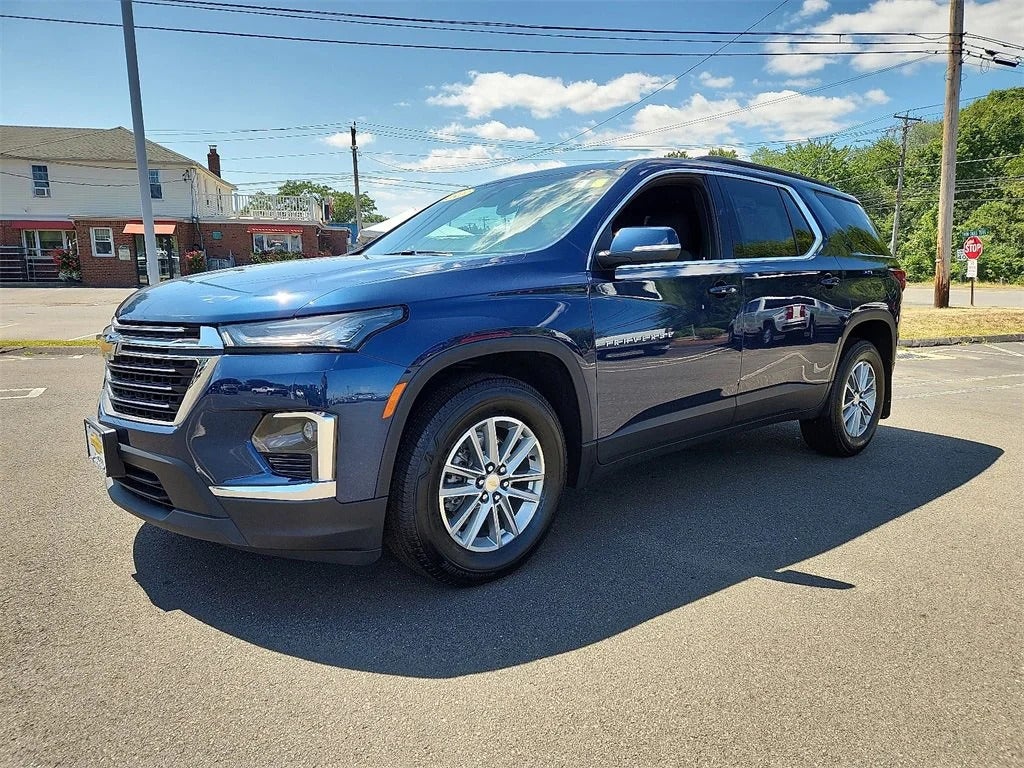
Chevrolet Traverse

Your Chevrolet Traverse depends on a network of sensors to keep everything running smoothly. These sensors collect data from different parts of the vehicle and help manage things like fuel usage, engine timing, shifting, and even how your interior systems work. They act like messengers between the car’s mechanical parts and its computer systems. When one of them stops working the way it should, you might start to notice strange behavior while driving or warning lights popping up on your dashboard.

Sensor problems can lead to bigger issues if ignored. Whether it’s the check engine light staying on, unusual fuel performance, or jerky shifting, it’s often a sign that one of these sensors is having trouble. Most people don’t realize how many systems rely on them until something goes wrong. Understanding what these sensors do and how to catch warning signs early can save you time, money, and stress, especially with cooler fall temps settling in around Milford.

Understanding Sensors in the Chevy Traverse

A lot of systems in your Traverse depend on small electronic parts that run quietly behind the scenes, and most of them are sensors. These help the vehicle make decisions based on changing conditions. There are quite a few different kinds built into your Traverse, and each one has a specific job.

Here are some of the more common sensors you’ll find:

  • Oxygen Sensor: Helps the vehicle regulate how much fuel to burn by measuring how much oxygen is in the exhaust.
  • Mass Airflow Sensor: Monitors the amount of air coming into the engine so the engine control unit knows how much fuel to send.
  • Coolant Temperature Sensor: Keeps track of your engine’s heat level to help manage performance and reduce the risk of overheating.
  • Knock Sensor: Listens for tiny noises that hint at engine trouble before real damage occurs.
  • TPMS (Tire Pressure Monitoring System) Sensors: Mounted inside each tire, these sensors let you know if pressure is too low.
  • Parking Sensors: Typically found in the front and back bumpers, these help with easier and safer parking by detecting obstacles.

Each sensor sends signals to your vehicle’s computer, which reacts immediately. Adjusting gears, triggering warning lights, or protecting the engine based on those inputs happens in real time. If one sensor has an issue, the system it assists can also fall off track.

For example, a faulty oxygen sensor might cause your vehicle to burn more fuel than needed. When fall rolls in and you depend more on your heating and traction systems, issues like these can quickly go from annoying to risky.

Knowing how these sensors work helps you connect the dots when something feels off. You may not know exactly which sensor is causing the trouble, but recognizing these systems can help you respond sooner.

Common Sensor Issues and Symptoms

Even the most reliable Chevy Traverse can run into sensor trouble. Being able to spot signs early avoids bigger repair bills.

1. Oxygen Sensor Malfunction: A broken oxygen sensor can throw off your fuel-to-air ratio. You might notice the check engine light, poor gas mileage, or a strange smell from the exhaust.

2. Mass Airflow Sensor Issues: If your vehicle starts to accelerate oddly or struggles to start, the airflow sensor could be the cause. Rough idling is another common sign.

3. Coolant Temperature Sensor Trouble: When this sensor is off, it can confuse the engine’s control system. You might see your temperature gauge behave oddly or face reduced fuel economy.

4. Knock Sensor Problems: This sensor helps protect your engine when something starts to go wrong with combustion. If the engine knocks but the sensor doesn't correct it, long-term wear may happen. Listen for strange sounds during acceleration to catch it early.

5. TPMS Sensor Alerts: If the tire pressure light turns on repeatedly, even when your tires seem fine, it might be time to check or replace the sensor inside the tire.

6. Parking Sensor Errors: A sensor that beeps at nothing or fails to beep at all when near objects may need inspecting. Always double-check your surroundings in this case.

Spotting these signs early helps reduce the risk of long-term failures and keeps repair bills more acceptable. Paying attention to gauges, lights, and unusual performance matters more than you might think.

Dealing with Sensor Issues

When a sensor acts up, it’s a good idea to act fast before it grows into something more severe. Waiting too long can turn a manageable issue into a complicated repair project.

One thing you can do is use an OBD-II scanner. It plugs into the car’s system and pulls codes that help pinpoint what part might be off. This step is helpful, but it’s best to let a trained pro handle the final diagnosis and repairs. A skilled mechanic can confirm what’s wrong and take care of it correctly.

Here are a few simple habits that can help avoid frequent sensor problems:

  • Get Regular Oil Changes: Fresh oil keeps moving parts and sensors working smoothly.
  • Keep the Engine Area Clean: Dirt and grime can jam up sensors or send incorrect readings.
  • Use Quality Fuel: Lower-quality gas can lead to buildup in important parts of your vehicle, sensors included.

Letting issues go untreated can create bigger failures. Tackling them early makes repairs faster and usually cheaper, and it keeps your vehicle’s performance steady.

Preventative Measures and Regular Maintenance

There’s no shortcut when it comes to dependable vehicle care. The better you maintain your Traverse, the less likely you are to deal with inconvenient sensor issues.

Start with a consistent oil change schedule. Dirty or old oil can impact various engine sensors and cause them to misread. Follow manufacturer guidelines to keep on track.

Also pay attention to the following:

1. Check Fluid Levels: Make sure brake, transmission, and coolant fluids are where they should be. Low or dirty fluids affect how well sensors do their work.

2. Monitor Tire Pressure and Condition: Tires matter more than most drivers think when it comes to sensors. Poor tread or low pressure affects TPMS readings and overall driving comfort.

3. Inspect Battery and Cables: Worn or corroded battery connections mess with how signals flow between sensors and the computer. Clean and secure connections help avoid communication errors.

4. Schedule Engine Check-Ups: Even if nothing seems wrong, regular inspections help catch developing issues before they lead to sensor failures or damage to other systems.

Keeping these routines in check will make a big difference in how reliably your Traverse runs day to day.

Help Your Traverse Stay Reliable and Worry-Free

Sensors are easy to overlook until they cause problems, but they do so much behind the scenes every time you drive. Being proactive about small signs and keeping up with a regular maintenance routine helps avoid interruptions and keeps things safer overall.

Simple tasks like timely oil changes, checking fluids, and addressing dashboard warnings quickly all pay off in the long run. Letting problems sit only adds to the expense and inconvenience later.

When you put in the effort to stay ahead of sensor issues, you end up with smoother drives, better fuel efficiency, and fewer expensive surprises. For repairs or regular service, rely on experts like the team at Chevrolet of Milford to give your Traverse the care it deserves.

Keep your Chevy Traverse performing at its best with regular care and attention. One simple way to maintain optimal performance is to ensure timely services like an oil change. For dependable service you can trust, schedule your next Chevy Traverse oil change with the team at Chevrolet of Milford. Staying on top of maintenance now can help you avoid unexpected issues down the road and keep your SUV running smoothly through every season.


Posted in:

Related Posts

Chevy

Understanding Chevy Android Auto for Safer Connecticut Drives

Make Every Connecticut Drive Smarter and Safer with Chevy Android Auto Driving around Connecticut asks a lot of drivers. One minute you are crawling on I-95 near New Haven, the next you are on the Merritt dealing with tight curves and quick exits. Add coastal rain, winter snow, school drop-off lines, and constant phone alerts, and it is easy for distraction to sneak in. more Chevy Android Auto is built to reduce some of that chaos. It lets you bring key parts of your Android phone onto your Chevy touchscreen in a simple, driver-friendly way. You can get directions, answer a call, or change a playlist with your voice, so your hands stay on the wheel and your eyes stay on the road. This guide explains what Chevy Android Auto is, how to set it up in a Chevy vehicle, and how it can help on real Connecticut drives, from fall road trips to slippery winter mornings. What Chevy Android Auto Does for Your Daily Drive Chevy Android Auto is like a streamlined version of your phone, built right into your dashboard. When you connect your Android phone, compatible apps show up on your Chevy infotainment screen in a simple grid with large icons. It feels familiar, but it is trimmed down to what you actually need while driving. Here is what that means for everyday driving in Connecticut: Your phone screen can stay dark while the car screen handles the important functions You can use voice commands for calls and texts, instead of tapping around on your phone The display shows large buttons, clear directions, and fewer distractions For commutes around the area, that can make a real difference. Heading from Milford into Stamford at rush hour, you can ask for the best route without taking your eyes off I-95. Driving to New Haven for a night out, you can pull up turn-by-turn guidance and traffic updates in seconds. During back-to-school season, you can keep both hands on the wheel in the school zone while still replying to a quick text by voice. By moving the most common phone tasks onto the Chevy screen, Chevy Android Auto helps reduce the temptation to reach for your phone and provides tools to stay focused. Connecting Your Android Phone in Your Chevy Getting started is usually simple, and it is best to do it while parked, not on the road. First, get your phone ready: Make sure your Android phone is updated to a recent version of Android Install the Android Auto app if your phone requires it Turn on Bluetooth and Wi-Fi on your phone Then, set up in your Chevy: 1. Start the vehicle and keep it in Park. 2. Plug your phone into the USB port with a good-quality USB cable. 3. Watch the infotainment screen for the Android Auto prompt, then follow the steps. 4. Accept any permissions on your phone, such as access to contacts or messages. Some Chevy models also support wireless Android Auto, so after the first setup, you may be able to connect without the USB cable. The infotainment screen will guide you through those steps if the vehicle has that feature. If Chevy Android Auto will not launch, common fixes include: Try a different USB cable, especially if the current one looks worn Restart both the phone and the vehicle Check that Android Auto is allowed in your phone settings Make sure the Android Auto option is turned on in the Chevy infotainment settings For safety, set home and work addresses, favorite destinations, and most-used apps before you drive. Avoid making on-the-fly changes while the vehicle is moving, even if the system allows it. Safer Navigation for Every Connecticut Season Connecticut roads change a lot with the seasons, and Chevy Android Auto can help you keep up. Navigation apps in Android Auto show up clearly on the Chevy screen and provide spoken directions, so you do not have to glance at your phone. On fall trips through inland towns or along the shoreline, you can: Ask for the fastest route to a park or trail Receive warnings about slower traffic ahead Add a stop for food or fuel with a quick voice command Winter brings different challenges, like snow, ice, and shorter daylight. With Android Auto navigation, you can: Hear turn-by-turn directions, so you are not squinting at a small phone screen in the dark Get route suggestions that may help you avoid backed-up hills or problem spots Ask for nearby gas, rest stops, or a safe place to pull over if conditions worsen Year round, real-time traffic and construction alerts are especially helpful on I-95 and the Merritt Parkway. If there is a backup near Milford or a crash closer to Stamford, your map app in Android Auto can suggest another route and tell you what lane to be in for the next exit. Features like lane guidance and clear exit numbers can reduce last-second lane changes. And if you need to add a stop, you can say something like, “Find a gas station on my route,” and let the system handle it without touching your phone. Hands-Free Communication and Entertainment Chevy Android Auto is not just about maps. It is also designed to handle calls, texts, and music in safer ways while you drive. With Google Assistant through Android Auto, you can say: “Call my spouse” or “Call work” “Send a text saying I am running 10 minutes late” “Remind me to book a service appointment tomorrow” “What is the weather like in Milford this afternoon?” The system can read messages out loud and let you reply by voice, so your phone can stay out of your hands and out of your line of sight. Entertainment is simpler too, which matters on longer drives across the state or trips to college dropoff and sports events. You can ask for: A specific playlist or artist A podcast episode for the ride An audiobook to keep kids or teens occupied Volume and track changes are easy to manage from the steering wheel controls or with your voice. Even everyday errands can feel smoother. You can say, “Find coffee,” on the way through Milford, or “Call the office,” as you head up the ramp, instead of scrolling through your phone at a red light. Getting Help with Android Auto Setup If you prefer in-person assistance, many Chevrolet dealerships in Connecticut can provide guidance on Chevy infotainment systems and Android Auto. Staff can typically: Help pair an Android phone and check basic settings Point out where key features appear on the screen Offer general tips on which app types tend to work best for daily driving Service departments can also look into software updates and infotainment system issues and let you know which Chevy models and trims offer features like wireless Android Auto. When Chevy Android Auto is set up and used properly, it can function like a calm, smart co-pilot on many Connecticut roads, from crowded highways to quiet coastal streets. Experience Seamless Connectivity With Chevy Android Auto Today Explore how Chevrolet of Milford can help you make every drive smarter and safer with Chevy Android Auto integrated into the latest Chevy models. Our team is ready to walk you through compatible vehicles, key features, and setup so you can get the most from your smartphone on the road. If you have questions or want to schedule a test drive, simply contact us and we will help you get started.

Silverado Trucks

Financing Chevy Silverado Trucks Without Harming Your Budget

Drive Home a Silverado Without Derailing Your Budget Owning a Chevy Silverado can make workdays easier and weekends more fun, but the payments should not keep you up at night. A strong truck that can tow, haul, and handle New England weather is great, as long as the monthly cost fits comfortably into your life. more Many drivers worry about big truck payments, rising interest rates, and long loans that feel like they never end. Those are real concerns, especially when you are trying to balance housing, groceries, and everything else your family needs. The good news is that with a clear plan and the right support, Chevy Silverado financing can be much less stressful than it seems. At our dealership in Milford, we see every day how smart planning, dealership incentives, and flexible financing options can make a Silverado work for different budgets around Milford and New Haven County. When you understand how the numbers work, you can choose a truck and a payment plan that feels right, not risky. Understand What Really Impacts Your Monthly Payment Your monthly Silverado payment is not a mystery. It is shaped by a few simple pieces that fit together like a puzzle. When you see how each piece works, you can adjust them to get a payment that makes sense for you. The main factors include: Purchase price of the truck Size of your down payment Interest rate from your lender Length of the loan term Whether it is a new, used, or Certified Pre-Owned Silverado Change just one of these and the monthly payment can shift a lot. For example: Larger down payment: Lowers your monthly cost and cuts the amount of interest you pay over time. Longer loan term: Lowers the monthly payment but usually increases the total interest you pay. Lower interest rate: Helps both your monthly payment and total cost of the truck. Seasonal timing can also help the numbers work in your favor. Late summer and early fall often bring model year changeovers, which can lead to incentives on remaining Silverado inventory. That can mean a lower purchase price right before tougher weather arrives across Connecticut, when a strong truck really earns its keep. Smart Chevy Silverado Financing Strategies for Connecticut Drivers Chevy Silverado financing does not have to be confusing. A few smart steps can keep you from stretching your budget too far and give you more control over your payment. One of the best first moves is getting pre-qualified or pre-approved through the dealership. This helps you: See a realistic price range before you shop Understand how different loan terms affect your payment Focus on trucks that actually fit your budget It is also helpful to compare finance offers instead of jumping at the first one you see. Keep an eye out for: Special Chevy Silverado finance programs Low APR offers for qualified buyers Cashback or bonus incentives that can lower your effective cost Once you choose your truck and your loan, there are a few habits that can save money over time: Pick the shortest loan term you can comfortably handle, not the longest one offered. When you have extra cash, put a little more toward the principal to pay the loan off faster. Skip add-ons that you do not really need, and focus only on protection plans or accessories that match your actual driving habits. These simple choices can keep your Silverado payment from squeezing the rest of your monthly bills, which is especially important when everyday living costs feel higher than they used to. Lease, Finance, or Buy Used: Which Silverado Plan Fits You There is more than one way to get into a Chevy Silverado. The right path depends on how you drive, how long you want to keep the truck, and how you feel about ownership. If you buy a new Silverado with traditional financing: You build equity as you make payments. You can drive as many miles as you want without lease limits. The truck is yours to keep long term once the loan is paid. Leasing a Silverado can be a good fit if you like lower payments and newer trucks: Monthly payments are often lower than financing the same truck to own. You can upgrade every few years into a newer model. You get the benefit of newer tech and safety features for daily driving and winter roads. Buying a used or Certified Pre-Owned Silverado can also protect your budget: Lower purchase prices compared to many new trucks. Available warranty coverage adds extra peace of mind. Multi-point inspections help make sure the truck is in strong condition before you drive it home. At Chevrolet of Milford, we help drivers compare these choices side by side, so it is clear which plan makes the most sense for work needs, family life, and long-term goals. Seasonal Savings Tips for Fall Silverado Shoppers If you are thinking about Chevy Silverado financing in early fall, timing can work in your favor. Around model year changeover, dealerships often focus on clearing out remaining trucks to make room for new arrivals. That can mean helpful finance offers or cash incentives on certain Silverado models. To keep your total cost of ownership on track, it helps to plan beyond just the truck payment. Make room in your budget for: Snow-ready or all-terrain tires if you drive in heavier winter conditions Bed liners, step bars, or covers if you need them for work or family use Service plans that help you stay on top of maintenance Seasonal sales events and regional Chevy offers can also help. By keeping an eye on specials and asking questions about current programs, you can often find a mix of price, payment, and protection that feels comfortable, without giving up the truck capability you really need. Take the Next Step Toward an Affordable Silverado The path to a budget-friendly Silverado starts with clear numbers. Online payment calculators and pre-qualification tools can help you test different truck prices, down payments, and loan terms before you step into the showroom. When you already have a rough plan, it is much easier to stay on track. At Chevrolet of Milford, our team works with drivers to line up trim levels, finance terms, and protection options that fit both daily driving and long New England winters. With the right information and guidance, owning a Chevy Silverado that can handle work, family, and rough weather does not have to put uncomfortable pressure on your budget. Secure The Right Silverado Financing For Your Budget Today If you are ready to bring home a new truck, we can help you explore Chevy Silverado financing options that fit your budget and lifestyle. Our team at Chevrolet of Milford will walk you through each step so you understand your terms and feel confident in your choice. Get in touch with our finance specialists to review your options or ask questions about the process, and we will provide clear guidance from start to finish. You can also contact us today to schedule a time to talk in more detail.

Chevy Infotainment

Chevy Infotainment Repair in Connecticut: Bluetooth, CarPlay/Android Auto, GPS

Enjoy Seamless Drives with a Healthy Chevy Infotainment System A smooth Chevy infotainment system makes every drive around Connecticut easier. Clear calls, steady music, working GPS, and simple voice commands help you stay focused on the road instead of wrestling with your phone. When Bluetooth drops, CarPlay or Android Auto disconnect, or the GPS acts strange, even a short drive can feel stressful. more Busy school runs, I-95 traffic, weekend rides to the shoreline, or leaf-peeping in the hills all feel better when your tech just works. During those packed early fall mornings, the last thing you want is a frozen map or silent speakers. Keeping your Chevy infotainment system in good shape keeps your day moving. We work with drivers in and around Milford, so we see how local weather and roads affect in-car tech. Our goal is to help you understand what is going on behind the screen, what you can safely check on your own, and when it is time to let trained service staff take a closer look. Why Your Chevy Infotainment System Loses Connection Your Chevy infotainment system is really a bunch of parts working together. A few key pieces include: Bluetooth for hands-free calling and wireless audio Wi-Fi or data connections for some apps and updates USB ports and cables for Apple CarPlay and Android Auto Built-in radios, microphones, speakers and antennas When one part acts up, the whole system can feel broken. In New England, weather plays a big role. Cool mornings, warm afternoons and damp evenings can affect wiring and connectors over time. Moisture, road salt and dust can sneak into USB ports or around trim pieces. All of this can lead to weak signals or loose connections. Another common issue comes from phone updates. Your phone may get new software that changes Bluetooth behavior, app permissions or how CarPlay and Android Auto connect. If your Chevy infotainment system software is older, the two may not talk well until the vehicle software is updated too. Many problems come down to simple settings, such as: Bluetooth turned off on the phone Airplane mode left on Apps not allowed to use Bluetooth or cellular data Outdated phone operating systems Other problems are deeper, like corrupted system files, aging modules or antennas, or a radio that needs updated software. Those usually need professional tools to test and repair safely. Quick Fixes for Bluetooth Drops and Static When Bluetooth cuts out or gets noisy, it is not just annoying, but it can be unsafe if you start fiddling with the screen while driving. Before assuming the worst, you can try a simple checklist while parked. Start with the basics on your phone: Make sure Bluetooth is on and the phone is set to be discoverable Turn Bluetooth off and back on Restart the phone completely Then reset the connection in your Chevy infotainment system: Delete your phone from the paired device list Delete the vehicle from your phone's Bluetooth list Pair the phone again from scratch, following the prompts slowly Remove old phones you no longer use, which can confuse the system Check that your phone's operating system and key apps are current. Sometimes, a fresh update includes bug fixes for Bluetooth issues. If you recently updated and problems began right after, re-pairing the phone usually helps. Fall habits can also get in the way. Thick coats, metal zippers, or carrying a phone deep in a bag or backpack can weaken the Bluetooth signal, especially in smaller cars. On longer trips, a low battery can cause phones to act up, so using a good-quality charging cable often helps keep the connection steady. Ongoing Bluetooth issues may point to something more serious, such as: Audio cutting out even when sitting still Static or crackling with more than one phone Connection drops at the same spot on the road every time Those can be signs of a failing Bluetooth module, wiring problem, or antenna issue that should be checked by trained technicians rather than guessed at. Stopping CarPlay and Android Auto From Disconnecting Apple CarPlay and Android Auto are great, but they are picky about how they connect. Most Chevy models use a USB cable to create that link, so even a small problem with the cable or port can cause random disconnects. Common triggers include: Low-quality aftermarket or heavily worn cables Loose plugs that do not sit firmly in the USB port Dirt, crumbs or pocket lint in the phone's charging port Bulky phone cases that keep the plug from going in all the way A good test is to try a different cable, ideally one from the phone maker or recommended for automotive use. If your Chevy has more than one USB port, try another port to see if the problem is only on one outlet. It also helps to: Close unused apps running in the background on your phone Make sure CarPlay or Android Auto is allowed in your phone's settings Confirm that app permissions did not change after a recent update If CarPlay or Android Auto keeps dropping even with a trusted cable and different ports, the radio or infotainment software may need an update. Modern Chevy systems can often be updated with special tools that check for the correct version for your model and trim. This is not something to guess at home, since the wrong update can cause new issues. Fixing GPS Glitches, Frozen Maps and Wrong Directions GPS problems can be tricky since they look different from one drive to the next. Some drivers notice the compass spinning, the map stuck in one spot, or the car icon jumping around on the screen. Others notice directions that do not quite match local streets, especially where there is new construction or recent road work. When this happens, you can try a few quick checks: Make sure location services are turned on if you are using phone-based navigation Compare the in-dash map to a map app on your phone to see which is wrong Park safely, turn the vehicle off, wait a minute, then restart the infotainment system Move to an open area away from tall buildings, dense trees or garages that can block signals If the phone map is correct but the in-dash GPS is not, the issue may be inside the vehicle. Map data may be out of date, or the GPS antenna, wiring, or hardware could need attention. Over time, connections can loosen, or antennas can be affected by moisture or age. When maps are clearly old, routes make no sense on familiar Connecticut roads, or the system freezes often, it usually takes professional tools to update the data or test the hardware correctly. When to Call Chevrolet of Milford for Expert Help Some warning signs mean it is time to stop guessing and let trained service staff take a look. Pay attention if you see: The screen going black or freezing on a regular basis Audio cutting out from every source, not just Bluetooth The system restarting again and again while you drive Error messages that come back even after simple resets At that point, there could be deeper software problems, wiring concerns or a hardware issue inside the radio or modules. Those are not things most people should try to fix on their own. As a full-service Chevy dealership in Milford, we work with these systems every day. We have access to information and tools designed for Chevrolet vehicles, which helps us track down infotainment problems in a safe and efficient way. For many drivers, a fall infotainment checkup or multi-point inspection is a simple way to catch small tech issues before the busy seasons ahead. Get More From Your Drive With Smart In-Car Technology If you are ready to unlock all the features in your Chevy infotainment system, our factory-trained technicians at Chevrolet of Milford are here to help you set everything up the right way. We can walk you through personalized settings, app connections, and updates so your system works exactly how you want it. Schedule a service appointment online or contact us with any questions about optimizing your in-car technology.