




Blog / MILFORD Chevrolet Dealer

Summer Guide to Chevy Towing Capacity for Boats and Campers

Chevy

Chevy Towing Guide for Long Island Sound & New England Campgrounds

Towing a boat or camper is a lot more relaxing when you know your Chevy is up to the job. Before you back down a ramp into Long Island Sound or head out toward a New England campground, it helps to understand how Chevy towing capacity works and what your vehicle can safely pull.

In this guide, we will walk through the basics of towing capacity, how to match your Chevy to your boat or camper, and simple safety steps that make summer trips smoother. When you know the numbers and follow a few smart rules, your truck or SUV can tow with confidence and stay in good shape for years of family adventures.

Understanding Chevy Towing Capacity Basics

Towing starts with a few key terms. Once you know what they mean, the numbers on your Chevy make a lot more sense.

Here are the main ones to know:

  • Towing capacity: The maximum weight your Chevy can safely pull. 
  • Gross Vehicle Weight Rating (GVWR): The most your vehicle itself can weigh with people, fuel, and cargo. 
  • Gross Combined Weight Rating (GCWR): The maximum total weight of your loaded vehicle plus your loaded trailer. 
  • Tongue weight: The weight pushing down on the hitch from the trailer. 
  • Payload: How much weight you can carry inside the vehicle and in the bed, including passengers and gear.

All of these work together when you tow. For example, if you load the bed of your truck with coolers and camping gear, that adds to payload and also affects how much trailer weight you can safely handle.

Several factors change Chevy towing capacity:

  • Engine size and power 
  • Drivetrain, such as 2WD or 4WD 
  • Axle ratio 
  • Cab size and bed length 
  • Factory towing packages and cooling upgrades 

You can find the official ratings for your Chevy in a few places: the owner’s manual, the information labels on the door jamb, and Chevrolet towing guides for specific models. A knowledgeable sales or service team can also help you understand what your exact vehicle is rated to tow and how your options affect that rating.

Matching Your Chevy to Your Boat or Camper

The trailer sticker or brochure weight is just a starting point. Out on the road, your real towing weight is higher, because you are adding:

  • Trailer or boat weight 
  • The trailer itself and hitch hardware 
  • Fuel in the boat or camper 
  • Water in tanks, if your camper has them 
  • Gear, food, coolers, and toys 
  • Passengers and cargo in the tow vehicle 

It is smart to add all of this up and compare it with your Chevy towing capacity, GVWR, and GCWR. Many owners follow the “80% rule,” which means trying to keep your loaded trailer at or below about 80% of the maximum towing capacity. This gives you a safety margin for hills, hot days, and sudden stops.

Here are some common summer setups and the types of Chevys that often fit well:

  • Small aluminum fishing boats or a pair of jet skis: Often work with many midsize SUVs and light-duty trucks. 
  • Medium 20- to 24-foot bowriders and center consoles: Usually better with a well-equipped light-duty truck or a full-size SUV. 
  • Pop-up campers and small single-axle travel trailers: Often match with light-duty trucks and some larger SUVs. 
  • Larger travel trailers and heavier boats: Typically need a light-duty truck with a strong towing package or a heavy-duty truck.

Because every trailer and every vehicle is a bit different, it is always smart to confirm the numbers and get guidance specific to your setup before you buy or tow.

Popular Chevy Models for Summer Towing Adventures

Chevy offers a range of trucks and SUVs that work well for towing boats and campers.

Light-duty and heavy-duty trucks are the go-to choice for bigger loads:

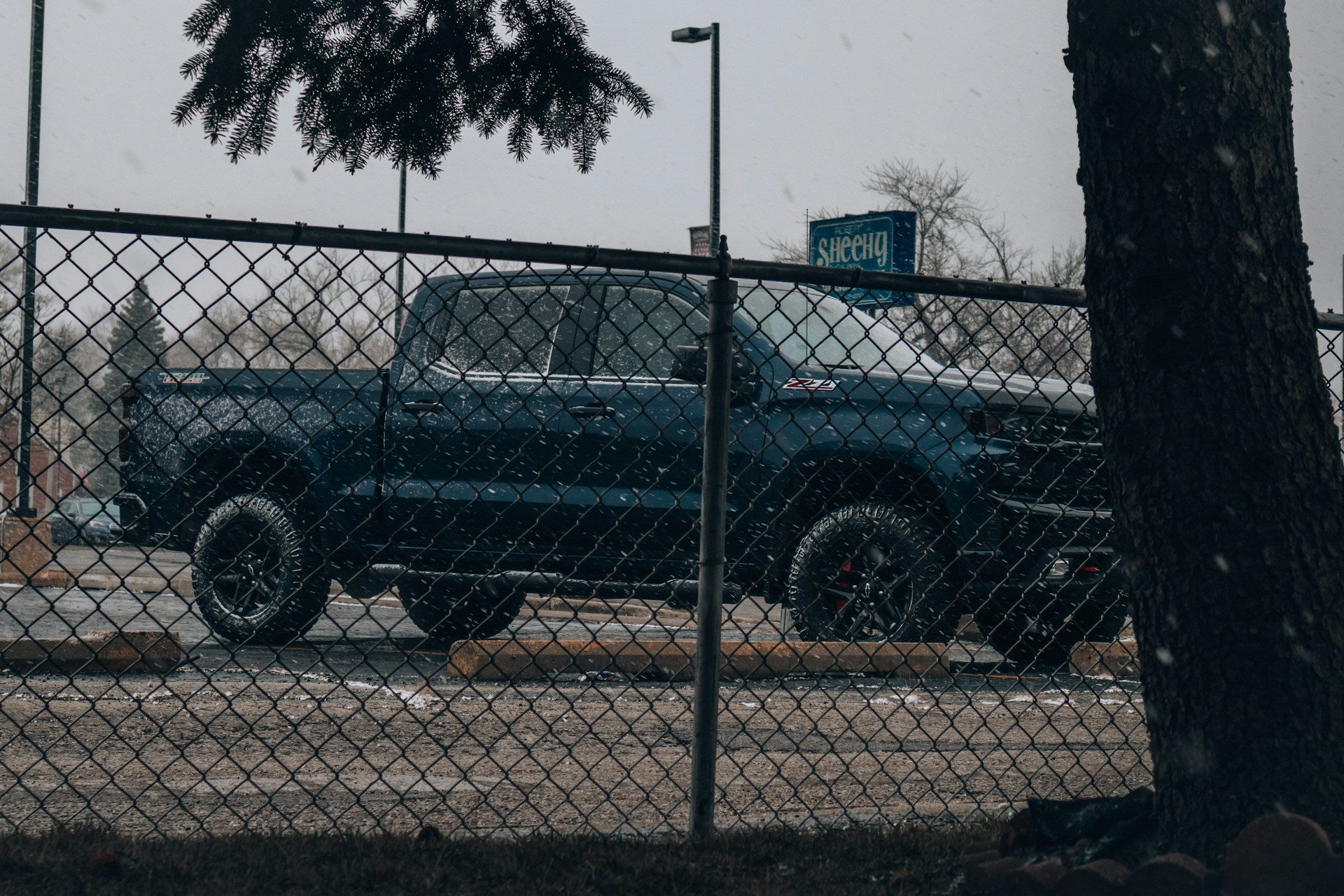
  • Chevrolet Silverado 1500 models can be set up for strong towing performance with the right engine and package. 
  • Chevrolet Silverado HD trucks are built for heavier campers, larger boats, and frequent towing.

These trucks offer helpful towing features, such as trailer sway control in the stability system and available integrated trailer brake controllers that help your truck and trailer brakes work together. Many models also include tow/haul modes that adjust shifting to handle hills and heavy loads.

Chevy SUVs are great for families that want comfort along with towing power:

  • Chevy Tahoe and Suburban can tow many boats, jet skis, and campers while giving you three rows of seating and cargo room. 
  • Chevy Traverse can be a good match for smaller campers and lighter watercraft.

Factory towing packages, OEM hitches, and proper wiring are a big part of safe towing. When you use the right hitch, wiring, and cooling equipment for your vehicle, everything works together the way it was designed, from trailer lights to braking and engine temperature.

Summer Towing Safety and Setup Checklist

Before you tow in warm weather, a simple inspection can help you avoid issues on the road. Focus on both your tow vehicle and your trailer.

Check:

  • Tire pressure and tread on the vehicle and trailer 
  • Brake operation and trailer brake controller, if equipped 
  • All lights and signals on the trailer 
  • Wheel bearings and coupler on the trailer 
  • Engine oil, transmission fluid, and coolant levels on your Chevy 

Correct loading and hitching are just as important as the numbers. Try to keep tongue weight in a safe range for your hitch, usually a small percentage of total trailer weight. Load heavier items low and near the trailer axle, and spread weight side to side so the trailer does not lean. The trailer should sit level when hitched, not nose high or low.

  • When you drive with a trailer, give yourself more space and time:
  • Leave extra distance for braking, especially on wet or hot New England roads. 
  • Take turns more slowly and give the trailer room to track behind you. 
  • Use tow/haul mode if your Chevy has it, especially on hills. 
  • Plan rest stops to check tires, feel for hot hubs, and let everything cool if needed.

Get Towing-Ready at Chevrolet of Milford This Summer

Getting your Chevy and your trailer ready for summer towing is much easier when you have local support. At Chevrolet of Milford, we help drivers choose trucks and SUVs that match their boats and campers, explain towing ratings, and review the options that make towing more comfortable.

Our team can also help prepare your current Chevy for towing season. From installing OEM hitches and proper wiring to performing multipoint inspections and checking cooling systems, brakes, and suspension, we focus on keeping your trips safe and smooth. If you are planning a new boat, a first camper, or just a busier summer of towing, we are here to help you feel confident every time you hitch up.

Discover the Right Towing Power for Your Next Chevy

If you are comparing trucks and SUVs, use our detailed Chevy towing capacity resources to see which model fits your work or weekend plans. At Chevrolet of Milford, we will walk you through real-world towing needs so you are confident in what your vehicle can handle. Reach out to our team with questions or to schedule a test drive by contacting us, and we will help you take the next step.
Posted in:

Related Posts

Chevy

Questioning Chevy Hybrid Cars for Sale vs. EVs in Connecticut

Choosing Between Hybrid, and Electric Chevy Models for Connecticut Winters Choosing a vehicle that can handle Connecticut's winter roads while staying efficient often comes down to your powertrain choice. Instead of a general comparison of all green options, this guide focuses on how Chevy hybrid models and Chevy EVs perform specifically in cold-weather driving, from frosty starts in Milford to snow-covered commutes across New Haven County. more We will look at how winter conditions affect performance, range, comfort, and ownership costs so you can decide which Chevy setup better fits your cold-season driving routine. How Chevy Hybrids Handle Cold-Weather Driving Chevy hybrid vehicles can be especially reassuring when temperatures drop. Because they combine a gasoline engine with an electric motor and battery, their overall winter performance feels familiar while still improving efficiency compared with traditional gas-only models. Key cold-weather advantages of hybrids include: Reliable cold starts: The gas engine provides dependable starting even on very cold mornings. Consistent range: While very low temperatures can still affect the hybrid battery, overall driving range stays closer to what you expect from a gas vehicle. Regenerative braking support: Stop-and-go winter traffic around Milford, New Haven, or along I-95 can help recharge the battery and support efficiency. On short, chilly trips for errands or school runs, the electric motor can assist at lower speeds, smoothing out acceleration and helping reduce fuel use. When you transition to higher-speed highway driving on clear but cold days, the gas engine takes the lead while the hybrid system balances power and efficiency in the background. For drivers who must park outside or in shared lots, hybrids offer an added layer of confidence. You do not need to rely on a charging schedule when the forecast calls for snow or freezing rain; you simply fuel up as usual and go. EV Performance in Connecticut Winter Conditions Chevy EVs bring a different set of strengths to winter driving. Their electric motors deliver instant torque, which can help with smooth, controlled starts on slippery surfaces when paired with the proper tires and drive settings. Winter-focused EV benefits include: Precise power delivery: Electric motors can help provide steady traction when taking off on icy or slushy roads. Cabin preconditioning: Many EVs let you warm the cabin while plugged in, so you start with a comfortable interior and clear windows without using as much driving range. No engine warm-up: Heat is delivered through electric systems rather than waiting for an engine to reach operating temperature. However, cold weather does influence EV batteries more than it does hybrid gas tanks. In very low temperatures, you may notice: Reduced driving range compared with mild-weather days Longer DC fast-charging times in extreme cold Increased energy use from cabin heating and defrost systems Careful planning can help. Many EV drivers in Connecticut adapt by: Preconditioning their vehicles while plugged in Using available heated seats and steering wheels, which can be more efficient than relying on cabin heat alone Checking route planners with charging locations before longer winter trips Comparing Winter Costs: Hybrids vs EVs Winter weather can affect what you spend, not just how you drive. When you look at Chevy hybrid models and Chevy EVs through a cold-season lens, some cost differences stand out. Fuel and electricity use in winter: Hybrids: Fuel economy may dip slightly in colder months, but the gasoline engine helps maintain predictable range even on back-to-back cold days. EVs: Electricity use per mile can increase in winter due to cabin heating and lower battery efficiency. Even so, many owners still see a lower cost per mile compared with gasoline, especially when charging at home. Maintenance needs are also affected by seasonal conditions: Hybrids: Continue to need engine oil, filters, and other traditional components serviced on a schedule, along with winter-related checks like tires and brakes. EVs: Do not require engine oil changes, but winter can increase wear on tires and brakes, making regular inspections important. At Chevrolet of Milford, technicians are equipped to inspect and service both hybrid and electric models for winter readiness, including tire condition, braking performance, and system checks before and after harsh weather. Planning Your Winter Routine with Chevy Technology Choosing the right Chevy powertrain for Connecticut winters starts with your typical cold-season habits more than with a specific temperature number. Questions to consider: Do you frequently drive early in the morning or late at night when temperatures are lowest? How often do you take longer winter road trips versus short local drives? Do you have access to covered or garage parking, or do you park outdoors? Can you plug in at home or work, or do you rely entirely on fueling stations? If you often take longer, last-minute winter drives or do not have reliable access to charging, a Chevy hybrid may provide the flexibility you want while still improving efficiency. If your winter driving is more routine, you have a dependable place to charge, and you are willing to plan around range changes in very cold weather, a Chevy EV can deliver quiet performance and low operating costs season after season. Both hybrids and EVs are available with modern Chevy driver-assist and safety technologies designed to support you in challenging conditions, such as advanced traction and stability systems, available all-wheel drive on select models, and helpful visibility features. Regardless of powertrain, you can equip your vehicle for winter with appropriate tires and settings. Explore Winter-Ready Chevy Hybrids and EVs at Chevrolet of Milford Research can clarify how hybrids and EVs behave in cold weather, but a winter-focused test drive can make the differences feel real. Chevrolet of Milford can arrange test drives in conditions similar to your typical winter use, whether that means early-morning commutes, evening errands, or highway runs in colder air. During your visit, the team can walk you through: How each powertrain responds in cold starts and short, chilly trips What to expect for winter range or fuel economy based on your driving patterns Recommended maintenance and equipment for winter readiness With that information, you can choose the Chevy hybrid or EV configuration that matches your winter driving needs in and around Milford and throughout New Haven County, while staying efficient all year long. Drive Home Smarter Savings And Efficiency Today If you are ready to enjoy better fuel economy without sacrificing comfort or performance, explore our selection of Chevy hybrid cars for sale and find the model that fits your lifestyle. At Chevrolet of Milford, we will walk you through features, financing options, and available incentives so you can make a confident decision. Have questions or want to schedule a test drive? Simply contact us and our team will be happy to help.

Chevy

Questioning Chevy Fleet Sales for Small Business Owners in CT

Stop Guessing: Is Chevy Fleet Right for Your CT Business? Many small business owners in Connecticut are not sure if Chevy fleet sales are meant for them. It can feel like something only big companies with huge parking lots and big budgets should worry about. If you run a small crew or even work mostly on your own, the word “fleet” might sound too big. more The truth is, modern Chevy fleet programs can fit businesses of almost any size. You can start with just one or two vehicles, then grow from there if it makes sense. In this article, we will break down what Chevy fleet sales really mean, how they compare to regular retail buying, and what makes sense for small businesses here in Milford and the nearby towns. What Chevy Fleet Sales Actually Mean for Small Businesses When people hear “fleet,” they often picture rows of trucks lined up behind a fence. These days, a business fleet can be as small as one or a few vehicles that are titled, used, and managed under a business name. It is more about how the vehicles are set up and supported than how many you have. With Chevy fleet sales, small businesses usually get: A business-focused account for their vehicles Clear, consistent purchase options Access to commercial-focused options and upfits Potential tax and depreciation advantages through business ownership A fleet account does not mean you need to be a big corporation. In Connecticut, many types of small businesses may qualify as fleet customers, such as: Tradespeople like electricians, plumbers, and HVAC techs Landscapers, lawn care teams, and snow removal crews Delivery services and local couriers Cleaning companies and mobile service providers Professional services that send staff on the road If your business relies on vehicles to earn income, Chevy fleet sales may be worth a closer look. Comparing Fleet vs Retail: Which Saves You More? Buying through fleet and buying through standard retail can look similar on the surface, but they are set up a bit differently. With a retail purchase, you are usually buying as an individual, even if you use the vehicle for work. With a fleet purchase, the business is front and center. Here is what often changes with a fleet approach: The structure of pricing and programs is focused on businesses Available options may be more work-oriented Support after the sale is tailored to keeping vehicles earning money When you think about value, it helps to look beyond the initial purchase. Total cost of ownership includes maintenance, reliability, fuel, downtime, and how long the vehicle fits your needs. Fleet-focused support can help lower the hidden costs that come from missed jobs, emergency repairs, or vehicles that are not set up for the work you do. There are also a few myths we hear a lot: “Fleet vehicles are stripped down.” Many business vehicles are ordered with the exact features needed for work, including comfort and safety features, not just the bare minimum. "You need a huge company.” Many small CT businesses start with one or two units under a fleet program. “It is too complex.” With clear guidance, a fleet approach can be as simple as buying retail, just better matched to business needs. Choosing the Right Chevy Vehicles for CT Roads and Seasons Connecticut roads can be tough. We see coastal rain and wind near Milford, wet leaves in the fall, snow and ice in winter, and heavy spring showers. The right Chevy vehicle choice can help your business stay moving in all of it. Popular Chevy choices for small business work include: Silverado 1500 for mixed work and personal use Silverado HD trucks when you tow or haul heavier loads Colorado for tighter streets and lighter duty work Express vans for cargo, tools, and mobile workshops SUVs for sales teams, supervisors, and client visits Key features many CT businesses look for include: Available 4WD or AWD for winter traction Strong towing and payload for trailers and equipment Safety tech to support drivers in rain, snow, and traffic Interior setups that make it easy to store tools and gear At a local level, it also helps to match vehicles to your actual routes. Tight downtown streets, shared driveways, parking garages, and jobsite access can all affect what size and type of vehicle works best. Many businesses also add graphics or wraps, and plan upfits like ladder racks, storage bins, or lighting to keep work efficient and on-brand. Service, Uptime, and Support You Can Count on in CT For a small business, a truck or van sitting in the shop can feel like money sitting still. That is why service and uptime matter just as much as picking the right model. Working with a local Chevy team that knows your business needs can help keep vehicles ready for the next job. Solid fleet-focused service often includes: Priority or planned scheduling so you can plan around downtime Routine maintenance plans that fit your busy seasons Quick diagnosis and repair by technicians trained on Chevy vehicles Preventative maintenance is one of the best ways to avoid breakdowns during the busiest parts of the year. Oil changes, brakes, tires, and inspections done on a regular schedule can catch issues before they cause cancellations or delays. Many businesses also like having digital tools and simple reminders: Service reminders for each vehicle Clear records of what work was done and when Easy ways to review upcoming maintenance needs for your whole small fleet These tools reduce the need for extra spreadsheets or sticky notes and help keep your focus on running jobs, not tracking service by hand. Financing, Budgeting, and Real-World Scenarios Financing is another area where a fleet setup can help a small business feel more organized. Instead of guessing when to replace an older vehicle, you can plan around structured terms that match how hard you run your trucks and vans. With Chevy fleet programs, businesses often: Lease or finance options that keep payments steady and predictable Terms that match expected mileage and workload Planned replacement cycles so vehicles stay dependable and up to date There can also be possible tax advantages to buying vehicles for business use, including things like Section 179 and bonus depreciation. Those details depend on your situation, so it is always smart to talk with a tax professional before year-end so you can plan the timing that works best for your business. So when does a fleet approach make sense? Some common CT-style scenarios include: A landscaping crew with two trucks, thinking about adding a third to handle more jobs A neighborhood plumbing company that needs reliable vans with organized storage A mobile service like pet grooming, cleaning, or detailing that must keep one or two vans on the road every day On the other hand, if you only use a single truck on weekends or put very low miles on your vehicle each year, a standard retail purchase might still serve you well. It may be time to think about fleet when: You are paying for frequent repairs on older work vehicles You have to turn down or reschedule jobs due to breakdowns You know you will need another vehicle before your next busy season For many small businesses around Milford, Chevy fleet sales are less about being “big enough” and more about being ready for steady, reliable growth. When your vehicles match your work, and your support team understands local roads and seasons, it becomes much easier to say yes to the next job with confidence. Streamline Your Business With a Customized Chevy Fleet Solution If you are ready to lower operating costs and keep your team on the road, our experts at Chevrolet of Milford can help you design the right mix of vehicles through our Chevy fleet sales programs. We will walk you through vehicle options, upfits, and financing so your fleet works as hard as your business does. To schedule a consultation or ask questions about next steps, simply contact us today.

Chevy

Questioning Chevy Android Auto for Safer, Less Distracted Drives

Drive with Confidence, Not Distraction Safe driving starts with where your eyes and mind are pointed. On busy Connecticut roads, with school buses, wet leaves, surprise traffic, and early sunsets, it is easy for a quick glance at a phone to turn into a real distraction. Many drivers count on in-car tech to help, but sometimes it can feel like the tech is just one more thing to manage. more That is where Chevy Android Auto comes in. It brings your Android phone onto your Chevy screen so you can get directions, music and calls without holding your phone. The big question is simple: does it actually help you stay focused, or can it pull your attention away from the road? In this article, we look at what Chevy Android Auto really does, how it can help or hurt your focus, and some smart ways to set it up for safer drives around Milford and beyond. Our goal is to help you feel more in control of both your car and your tech. What Chevy Android Auto Really Does in Your Dash Chevy Android Auto is designed to connect your Android phone to your Chevrolet infotainment system. Once you plug in with a USB cable or connect wirelessly in some models, certain apps from your phone show up on the center screen in a simpler layout made for driving. The main things it can do that relate to safety include: Turn-by-turn GPS navigation on a large, easy-to-read display Hands-free calling through your Chevy’s speakers and microphone Voice-activated text messaging so you can talk instead of type Quick access to audio apps like music and podcasts without holding your phone Instead of you staring down at a small phone screen, your eyes are higher and closer to the windshield. You can also use steering wheel controls for volume and voice commands, which helps keep your hands closer to where they belong. This setup is different from just dropping your phone in a cupholder or on a mount. With Android Auto, your Chevy and your phone are working together. The audio mutes or lowers when directions or calls come in, voice control is built into the system, and the layout is made to keep things simple. Not every Chevy has the same version of Android Auto, and availability can depend on model and trim. When you shop for a vehicle, it is a good idea to ask which infotainment system it has and how it works with your Android phone. Can Chevy Android Auto Reduce Distraction or Make It Worse? Chevy Android Auto can be a helpful tool, but like any tool, it depends on how you use it. On the positive side, it can cut down on the need to reach for your phone at all. Instead of fumbling to pull up a map or scroll to a playlist, you can tap one or two big icons or just use your voice. The safety upside usually comes from: Less time looking down at a small screen Simple, car-friendly app layouts Voice commands that let you keep both hands on the wheel Audio prompts for turns, incoming calls and messages There is a flip side though. If you treat your Chevy’s center screen like a giant smartphone, things can go wrong. Constantly switching apps, checking every notification, or reading long text threads while the car is moving can still take your focus away from the road. The system will not override unsafe choices. If a driver chooses to scroll through menus or read long messages, the risk is still there. That is why many states, including Connecticut, have laws about holding a phone while driving. Using factory-integrated systems like Android Auto can help you follow those rules, as long as you avoid treating it like entertainment while you are in motion. In the end, driver behavior is the deciding factor. Android Auto works best as a helper that sits quietly in the background, not as the star of the show. Safer Settings and Smart Habits for Fall Driving The way you set up Chevy Android Auto can make a big difference. A few simple choices before you shift into drive can reduce distraction and stress. Try these setup tips: Limit which apps are allowed in Android Auto, focusing on maps, calls and audio Turn off or mute non-driving notifications, like social media alerts Use Do Not Disturb or similar driving modes built into your phone Pick one main audio app and stick with it instead of jumping between several Good pre-drive habits also help, especially before busy commutes, school drop-offs or weekend trips: Enter your destination while parked Queue up a playlist or podcast before you move Confirm Bluetooth or Wi-Fi connections before you leave your driveway Adjust seat, mirrors and climate controls first, then start the route We also suggest getting comfortable with voice commands while parked. Practice phrases like: “Call ” “Send a text to ” “Play my driving playlist” “Navigate to Chevrolet of Milford” Seasonal conditions around Connecticut can change quickly, from foggy mornings to dark, rainy evenings. Using live traffic and weather info in your navigation app can help you slow down early for wet leaves, school zones or sudden congestion, instead of reacting at the last second. Choosing the Right Chevy for Your Connected Life Not every driver uses tech the same way, and not every Chevy is built the same. Different models and trims can offer different screen sizes, layouts and levels of Android Auto integration. Some also pair Android Auto with safety features like lane-keeping alerts or forward collision warnings, which can support your focus even more. When you shop for a new or pre-owned Chevy, it can help to sit in a few different vehicles and see how they feel with the tech on. For example, the layout and screen size in a compact SUV can feel very different from a full-size truck or a three-row SUV. How the controls are placed, how bright the screen is, and how clearly you can see out of the windows all affect distraction. Factory-installed systems usually work smoothly with your steering wheel buttons, audio system and built-in microphone. That clean integration often feels more natural than trying to add separate screens and mounts later on. It also helps to think beyond just “Does it have Android Auto?” and ask yourself: Is the screen easy to see without leaning forward? Are the climate and radio knobs easy to find without looking down? Do the seats keep you comfortable on longer drives so you are not fidgeting? Does the car feel steady and calm at highway speeds? The right mix of tech, comfort and safety features all work together to keep distraction lower. Service, Updates and Staying Tech-Safe Over Time Car tech is not a set-it-and-forget-it thing. Infotainment systems, phone operating systems and apps all receive updates over time. Sometimes these updates add new features to Android Auto, change menu layouts or fix bugs that might affect how your Chevy and your phone talk to each other. That is where regular service visits come in. When you bring your Chevrolet in for service, it is a good time to: Ask about infotainment software or firmware updates Check that your phone pairs easily through USB and Bluetooth Review Android Auto settings with someone who knows the system well Get tips on hiding or muting notifications that pop up too often Seasonal checkups are also a smart moment to review your tech setup. Before heavy fall and winter driving, you might want to: Test your charging cables and ports so your phone stays charged in the console Ask for help if Android Auto is dropping connections or lagging Adjust screen brightness for darker days and earlier sunsets Keeping a short, good-quality USB cable and a proper charging setup in the vehicle also helps you keep the phone stowed away instead of in your hand. Put Chevy Android Auto to the Test on a Local Drive The best way to know if Chevy Android Auto supports your focus is to try it in real traffic on roads you know. Sitting in the driver’s seat, pairing your own phone and using your own apps gives you a clear feel for how the system fits your life. At Chevrolet of Milford, we understand that safe, confident driving is about more than just features on a spec sheet. It is about how those features feel on the road, from your first school drop-off of the day to your last highway merge at night. We are here to help you explore Android Auto, tune it for safer use and find the Chevy that fits your connected life without pulling your attention away from what matters most: the drive itself. Experience Seamless Smartphone Integration On Every Drive Ready to make the most of your drive with full smartphone connectivity and in-car apps? Our team at Chevrolet of Milford can help you set up and customize Chevy Android Auto so it works exactly the way you want. Whether you need help pairing your phone, troubleshooting a connection issue, or exploring new features, we are here to walk you through it step by step. Have questions before you stop in? Just contact us and we will be happy to help.