





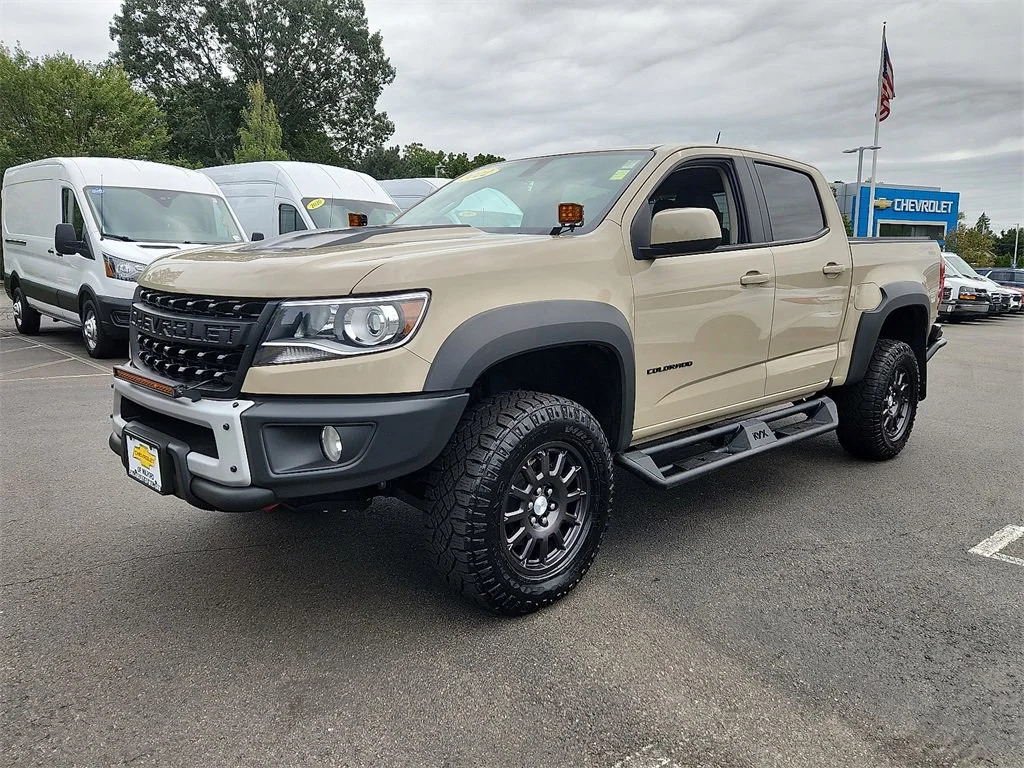
If you’re driving a Chevy Colorado around Milford and something just feels off with the way it shifts or responds, the clutch system might be trying to tell you something. Clutch issues can build up quietly or show themselves suddenly. Either way, they’re tough to miss once they start to affect your truck’s everyday handling, especially on busy commutes or weekend errands. Small problems often lead to bigger ones if ignored.
Many Chevy Colorado owners catch the early signs only after they’ve become hard to dismiss. These may include a clutch pedal that feels different than usual, strange smells when shifting, or a grinding sound when trying to move into gear. These signs often show up when parts like the clutch disc or pressure plate wear down. Noticing these symptoms early and acting quickly can prevent more serious damage and keep your truck running right.
Common Clutch Issues in a Chevy Colorado
Your truck’s clutch goes through wear just like brake pads or tires. Even when driven gently, any Chevy Colorado will eventually feel the stress of everyday driving. That’s because your clutch plays a key role in controlling power between the engine and transmission every time you shift. Below are some clutch problems you might encounter.
- Slipping clutch: You press the gas, but the truck doesn’t pick up speed the way it should. This could mean the friction disc is too worn and can’t hold power.
- Sticky pedal: If the clutch pedal sticks to the floor or feels odd, you might have a problem with the hydraulics or a mechanical part like a damaged linkage.
- Hard shifting: When moving the shifter feels stiff or clunky, the clutch might not be disengaging correctly, which can make it hard to change gears.
- Burning smell or overheating: A burnt odor during uphill drives or heavy traffic often points to a clutch that’s wearing out from heat and friction.
- Noise when pressing the pedal: Rattling or squealing sounds when using the clutch can mean trouble with the throwout bearing, pilot bearing, or even the pressure plate.
Sometimes, more than one of these issues happens at once, which can make it harder to figure out what’s really wrong without a full diagnosis. Some of these problems can even feel like transmission trouble when it’s actually a worn-down clutch part.
One Colorado driver thought their transmission was damaged because the truck wouldn’t shift smoothly. After a quick inspection, it turned out the clutch disc had been warped and wasn’t fully engaging. Fixing it early avoided a much more expensive repair later.
Diagnostic Steps for Clutch Problems
When your Chevy Colorado starts acting up and you suspect the clutch might be the issue, tracking details early can help a technician find the problem faster. You’re not expected to fix it yourself, but describing what you hear, feel, or smell makes a big difference at the repair shop.
Use this list to observe your truck:
1. Check the feel of the pedal: A soft, spongy pedal could mean there’s air in the hydraulic line or a leak. A pedal that’s overly stiff might point to worn parts or misalignment.
2. Listen for sounds while driving: Noise when you press the clutch pedal, like squealing or grinding, can often signal wear in the bearings or pressure plate.
3. Test how the clutch engages: If your truck jerks or hesitates when you release the pedal, it may show wear on the clutch disc or pressure components. If engagement happens too early or too late in the pedal’s movement, it could also be a sign.
4. Notice gear behavior: If getting into certain gears (like first or reverse) feels more difficult, or if the transmission kicks out of gear, the clutch might not be fully separating the engine and transmission.
5. Feel for slipping: Cruising in a high gear and hitting the gas on a flat road is one way to test. If the engine revs up without the truck picking up speed right away, it’s probably slipping.
Telling your mechanic all of these little signs can get your truck fixed faster and save on repairs by avoiding guesswork. Even remembering what things felt like a few days earlier can help spot patterns and worn parts before they fail completely.
Importance of Professional Clutch Repair
While it’s tempting to take on repairs at home, this isn’t the time for trial and error. Your Chevy Colorado’s clutch is connected to several other major parts of your powertrain. Without the proper tools and know-how, trying to replace or fix these systems at home can create more issues and cost more money in the end.
A certified technician knows how to inspect not just the clutch but also related parts like the flywheel, transmission mounts, and hydraulic system. This makes sure everything works together without damaging any part during the process. Professional repairs also come with warranty support, so if you’re covered, working with a certified service department like ours keeps that in place.
Attempting DIY repairs could make things worse and hurt other systems in your truck. And if it’s fixed without a trained eye, the root issue might still be there. Whether it’s the clutch disc or another element like the throwout bearing, replacements and repairs should be handled with care.
Maintaining Your Chevy Colorado’s Clutch
Taking care of the clutch doesn’t demand a lot of effort, but it does call for steady attention. Sticking to a maintenance schedule and forming good habits while driving will go a long way in keeping your Colorado in good shape.
Here are a few tips:
- Routine check-ups: Even if the truck feels fine, inspections can find small things that prevent bigger repairs. Always mention any changes in feel, noise, or shifting when you come in.
- Proper use: Don’t ride the clutch pedal when you’re driving. Only press it when shifting. Keeping your foot on it during stops or turns can shorten its life.
- Watch the hydraulics: Your hydraulic system moves clutch pressure. Low or dirty fluid can make the clutch feel different or work less effectively. Let us take a look if anything feels off.
- Timely repairs: Waiting too long on small fixes gives wear time to spread. Handle it early, and the repair stays smaller and cheaper.
All of these steps help protect the clutch and avoid high repair bills. Keeping it maintained regularly, along with related systems, means that your Colorado will perform the way it was built to, mile after mile.
Keeping Your Chevy Colorado Running Strong in Milford
Paying attention to your clutch system helps your Chevy Colorado stay reliable, safe, and ready to handle anything. The symptoms of clutch trouble are usually easy to catch if you know what to look for. When caught early, these problems can be fixed before they start affecting other parts of your truck.
No matter how small an issue may seem, bringing it in for a proper check is the smartest move. Whether you’ve noticed slipping, rough shifts, pedal changes, or strange noises, it’s worth getting your system checked so your truck stays dependable.
Clutch repair should always be done by experts who know your Chevy inside and out. At Chevrolet of Milford, we’re here to help Chevy Colorado drivers stay on the road and avoid costly breakdowns. From regular maintenance to professional repairs, taking care of your clutch now can save time, money, and future frustration.
Keep your Chevy Colorado running smoothly with regular maintenance checks. If you’ve been noticing clutch issues or need service like a Chevy Colorado oil change, our team at Chevrolet of Milford is ready to help. Explore our range of services to keep your truck in top shape and performing its best on the roads in Milford.
Connect with us


