





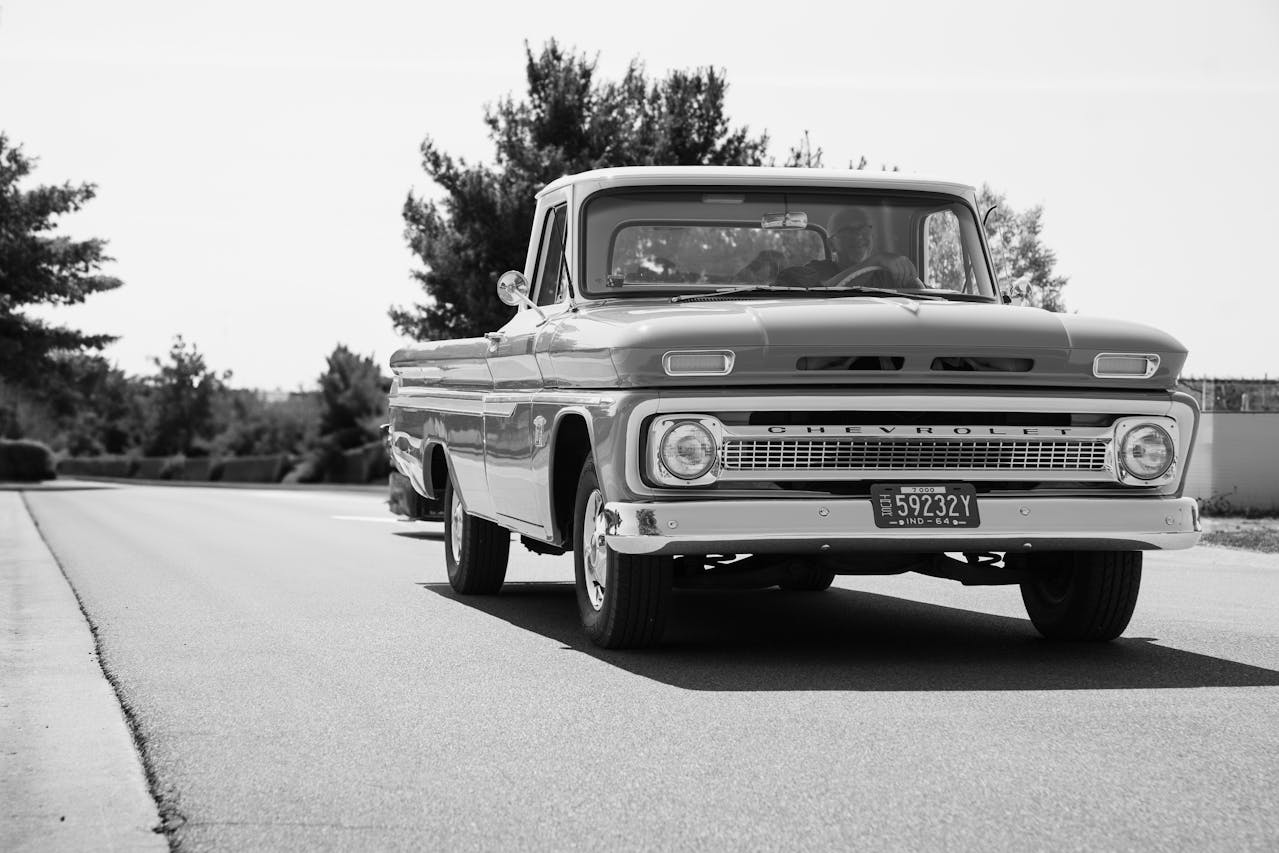
Make Every Connecticut Weekend Adventure-Ready
Chevy towing capacity matters every time you hook up a trailer, even for a quick Saturday run. If you plan on heading to places like Silver Sands State Park, Devil’s Hopyard, or to a boat launch on Long Island Sound, the right towing setup can turn a simple drive into a smooth, stress-free trip.
Towing capacity is the maximum weight your Chevy can safely pull. It affects how your truck or SUV accelerates, steers, and stops. When you understand how it works, you can protect your vehicle, keep your family safe, and enjoy more weekend options all over Connecticut.
In this guide, we walk through what Chevy towing capacity really means in plain language. We will talk about matching different Chevy models to your lifestyle, how to do basic weight math, and how to get ready for spring and summer roads, so you can tow with confidence.
What Towing Capacity Really Means for Your Chevy
Let’s start with a few simple terms you will see when you talk about towing capacity:
- Towing capacity: The most your Chevy is rated to pull behind it
- Payload: The weight inside the vehicle, like passengers, tools, coolers, and the tongue weight from the trailer
- GVWR (gross vehicle weight rating): The maximum safe weight of your loaded vehicle by itself
- GCWR (gross combined weight rating): The maximum safe weight of the loaded vehicle plus loaded trailer together
- Tongue weight: The downward force the trailer puts on the hitch
- Curb weight: What your Chevy weighs with standard equipment and a full tank of fuel, but no people or cargo
Chevy towing capacity is not just about how strong the engine feels. The rating comes from how the whole vehicle is built, including the engine, transmission, frame, suspension, axles, and braking system. All of those parts work together when you pull a trailer.
If you go over any of the ratings, bad things can happen. You may notice:
- Longer stopping distances
- The trailer pushing the vehicle in turns or on downhill grades
- Extra heat and strain on the transmission
- Less control in emergency moves
Overloading can also raise your risk in an accident and may create problems if a claim is reviewed after a crash. Staying within the listed numbers is a smart way to protect yourself and your investment.
Matching Your Chevy to Your Connecticut Lifestyle
Different weekend plans call for different Chevy models and towing setups. The right match depends on what you are pulling and where you are going.
For light to moderate towing, like:
- A small aluminum boat or a couple of jet skis to the shoreline
- A small pop-up camper to a state park
- A light utility trailer for yard projects
A midsize truck like the Chevy Colorado or an SUV with a towing package can be a good fit. These setups keep things easy to park in Milford or New Haven, but still let you tow what you need.
If you are thinking bigger, such as:
- A larger camper for trips across Connecticut
- A heavier boat headed to a ramp on Long Island Sound
- A loaded utility trailer with building supplies
A full-size truck like the Chevy Silverado 1500 is often the better choice. It is built for stronger towing capacity, better stability, and stronger rear suspension options.
For family trips where you carry both people and gear, full-size SUVs like the Chevrolet Tahoe or Chevrolet Suburban can make sense. They blend passenger comfort with towing strength, so you can bring a boat or small camper while still seating everyone.
Connecticut roads add to the picture too. Heading from Milford up to Lake Zoar, Candlewood Lake, or inland campgrounds brings hills, curves, and tight ramps. Having extra towing capacity, not just the bare minimum, helps your Chevy feel steady and confident on those routes.
How to Calculate Your Real-World Towing Needs
Before you pick a vehicle or hitch up a trailer, it helps to know the real weight you plan to tow. Start with the trailer’s empty weight, then add what you put inside it.
Common items people forget to count include:
- Full water tanks and fuel
- Coolers packed with ice, food, and drinks
- Bikes, kayaks, and sports gear
- Camping chairs, grills, and firewood
- Tools, spare parts, and extra cords or hoses
All of that adds up fast. Look at the trailer’s weight label and owner’s information, then add in your best estimate of gear weight. It is better to round up than to guess low.
Next, look at your Chevy’s stickers and books:
- The driver’s door jamb sticker lists GVWR and sometimes payload
- The owner’s manual explains ratings for your specific engine and drivetrain
- Many Chevy trucks and SUVs include a trailering information label that shows towing capacity, tongue weight limits, and tire details for that exact vehicle
We like to follow the 80 to 85 percent rule of thumb. That means if your Chevy has a certain maximum towing capacity, you aim to stay below that number with your loaded trailer, often around four-fifths of the maximum. This gives you a safety buffer for:
- Steep climbs on Route 15
- Stop-and-go traffic on I-95
- Wet roads, wind, and rough pavement
Leaving some extra room keeps towing less stressful and easier on your vehicle.
Spring and Summer Towing Prep for New England Roads
Once you know you are within your Chevy towing capacity, it is time to think about prep. A short pre-trip check can help you catch small problems before they turn into lost weekends.
Before you pull out of the driveway, look over:
- Tire pressures on both vehicle and trailer, plus the spare
- All trailer lights, including brake lights and turn signals
- Trailer brakes, if the trailer is equipped with them
- Hitch ball and coupler, making sure they match and latch firmly
- Safety chains crossed under the tongue and clipped properly
- Breakaway cable attached to the tow vehicle, not the chain or hitch ball
In New England, winter leaves its mark. Salt and moisture can lead to rust on frames, hitches, brake components, and wiring. As spring arrives and you start planning more weekend trips, have a professional look at:
- Brake condition and fluid
- Cooling system and transmission health
- Suspension and steering parts
- Wiring connectors and ground points
Safe towing also depends on how you drive. On I-95, Route 15, and local Connecticut roads, give yourself more space than usual. Leave extra following distance, avoid sudden lane changes, and keep your speed moderate. Plan fuel and rest stops where you have room to pull in and out with a trailer, not tight city stations or cramped lots.
Visit Chevrolet of Milford to Tow with Confidence
Chevy towing capacity does not have to be confusing. When you match the right truck or SUV to your weekend plans, understand your weight limits, and give your vehicle some basic care, towing can feel calm and easy.
Our team at Chevrolet of Milford helps drivers across New Haven County sort out towing questions every day. From exploring different Chevy trucks and SUVs side by side, to reviewing factory trailering options, to setting up hitches and towing accessories in our service center, we are here to support your Connecticut adventures so you can focus on where you are going, not worrying about what is behind you.
Unlock Your Ideal Chevy Towing Power With Confidence
Explore detailed specs for every model’s Chevy towing capacity so you can match the right truck or SUV to your work, family, or adventure needs. At Chevrolet of Milford, we walk you through the numbers in plain language so you know exactly what your vehicle can handle. If you have questions or want personalized guidance, contact us and we will help you choose a Chevy that tows safely and confidently.
Connect with us


