





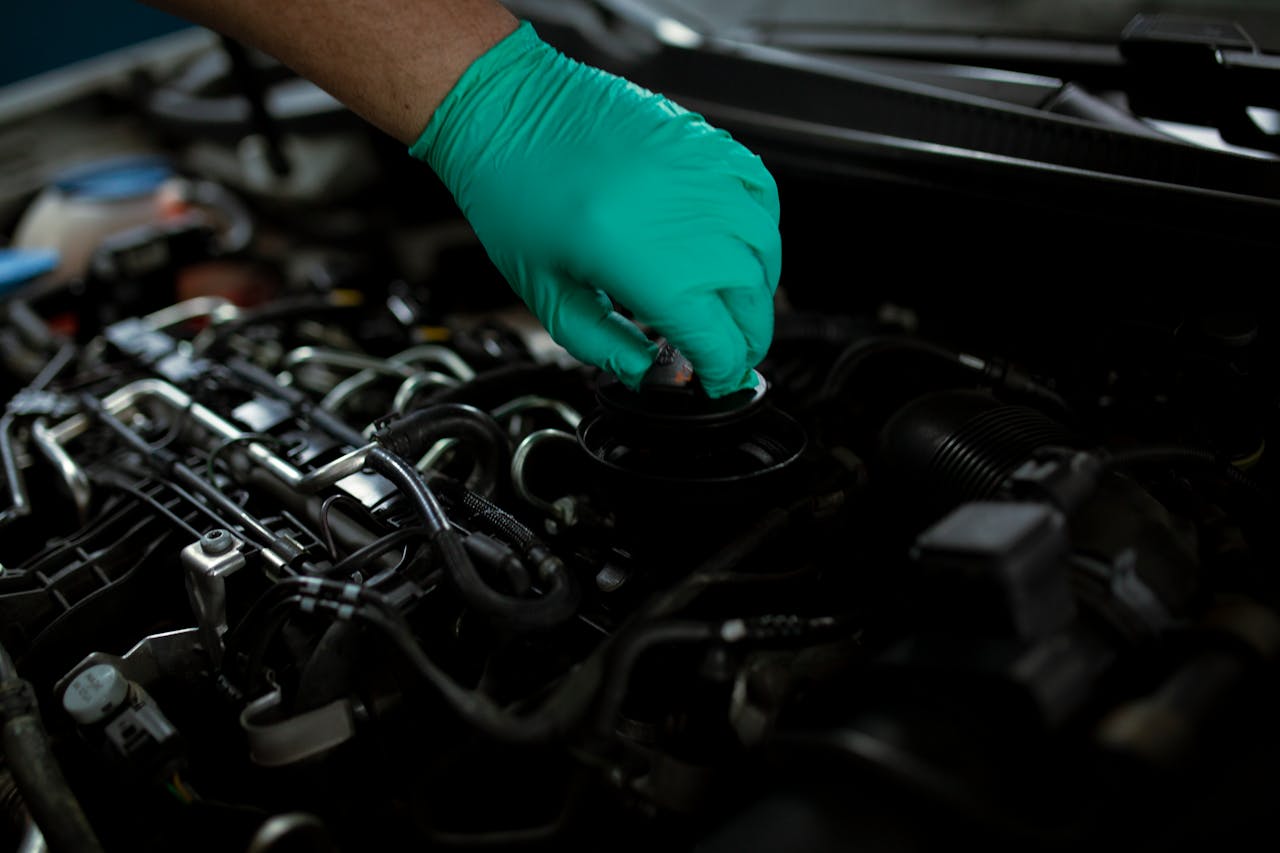
Protect Your Chevy Engine With Season-Specific Oil Care
Oil changes are one of the simplest ways to keep your Chevy running strong, but timing and oil type matter more than many drivers think. The right oil at the right time helps your engine handle heat, cold, moisture, and stop-and-go traffic without breaking a sweat. When you keep up with oil service, you help protect power, fuel economy, and long-term reliability.
Here in New England, and especially around Milford, spring can give you chilly mornings, warm afternoons, heavy rain, and plenty of potholes all in the same week. That kind of change puts extra stress on your engine and its oil. Drivers on I-95, the Merritt Parkway, and local roads ask a lot from their Chevy, so following Chevy-specific oil recommendations matters.
Not every Chevy is the same. A small sedan, a family SUV, and a work truck all have different needs. When you understand what your particular model needs, you can feel more confident the next time you search for “Chevy oil change” and know what to expect from a proper service visit.
How Often Your Chevy Really Needs an Oil Change
Most newer Chevy models are equipped with an oil life monitoring system. This system looks at how you drive and the conditions your vehicle sees, then estimates how much oil life you have left. It often lets you go longer between oil changes than old-fashioned fixed mileage schedules, but only if your driving fits normal conditions.
Older Chevy vehicles may still follow a mileage-based schedule. In those cases, owners usually rely on the maintenance section in the manual and the advice of trained technicians. Even then, oil change timing can shift based on how and where the vehicle is driven.
There is also a difference between normal and severe driving conditions. Around Milford, many drivers fall into the severe category without even realizing it. Severe use can include:
- Frequent short trips where the engine never fully warms up
- Stop-and-go shoreline traffic and rush hour congestion
- Repeated cold starts, especially in colder months
- Regular towing, hauling, or heavy loads
If you see your oil life monitor dropping faster than usual, that is your Chevy indicating the conditions are tougher than normal. You should also pay attention to:
- Oil life percentage alerts or “Change Engine Oil Soon” messages
- Dashboard warning lights related to oil or engine performance
- New engine noises, rougher idling, or sluggish acceleration
When you notice these signs, it is time to plan a visit so a trained team can inspect, change the oil, and reset the monitor.
Oil Change Basics for Chevy Cars and Sedans
Many drivers in the Milford area rely on Chevy cars and sedans such as the Malibu, Cruze, and older compact or midsize models that are still on the road. These vehicles often have smaller, fuel-efficient engines that run best with specific oil weights and, in many cases, synthetic or synthetic-blend oils.
Daily commuting to places like New Haven or surrounding towns means plenty of highway miles mixed with local stoplights and parking lots. Short city trips, quick errand runs, and long periods idling in traffic can all shorten oil life in a smaller engine, especially when outdoor temperatures and humidity swing quickly.
A professional oil change for these Chevy cars at a trained service center usually includes:
- Draining old engine oil and replacing it with the correct grade and type
- Installing a new oil filter matched to the engine
- Checking fluid levels, like coolant, brake fluid, and washer fluid
- A quick look at tires, brakes, wipers, and basic safety items
By using the correct oil weight and GM-approved products, a service visit helps the engine stay clean inside, which supports smooth acceleration and better fuel economy.
Truck and SUV Oil Needs for Work and Family Life
Trucks and SUVs, such as the Silverado, Colorado, Tahoe, and Equinox, often live a different kind of life than sedans. These vehicles may tow trailers, carry equipment, haul mulch or tools, or shuttle full loads of passengers and cargo. All of that adds heat and stress to the engine, especially under load or at highway speeds.
Seasonal activities in Connecticut can add to the strain. Spring landscaping projects, towing a boat toward the Sound, or packing up for family road trips means a truck or SUV may work harder for longer stretches. Harder work usually calls for closer attention to oil condition and mileage between changes.
For these vehicles, it is especially important to:
- Use the correct synthetic or Dexos-approved oil type and grade
- Follow the oil life monitor, but also consider towing and hauling habits
- Listen for any change in engine sound during heavy use
- Keep service intervals shorter if the vehicle often works under load
The right oil helps protect against heat and friction when you are pulling a trailer up an on-ramp or cruising for hours on the highway with a full cabin and cargo area.
Synthetic vs. Conventional Oil for Your Chevy Model
Not all engine oil is the same. The three main types you will hear about are conventional, synthetic blend, and full synthetic. Each brings a different level of protection and lifespan.
In general:
- Conventional oil is the basic option, common in older vehicles
- Synthetic blend mixes conventional and synthetic for better protection
- Full synthetic offers strong protection at high and low temperatures
Many late-model Chevrolet engines are designed with synthetic or Dexos-approved oils in mind. These oils hold up better to heat, cold starts, and long drain intervals, and they help keep modern engines cleaner inside. Using oil that does not meet the recommended standard can affect performance and may cause issues with engine cleanliness over time.
Choosing the right oil type often comes down to how you drive:
- Mostly city driving with short trips often benefits from synthetic for better cold start protection
- Mostly highway commuting can follow the oil life monitor with the recommended synthetic or blend
- Mixed use, including towing or heavy cargo, usually calls for high-quality synthetic and closer attention to intervals
A trained Chevy technician can look at the model, mileage, and driving style and recommend the oil that makes the most sense.
Finding Trusted Chevy Oil Change Service in Milford
When you search for “Chevy oil change,” it helps to choose a place that understands your specific vehicle. Dealership service departments that work with Chevy vehicles every day stay familiar with the latest oil specifications, maintenance needs, and model updates.
At Chevrolet of Milford, the service team works with Chevy cars, trucks, and SUVs from across the area, which means they know how these vehicles respond to local driving and weather. Service visits are tied to the vehicle identification number, so there is a clear record of what has been done and when.
A professional oil change service for your Chevy there can include:
- The correct GM-approved oil and filter for the engine
- Trained technicians who know Chevy maintenance schedules
- Maintenance plans that match the model, mileage, and driving habits
Planning oil changes as the weather starts to warm up helps your Chevy get ready for summer heat, traffic, and family road trips. By matching oil type and timing to your specific model, you help keep your Chevy ready for every mile ahead, through every season on Connecticut roads.
Protect Your Engine With Trusted Local Chevy Service
If you are searching for a reliable Chevy oil change near me, our certified technicians at Chevrolet of Milford are ready to help keep your vehicle running smoothly. We use the right oil and parts for your specific model so your engine gets the care it needs. Schedule your service online anytime or contact us with any questions before you book.
Connect with us


