





Protect Your Chevy Engine When You Tow Heavy
Towing a boat, camper, or work trailer around Milford and coastal Connecticut puts a lot of extra strain on your Chevy. Hills, highway on-ramps, and stop-and-go traffic near the water all make your engine and transmission work harder than they do on a normal commute. That extra work shows up first in your motor oil.
Oil changes are not just a box to check. The right oil change interval helps prevent expensive repairs, supports your warranty coverage, and keeps your Chevy towing capacity feeling strong and consistent. When the oil is fresh and the engine is protected, your truck or SUV can handle those heavy loads with more confidence.
In this article, we will talk about how often you should change your oil when you tow, how Connecticut weather and seasons can affect service needs, and when it makes sense to visit a professional service department for help. Our goal is to help you build a simple, smart plan that keeps your Chevy ready for every trip and every trailer.
How Heavy Towing Changes Your Oil Needs
Any time you hook up a trailer, your engine has to pull more weight. That extra load creates more heat, and heat is rough on oil. As temperatures rise inside the engine, the oil can thin out, break down faster, and carry more contaminants.
With towing, your oil often has to deal with:
- Higher engine temperatures for longer periods
- More frequent downshifts and higher RPMs climbing hills
- Extra stress on internal parts like bearings and piston rings
Not every trailer is the same, though. Your oil needs change based on how you tow.
- Light towing: Small utility trailers, light yard equipment, or an empty single-axle trailer, used only once in a while on mostly flat roads.
- Moderate towing: Medium campers, small boats, or loaded utility trailers pulled a few times a month, mixed driving around town and highway.
- Heavy towing: Large campers, big boats, or construction trailers pulled often, sometimes near your Chevy towing capacity, including hilly routes or frequent highway runs.
If you are often close to your rated Chevy towing capacity, use your trailer for work, or tow on I-95 with traffic and hills, your oil will usually not last as long as it would with gentle daily driving. The factory interval is a starting point, but towing can shorten it.
Factory Oil Intervals vs. Real-World Towing
Most late-model Chevy Silverado, Colorado, Suburban, Tahoe, and Traverse models are built with longer oil change intervals for normal driving. Many drivers can safely rely on the oil life monitor that tracks time, mileage, and driving conditions to tell them when service is due.
Normal driving usually means:
- Steady highway speeds
- Light or no towing
- Limited idling and shorter traffic delays
But real life in southern Connecticut does not always look like that. GM has severe-service guidelines for drivers who:
- Tow trailers often
- Sit in heavy stop-and-go traffic
- Idle for long periods on job sites
- Take frequent short trips where the engine does not fully warm up
If this sounds like your routine, you may need oil changes more often than the general interval. The oil life monitor is still very helpful, but heavy towing, hot summer trips, and constant short drives around Milford may justify changing your oil earlier, before the system hits a very low percentage.
A service advisor who understands your towing habits can help interpret what your oil life monitor is telling you and suggest a smarter interval for the way you drive.
Choosing the Right Oil for Maximum Towing Capacity
The kind of oil you use matters just as much as how often you change it. There are three basic types you will hear about:
- Conventional oil: Traditional oil that works fine for light, gentle driving, but can break down quicker under heavy heat and load.
- Synthetic blend: A mix of conventional and synthetic that gives better protection than regular oil, especially at higher temperatures.
- Full synthetic: Designed to handle more heat and stress, flows better in cold weather, and holds up longer under heavy towing.
For trucks and SUVs that tow often, GM-approved synthetic oils are usually the smarter choice. They help protect against wear when the engine is pulling hard and the temperatures climb, and they flow well in cold starts too.
The correct oil weight, or viscosity, is also important. It affects:
- How quickly oil reaches parts on cold start
- How thick the oil film stays at operating temperature
- How stable the oil remains when you are near your Chevy towing capacity
Using the weight recommended by GM for your engine helps maintain smooth power delivery and dependable towing performance. At a professional service department, trained technicians choose GM-recommended oil and filters based on your model, engine type, and how you actually use your truck or SUV, including how often and how heavy you tow.
Seasonal Towing in Connecticut and Oil Change Timing
Connecticut weather can swing from cold winters to hot and humid summers, and your towing schedule often changes with the seasons. Many drivers tow more in spring and summer for camping trips, boat launches on Long Island Sound, or road trips to the mountains.
Warm weather towing can be tough on your oil because of:
- Higher outside temperatures that raise engine and transmission heat
- Stop-and-go beach traffic with a fully loaded trailer
- Long uphill grades on weekend getaways that keep your engine working hard
Cold weather brings its own challenges, such as thicker oil at start-up and more short trips where the engine never fully warms up. That can lead to extra moisture and fuel mixing into the oil.
A simple seasonal plan can help:
- Change oil before peak towing season so your engine starts the busy months with fresh protection.
- Schedule another change after long towing vacations or repeated heavy hauls.
- Refresh oil before winter storage if your trailer sits, or before your truck goes into snowplow or heavy winter duty.
This kind of timing keeps your oil in better shape during the hardest working months.
Signs You Need an Oil Change Sooner When Towing
Sometimes your Chevy will give you hints that the oil is wearing out faster than usual. When you tow, these signs may show up sooner than you expect.
Watch for:
- Louder engine noise or more ticking on start-up
- Reduced fuel economy compared to your normal baseline
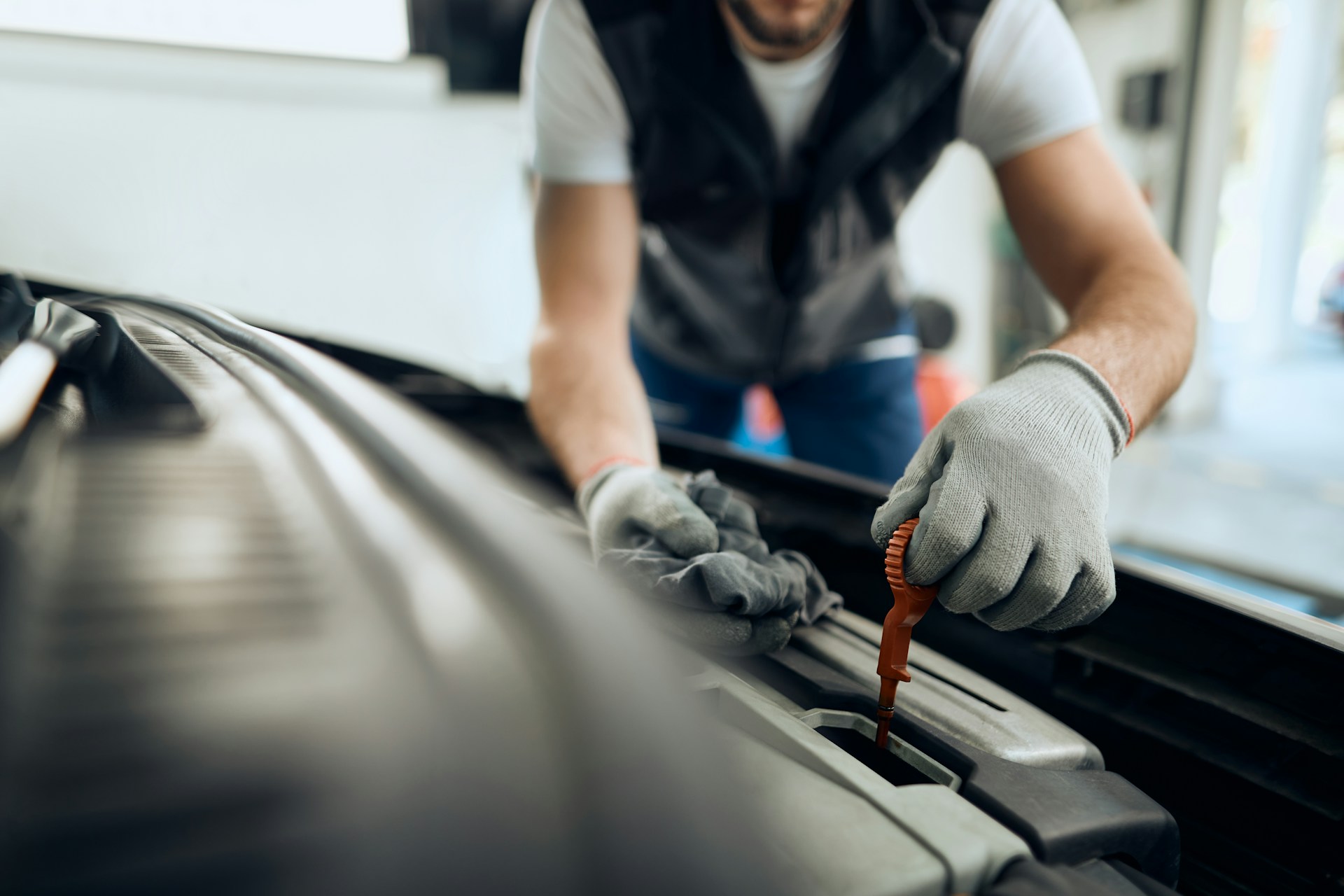
- Oil on the dipstick that is very dark, thick, or gritty
- Oil warning light or low oil life percentage sooner than usual
Common towing situations that speed up oil wear include hauling near maximum Chevy towing capacity up long hills, frequent short trips with a heavy trailer where the engine never fully warms up, and long idling periods with a loaded trailer attached.
If you tow on a regular basis, it is better not to wait until you notice clear symptoms. A proactive oil change schedule, built with help from a knowledgeable service advisor, protects your engine and keeps your towing experience smoother and more predictable.
Unlock Confident Towing For Every Drive
Whether you are hauling a trailer for work or a camper for weekend getaways, we are here at Chevrolet of Milford to help you choose the right truck or SUV with the strength you need. Explore detailed specs and find the model that fits your needs with our Chevy towing capacity resources. If you would like personalized guidance or have specific questions, feel free to contact us so we can walk you through your best options.
Connect with us


